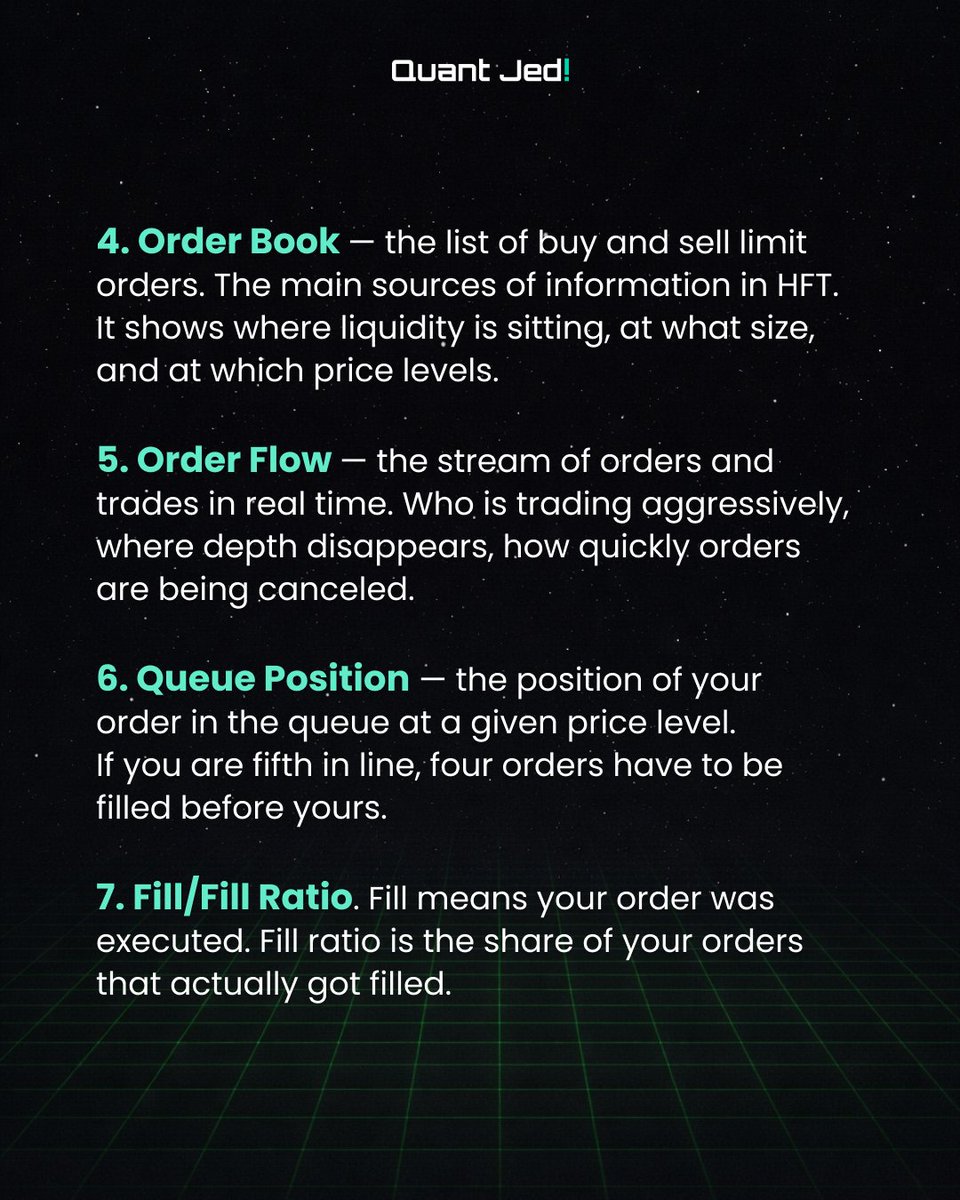
We use a lot of technical terms in our posts. Before we go deeper, here’s a quick guide to the core concepts.
Give us ❤️ if want this series to continue
🌐 our website https://t.co/ZIu775fPhA
📩 contact us https://t.co/zepotZScbp
One constraint: in HFT, models live inside strict latency budgets. Inference must fit into microseconds. If a model is too slow or unstable, it destroys more edge than it adds.
Contact us https://t.co/zepotZScbp
Our website https://t.co/ZIu775fPhA
ML in #HFT is used for practical microstructure tasks:
1. Short-term price movement probability
Estimate the probability of a mid-price uptick or micro-impulse to decide whether to stay passive in queue or cross the spread.
4. Parameter adaptation. Often the model doesn’t trigger the trade — it adjusts quote width, inventory limits, and aggression based on live volatility and market conditions.
5. Regime detection. ML helps detect shifts in liquidity or participant behavior, which matters for risk.
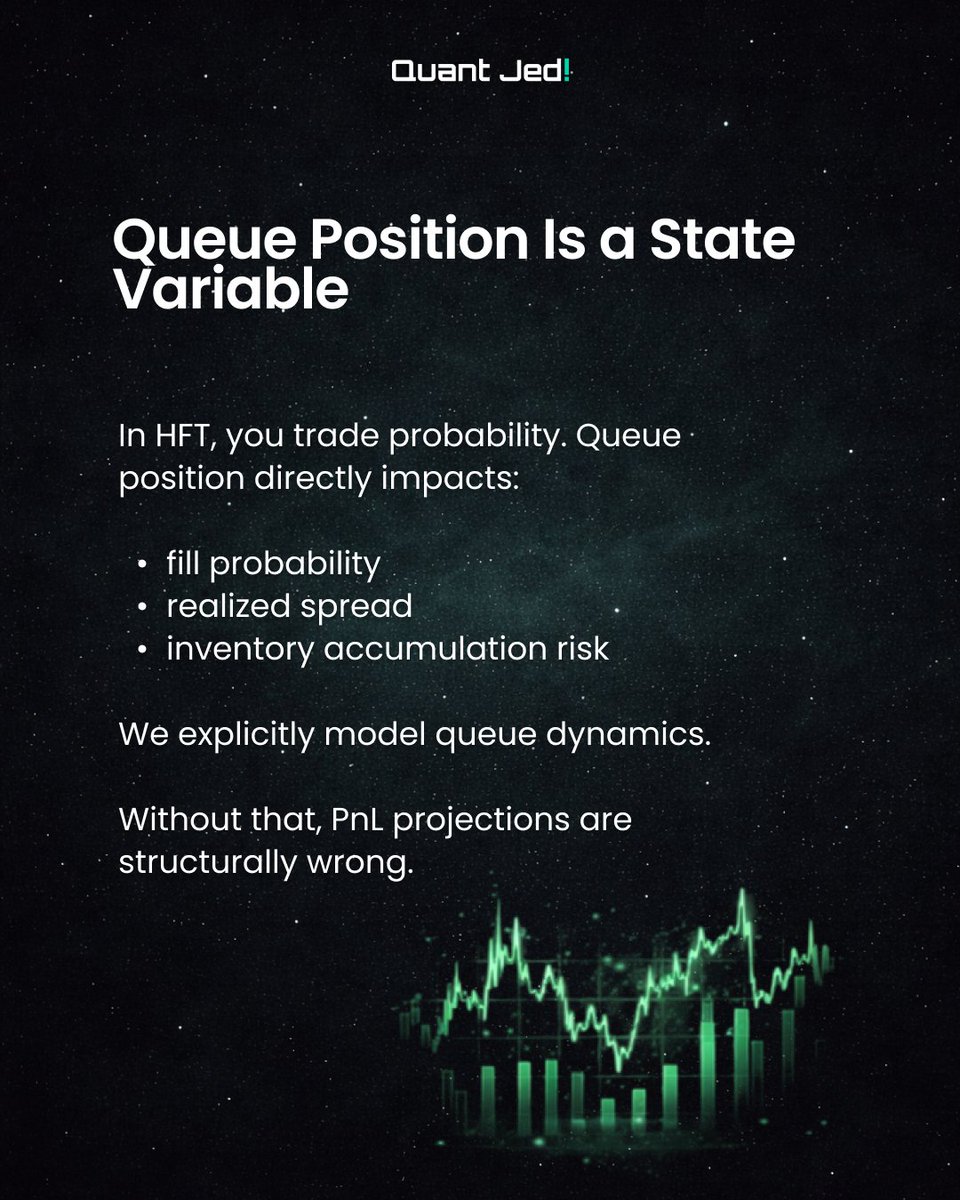
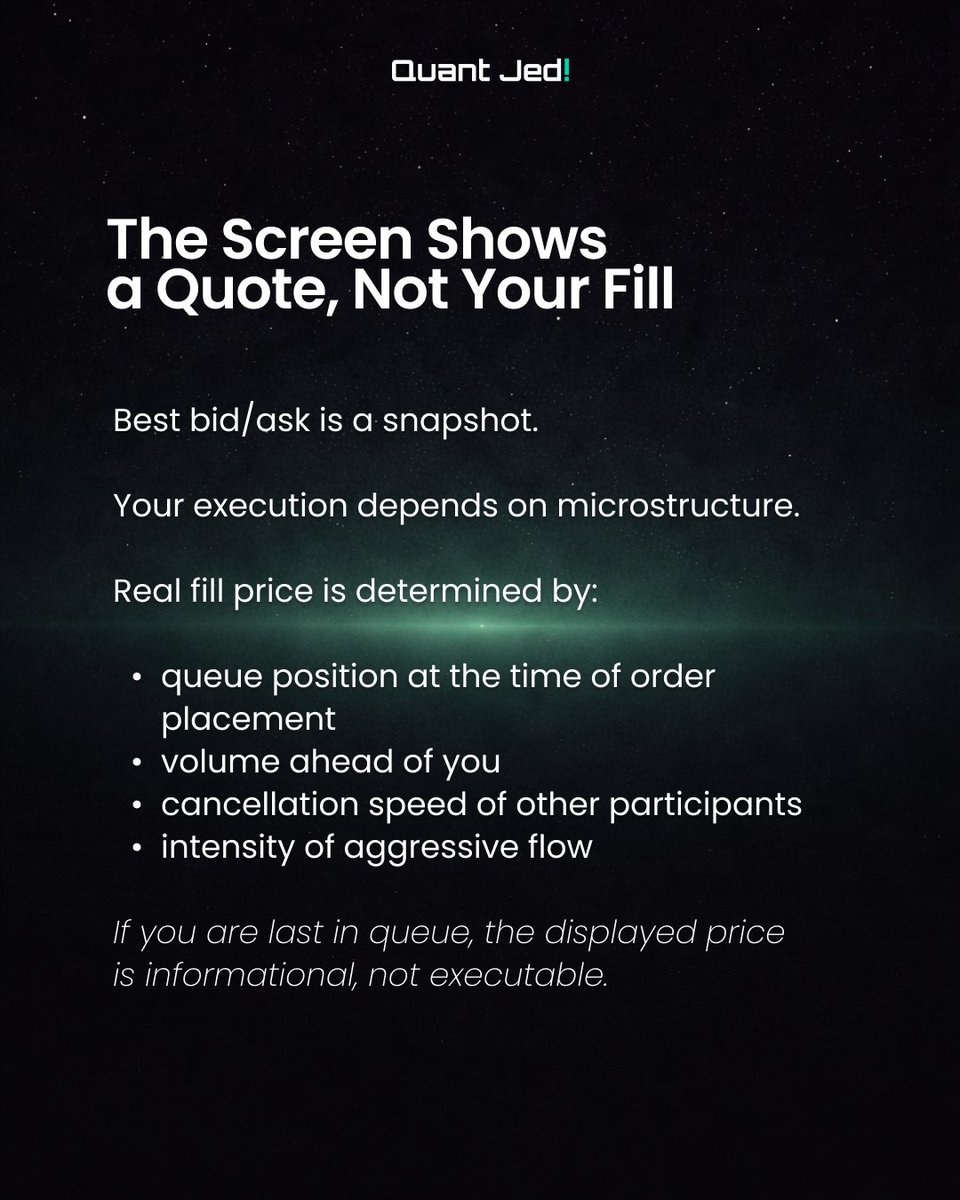
2. Fill probability. Models estimate execution odds from queue position, cancellation speed ahead, and local book depth.
3. Toxicity radar. ML helps detect “toxic” flow and estimate the chance price keeps moving against you after a fill.
How an HFT team is structured
Winning in the order book isn't a solo sport, it’s a relay race. We structure our team to cover bottlenecks across 4 core pillars:
research, data, execution, risk.
Check the cards below for a deep dive into each team member's scope of work.
We invest not only in models, but also in infrastructure, performance engineering, transaction cost analysis, and observability — because that’s where it’s decided whether an edge survives real-world friction.
#HFT#cryptotrading#tradingstratedy
Strategies rarely break overnight. These are the issues that most often break HFT:
1. Data. If order book reconstruction is wrong, timestamps are misaligned, events are out of order, or historical and live feeds don’t match, your backtest is testing a market that never existed.
6. Production Engineering. An HFT platform must survive peak load, not an average day.
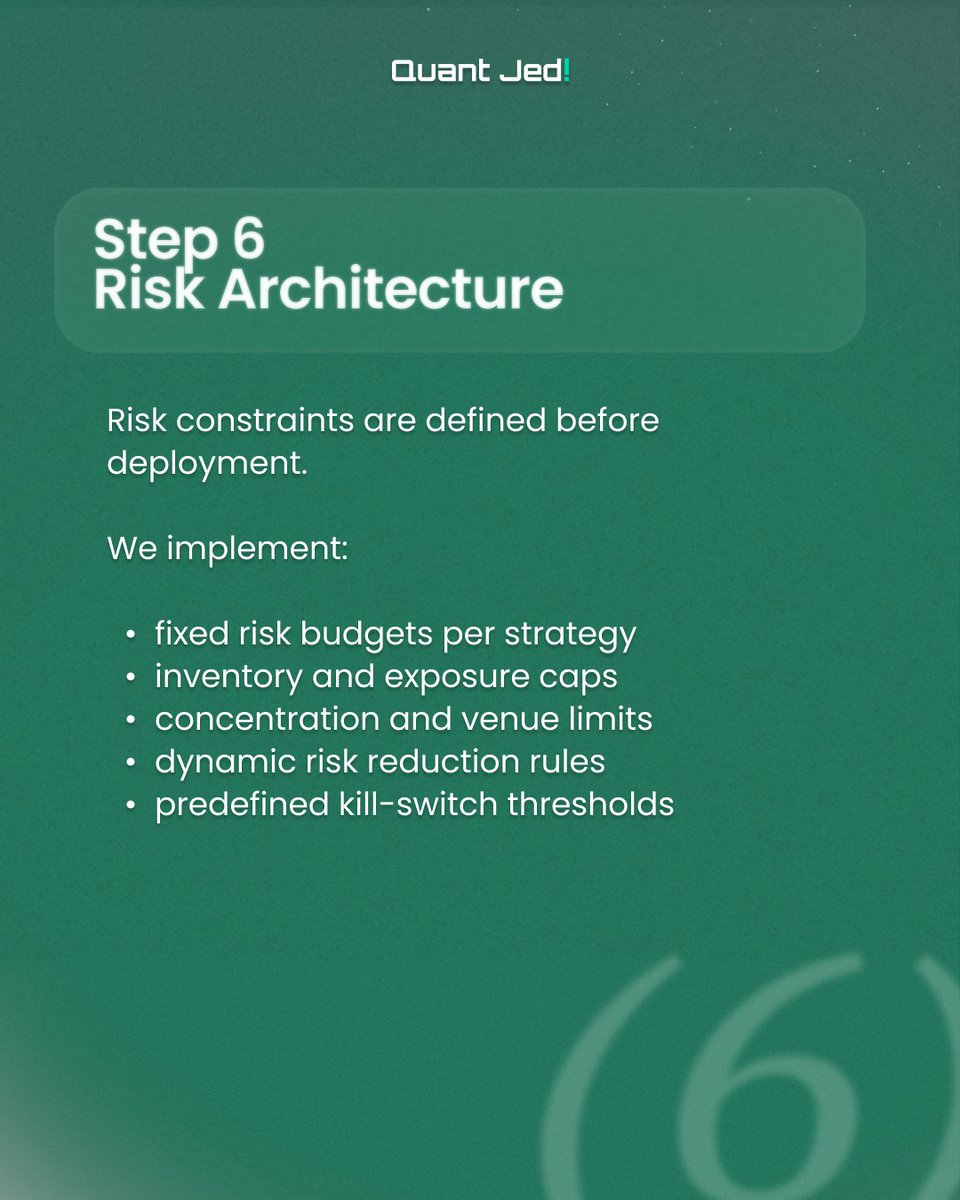
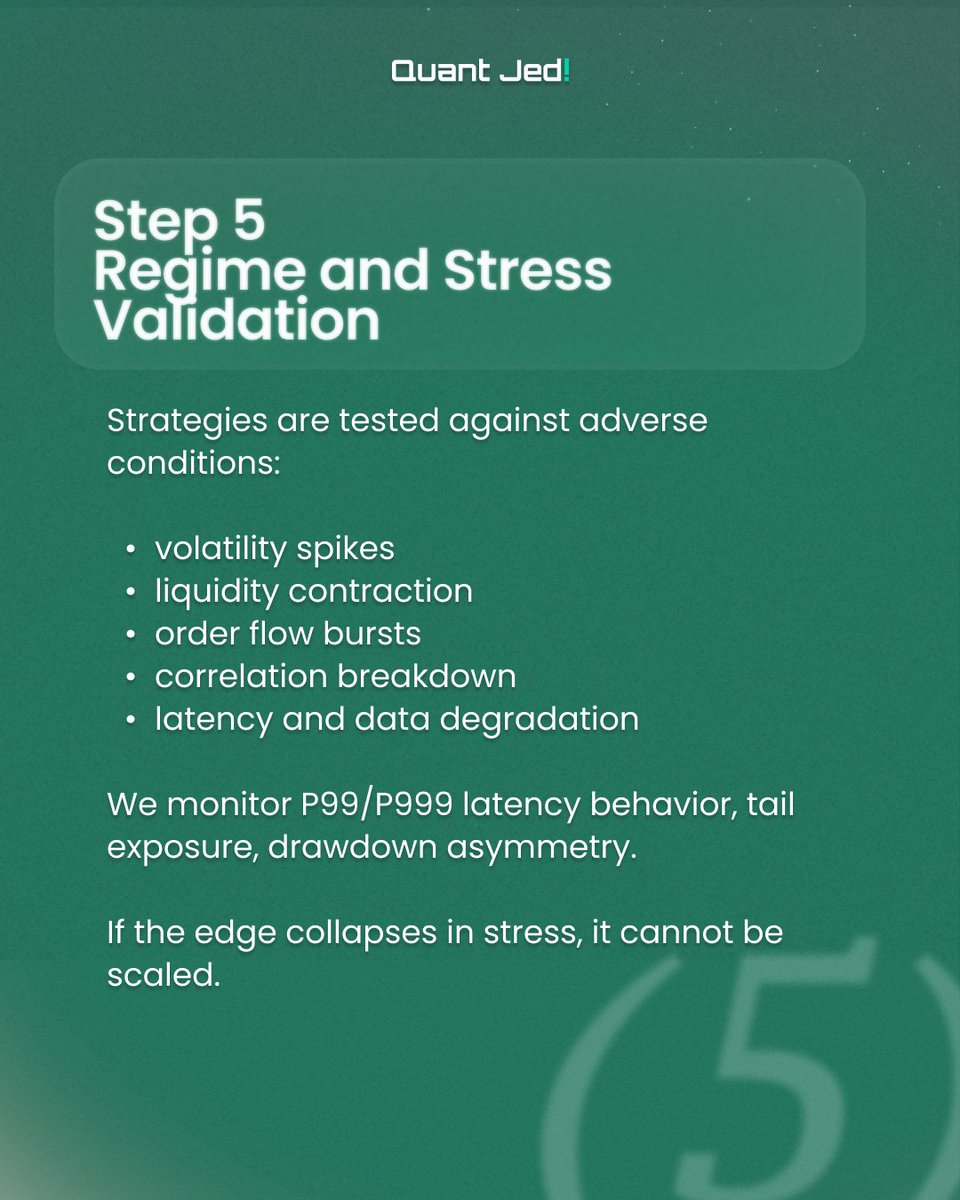
7. Tail Risk Control — volatility spikes, liquidity compression, structural microstructure changes, sudden liquidity gaps.
How we write code and manage infrastructure
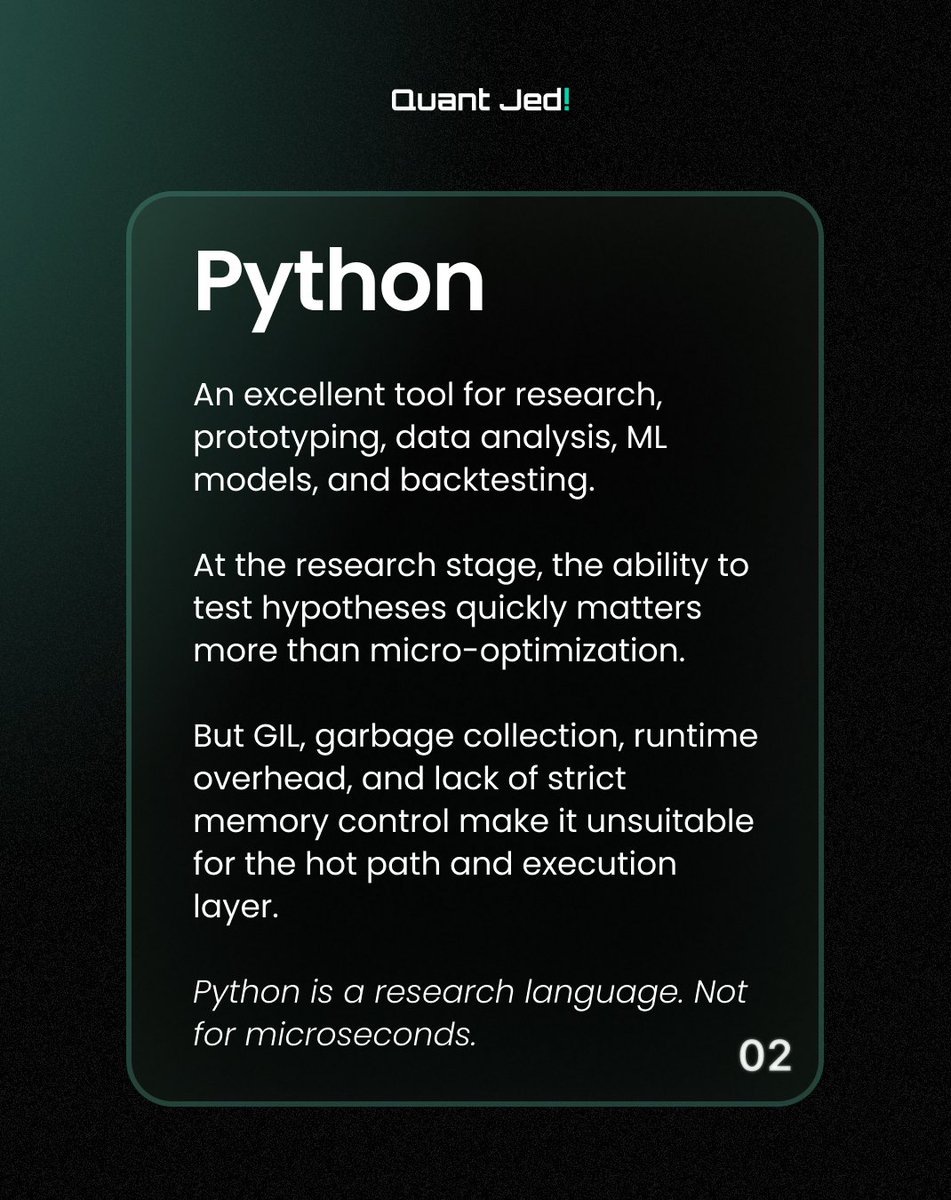
In #HFT, the programming language is not a matter of taste. It is a choice of architectural constraints.
Latency, memory safety, determinism, concurrency — everything starts with the language.
We work in Rust. And that’s no accident.
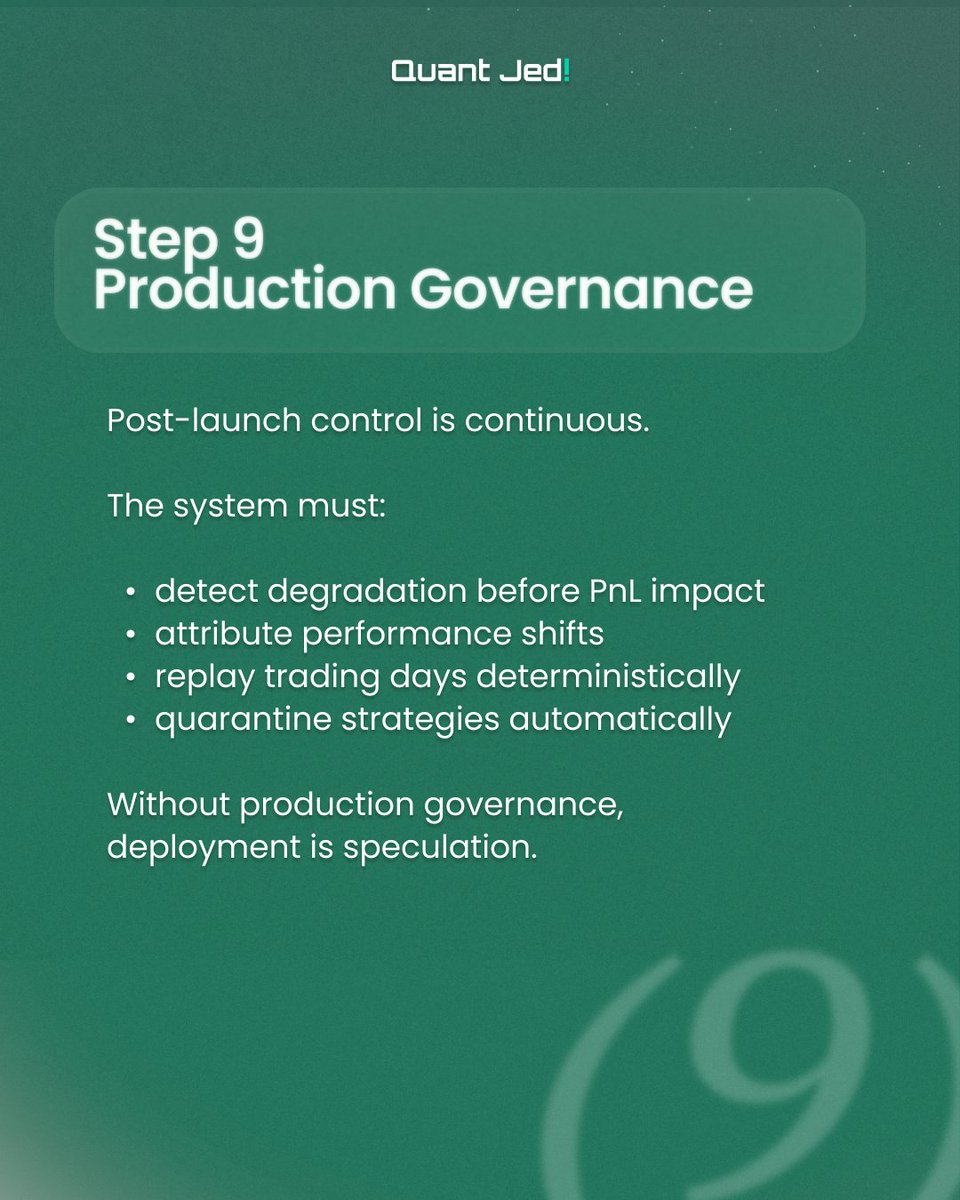
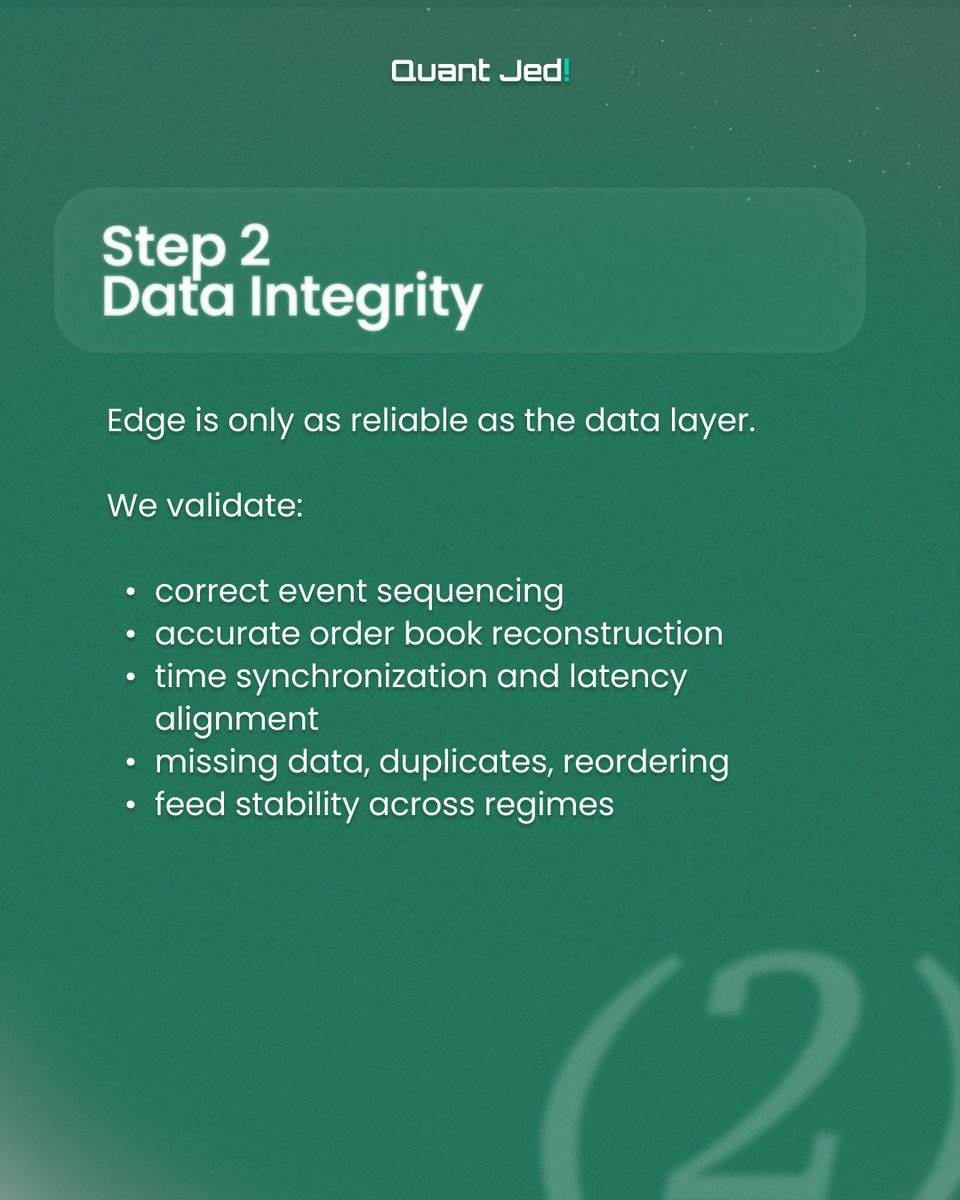
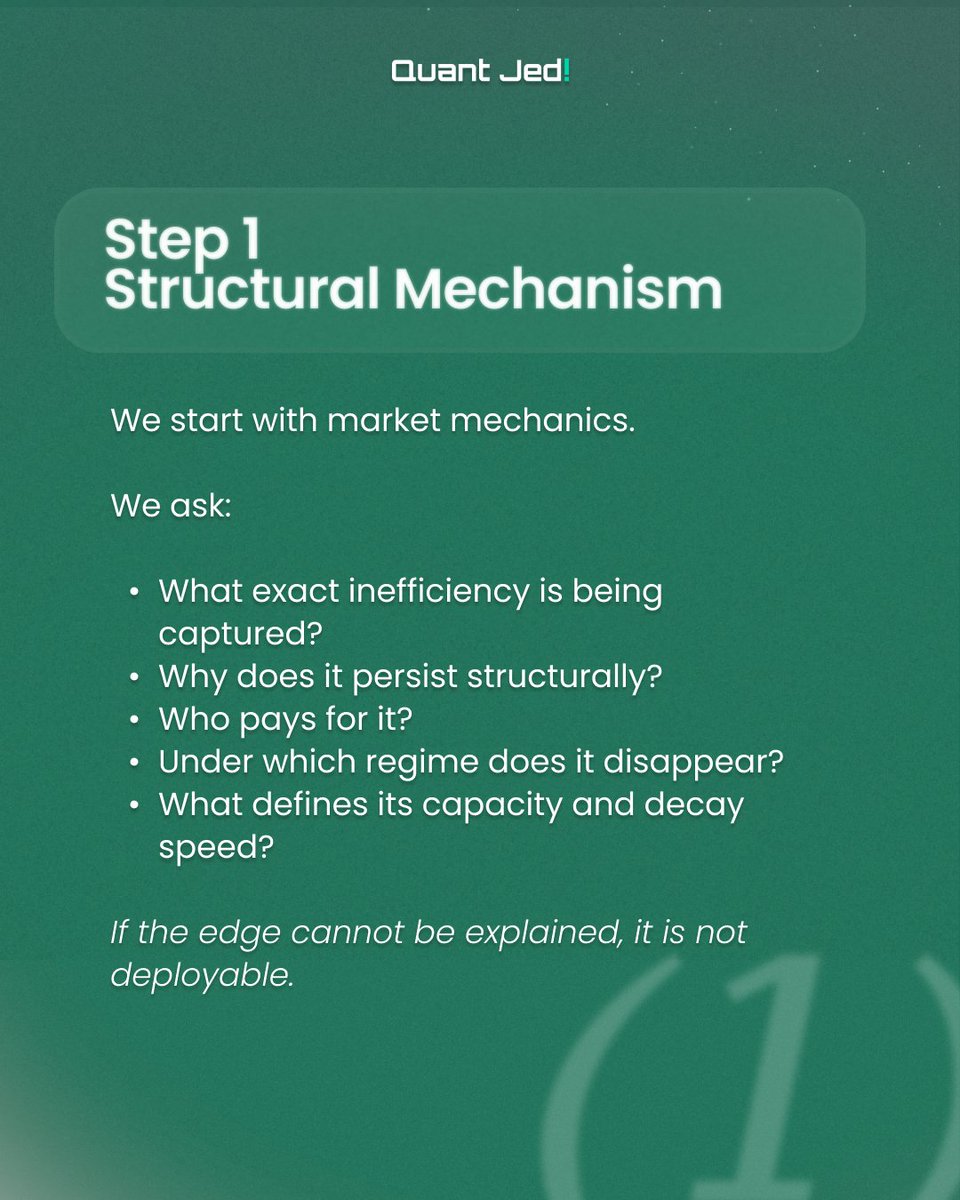
A clean backtest is just the beginning. From there, the strategy goes through a series of filters and most ideas don’t survive them.
We treat development as a validation pipeline. At every step we’re asking: does this still hold under real conditions?
How it works on our side⬇️
A model can be statistically correct. A backtest can look perfect.
In #HFT, that guarantees nothing.
Profit depends on how your order interacts with real liquidity, real latency, real queue dynamics, and real competition.
Execution is the PnL engine.
Why? Read the cards.