💡 AI alone isn't enough and these headlines make that clear
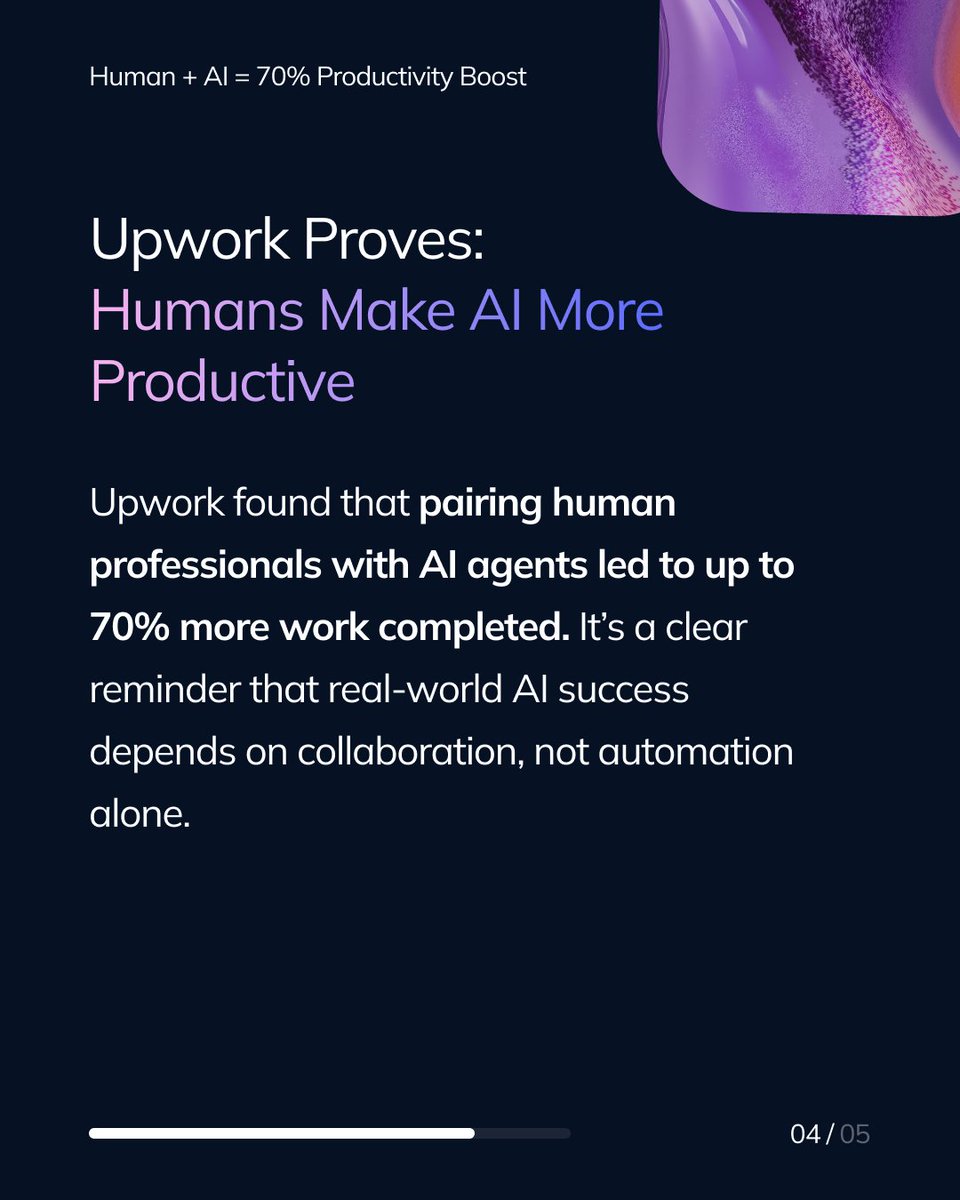
Recent stories all point to the same truth: AI works best when humans are in the loop. Successful AI is currently only possible with high-quality data, aligned context, and human oversight.
⬇️ ⬇️ ⬇️ ⬇️ ⬇️
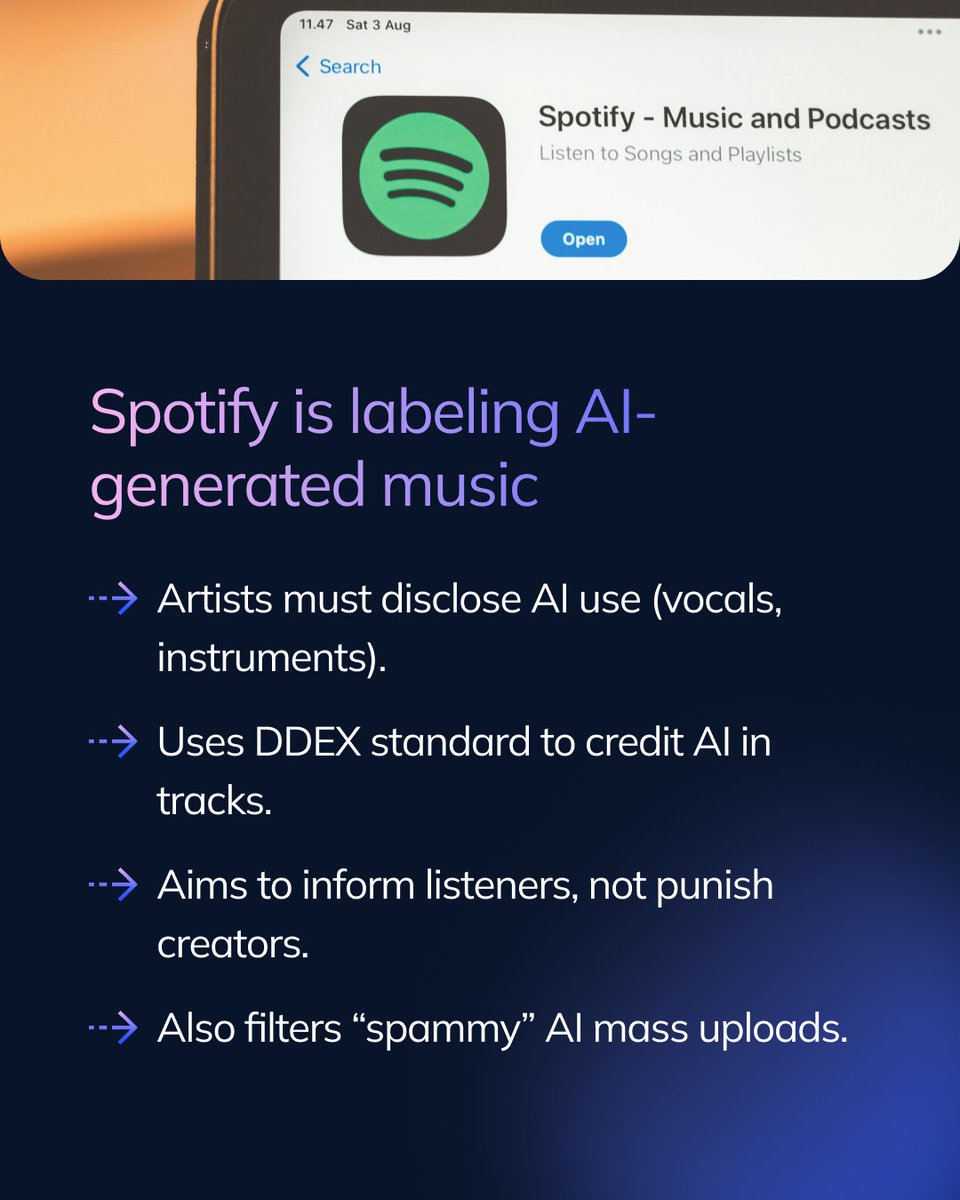
🎧 AI is making music and video but are platforms telling us what’s real?
Spotify just introduced new rules to label AI-generated music.
OpenAI quietly updated Sora to give creators more control.
Transparency in AI media is no longer optional, it’s the next big thing.
If you’re feeling a bit of whiplash from how fast AI is moving, you’re not alone.
On World Mental Health Day, a gentle reminder: progress and pace are not the same thing. Go fast when you can, go slow when you must, and look after each other along the way. 💚
This has massive implications for how we train and evaluate models.
OpenAI openly states this is far from solved and that more research is needed. But one thing is clear: The path to safe AI runs through better data.
👇 What’s your take on this research?
Can we really train AI not to deceive?
That’s the question OpenAI tackled in its new anti-scheming research, and the results are both promising and deeply revealing.
✅ Outsourcing annotation — when done with the right partner — gives you:
- Consistency at scale
- Flexibility to ramp up or down
- More time to focus on the model
Ask yourself:
What’s the real cost of keeping this in-house over the next 6 months?
🧠 Thinking of handling data annotation in-house? Read this first.
At first, it seems like the smart move:
- Full control over the data
- Faster turnaround (you think)
- Lower cost (on paper)
But here’s what many AI product teams discover 👇🏻
- Finding qualified annotators takes longer than expected
- Quality control becomes a full-time job
- Building internal tooling eats into dev resources
- Scaling up? Chaos.
What looked like a cost-saving decision turns into a bottleneck.
We’ve seen this pattern again and again.
Outsourcing is now about choosing the right partners, building transparent pipelines, and treating labeled data as a strategic asset.
As AI becomes increasingly data-hungry, the quality of your annotation process may be the most important competitive edge you have.
More AI teams are no longer treating data annotation as a side task or a temporary phase. Instead, they’re baking it into their long-term product strategy and choosing to outsource it intentionally from the start.
Priorities are maturing, and we see it in our work daily.
The debate around quality vs. quantity in AI training data isn’t going away. Some use cases demand billions of diverse examples. Others perform better with fewer, carefully curated samples.
The real challenge? Knowing when to prioritize one over the other.
A recent lawsuit over AI training data practices shows just how high the stakes are.
The message for AI teams is clear:
You need to know where your data comes from, have the right permissions and systems in place to defend it.
How is your team handling data provenance today?
Our mission has always been to transfer human insight into machine intelligence. We deliver on that mission across LLMs, gen AI, and data collection, grounded in ethics and quality.
Explore our vision and capabilities on our new website: https://t.co/n4fFOFZLup