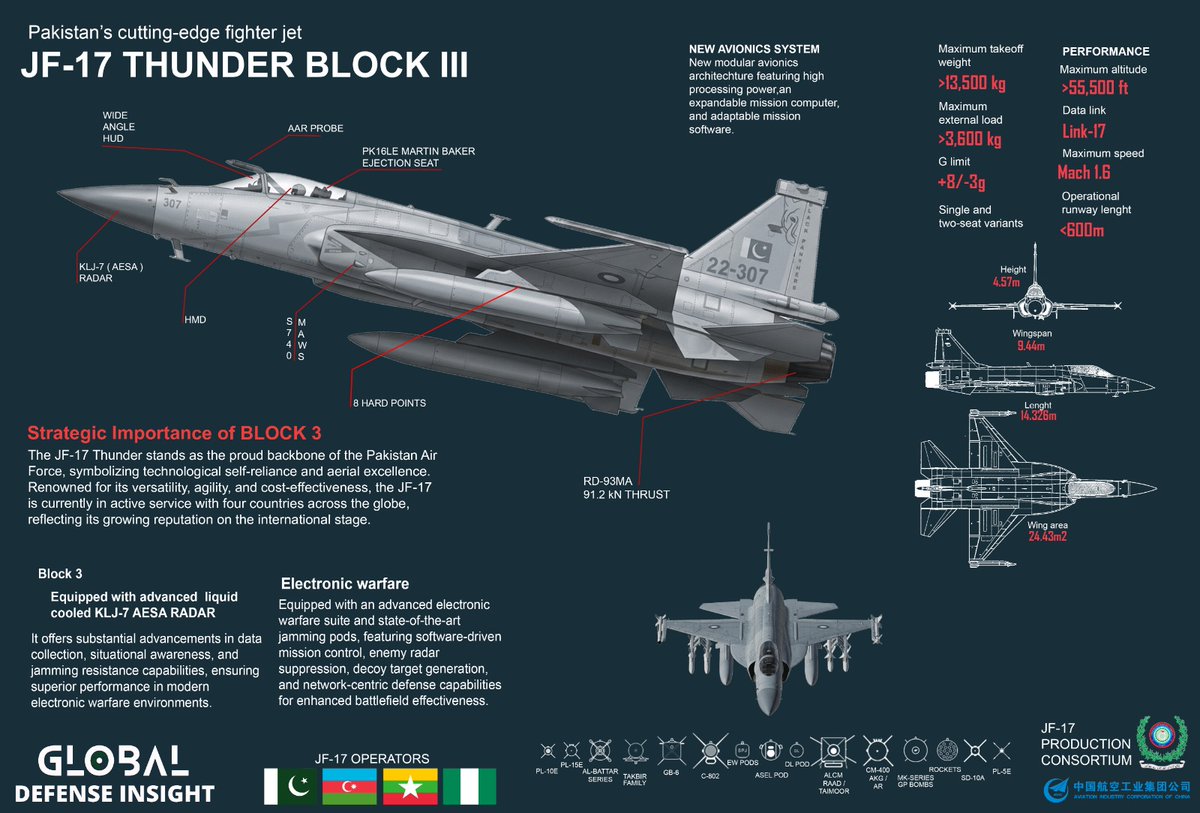
The JF-17 Block III represents an important upgrade, reflecting Pakistan’s attempt to build a cost-effective, network-enabled, and electronically resilient combat aircraft tailored for contemporary aerial warfare.
ANKA-3, developed by Turkish Aerospace Industries, is a jet-powered stealth UCAV featuring a flying-wing design for reduced radar visibility and enhanced survivability.
ANKA-3: Türkiye’s Stealth UCAV for Next-Gen Warfare
ANKA-3, developed by Turkish Aerospace Industries, is a jet-powered stealth UCAV featuring a flying-wing design for reduced radar visibility and enhanced survivability. Equipped with internal weapon bays, it can conduct precision strikes while maintaining a low observable profile.
Designed for ISR, strike, and electronic warfare missions, ANKA-3 also supports network-centric operations, enabling coordination with manned and unmanned systems. Its combination of stealth, speed, and autonomy positions it as a key asset in Türkiye’s future airpower strategy.
#Türkiye #ANKA3 #UCAV #DefenseTechnology #Aerospace #MilitaryAviation
Shahed-238 may represent a notable upgrade in Iran’s loitering munition capability, with reported multi-mode guidance including GPS/GLONASS, EO/IR, and possible anti-radiation roles enhancing flexibility and resilience in contested environments.
The #Shahed 136 is an #Iranian made one-way attack drone used as a loitering munition, also known in #Russian service as the Geran-2. It is designed for long range strikes, is pusher propeller driven, and has been widely used in the #RussiaUkrainewar.
Thales Unveils TopStar Smart Receiver for Resilient Navigation in EW Environments
Thales has launched the TopStar Smart Receiver, a compact three-in-one solution delivering positioning, navigation, and timing (PNT) capabilities designed for operations in contested electronic warfare environments. The system ensures reliable navigation while maintaining operational effectiveness even under high levels of interference.
Engineered for integration across land vehicles, drones, and munitions, the TopStar Smart Receiver combines a miniature form factor with strong resistance to jamming and disruption. Built on Thales’ decades-long expertise in PNT technologies, the solution enhances mission continuity and supports modern forces operating in increasingly complex and electronically contested battlefields.
#Thales 🇫🇷 #DefenseTechnology #ElectronicWarfare #PNT #MilitaryInnovation
The UK Ministry of Defence’s rapid contract with Cambridge Aerospace for Skyhammer drone interceptors targeting deliveries as early as May signals an accelerated procurement model rarely seen in recent British defence history.
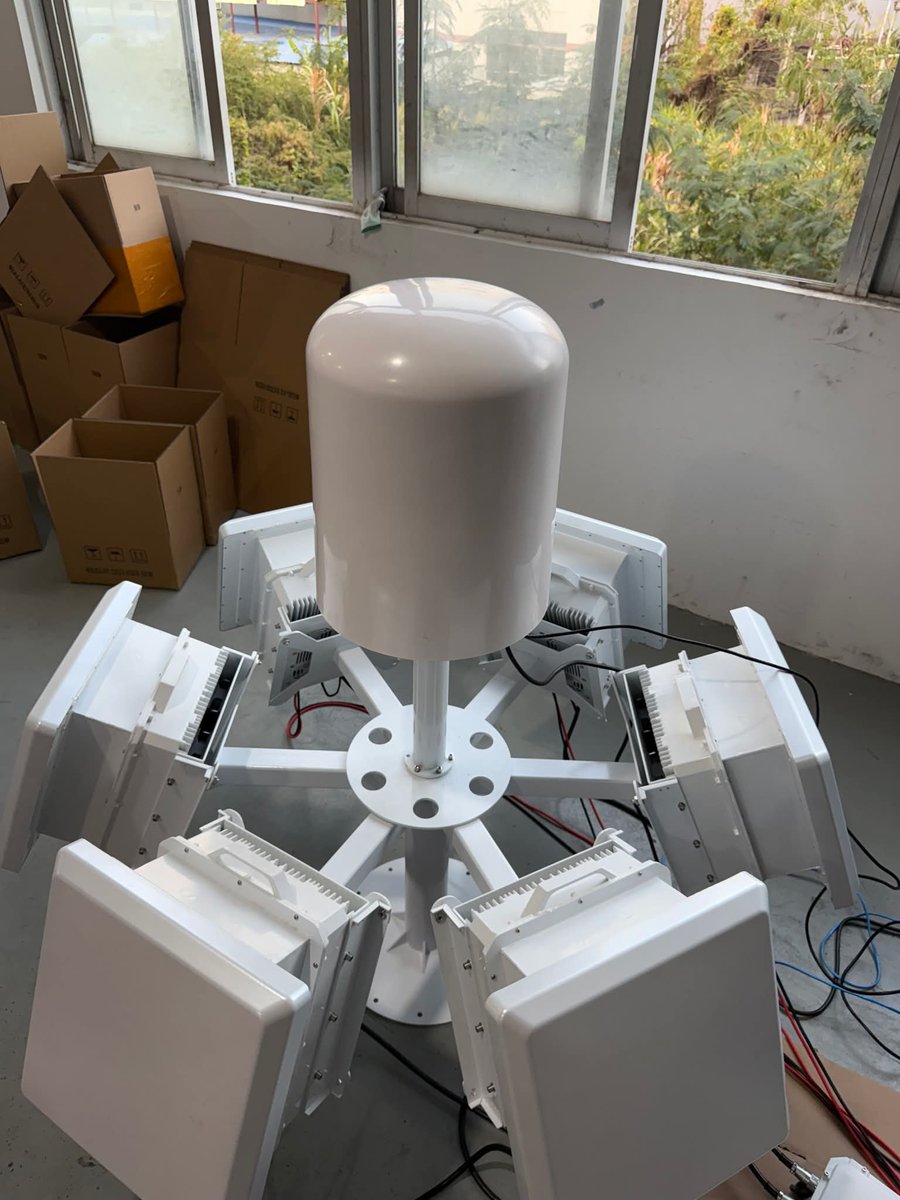
The lower module incorporates a high-power, directional jamming system divided into six sectors. It supports 6 to 12 selectable frequency bands and can effectively disrupt drone operations at ranges of up to 5 km.
A military-grade counter-drone system designed for advanced detection and neutralization.
The upper module utilizes spectrum-based detection technology operating across 70 MHz to 6 GHz, enabling it to detect, identify, and track drones at distances of up to 15 km.
World Defense Show 2026 (WDS 2026) kicks off today in Riyadh, Saudi Arabia, running from February 8-12 at a venue expecting over 106,000 attendees and 773 exhibiting companies.
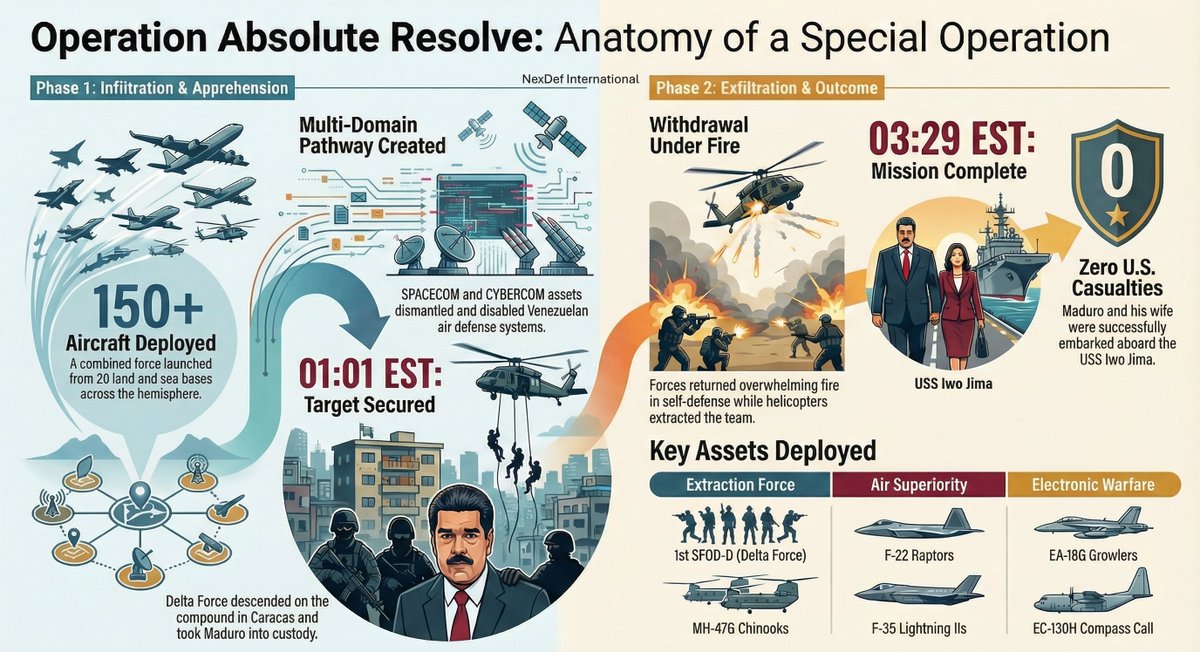
NEXDEF INFOGRAPHIC | OPERATION “ABSOLUTE RESOLVE”
This visual breakdown is an example of a tightly scoped special operation. It shows how multi-domain effects were sequenced to enable a short-duration apprehension mission, from large-scale air deployment and electronic warfare to low-altitude insertion, target securing, and rapid exfiltration under fire.
The timeline highlights how overwhelming air superiority, space and cyber support, and elite ground forces were combined to achieve a defined objective without escalation or prolonged presence. Useful reference for understanding how contemporary special operations are planned, layered, and executed for precision outcomes rather than sustained combat.
•
•
•
𝑵𝒆𝒙𝑫𝒆𝒇 𝑰𝒏𝒕𝒆𝒓𝒏𝒂𝒕𝒊𝒐𝒏𝒂𝒍
📅 Jan-04-2026
📘 𝑭𝒐𝒍𝒍𝒐𝒘 𝑵𝒆𝒙𝑫𝒆𝒇: 𝒇 | 𝑿 | 𝒊𝒏 | 📸 | 📱
Modern warfare is as much about defense as it is about offense. Here is a side-by-side comparison of the world’s top air defense systems, from the US Patriot to Japan’s Type 03 Chu-SAM.
#Military#Engineering#GlobalSecurity#AirForce#TechSpecs
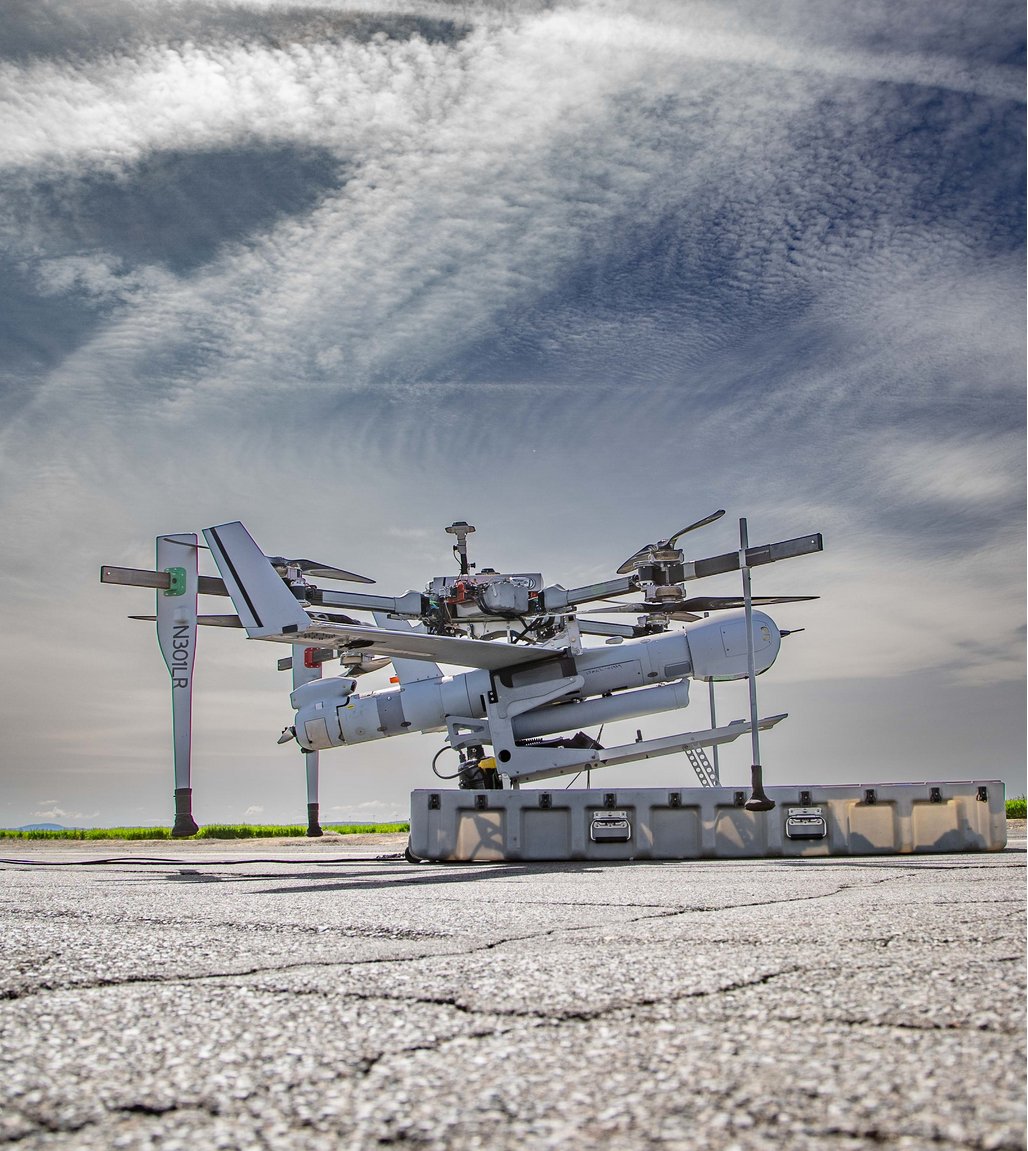
🇺🇸 Insitu (@Insitu_Inc) ScanEagle VTOL.
"ScanEagle has been operating in GPS-contested and denied environments since 2018. Alt-nav and other solutions available."
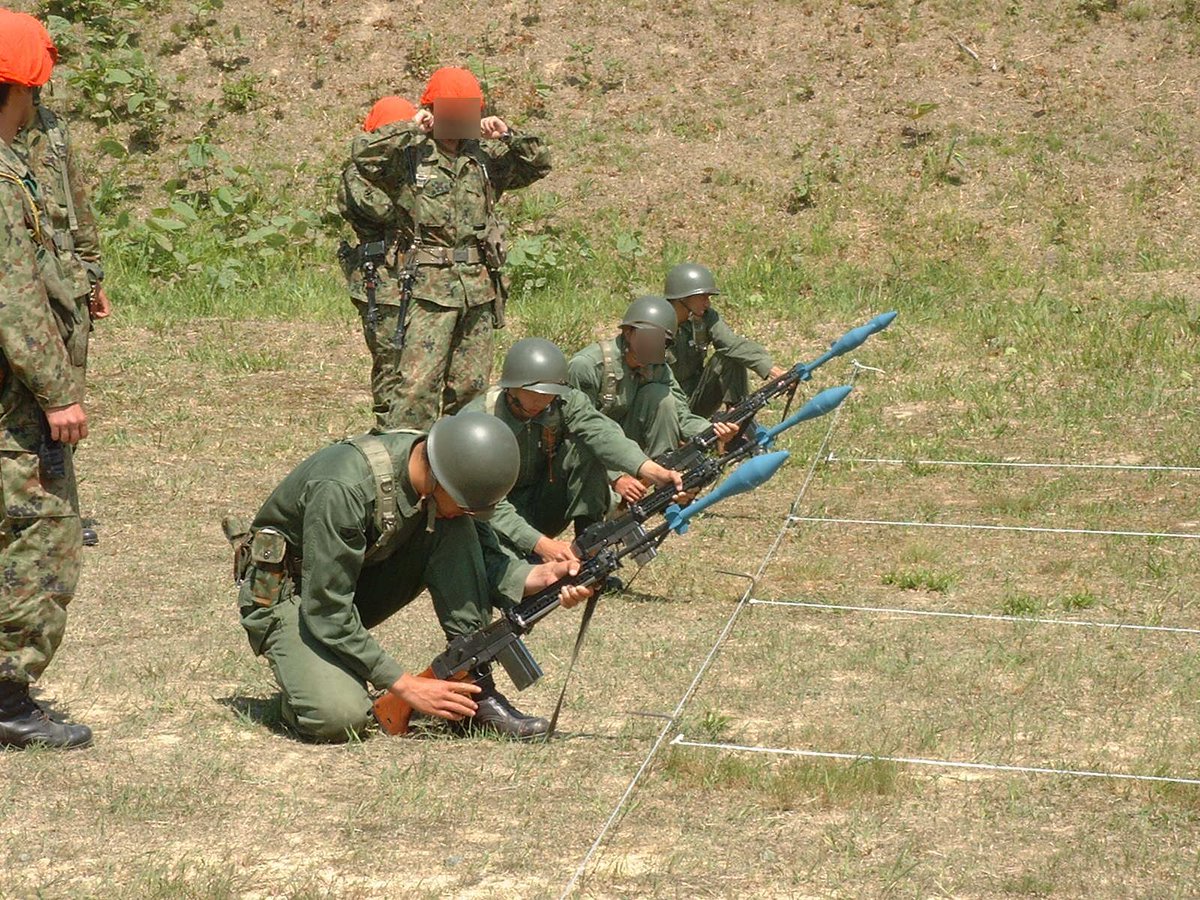
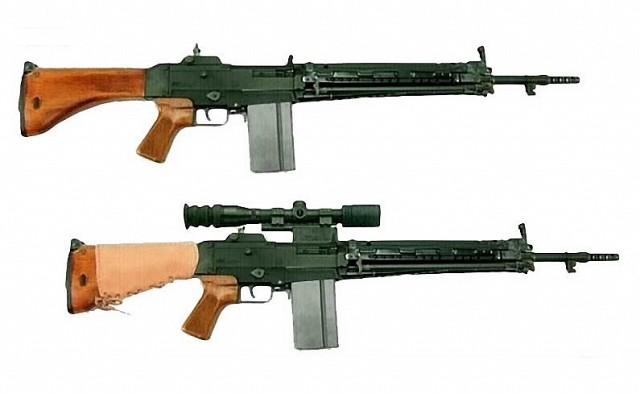
Howa Type 64 Battle Rifle - Japan 🇯🇵
The Type 64 marked Japan’s return to indigenous arms production after WWII; a rifle designed exclusively for the Japan Self-Defense Forces (JSDF) during the Cold War.
Built by Howa Machinery, it balanced precision and power while remaining uniquely Japanese in design philosophy.
Quick Specs:
Origin: Japan 🇯🇵 (Howa Machinery)
Caliber: 7.62×51mm NATO (reduced charge for better control)
Operation: Gas-operated, short-stroke piston, tilting bolt
Weight: ~4.4 kg (9.7 lbs)
Length: 990 mm
Barrel: 450 mm
Magazine: 20-round detachable box
Rate of Fire: ~500 rpm
Effective Range: ~400 m
Features: Adjustable gas system, built-in bipod (optional), and semi/full-auto selector
Insight:
Introduced in 1964, the Type 64 replaced surplus U.S. M1 Garands and M1 Carbines in JSDF service.
Because of Japan’s pacifist constitution, it was intentionally tuned for lower recoil and reduced lethality, reflecting Japan’s “defense-only” doctrine at the time.
Production costs were high, exports were banned, and usage remained limited to Japanese forces, but it became a symbol of national reindustrialization and technological independence during the Cold War.
The rifle’s gas system can be adjusted for suppressed fire; a rare feature for its era. It remained in service for decades and is still used by some training units today.
#WeaponOfTheDay #HowaType64 #BattleRifle #JapanDefense #JSDF #ColdWarWeapons #HowaMachinery #MilitaryTech #FirearmsHistory #MadeInJapan #Type64Rifle #DefenseIndustry #SmallArms #JapaneseEngineering #MilitaryHeritage
@OSINTWarfare@Clashreport@SputnikInt@trtworld@MeteksanSavunma@Baykartech@Defence_Index@Megatron_ron@e_amyna@WarMonitors@DefenceTurkey@vcdgf555@tcsavunma@dragons_fi@Defense_Talks@ISGofficial_@JunaidAbbxs@TacIns75@SouthAsiaIntel@nex_def@QuantumShield01
The Hermes 450 is a medium-sized, multi-role tactical UAV developed by Israel’s Elbit Systems, known for its long endurance and modular payload versatility
NexDef Analysis| U.S. Ramping up Ammunition production
U.S. efforts to expand munitions production have accelerated over the past two years. Greater industrial capacity will support simultaneous conflicts and resupply partners such as Israel and Ukraine. As in Europe, the United States has focused on 155 mm howitzer ammunition and identified several bottlenecks.
Since February 2022, it has invested USD 4 billion and raised output from 14,000 to more than 40,000 rounds per month. Production is slated to reach 100,000 per month by the end of 2025. Raytheon plans to increase AIM-120 AMRAAM output to 1,200 per year by the end of 2024 to meet European and Ukrainian demand for NASAMS.
Lockheed Martin has raised Javelin production by 15% to 2,400 per year in 2024 and aims for 3,960 per year by the end of 2026. The company is also ramping annual production of HIMARS launchers to 96, GMLRS rounds to 14,000 by the end of 2025, and Patriot PAC-3 MSE missiles to 650 by the end of 2027.
The United States remains concerned about torpedo and long-range missile stocks needed for a potential conflict in the Indo-Pacific. Missile strikes against Ansarullah in Yemen in 2024 strained the Navy’s Tomahawk stocks. The Navy aims to double Tomahawk production by 2027, but supply-chain constraints, especially in electronics and rocket motors are slowing progress.
The US Army Modernization Strategy for air and missile defense (AMD).
In 2019, the US Army released its Modernization Strategy with six capability priorities, including air and missile defense (AMD). It consolidated several ongoing programs and requirements, some first outlined in the 2012 Air and Missile Defense Strategy. The most significant efforts are M-SHORAD, IFPC, LTAMDS, and IBCS.
To accelerate fielding, the Army used rapid acquisition pathways such as the Middle Tier of Acquisition (MTA) and split requirements into separate increments. This delivered some early results. Technical hurdles still slowed development beyond the five-year MTA window—LTAMDS is a key example.
Russia’s war in Ukraine and other adversary advances have raised AMD’s priority. The 2024 Army Force Structure Transformation plans to double M-SHORAD battalions from four to eight and add four new IFPC battalions, for a total of nine. Ambitions to integrate diverse AMD systems under the IBCS command-and-control architecture remain challenging due to hardware and software issues.