Frustratingly, cities across California are using fire zones and fire code to stop housing development in the wealthiest parts of the state. Read the latest from Obasi Shaw, our summer legal intern (and Stanford JD/PhD student) ⬇️
The best case scenario for AI is, of course, it allows us to usher in heaven on earth. Perhaps literally, in an postmillenarian sense.
But failing that, a pretty good outcome would be that it enables so much spam and fraud that it forces business and society back into real life.
@DanielKayHertz@enlchicago Thanks! Did not expect it there, but makes sense now that I think about it—maybe a lingering effect of mid-20th c. middle-class black flight from the blackbelt.
@CSElmendorf My kids' after-school program organizes a 4-day group camping trip to a destination without cell service (and significant practical barriers to leaving), and it is fantastic. ~150 people with little or no contact with the outside world for 4 days. It's fantastic.
LA’s city attorney has been one of the most prominent elected officials — and especially legal officials — opposed to state housing legislation to boost density in cities, most notably SB 79. And she’s been ousted in the primary
@u_chill@JeremyELevine@angelaswartz Or the city could just approve the project, not pay any attorney fees at all, and collect more property tax revenue than before because the land is being used more productively. Everybody wins!
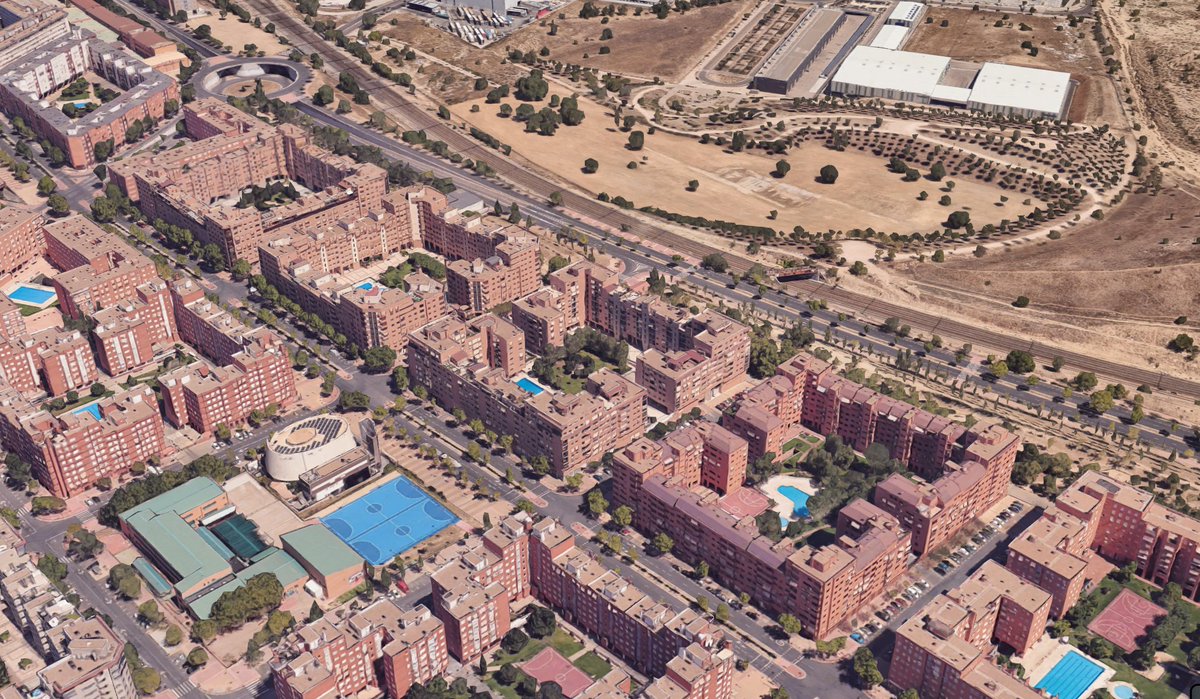
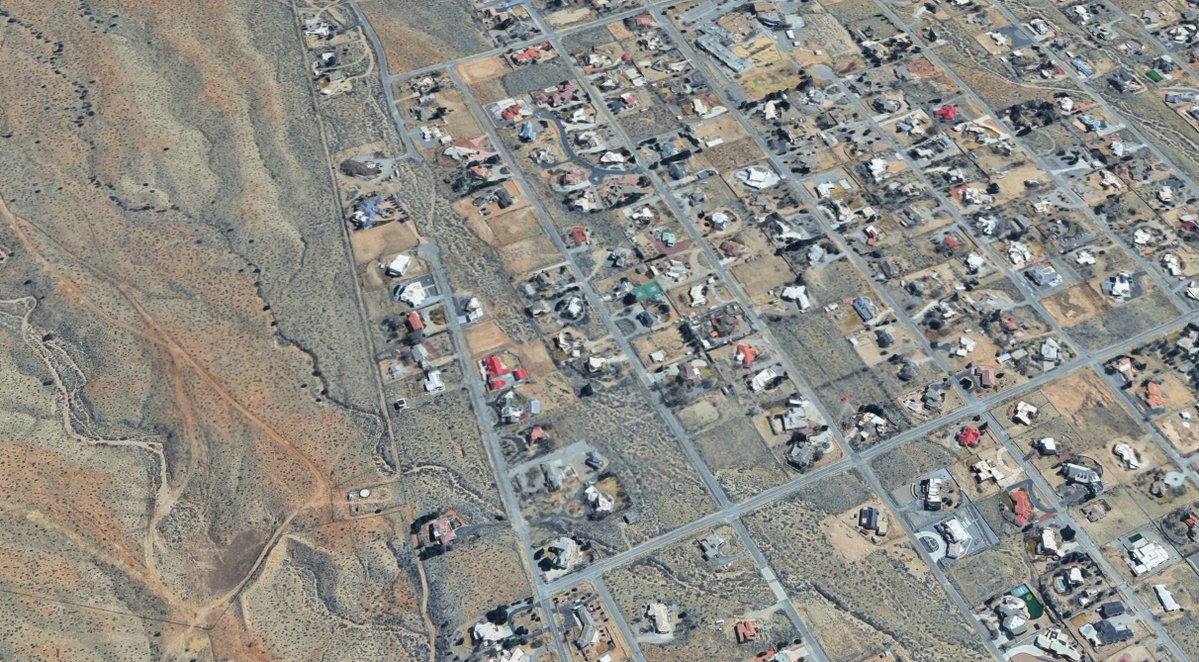
Almost all of the cities of the West sprawl, with high rise cores giving way to mid-rise blocks, to rowhouses, to detached homes, to exurbs and only then to countryside. One country stands out as an exception: Spain.
Even today, Spanish cities expand in mid-rise blocks including shops and businesses, served by extensive metros, and structured in traditional courtyard blocks. The style of the facades has changed, but in other respects they are still close to the urbanism of Barcelona’s nineteenth-century Eixample neighbourhood.
This is extremely distinctive. Americans often imagine that all European cities are like this, but actually most Europeans switched over to car-dependent suburbia in the twentieth century, much like the American norm.
https://t.co/0Z7tN9KTkC
Why did Spain diverge?
- Spain remained very poor until late in the twentieth century, limiting suburbanisation. By the time Spain was rich enough for suburbs, new urbanist ideals were already beginning to appear.
- Traditional Spanish flat-building practices were not decimated by rent controls as they were in France and Germany, avoiding a forcible switch to owner-occupied single-family houses.
- The Spanish state still plans street networks like European and American municipalities in the nineteenth century, and Spanish landowners normally pool their land in land readjustment schemes to create a unified landowner.
Spain never really had a conscious plan to diverge from international urban norms – the divergence happened partly by accident. But it shows that multiple ways of building cities remain possible in affluent societies.
Today, hundreds of Asian cities are near the densities and GDPs of Spain in the 1960s, when the Spanish Divergence began. If they want, they can choose the Spanish path, and grow like modern Madrid (left) rather than modern Alburquerque (right).
Ballots have already dropped. The primary is June 2.
Take a moment to celebrate hard-won progress - then fill out your ballot and get back to work!
Full assessment of each candidate here: https://t.co/wPhPcZdOGn
Becerra sued a city under the HAA and won.
Steyer backed SB 79 when it was costly to.
Porter has shown rare willingness to say no to allies.
Mahan cut fees and unlocked 2,000 homes in San Jose.
3,300+ word assessment of the candidates, and 3 asks for the winner:🧵
Proof that monitoring and enforcement gets results: in 2024, @CityofPismo approved a permit for RV storage on a site that the City had planned for 43 lower-income units in its Housing Element site inventory, without making up for the capacity elsewhere. 1/4
Both liberal and conservative states are covered in destructive SF zoning. Both liberals and conservatives are hypocrites about it: liberals, because they claim to support diversity and social advancement; conservatives because they claim to support the free market.
In Princeton NJ, where the median home costs $1 million, residents are fighting a plan for 238 apartments on the grounds of a former seminary. Leading the resistance: historian Sean Wilentz. "We are being accused of being racist," he said.
@timcraigpost: https://t.co/tK09K2aWuf
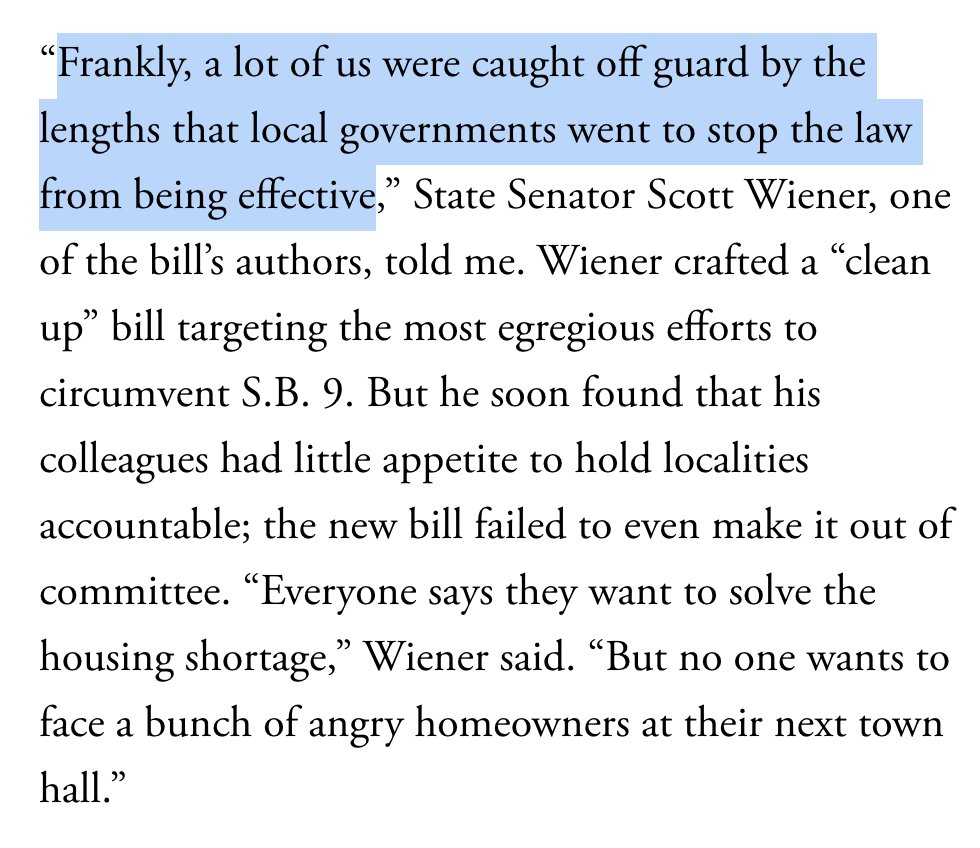
Excellent new reporting from Rogé Karma on California's everything-bagel problem, and the difficulty of overcoming municipal resistance to density in single-family-home neighborhoods.
https://t.co/vghYFRRv9H
Join our team! We are hiring a planner to be part of our monitoring and enforcement team. Recent planning school graduates are welcome to apply. See job description here:
https://t.co/bNMZbzv1w6