Racialized communities bear the pitfalls of a fragile Economy the most
they already cannot afford essentials
Food banks have become a must visit even for the working class...
Please fix the uneven landscape
Resources priority should be given to communities in need @CanadianPM
Providing Support looks many different ways... racialized communities face many intergenerational challenges in their daily lives.
We are A body ready to Support Individuals and Groups..
@RaçializedCoNet
We are on the fringes
Yet we are strong 💪
You may see us smile
Yet our nights are long
With dread of mankind's losses
Union with all Forces..
Happy New 2026..
Reach out if need be
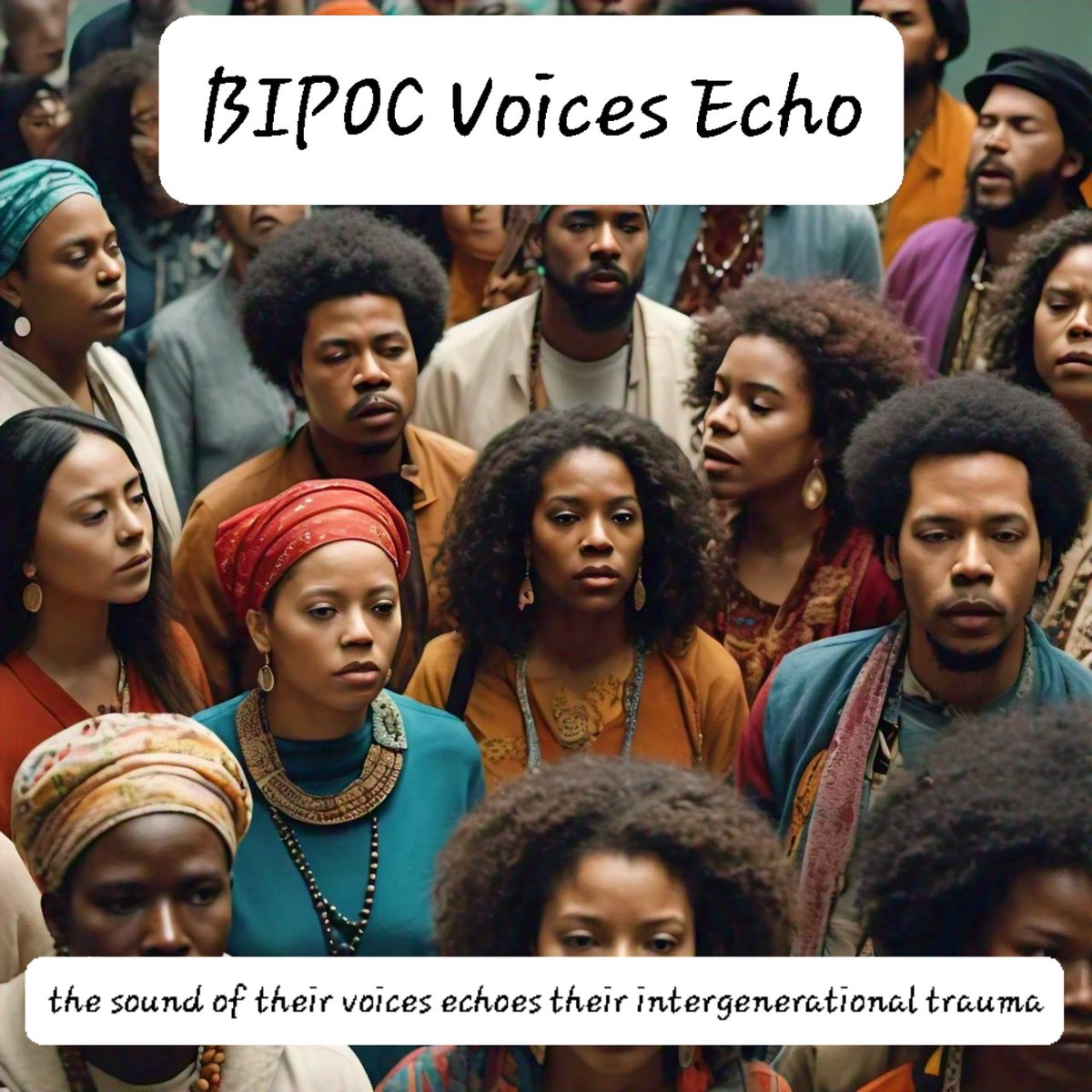
As the world becomes increasingly aware of the need for diversity & inclusion, one resounding message continues to resonate: "BIPOC voices echo"
BIPOC voices have long been sidelined & silenced, we ought to recognize the importance of amplifying these voices.
BIPOC voices echo💥
So, why is it important for BIPOC voices to echo? The answer is simple: representation matters. When individuals see themselves reflected in the stories, ideas, and decisions being made around them, it not only validates their experiences, but also inspires future generations.💯
@BipocVoicesEcho through the corridors of history, demanding to be heard & amplified. 4 2 long, systemic silence & marginalization have muffled their stories, experiences & perspectives. But today, a new generation of BIPOC leaders are rising up, reclaiming their narratives.🤑🤔
Deconstructing The Charter in Relation to BIPOC Communities-
The Charter of Rights and Freedoms is a fundamental document that outlines the rights and freedoms of all individuals in Canada. It forms the cornerstone of our democracy, ensuring that every Canadian is treated with dignity and equality. However, for BIPOC (Black, Indigenous, and People of Color) communities, the charter has not always lived up to its promise. In this article, we will explore the relationship between the Charter of Rights and Freedoms and BIPOC communities, and how it has evolved over the years.
The Charter of Rights and Freedoms was enacted in 1982, and it guarantees all Canadians certain fundamental rights and freedoms, including freedom of expression, religion, and peaceful assembly. It also guarantees equality before and under the law, without discrimination based on race, religion, gender, and other factors. However, despite these promises, BIPOC communities have faced systemic discrimination and inequalities, even after the enactment of the charter.
One of the primary reasons for this discrepancy is the lack of representation and consideration of BIPOC communities in the drafting and implementation of the charter. When the charter was being developed, BIPOC voices were largely absent from the decision-making process. As a result, the charter does not adequately address issues that affect these communities, such as racial profiling, police brutality, and access to justice.
Moreover, the charter's scope has been limited in addressing discrimination faced by BIPOC communities. While it protects individuals from discrimination by government entities, it does not extend to discrimination by private organizations. This has left BIPOC communities vulnerable to discrimination in areas such as employment, housing, and education.
However, over the years, the charter has been used as a tool by BIPOC communities to challenge discriminatory laws and policies. In landmark cases such as R. v. Lavell and R. v. Bartle, BIPOC women successfully used the charter to challenge discriminatory provisions in the Indian Act. These cases have paved the way for further challenges, leading to significant changes in Canada's legal landscape and providing more protection for BIPOC communities.
In recent years, the Canadian government has taken steps to address the shortcomings of the charter in relation to BIPOC communities. In 2017, the government introduced Bill C-16, which added gender identity and expression to the list of prohibited grounds of discrimination. This was a significant step towards protecting the rights of transgender and gender-nonconforming individuals, who are often marginalized within BIPOC communities.
The charter has also been used as a framework for reconciliation with Indigenous peoples in Canada. The inclusion of section 35, which recognizes and protects the rights of Indigenous peoples, has been crucial in addressing historical injustices and promoting reconciliation. However, there is still much work to be done to fully address the legacy of colonization and its continued impact on Indigenous communities.
In conclusion, while the Charter of Rights and Freedoms has been an essential document in Canada's history, it has not always provided equal protection for BIPOC communities. The lack of representation, limited scope, and systemic discrimination have hindered its ability to fully protect the rights and freedoms of these communities. However, with ongoing efforts to address these issues and the charter's potential as a tool for change, we can hope for a more just and equal future for all Canadians, regardless of their background.
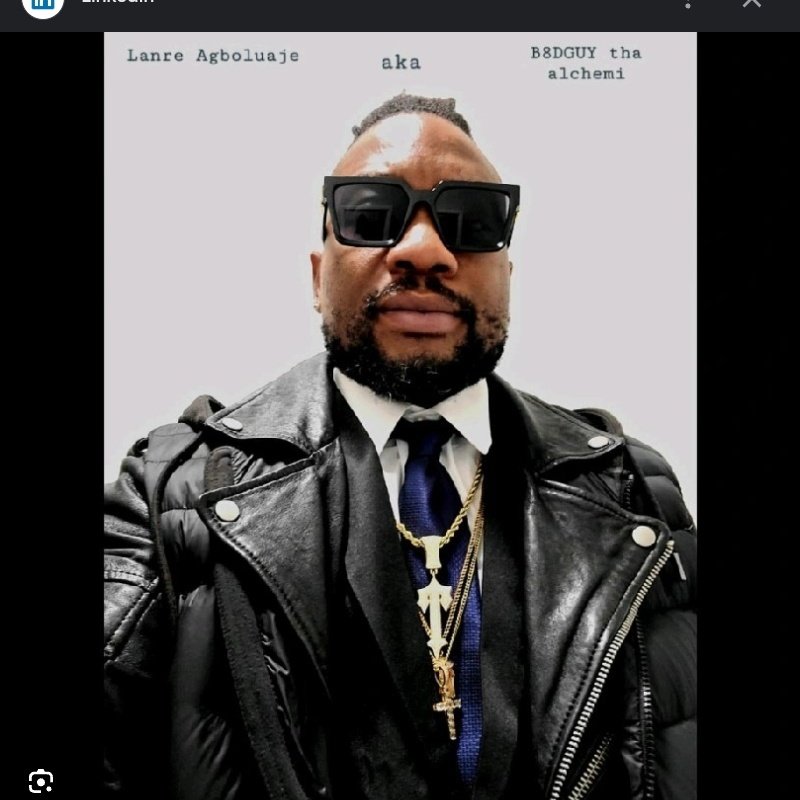
Lanre Agboluaje-
Author
For
@indegenousblack
We Stand in Solidarity with the People's who have been treated unfairly and have had intergenerational trauma due to the mistreatment and enslavement of their race!
https://t.co/1OMNzhPSRH
Rosicrucian Reflections-
"There are many names for the source of knowledge—the Absolute, the Cosmic, God, the Divine Spirit, the Transcendent —yet the concept is one; it is the Universal Manifestation, the Spiritual Essence, that pervades all things. And, it is this entity, this Universal Oneness, that the mystic seeks to know."
-Rosicrucian Manuscript
https://t.co/NsgWNypiNr
Shadows of Potential-
In the quiet of the night,
outlines of dreams loom,
flickering like distant stars,
promises of who I might become
hiding behind the veil of self-doubt.
The clock ticks, relentless,
as I stand still,
roots deep in the soil of what ifs,
branches reaching for the sky,
yet my leaves are pale with longing.
A whisper of voices curdles the air,
“What have you done?
Where is the spark of your brilliance?”
Each syllable a weight,
pressing down, demanding,
the echo of unachievement—
a shadow that stretches,
filling the corners of my mind.
What if I falter in the light?
What if I never break the surface,
remain unseen,
a stone cast into the depths,
a ripple swallowed by the dark?
I navigate the maze of expectation,
where success is a ghost,
flickering just out of reach,
and every step I take is heavy,
laden with the promise I’ve yet to keep.
But in this trembling space of fear,
I gather the shards of courage,
to craft a mosaic from my failures,
to light a candle against the shadow,
to whisper softly,
"I am still becoming."
And with each faltering breath,
I step into the unknown,
the horizon a canvas of possibility,
where unachievement
is merely a pause,
a part of the journey,
where every scar
is a testament of trying.