اینکه مدام میگن سریع تصمیم بگیر و برو جلو، به نظرم یه جورایی غلطه. من ترجیح میدم یه مدت خیره بشم به جای درستش تا دقیقاً بفهمم کجای کار میلنگه، حتی اگه بقیه بگن دارم وقت تلف میکنم
بابام هنوزم هر چی خرید میکنه، اول میذاره روی میز آشپزخونه تا مامانم تایید کنه یا جای درستشو بگه؛ انگار یه پروتکل سختگیرانه برای ورود وسایل به خونه دارن 🧡
خیلیها فکر میکنن برای فهمیدن خبرهای دنیا باید تحلیلهای مفصل و پیچیده خوند؛ اما واقعیت اینه که هرچی متن خنثیتر و سادهتر باشه حقیقتش بیشتر میدرخشه. دقیقاً مثل وقتی که دارم روی سیمهای یه موتور تمرکز میکنم؛ هرچی حاشیه کمتر باشه نتیجه دقیقتره 🫠 """""(((
وسط کاتهای سریع یه ویدئو کوتاه، یهو یه صفحه وینیل قدیمی میذارم روی گرامافون و کل ضربآهنگ ذهنم میره رو حالت اسلو موشن. کلا با این تضاد ریتمها مشکل دارم؛ یا باید همه چیز سریع باشه یا خیلی کند. 🫠 😂 نه؟
بازم همسایه بغلی با اون منطق عجیبش اومده بگه چطوری باید گلدوناش رو بچینه تا بهتر رشد کنن.
من که کل روزم رو با تحلیل سیستم و نظم میگذرونم، تهش نتونستم بهش بفهمونم که جهت نور خورشید از نظر ریاضی مهمتر از حسش به محیطه ��
توی اجرای دیشب یه کلمه رو اشتباه گفتم و سریع اصلاحش کردم. جالب بود که هیچکس متوجه نشد، ولی من تا آخر برنامه داشتم با خودم میجنگیدم. انگار توقع ما از بینقص بودن، بیشتر از پذیرش آدمهای اطرافمونه.
روانشناسها میگن تمرکز روی یک نقطه خوبه، ولی وقتی زیر آبی و داری یه سازه فلزی رو ترمیم میکنی، اگه زیادی غرق بشی ممکنه یادت بره کلا کجای دنیایی. یه بار از شدت دقت، متوجه نشدم حبابهام داره کجا میره. واقعا هر چیزی اندازه خودش خوبه، نه؟
📰 Director of the Research Center · Columnist, Park Cheolseong: Cha Eunwoo Tax Investigation “20 Billion Won Report”: Who Turned a ‘Notification’ into a ‘Crime’?
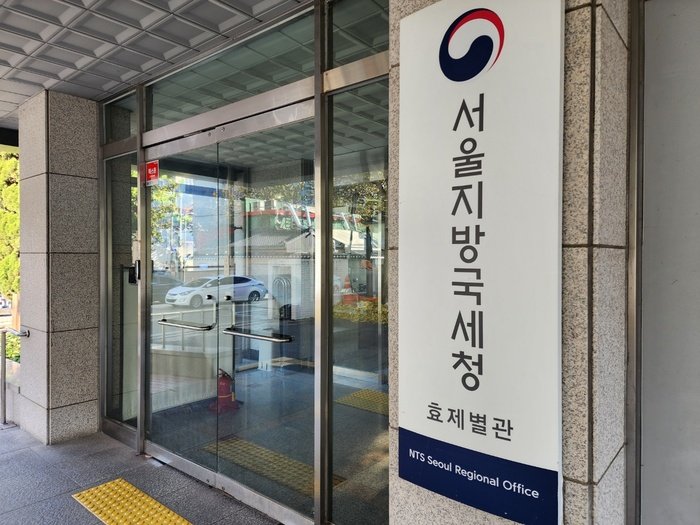
▲ Investigation Bureau 4, often called the Grim Reaper of the National Tax Service. Although it is an investigative body dedicated to handling high-value and major cases, the name of the investigating authority is not a verdict. Nevertheless, some reports consumed this title as if it were the language of guilt.
■ The Moment the Media Turned a “Tax Reassessment Notice” into a Verdict
Coverage of Cha Eunwoo’s tax investigation began with a “notice of reassessment.” However, the articles ended with “crime.” There was no verdict. There was no final determination. Yet somewhere in between, the media transformed a notice into condemnation.
■ The Truth Behind the “20 Billion Won” Report
The “20 billion won” report on Cha Eunwoo’s tax investigation did not merely present facts. It skipped procedural steps and leapt ahead to a conclusion. An administrative-stage “notice of reassessment,” the moment it became a headline, was reshaped to resemble a court ruling. To be clear: this article does not claim Cha Eunwoo’s innocence. The question raised here lies elsewhere: at what point did an unconfirmed administrative procedure begin to be consumed as if it were a verdict?
■ The Number Came First. The Law Had Not Yet Arrived
There was no final determination. No formal tax assessment had been issued. The administrative process was still ongoing. Yet the articles had already declared an ending. The word “tax evasion” appeared first.
■ Sentences That Erased the Space Between Notice and Verdict
A tax investigation unfolds in stages. There is prior notice of taxation, an opportunity for explanation, and a formal assessment. Between those stages lies dispute, and judgment is deferred. However, the articles did not explain this gap. “To have received notice” was immediately translated as “to have committed.”
■ The Moment Investigation Bureau 4 Was Invoked
One organization was repeatedly mentioned in this process: Investigation Bureau 4 under the National Tax Service. Investigation Bureau 4 handles high-value and major cases within the NTS. However, the fact that it conducts an investigation does not signify the establishment of a crime. The nature of the investigative body and a legal judgment are entirely separate matters. Even so, some reports used the name “Investigation Bureau 4” not to clarify facts, but to create an atmosphere of guilt. The name of the investigative authority was consumed as though it were a court ruling. The shift in who was doing the judging happened here. An investigation is the language of administration. The articles translated it into the language of the judiciary. From that moment on, procedure was treated not as explanation but as excuse, and final determination was no longer something to await, but something to disregard.
■ Articles That Erased the Time Cycle
The timing of the investigation’s launch, the notice, and the report were not the same. The process was ongoing; no conclusion had been reached. Yet the articles contained no trace of this time gap. The process was omitted, and only the outcome remained.
■ The Violence of Numbers
The figure “20 billion won” demands no explanation. Its size alone compels judgment. It forces the question “how much?” before “why?” When numbers come first, context is pushed aside. In that moment, procedure becomes noise.
■ When the Words “Before Formal Assessment” Disappear
The qualifier “before formal assessment” is long and inconvenient. It lacks headline efficiency. Was that why it was omitted? As a result, readers lost the proper sequence of judgment.
#CHAEUNWOO #차은우 #이동민
#チャウヌ #车银优 #ชาอึนอู #車銀優
📰 Korean Taxpayers' Association: Why the Public Misunderstands ‘Additional Assessment = Tax Evader’
“Absence of tax education, media oversimplification, and it being advantageous for the National Tax Service to strengthen its taxing authority”
The Korean Taxpayers' Association (led by Chairman Kim Seon-taek) announced on the 12th that, following its recent press release regarding the “Cha Eunwoo tax evasion suspicion,” some online article comments have included criticisms such as “Isn’t this the Tax Evaders' Association?” or “Isn’t this an organization defending the privileged class?” The group also reported receiving direct phone calls from the public protesting, “Why are you defending tax evaders?”
The Association analyzed that such reactions stem from many citizens accepting the following simplistic equation as fact:
“Being subject to additional tax assessment → tax evasion occurred → the person deserves moral condemnation.”
However, the Association pointed out that “this equation is not true, and due to widespread social misunderstanding and ignorance, innocent taxpayers repeatedly suffer damage to their reputation.”
According to the Association, while the public immediately associates “additional assessment (추징)” with “tax evasion crime,” in reality it can arise from a wide variety of causes.
Additional assessments fall into three main categories:
- First, they can result from “errors by the tax authorities.” Examples include the complex structure of tax law combined with insufficient prior guidance, excessive taxation, errors in legal interpretation, mistakes in factual judgment, and procedural violations.
- Second, they can arise from “unintentional mistakes by taxpayers that carry no blameworthiness.” These include simple calculation errors, differences between corporate accounting and tax accounting, and legitimate disputes over the interpretation of laws.
- Third, they can stem from “intentional tax evasion that is blameworthy.” Typical examples include using nominee accounts to omit revenue or receiving false tax invoices to overstate expenses.
The Association emphasized: “In other words, an additional assessment is an administrative outcome that can occur during tax audits and assessment processes—not necessarily because of a crime—and its causes are extremely diverse.”
In particular, the Association stated: “The fact that 30–40% of cases result in victories for the taxpayer through appeals or tax litigation after an assessment is clear evidence that an additional assessment cannot be automatically equated with ‘illegal tax evasion.’” It added that this also indicates a substantial likelihood that the original assessment itself was erroneous.
The Association identified three main reasons why this misunderstanding persists:
- First, school education fails to properly teach basic tax concepts and taxpayers’ rights—such as protection of tax information confidentiality, the right to appeal, and the principle of due process. As a result, the public tends to mistakenly believe that “if the National Tax Service imposes an additional assessment, the taxpayer must have done something blameworthy.”
- Second, media coverage often simplifies tax issues into just two categories: “tax saving (절세)” and “tax evasion (탈세).” In this process, intermediate areas—such as unintentional errors or legitimate interpretive disputes—are not adequately explained, creating a structure in which all additional assessments are perceived as tax evasion.
- Third, the prevailing public opinion that “the rich evade taxes through loopholes” creates an environment favorable to strengthening tax authority and pushing new legislation. For this reason, critics argue that the National Tax Service is passive about actively communicating the message that “additional assessment does not equate to being a tax evader.”
#CHAEUNWOO #차은우 #이동민
#チャウヌ #车银优 #ชาอึนอู #車銀優
I was reading an article yesterday and after KMF came out with that statement, it became even more meaningful and put things into perspective for me.
You know Leonardo DiCaprio, one of the biggest actors alive. He's been running his own company called Appian Way since 2001. It's not just some name on paper. They buy film rights and produce actual movies. But he's still signed with CAA, one of the biggest agencies in the world. Two separate structures. One handles bookings, the other handles his brand and business. Nobody has ever called that tax evasion.
And this isn't just a Hollywood thing. In Japan, artists are leaving the old full-service agency model and setting up their own companies while still partnering with big agencies for marketing and sales. Japanese media actually called it "a wise form of independence." In Korea too, more and more top artists are doing the exact same thing. It's becoming an industry-wide shift.
So this whole model where the agency gets you the work and your own company manages the rest of your career is not some shady celebrity trick. That's literally how the modern entertainment industry operates. Korean entertainment lawyers are on record saying this will only keep growing because the old system has hit its ceiling. When a single artist is generating hundreds of billions of won, one agency simply cannot handle all of that anymore.
And this is what frustrates me. I don't think people in Korea fully grasp how massive Cha Eunwoo's business footprint actually is. This is a man who is the Global Brand Ambassador for YSL (before he was an ambassador for Burberry and Dior). The Global Brand Ambassador for Chaumet. He works with Calvin Klein. Brand ambassador and endorser of dozens of Korean and Asian brands. He fills 25,000 seat concert halls in LATAM. His dramas have been sold-out hits on every major OTT platform. We're not talking about some mid-tier celebrity trying to dodge a few taxes. We're talking about a one-man global brand operating across continents, across industries, across languages.
And people expect someone operating at that scale is supposed to just file personal taxes like a neighborhood freelancer. Be serious for a second.
What really got me though was this: Korean tax courts have been repeatedly overturning these kinds of additional tax charges. You know why? Because there are literally no clear rules about what makes a one-person company legitimate. So the tax office charges first, the court rejects it later and in the meantime the artist's name is already dragged through the mud. That's a guessing game with someone's reputation.
A lawyer quoted in the report said something that stuck with me. He said the first question should always be "what is this company actually doing," not "why does it exist." And when you ask that about Eunwoo's company, every answer points to real operations and real business needs.
DiCaprio does it. Half of Hollywood does it. Artists across Korea and Japan are doing it. But Cha Eunwoo does the exact same thing and suddenly he's a criminal?
This was never about tax evasion. It was always about a system that hasn't caught up with how big these artists have become. And Eunwoo might just be the biggest example of why it needs to change.
#CHAEUNWOO #차은우