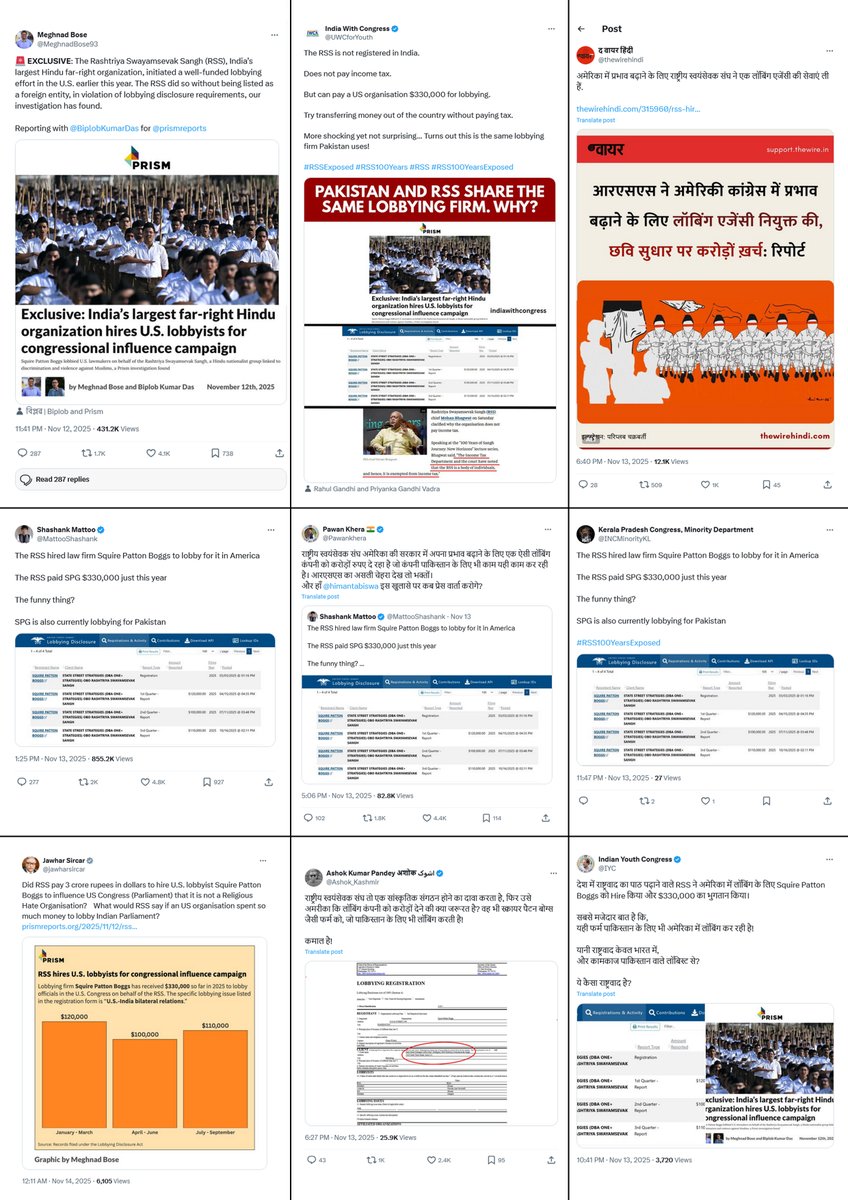
A coordinated attack on RSS just went global.
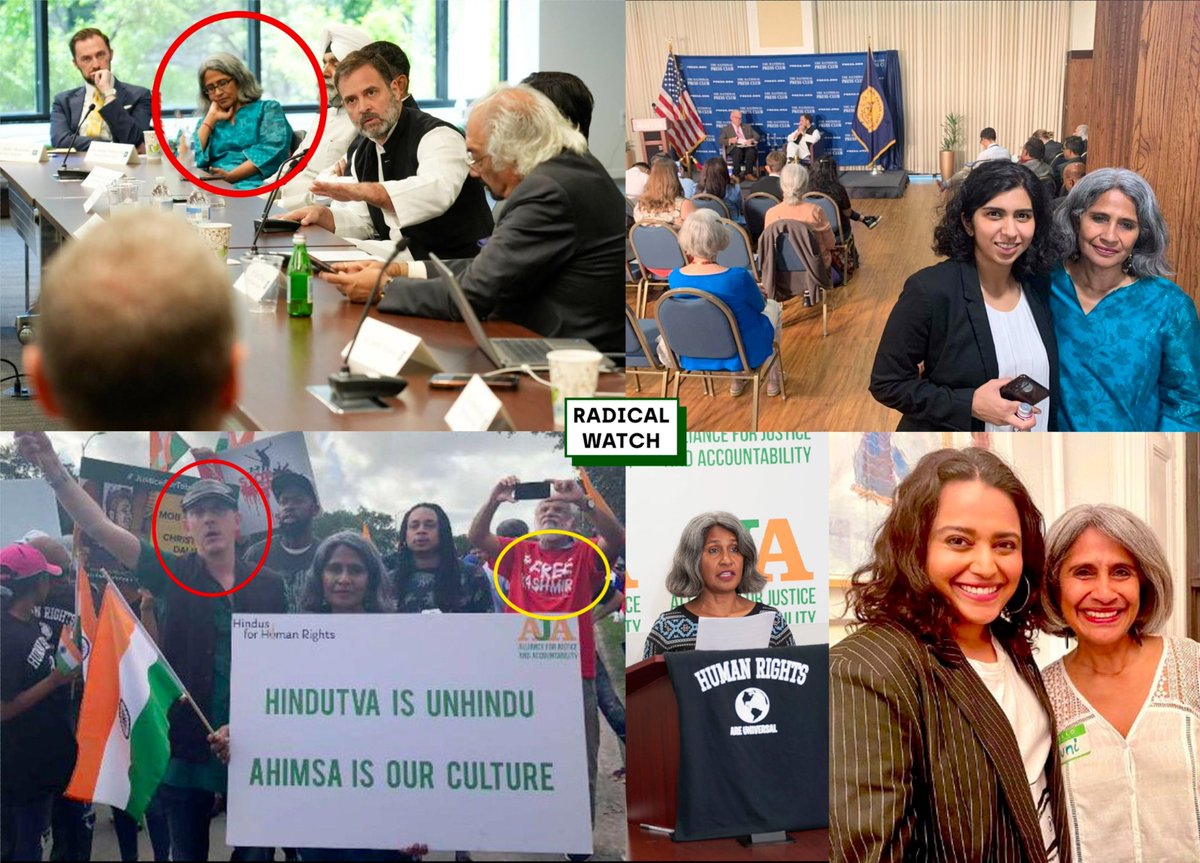
Players: Soros-funded activists, Pakistan-linked lobbies, and strangely, Congress.
Target: to deflect from the real foreign influence operation that's been running for a decade.
Here's what they don't want exposed, thread:
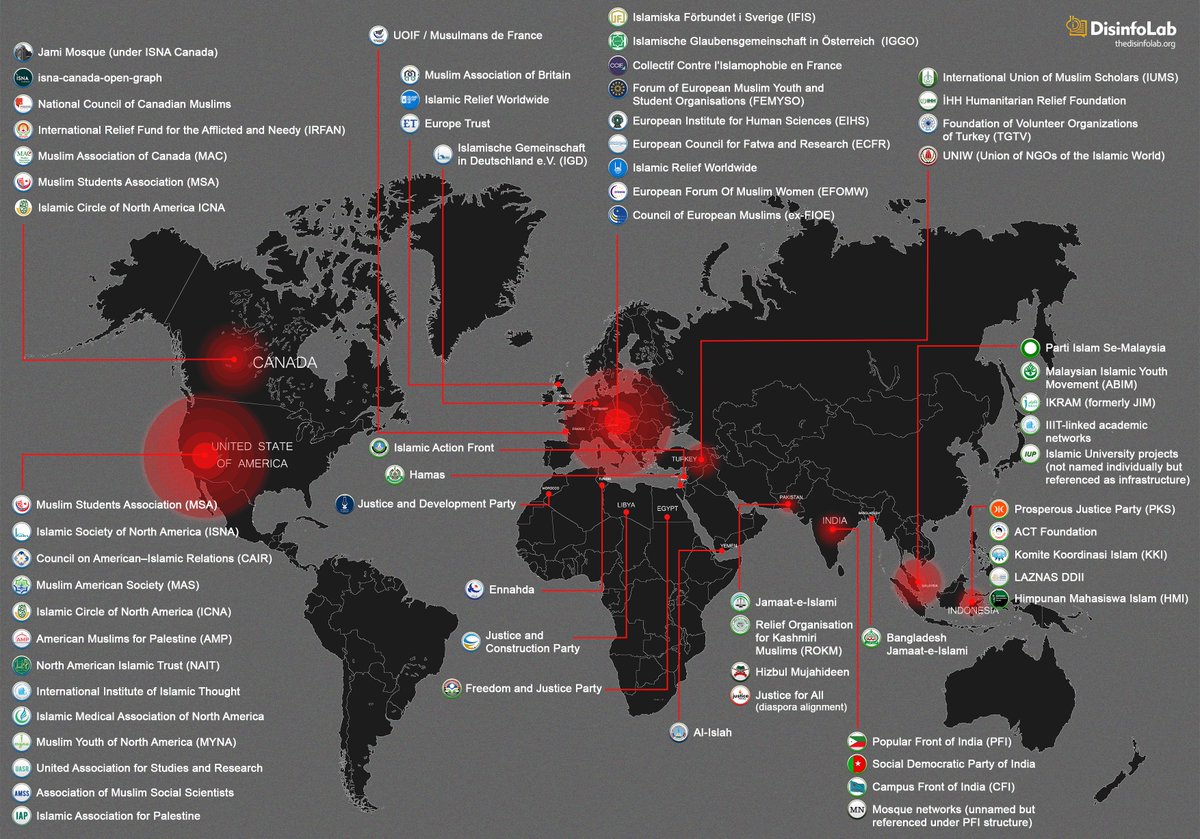
The US President Donald Trump directed that the Muslim Brotherhood (MB) be reviewed for designation as a Foreign Terrorist Organisation. But MB still operates freely globally. The message reads less like policy and more like a warning to the world: this network isn’t small.
🧵
The real test: Will Indian influencers amplifying this story say even a word about the documented US-based anti-India nexus? Or does their courage only extend to attacking legally compliant Indian organizations while ignoring actual foreign influence?
(15/15)
A coordinated attack on RSS just went global.
Players: Soros-funded activists, Pakistan-linked lobbies, and strangely, Congress.
Target: to deflect from the real foreign influence operation that's been running for a decade.
Here's what they don't want exposed, thread:
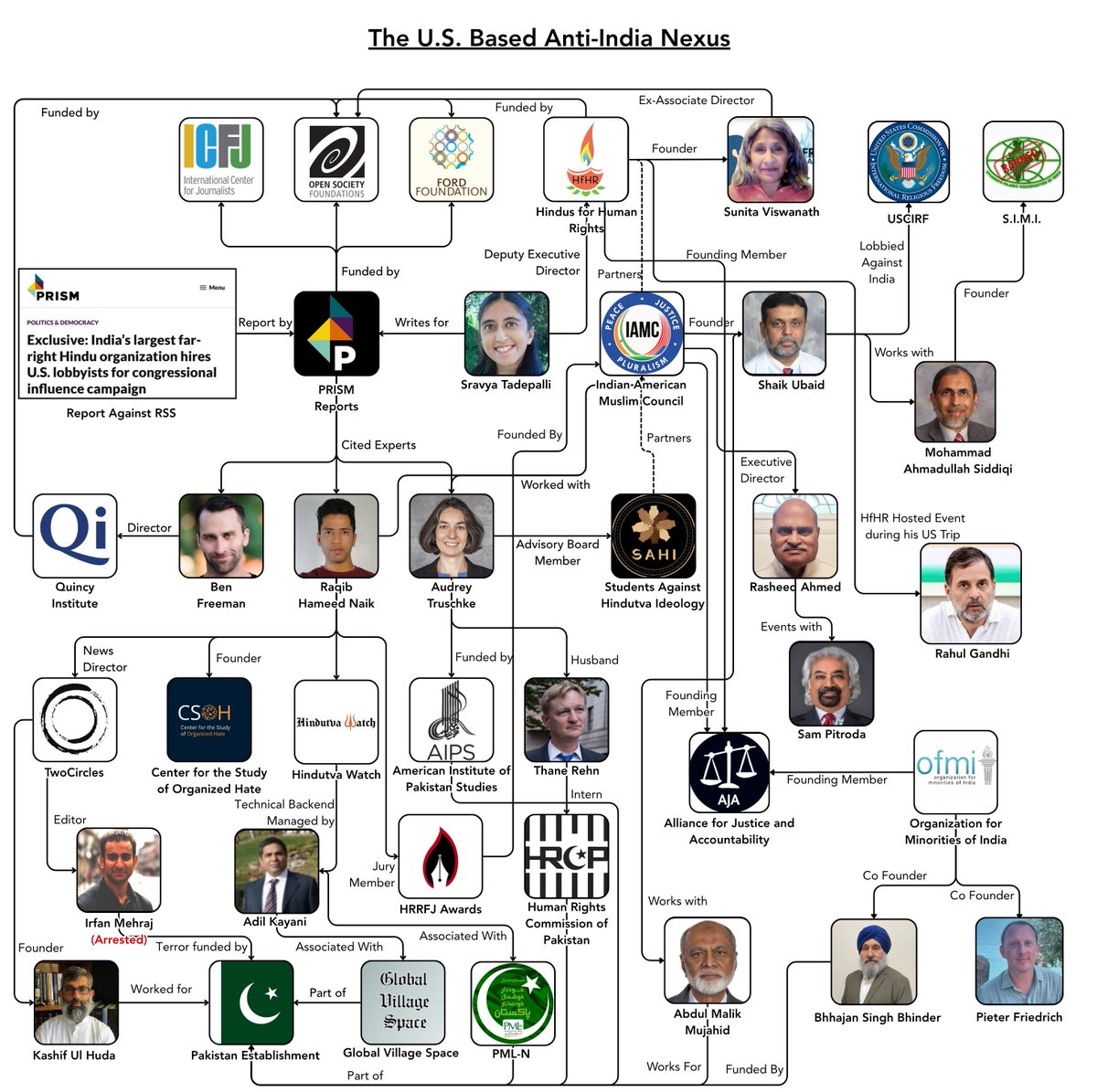
The real foreign influence operation isn't RSS's legal, transparent outreach. It's the Pak and Jamaat linked network where IAMC sits at the center, enabled by Congress legitimization.
Those screaming about foreign influence are the ones who spent years enabling it.
(14/15)
Balochistan Liberation Army's release of their feats.
1. BLA carried out 154 attacks in 2024, killing 66 Pakistani military personnel and injuring over 110.
2. 17 BLA fighters embraced martyrdom during the year.
3. Operations were split with 60% in urban areas and 40% in rural regions.
4. Urban attacks included hit-and-run tactics, grenade attacks, and executions of spies collaborating with the Pakistani state.
5. Rural operations focused on ambushes and IEDs, exploiting difficult terrain.
6. IEDs were used in 52.85% of operations, primarily in Gwadar, Jiwani, and coastal areas.
7. Ambushes accounted for 19.51% and grenade attacks for 21.14% of operations.
8. 6.50% of attacks involved executions to dismantle intelligence networks.
9. 57.14% of attacks targeted Pakistani state armed forces.
10. 28.57% of operations focused on disrupting state elections and polling stations.
11. 8.57% of attacks were arson, targeting installations and vehicles.
12. BLA’s attacks caused delays to the Gwadar Airport project, a joint Pakistan-China venture.
13. BLA showcased strategic discipline with minimal losses despite state oppression.
14. BLA neutralized death squads and intelligence operatives in Kahan, Khuzdar, and Kalat, weakening enemy networks.
15. The year highlighted BLA’s ability to sustain high-impact operations with minimal casualties and increase its regional dominance.
Though the earlier government made efforts to tackle the Maoist insurgency, complete eradication was elusive. However, the recent state government has successfully managed to encourage Maoist extremists to surrender, marking a significant achievement.
This shift demonstrates the effectiveness of their approach, contrasting with the challenges faced by previous administrations in fully addressing the issue.
8/8
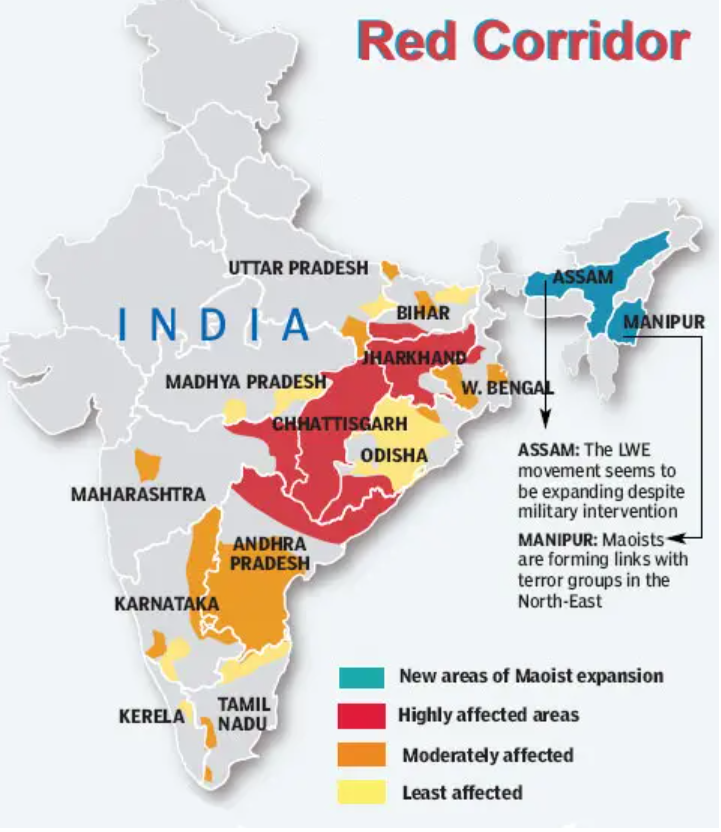
Red Corridor Expansion (2000s)
- The Naxalite presence in Maharashtra was more concentrated in the *Gadchiroli district*, which was part of the larger Red Corridor extending across central and eastern India. Gadchiroli and its neighboring areas in Chhattisgarh became infamous for frequent clashes between Naxalite insurgents and security forces.
n/4
Present Situation (2020s)
Reduced Activity: By 2020s, Naxalite activity in Maharashtra declined significantly, with the exception of the **Gadchiroli district*, which remained a hotbed for Maoist insurgents. The state government’s sustained counterinsurgency efforts, including police operations and intelligence gathering, alongside development initiatives, have weakened the Naxal movement in many areas.
- *Ongoing Threats*: However, occasional ambushes and clashes still occur, and the Naxals continue to maintain a low-level presence in forested and tribal-dominated regions. The Maoists are also known to exploit local grievances related to land rights, displacement, and governance inefficiencies, especially in rural Maharashtra.
- The Naxal influence in Maharashtra has been significantly reduced compared to earlier decades, but their operations in isolated pockets remain a challenge for local security forces.
n/7