built TempFS, temporary file sharing service
- upload a file, set a use limit and expiry, get a link
- no account needed for guest uploads; pro tier adds password-protected links
- share via email
- server never touches your file bytes, direct browser-to-R2 via presigned URLs
2. AppendEncode()
it writes into a buffer you supply instead of allocating one. zero extra allocations when capacity fits. pair it with sync.Pool for net.Conn writes and you get allocation-free encoding on every request.
3. Decode*()
each RESP type has its own Decode function, DecodeSimpleString, DecodeInteger, DecodeBulkString etc.
it parses a RESP-encoded byte slice and returns the corresponding Go value of that type.
1. Encode()
It serializes a Go value into a fresh RESP byte slice. it starts with a 64-byte buffer and grows as needed. array elements write into the same buffer recursively, so even nested arrays land in a single allocation.
yo, so i built resp-codec, a codec library for Redis Serialization Protocol v2 written in golang.
it supports all RESP2 types: simple strings, errors, integers, bulk strings, arrays, and null variants.
Here's how it works 👇
boris cherny goes on a podcast every three months and says something like “i’ve stopped breathing now i just wrote a breath.md” and the next day everyone in sf stops breathing
built TempFS, temporary file sharing service
- upload a file, set a use limit and expiry, get a link
- no account needed for guest uploads; pro tier adds password-protected links
- share via email
- server never touches your file bytes, direct browser-to-R2 via presigned URLs
how it works:
- upload: browser → presigned PUT → R2 directly; server only stores metadata
- download: one Postgres query atomically checks expiry, verifies password, claims the use
- no cleanup job, R2 TTL handles deletion, expired links blocked at the app layer
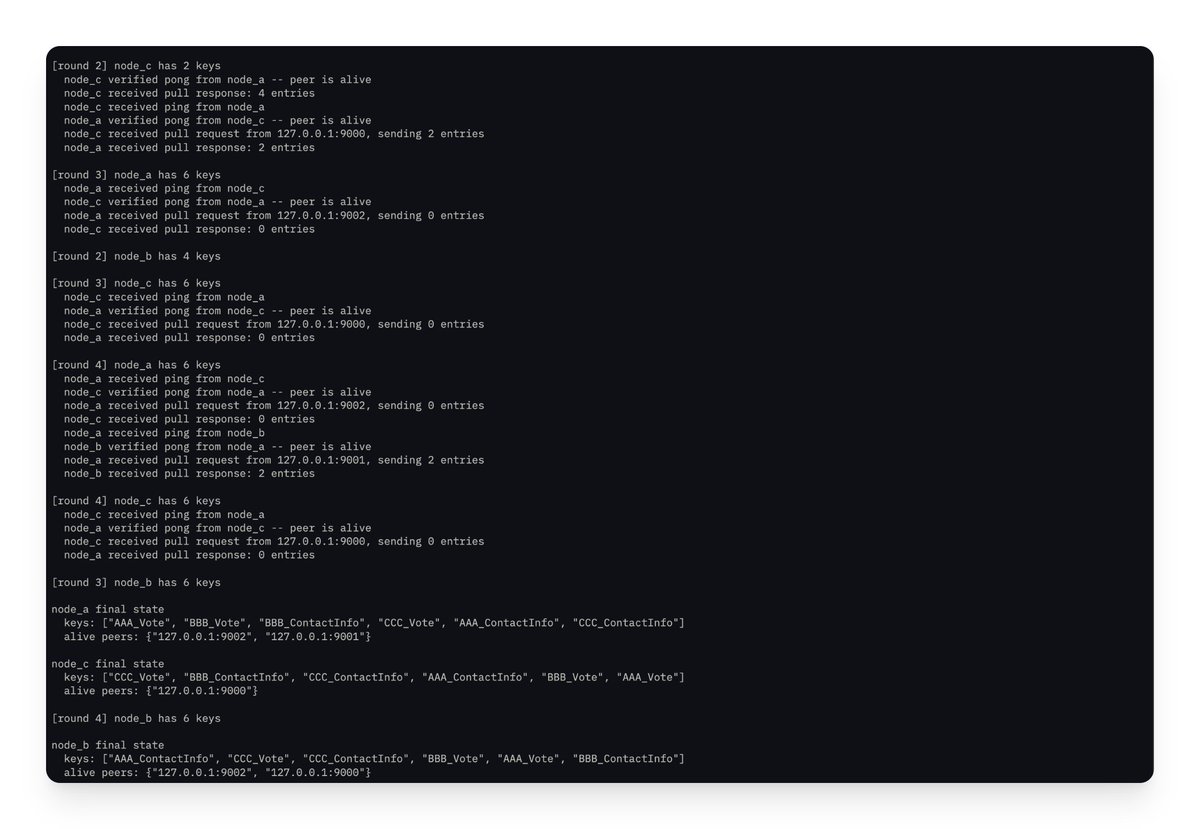
i've been reading agave's source code for a few weeks and have now started building toy versions of different components for fun with gossip being the first.
it has:
- bloom filter with fnv hashing
- crds table with conflict-free timestamp resolution
- gossip protocol messages over udp
- multi-node convergence across gossip rounds
i might also come up with @solana 's own version of "build your own x" lol
link to the repo below:
was reading about amazon's S3 bucket and object storages
so i built frusta , my S3 styled manual chunk upload engine
- out of order+ parallel chunk acceptance
- resume and stream fail logic for chunk uploads
- idempotent file writes/db writes
- atomic renaming from temp to final folder (check docs)
- merge failure handling
- node pipelines for reqStream,writeStream and merge w backpressure-safe transfer
- explicit upload states (init/uploading/completing/completed/failed)
- feature based scalable architecture and middlewares
- also learnt about testing (23+6) and benchmarks (k6) along the go
[repo link in comments]
tired of outdated startup job boards?
I built an interactive map that shows every fresh startup role in blr
- it auto updates itself every 72 hours automatically
- and it's fully free to use, no login required
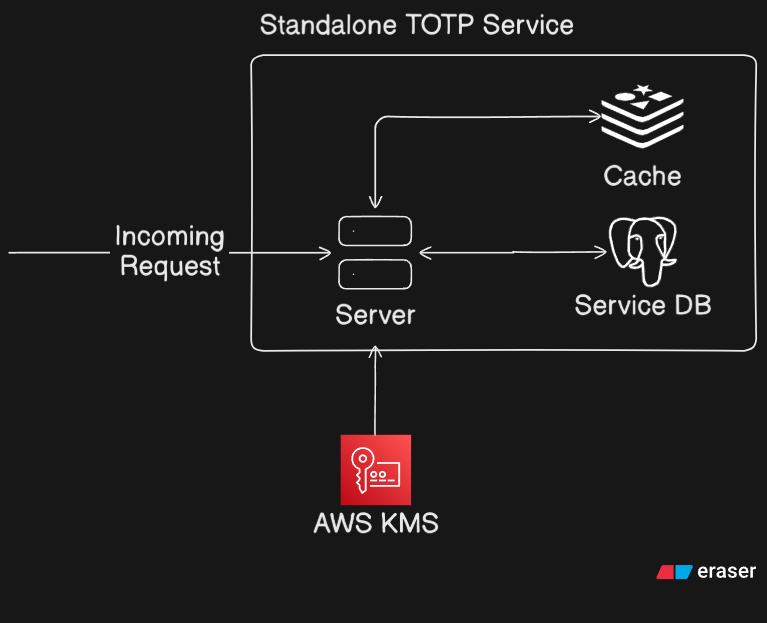
yo, built a TOTP authentication service. It works with any authenticator app (Google, Microsoft, etc.)
it implements RFC 6238 (extension of RFC 4226) to generate HMAC - based OTPs, derived from fixed time steps.


![dextertwts's tweet photo. was reading about amazon's S3 bucket and object storages
so i built frusta , my S3 styled manual chunk upload engine
- out of order+ parallel chunk acceptance
- resume and stream fail logic for chunk uploads
- idempotent file writes/db writes
- atomic renaming from temp to final folder (check docs)
- merge failure handling
- node pipelines for reqStream,writeStream and merge w backpressure-safe transfer
- explicit upload states (init/uploading/completing/completed/failed)
- feature based scalable architecture and middlewares
- also learnt about testing (23+6) and benchmarks (k6) along the go
[repo link in comments]](https://pbs.twimg.com/media/HDhijfOaAAEaoYT.jpg)