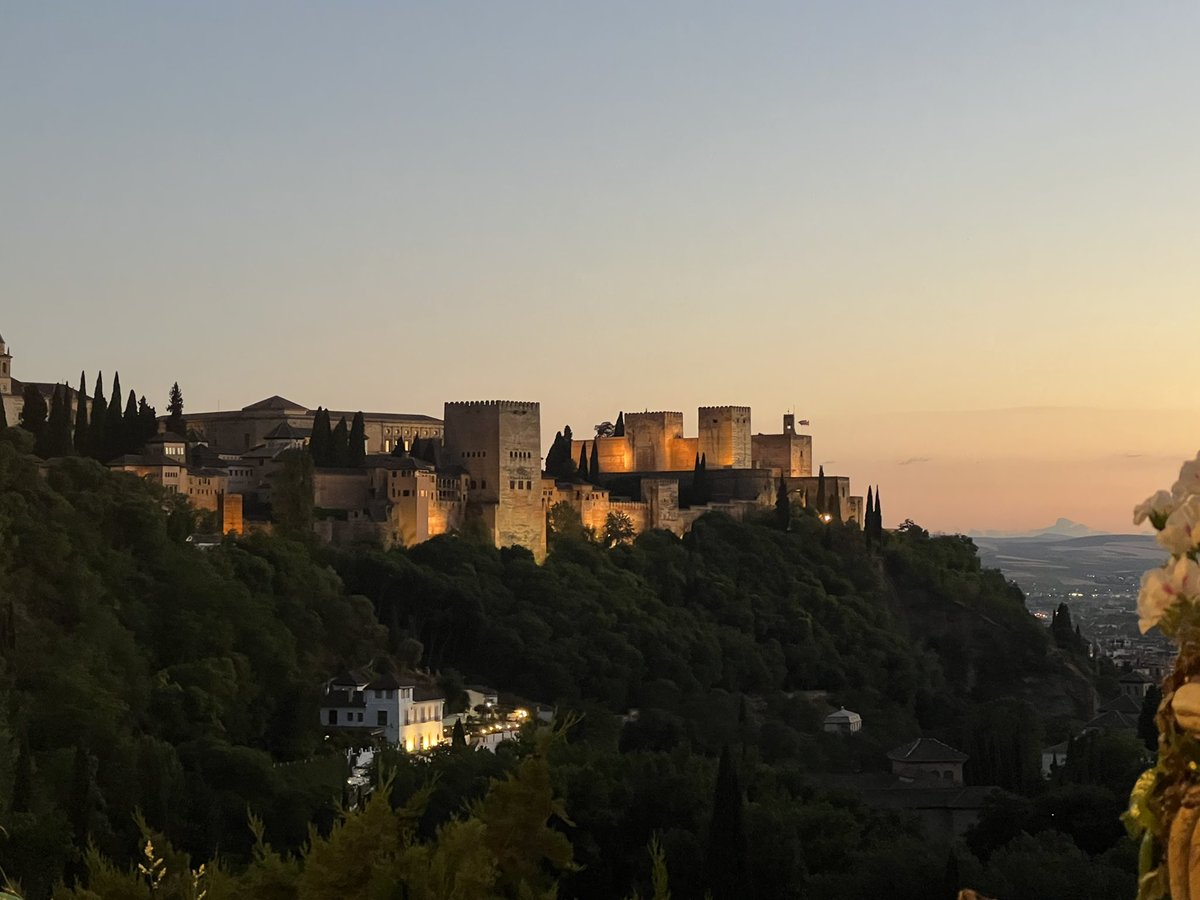
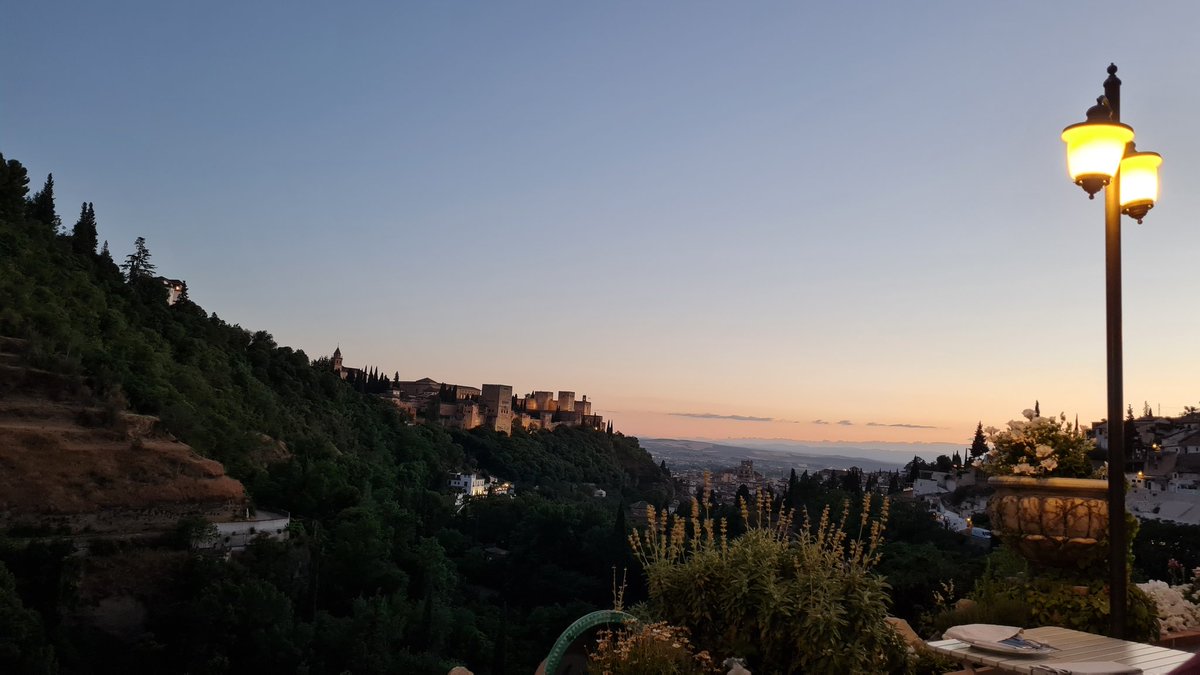
Mein Vortrag „Das Unsichtbare wird sichtbar: Das Schwarze Loch im Zentrum der Milchstraße“ morgen 19h im Deutschen Museum in München. https://t.co/Jn8nAYaVMa . Auch im Live-Stream https://t.co/GzWELAi9TR @MPIfR_Bonn@ehtelescope#radioastronomy
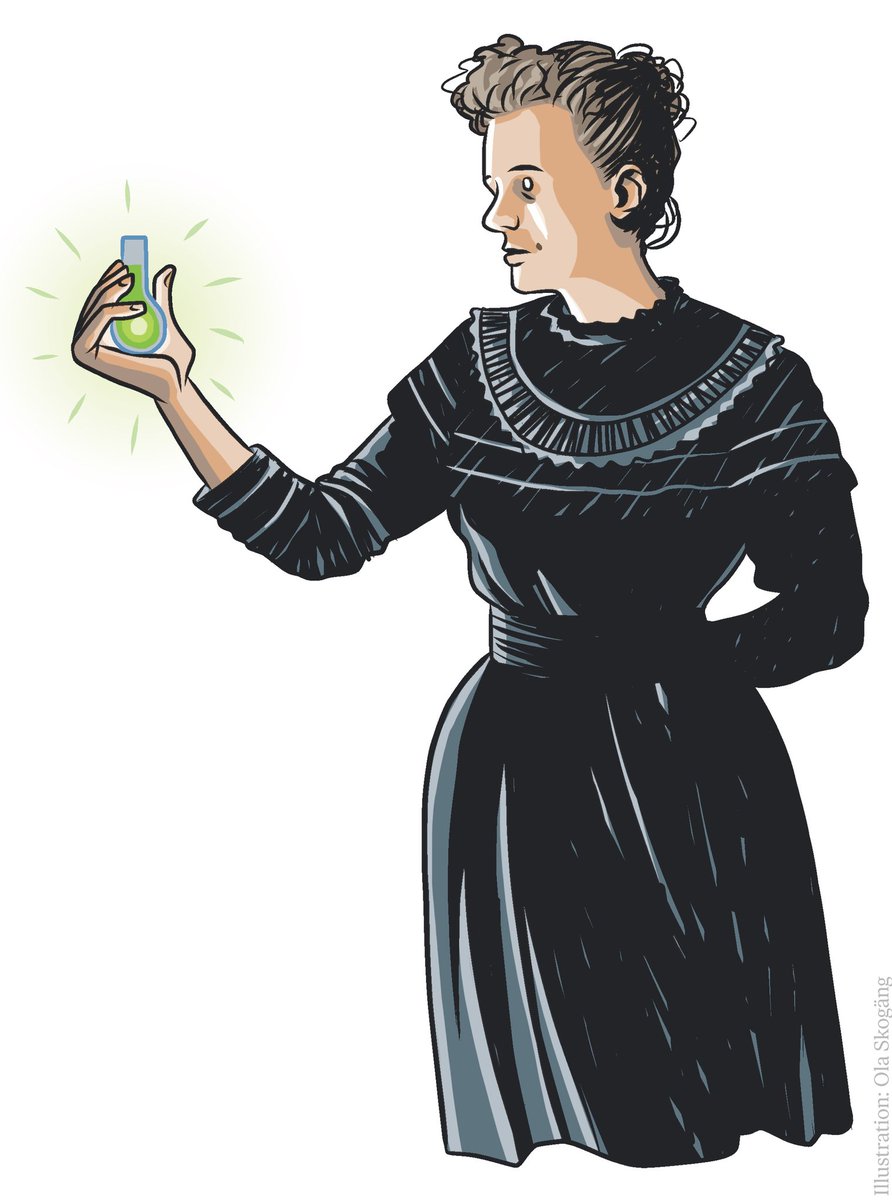
Remembering the first woman to be awarded a Nobel Prize, the first individual to be awarded two Nobel Prizes and still today the only individual with two Nobel Prizes in two different scientific categories: Marie Skłodowska Curie.
Curie was born #OnThisDay in 1867.
Today marks the birthday of two (!) remarkable women scientists🥳- Marie Skłodowska Curie (1867), most famous for the discovery of #radium & #polonium & her #radioactivity research & Lise Meitner (1878), whose brilliance unlocked the secrets of #nuclearfission. Happy birthday, trailblazers!🤗🔬✨#OTD
NEW DISCOVERY:
The EHT has published new results that describe for the first time how light from the edge of the supermassive #BlackHole M87* spirals as it escapes the black hole’s intense gravity, a signature known as circular polarization.
https://t.co/WHLB3fivan
This simulation shows a black hole image in total intensity (or ‘normal’ light, left) and in circular polarization (right). The blue and red colors of the circular polarization movie correspond to light rotating clockwise and counterclockwise, respectively. Credit: Angelo Ricarte
Do you already know the YouTube channel @RadioViews? The latest video is all about active galactic nucleus (AGN) jets.😯
Check it out and enjoy: https://t.co/K1avwjJdEp
Our former postdoc Carolina Casadio is now at FORTH in Crete leading ERC project SMILE. Great to have her visit as a member of the Program Committee of European VLBI Network https://t.co/QOvAC0lWCw @FORTH_ITE@ERC_Research@MPIfR_Bonn#radioastronomy#EVN https://t.co/QWdXaYAJK1
Joachim Gauck hat den Wert der Grundlagenforschung betont. Wir sind einig: es gilt, die Ergebnisse in die Gesellschaft zu tragen. Radioastronomische Forschung ist ein schönes Beispiel - auch für internationale Zusammenarbeit in schwierigen Zeiten. #MaxPlanck75@maxplanckpress
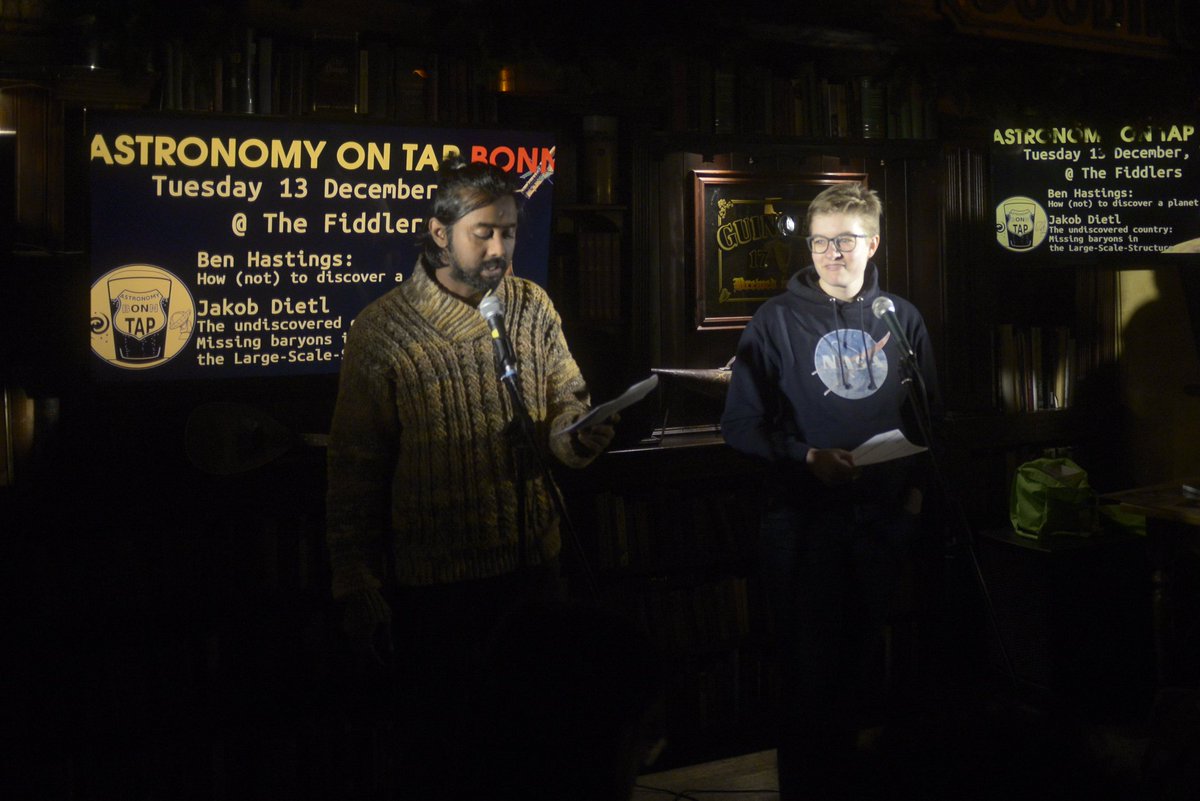
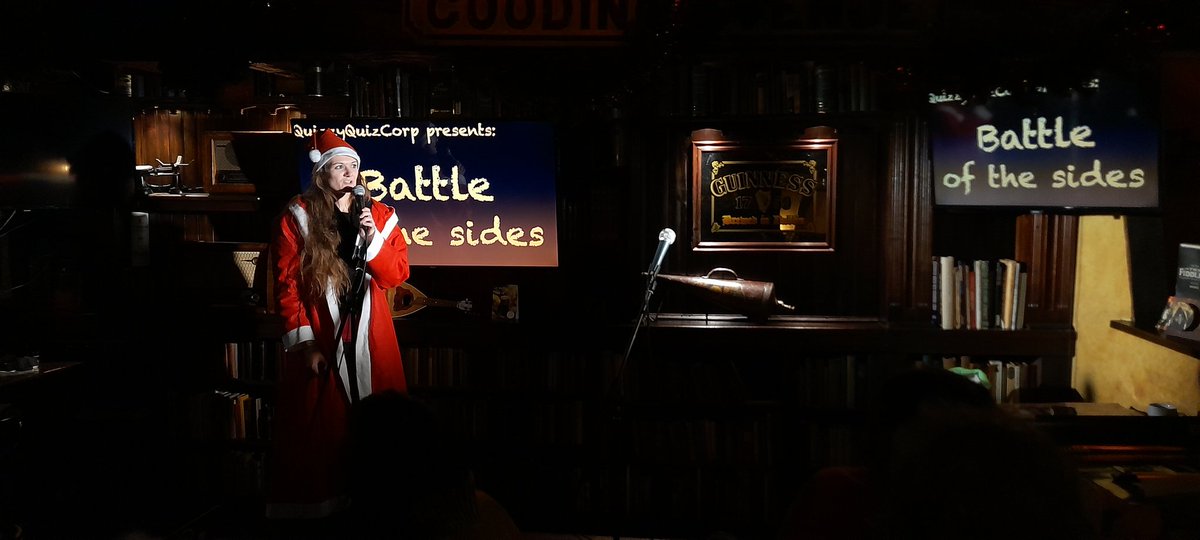
We are thrilled to see you for the first event of the year! Mark your calendars for the 31st of January, when we meet for two astronomy talks and an astro quiz!! See you there!! ���✨✨
.
.
Reservations at the pub are recommended!
New accepted paper!
Probing spacetime and accretion model for the Galactic Center: Comparison of Kerr and dilaton black hole shadows, Jan Röder , ACO, Christian M. Fromm, Yosuke Mizuno, Ziri Younsi, and Luciano Rezzolla.
https://t.co/moHKV4dC4U
Today, artist Helge W. Fechner honoured the Max Planck Institute for Radio Astronomy with his collage “Das Schwarze Loch” inspired by the famous first image of a black hole in M87. We are very grateful! #blackhole#ehtc#art#painting#eventhorizon#eatart
I'm thrilled to share my first scientific contribution, in which we explored the magnetic field and behavior of the accretion disk surrounding the supermassive black hole in the radio galaxy NGC 315! https://t.co/GJKEBDiB00
Last day of our 2022 @ehtelescope Collaboration meeting. 4 days full of exciting #blackhole science, work on #blackhole shadows & finally seeing colleagues face to face after soon long!🤩
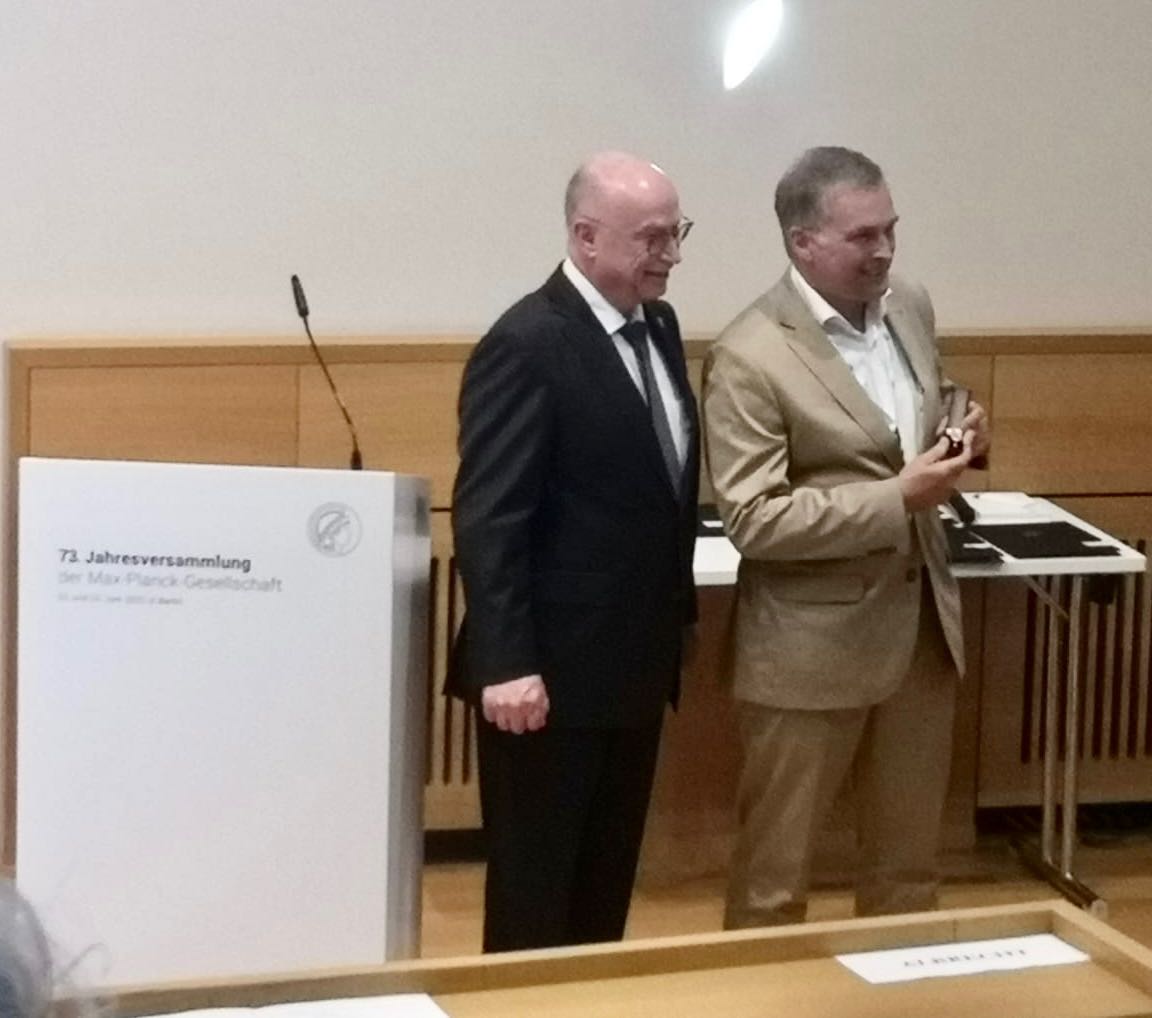
25 years scientific member of the Max-Planck Society. Free to pursue my long-term basic research. We built global scientific partnerships, new telescopes and technology, trained the next generation, made black holes visible for the first time. Thanks to all who believed in us.