Look at the software engineer difference...
Your seniors at 25:
Joined one company
Stayed 5 years
Bought a bike
Got married
Thought onsite was the dream
You at 25:
3 tabs open: LeetCode, LinkedIn, layoffs tracker
Paying for ChatGPT, Claude, Cursor, and still debugging alone
4.5 LPA job with "great learning opportunities"
11 interview rejections
One side project nobody uses
One startup idea you keep renaming every month
Sleep schedule destroyed by deploys and doomscrolling
Saying "market is bad" but also knowing your resume is weak
Can explain microservices, cannot explain career gap to relatives
Learning system design for a job that wants 2 years experience for fresher salary
Your parents at 25:
Less options
Less confusion
Slower world
More certainty
You at 25:
Infinite content
Infinite comparison
Infinite advice
Very little clarity
Modern software engineers are not just competing with people from their city. They are competing with smart people from the whole internet.
That is why average effort does not work anymore.
So you need:
one real skill
one proof of work
one good story
and enough patience to not quit too early
The game is harder now, yes.
But for the ones who actually get serious, the upside is also much bigger.
CodeHurdle Athlos 01 — India’s top competitive programmers under one roof!
400+ registrations | 100+ colleges | IITs, IIITs, NITs.
Proud to host such elite talent with @Kiet_edu 👉 Registrations open for next contest: https://t.co/v3aoEKQagt
@IITKanpur@iitroorkee@IIITDelhi
"Just use Golang; Golang is an easier version of Rust."
A common misconception with many people is that Golang is easier and has concurrency, so it should be better?
WRONG!
I was just looking across to see why my personal task was faster using Rust and not Golang as I was a bit curious and wanted more details
Types of Operations
-> There are two types of operations
1. I/O-Bound Operations
2. CPU-Bound Operations
What's the difference?
I/O-Bound Operation
-> Any operation that is bound by Input and requires providing an Output is an I/O-bound operation
-> I/O-bound operations have shorter CPU bursts.
Note: CPU bursts refers to usage of CPU; in this case shorter CPU bursts mean short usage of CPU, as they only require cpu for a small amount of time generally as compared to CPU-bound operations
CPU-Bound Operations
-> Any operation that is going to use CPU for a long while and will be constantly computing
-> Eg: Calculating 1 Billion numbers in the Fibonacci series
-> These operations have longer CPU bursts
But why are we understanding this?
Weren't we discussing Rust and Golang?
Difference
-> Now think back about the first statement because the types of operations is what makes a major difference
-> Golang's goroutine scheduler is optimized to manage I/O-bound operations, making it excel at handling 1000s of I/O-bound operations
-> For CPU-bound tasks that benefit from parallelism without any slowness of garbage collectors, Rust is the best.
-> Using Tokio, one can get great speeds at IO-bound operations
-> And using rayon one can easily make CPU-bound operations
-> Golang can also do CPU-bound tasks using goroutines, but Rust's control over CPU operations due to its way of memory management just excels at it.
I still plan to study more on it, and am going to attach an image on the concept I'm studying right now
Introducing the Pointless Program 🌀
Built by Fluence to fuel the next wave of decentralized compute.
Stack points. Build Cloudless.
How to earn points 🧵👇
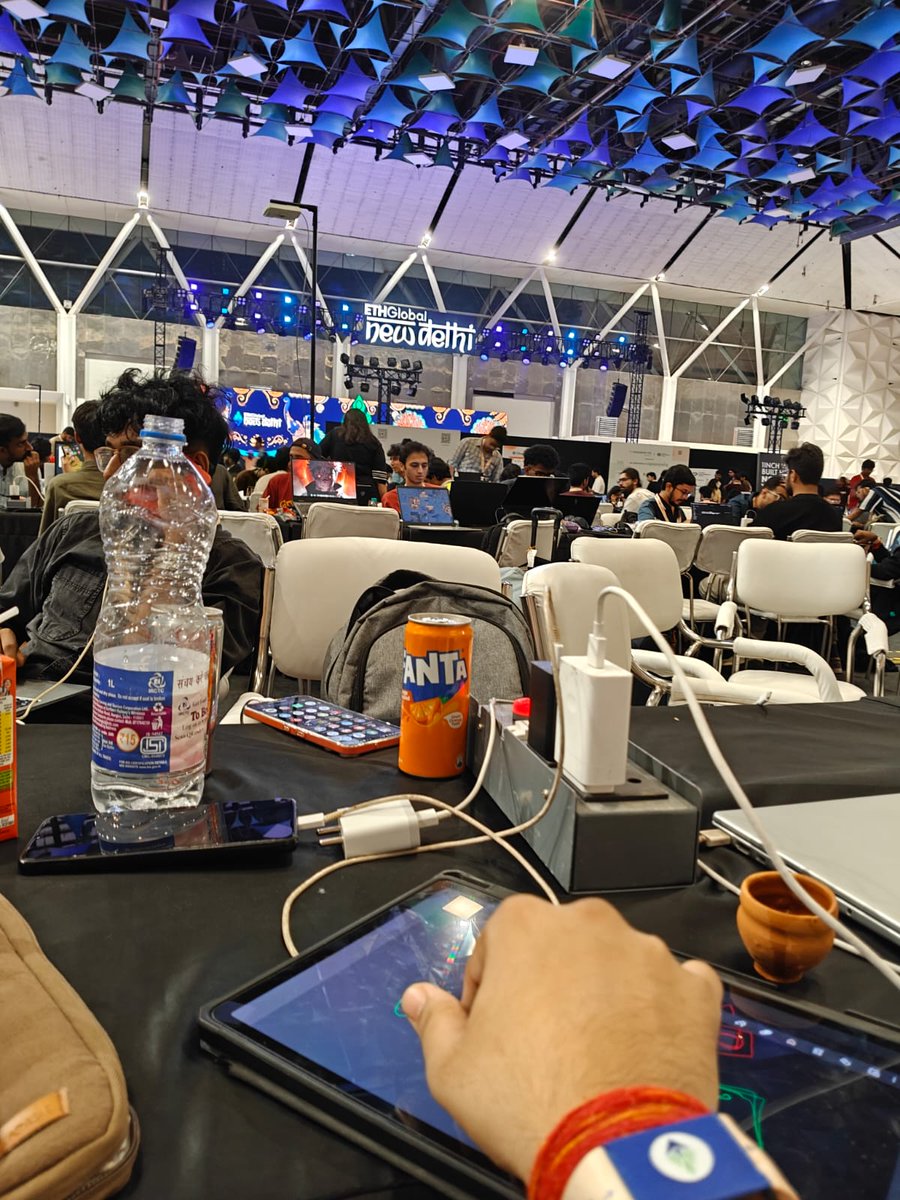
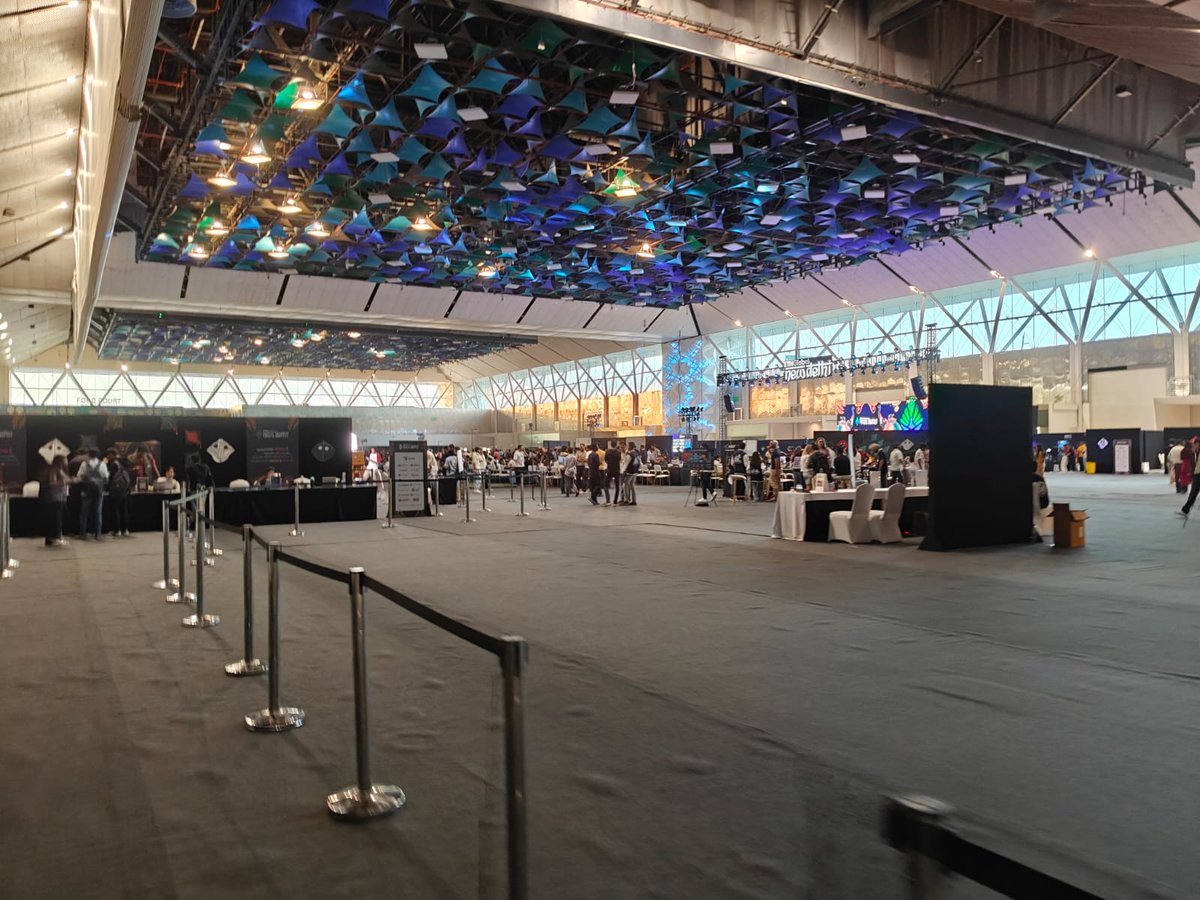
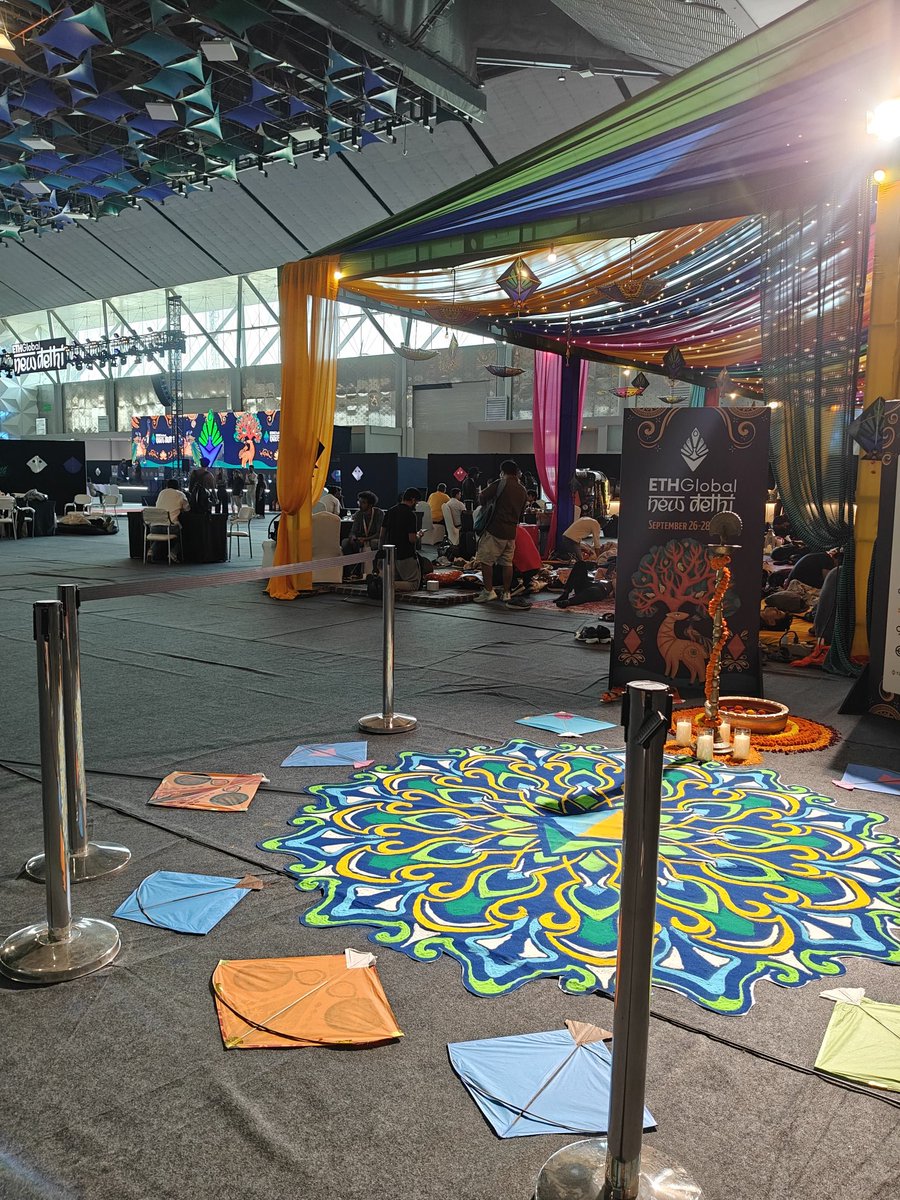
@ETHGlobal New Delhi Championship live tomorrow! 🏆
You can bet on winners.
Let the winning be in your blood.
In partnership with @flow_blockchain & @ETHGlobal 🤝
Built a custom shell in Go to understand how shells talk to the OS (even though Go isn’t ideal for shells because of its runtime).
Even Go abstracts os interactions, but looked into each method
Thinking of integrating LLM, inspired by @warpdotdev
Repo: https://t.co/iizYHQLCl8
Frontend is the most irritating part of a project,yet it's the most important when it comes to growth and user feedback,I thought I could cook up a frontend with just basics but in reality, it cooked me. Now,gonna learn this messy thing until I can code landing pages in my sleep








![ragexansh's tweet photo. nice one !
I solved Athena Hacker House CTF Riddle-1 (Noctua) -[MONAD773776854ATHENA]
@AthenaFoss @monad https://t.co/CHY0JPPd9p](https://pbs.twimg.com/media/G1JKfA6WcAAKnSE.png)


