Exclusive. ECI’s internal records of 2024 elections: On 51 seats of Maharashtra, Haryana and J&K, votes counted differed from votes cast. ECI rules say such mismatch should trigger probe into possible rigging.
@TweetSumedha & @VenkateshNSS report
1/6
https://t.co/qKVoRpx0iP
2. This is Part 1 of our Election Audit series. Based on documents that the ECI denies to citizens.
Edited by @furquansid.
To keep us working on this series, donate today. Click below to donate.
https://t.co/F2Pn08rqZ5
Did Indian poverty really fall by 90%?
As Eeshani Kandpal notes, everyone knows recent survey rounds are not comparable. The real mystery is why the @WorldBankGroup abandoned its previous efforts to adjust for that, and ran with the raw numbers?
https://t.co/j63ukOgan7
If all mistakes have been accepted and a complete U-turn have happened on them, then should accountability not follow? Gyanu must resign.
Without this accountability, all upcoming elections under him will be under a cloud of grave suspicion and possible mass fraud. BJP may win, but people will know that's only because of Gyanu and his henchmen. That will be a disastrous result for the country.
THE HORROR OF BEING LONELY AT SEVENTY.
by Michael Whelan
The cruelest part of growing old isn't knowing that life is getting shorter. It's wondering how much of it you'll have to spend without being loved the way you once were.
At seventy, loneliness is not simply an empty house.
It is a body that still remembers what it feels like to be loved.
God, how I miss being held.
I miss holding Rebecca's hand. The beautiful simplicity of our fingers finding each other without either of us giving it a thought. I miss cuddling in bed after a long day, feeling her warmth against me, knowing that whatever horrors the world had waiting, for that one precious moment, we were safe.
I miss someone telling me I look handsome.
I miss hearing those three ordinary, extraordinary words: "I love you."
And perhaps most heartbreaking of all, I miss saying them to someone who could whisper them back.
These are the little things we take for granted until death comes along and steals them.
For years, I cared for Rebecca as Parkinson's and dementia slowly took possession of the woman I adored. Cancer had already ravaged my own body. I was exhausted, frightened, and sometimes so overwhelmed that I prayed for one afternoon when nobody needed me.
Now I have more afternoons than I know what to do with.
What a cruel joke.
People think loneliness is about having nobody to talk to. They're wrong. I can talk to friends. I can laugh. I can attend a gathering and appear perfectly happy.
Then I return home.
Nobody asks how my day went. Nobody reaches across the couch to touch my arm. Nobody notices that I've put on a nice shirt or that I'm unusually quiet.
And the bed.
Dear God, the bed.
There is something almost unbearable about having an entire side of a mattress available when you'd surrender everything you own to feel someone breathing beside you again.
At seventy, society seems to assume our need for tenderness has somehow expired.
It hasn't.
My heart is seventy.
My need to be loved is ageless.
I still want affection, companionship, laughter, romance, and the glorious comfort of knowing someone is genuinely happy that I walked through the door.
I don't want to spend my remaining years merely remembering what love felt like.
I want to feel it again.
And perhaps that is what makes loneliness at seventy so terrifying.
I am not finished loving.
I am simply living in a world where the person who knew how to love me best is gone.
But love does not vanish just because the person who awakened it is gone. It remains in the hand that still reaches across the sheets, in the words that rise to my lips with nowhere to land, in the part of me that still believes tenderness is worth wanting.
So every night, when I turn out the light, my hand finds the place where hers used to be. I always tell her how my day went.
And for one aching moment, in the darkness, I am not only remembering what I lost.
I am remembering that I am still capable of love.
And perhaps that is not the loneliest truth of all.
Perhaps it is a promise.
The heart that can grieve this deeply has not gone empty. It is still open. It is still reaching. Somewhere beyond the silence of this house, there may be another hand waiting to find mine—not to replace Rebecca, because no one could, but to meet the love that remains.
Until then, I will keep getting up. I will put on the nice shirt. I will answer the phone, accept the invitation, sit beside someone who needs company, help other caregivers how to get through another day and let the world surprise me when it can.
I have lost the life I knew.
But I have not lost my capacity to live.
And as long as I can still love, still hope, still reach toward another human being, my story is not over.
The bed may be empty tonight.
But I am still here.
And here, even at seventy, is not the end.
This latest article from Thomas Pikkety, the renowned French economist and leading authority on wealth inequality, should be essential reading here in the UK.
His argument is simple.
France has never been wealthier. Yet education funding per student has fallen by 20% since 2017, public services are struggling, and inequality is deeply embedded in the system.
Sound familiar?
The problem isn't that our countries have run out of wealth. It's how that wealth is distributed, who controls it, and the political choices made to protect it.
For decades, we've been told that austerity, declining public services and falling living standards are unavoidable consequences of economic crises, yet those same decades have seen extraordinary concentrations of private wealth.
Socialise the costs. Privatise the gains.
This is the reality we all need to wake up to.
These aren't inevitable economic outcomes. They're the consequences of political choices, made over time, that have prioritised the accumulation of private wealth over the needs of society.
And as public anger grows, we're seeing a deeply concerning response: The rise of the far right, directing that anger towards immigrants, disabled people, those claiming welfare and other vulnerable groups, rather than towards the economic structures responsible for the inequalities people are rightly furious about.
As @NaomiAKlein describes fascism, "it's capitalism's most ferocious threat response. A way of directing public anger downwards at the vulnerable, rather than upwards at the system."
Fascism doesn't challenge the status quo. It protects it by giving people someone else to blame.
The fundamental question isn't whether our societies can afford something better. It's why, when we've never been wealthier, we're repeatedly told we must accept less.
We need to fundamentally rethink an economy built around extraction, exploitation and wealth concentration, and start building one that delivers equitable, sustainable prosperity for everyone.
And with the UK Budget next week, this should be a serious warning to @UKLabour.
If the Budget fails to acknowledge this fundamental reality, and instead offers another round of "difficult decisions" that protect concentrated wealth while asking ordinary people to shoulder the burden, then @andyburnham really hasn't understood what's happening across Europe.
What's unfolding in France isn't an isolated protest. It's a warning of what happens when people stop accepting that a society growing ever wealthier somehow can't afford to give them a better life.
This isn't something politicians can keep kicking down the road.
The warning signs are everywhere. The question now is whether those in power are prepared to confront the causes, or continue defending the very system that's driving the anger.
@ZackPolanski@jeremycorbyn@KemiBadenoch@Nigel_Farage
Written with such clarity and honesty:
"Our tastes are most meaningful when they convey an individual’s discernment, and not an incurious desire to conform. Tastes that are universally held are also boring"
https://t.co/MM6W0WZBGW
नकली पत्र पर असली शिक्षाएं- शिक्षक दिवस पर
इंटरनेट पर अब्राहम लिंकन के द्वारा अपने पुत्र के शिक्षक को लिखे गए पत्र के रूप में प्रचलित यह चिट्ठी नकली है। इसके बावजूद, इस पत्र का महत्व कम नहीं होता। यह शिक्षा के कुछ मौलिक तत्वों और जीवन-मूल्यों को रेखांकित करता है। हिंदी अनुवाद।
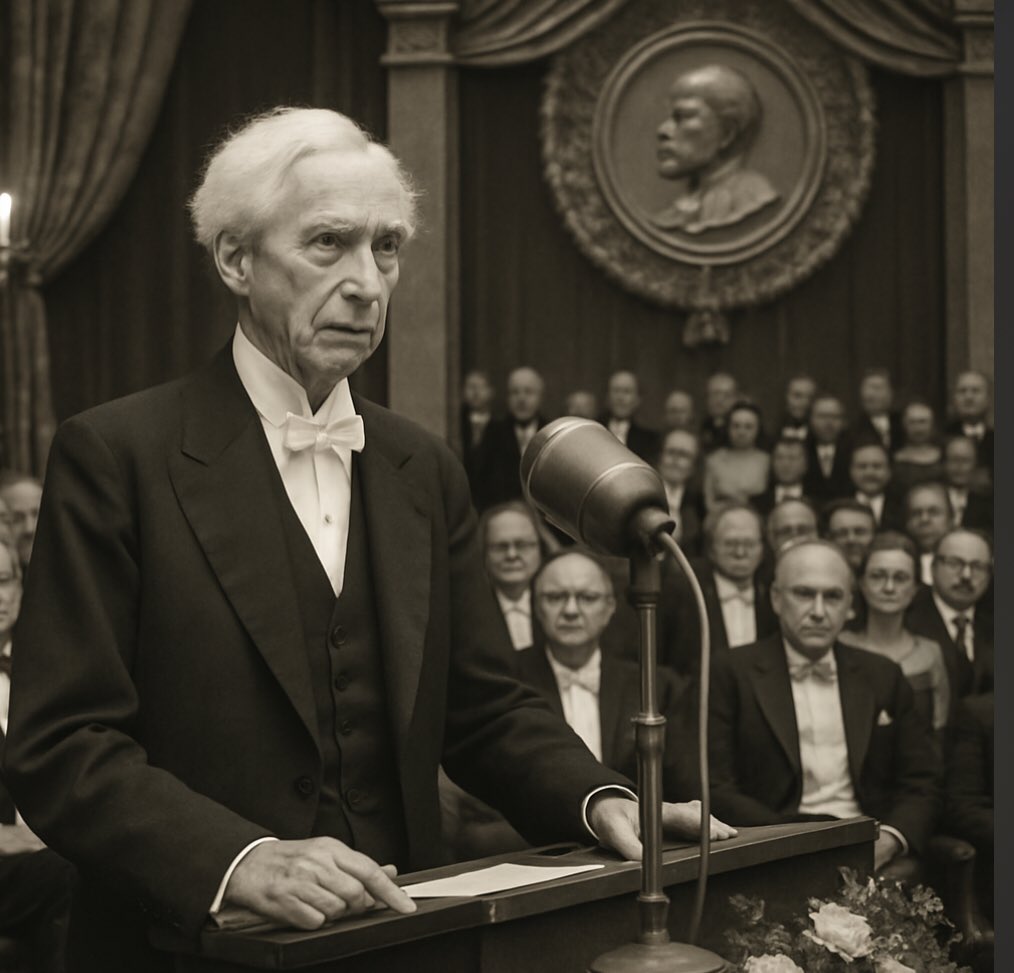
Bertrand Russell in 1950 gave a great lecture at his Nobel acceptance event. It identifies 4 basic desires which have shaped history. https://t.co/RTD9xUieFH
बंगलादेश के जाने माने कवि हुमायूँ आज़ाद की कविता का हिंदी अनुवाद। अपने लेखन के लिए उन पर 2004 में ढाका में हमला हुआ। उसी साल वे म्यूनिख गए जहां उनकी मृत्यु हो गयी। उनके परिवार वालों का कहना था कि उनकी मृत्यु का कारण ढाका में उनपर हुआ हमला था। https://t.co/xd8IiO72aM
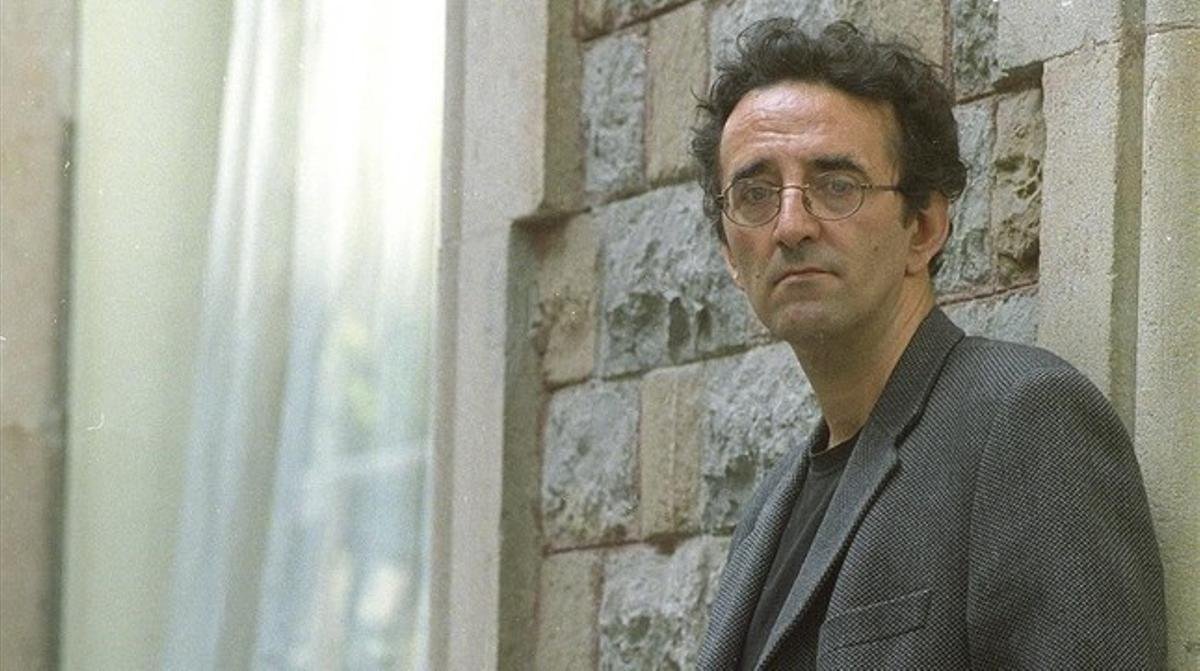
“One has a moral obligation to take responsibility for one's actions, and that includes one's words and silences, yes, one's silences...”
Roberto Bolaño,
- By Night in Chile
tr. by Chris Andrews