لما أنهى الشيخ أبو بكر الجزائري جزءاً من كتابه عقيدة المؤمن، حيث تناول فيه إثبات وجود الله، كتب في نهاية الكتاب استغفاراً جميلاً، حيث قال: "اللهم إن شفيعي عندك ووسيلتي إليك ما قد علمت مني من شعور بالحياء والخج�� وأنا أبرهن وجودك، وأنت الذي لا تخفى"..
ما أحبه بالذات هو هذا النوع من التقوى، لأن التقوى ما يمنح العمل قيمة لا حجم العمل نفسه، ولذلك قال الله في الأضحية: {لن ينال الله لحومها ولا دماؤها -أي مهما كثرت- ولكن يناله التقوى منكم}..
ومن ذلك أيضاً قول النبي: "اتقوا النار لو بشقّ تمرة -أي على صغرها-"..
In Arabic, we don't say "I'm leaving it to fate." We say "Tawakkaltu 'alallah” which means "I place my trust in Allah" And i think it's extremely beautiful!!
ما يزيدني طبع الرحمة في الإنسان إلا زيادة في الاحترام والإجلال له، ذلك أن الله حين عرّف نفسه بفاتحة الكتاب، قال: {الرّحمن الرّحيم}، قبل ��ن يعرّف عن عظمته وقدرته، كأن الرحمة هي الطبع الأحب إليه؛ وبهذا أفهم لم حرّم الله على النار كل هيّن ليّن سهل قريب من الناس..
We live in what is often called a post-truth world, where true and false information are equally accessible, while media bias, stereotypes,and preconceptions shape our first impressions. Reaching the truth can no longer begin simply with what something looks like at first glance.
People naturally rely on first impressions, yet they are often shaped by assumptions and biases.
This is why genuine research begins with seeking understanding before reaching conclusions: exploratory field visits in social research, or a survey in scientific research.
The red structures are solar filaments—hot plasma held in place by the Sun’s magnetic fields—while the streaks extending from the corona are coronal streamers, closely connected to the solar wind.
The Sun is constantly releasing material into space. ✨
Every year, I look forward to the night of August 12th to watch the Perseids. 🌌
I especially love watching them just before dawn, when everything is quiet and the sky is clear. There is something magical about watchig a shooting star streak across the sky. ✨
And so, we sometimes feel that our minds and private lives have become exposed to those we want to share with-and even those we don't. Through these algorithms,access to parts of ourselves has become easier than ever. They reveal more about us than we would choose to reveal.
Social media algorithms are, in many ways, built around our human sensitivities.
Podcasts and Clubhouse appeal to our sense of hearing. And as Samia Sandri suggests, religion—the greatest institution humanity has known—is rooted in the voice: prayers, chants, and invocations.
Humans find what they’re looking for on social media. If you’re looking for a fight and negativity, you’re gonna find it. If you’re looking for happiness and positivity, you’re gonna find it at scale
Algorithms also learn from us. Through cookies and our digital footprints, they keep recommending similar accounts, videos, and content.
One click quickly turns into many—what we often call the rabbit hole.
وَمَا جَعَلَهُ اللَّهُ إِلَّا بُشْرَىٰ وَلِتَطْمَئِنَّ بِهِ قُلُوبُكُمْ ۚ
And Allah made it not but good tidings and so that your hearts would be assured thereby.
In Arabic, we express this feeling with a saying: “The eye does not rise above the eyebrow.” It captures the humility one feels in the presence of someone greater in knowledge, wisdom, or rank.
In Surah Al-Kahf,when Musa was sent to meet Al-Khidr —someone more learned— Allah described Al-Khidr:{We gave him mercy from Us & taught him knowledge from Our presence.}
Mercy came before knowledge.What stayed with Musa was not just the knowledge—but the humility he found there.
Seeing how much the gentle surroundings had softened his heart, the Caliph said: “Send him back to the desert. Wallah (By God), I fear he may melt away from too much tenderness.” :)
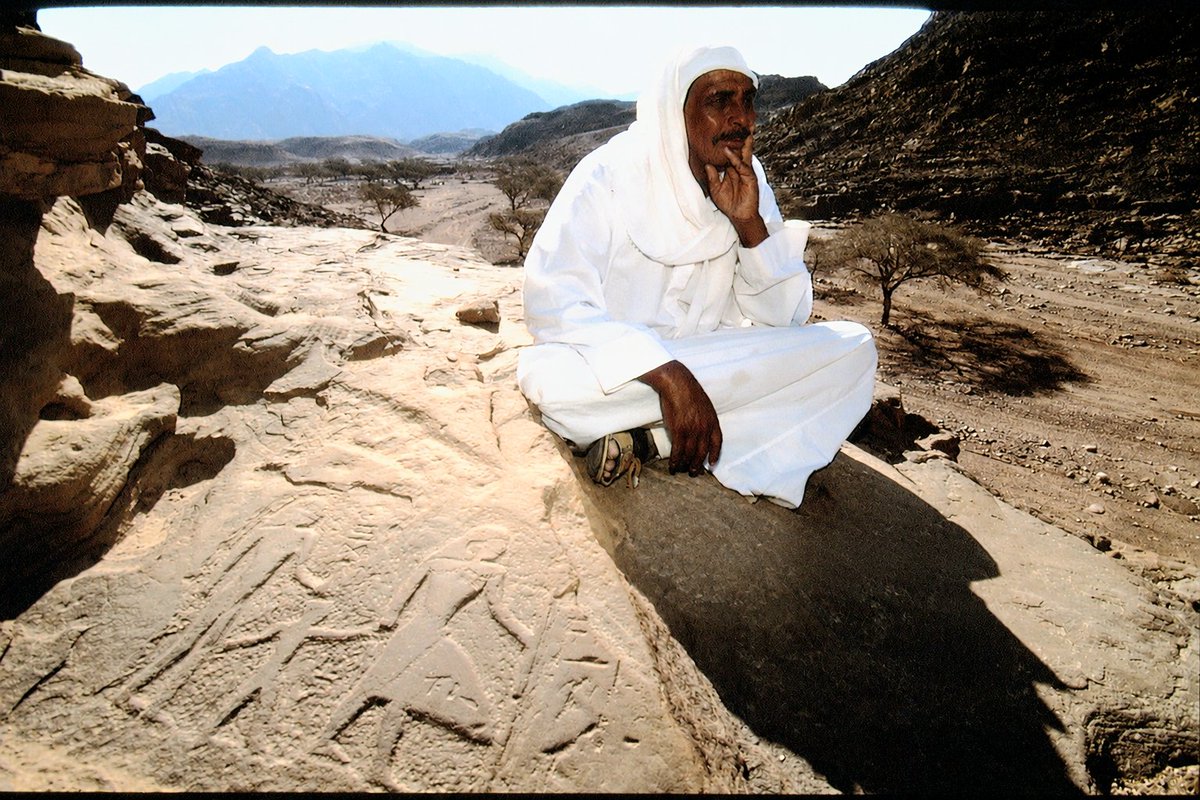
We Arabs love the desert :) 🌵
It is said that the Abbasid poet Ali ibn al-Jahm came from the Bedouin lands and visited Caliph Al-Mutawakkil, intending to praise him with a poem.