🐕�� ¿Quién nos espera después de la muerte? El emotivo cortometraje de Cerveza Victoria que homenajea a nuestras mascotas.
Con más de 2,500 cuadros pintados a mano, A ti, ¿quién te espera? cuenta la historia de Jorge y Rogelio, un xoloitzcuintle rescatado de la calle que se convierte en su compañero inseparable.
🌼 Inspirado en la tradición mexica, donde estos perros guían a las almas hacia el Mictlán, el corto recuerda que el amor por nuestras mascotas permanece incluso después de su partida.
🎬 Una producción mexicana estrenada en 2025 para celebrar el Día de Muertos.
"My client is not in a hurry."
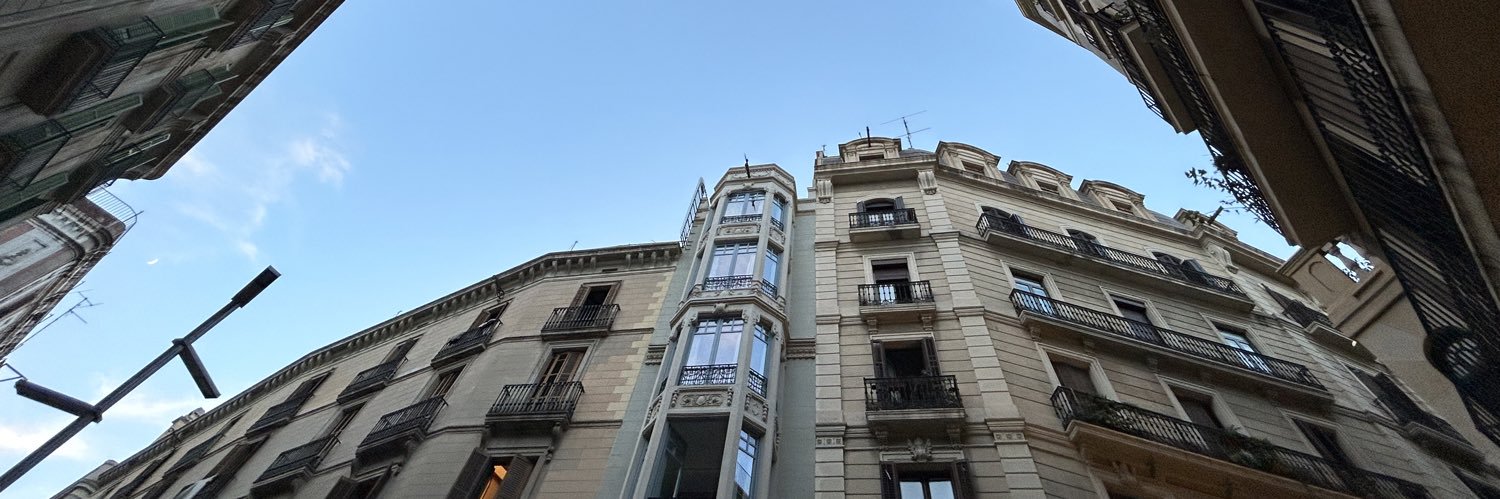
One hundred years ago today, on June 10, 1926, Antoni Gaudí died in Barcelona, three days after being struck by a tram on his way to confession. Because of his simple clothes and unkempt appearance, many mistook him for a beggar and delayed helping him. By the time he was identified, it was too late.
A century later, the man known as "God's architect" is being remembered not only for his genius, but for the faith that inspired it.
Today, Pope Leo XIV will visit the Basilica of the Sagrada Família to bless the newly completed Tower of Jesus Christ, the final and tallest of Gaudí's planned towers. Rising 172.5 meters (566 feet), it makes the Sagrada Família the tallest church in the world.
Gaudí devoted the last years of his life almost entirely to the Sagrada Família, convinced that he was not building a monument to himself but offering a work of praise to God. He famously accepted that he would never see it completed, saying, "My client is not in a hurry."
One hundred years after his death, the basilica remains a testament to a faith capable of imagining eternity—and to a man whose greatest masterpiece was never really about architecture at all.
I know AWS, Docker, Python, Rust, Go, PostgreSQL, Redis, Django, Celery, TypeScript, Next.js, Material UI and CSS. I still look stuff up constantly.
So when I see engineers ranting about job adverts listing too many technologies, I get it. But I also don't.
"I can't be expected to know all of these." That’s fair. But here's what knowing them actually means in practice:
I know about 20 of AWS's 200+ products. The ones relevant to what I build. The rest, I read the docs.
I've built my own container runtime as part of Coding Challenges. I still look things up when using Docker.
I teach Python. I still check the docs.
I've built several Redis clones. I still look things up in the docs.
Django was a decade ago for me. Flask since then. Docs for both, every time.
Next.js, Material UI, CSS? Not my thing. But I've built, fixed and deployed software with all three, because after decades of this I've learned to use documentation and figure stuff out.
Knowing a technology doesn't mean memorising every detail of it.
It means you've been exposed to the ideas, understood the concepts, and built something real with it. The docs fill the gaps. Experience tells you which gaps matter and helps you leverage the docs and AI to fill them.
Some job adverts are unreasonable. But a shopping list of technologies usually isn't asking for mastery. It's asking whether you can jump into the project and make progress without too much help.
Most engineers who've actually used these tools can. They just don't realise that's enough.
Llevo diez años teletrabajando desde casa y, en la medida de lo posible, no volveré a pisar una oficina.
Perder hora y media de ida y otra de vuelta en un sistema de transporte público tercermundista y carreteras colapsadas, junto con el tiempo dilapidado en reuniones que deberían ser simples correos electrónicos, es algo que no le deseo a nadie.
A eso hay que sumar lo absurdo de perder hasta dos horas para comer: restaurantes colapsados salvo que aceptes comer comida basura de máquina, pedir a domicilio o perder tiempo adicional preparando el tupper.
Teletrabajando se me valora por los resultados y los objetivos/KPI alcanzados, no por la puntualidad ni por el tiempo que uno pasa calentando la silla aunque se pase el día vagueando.
Y eso sin entrar en el tiempo perdido “socializando” en la oficina, ni en las absurdas guerras de egos, envidias, mediocridad y cotilleos que acaban devorando la productividad.
Si te quieres concentrar en tu trabajo, en la hora de trabajo, eres tratado como un borde y un trepa, más en los trabajos creativos que en tu casa tienes silencio absoluto, no suena ni un teléfono y en las agencias todo el mundo trabaja en una cuadra para fomentar el teamwork.
Prefiero socializar con mis amigos, vecinos, el quiosquero o el panadero.
En casi todas las empresas conoces a dos o tres personas cojonudas; al resto, sinceramente, preferirías no volver a verlas jamás y sabes que siempre van a ascender al más hijo de puta.
Siempre, siempre, siempre hay un ambiente tóxico que no tienes por qué sufrir cuando trabajas de manera externa.
Entre el transporte, la supuesta socialización y la comida, ya has perdido más de cinco horas de tu vida cada día; cinco horas que podrías dedicar a tener tiempo libre, formarte o incluso trabajar para otra empresa.
Otro día se podría hablar del otro extremo: las jaulas de oro diseñadas para que pases doce horas diarias encerrado y solo vayas a casa a dormir. Curiosamente, de eso no he oído a nadie quejarse.
David Letterman to Jeffrey Goldberg on Jimmy Kimmel’s suspension: “You can’t go around firing somebody because you’re fearful or trying to suck up to an authoritarian—a criminal—administration in the Oval Office. That’s just not how this works.” #TAF25