Nisha a powerful role model, despite an early marriage and child she has established a small business using livelihoods training and peer group support @FCDOGEC
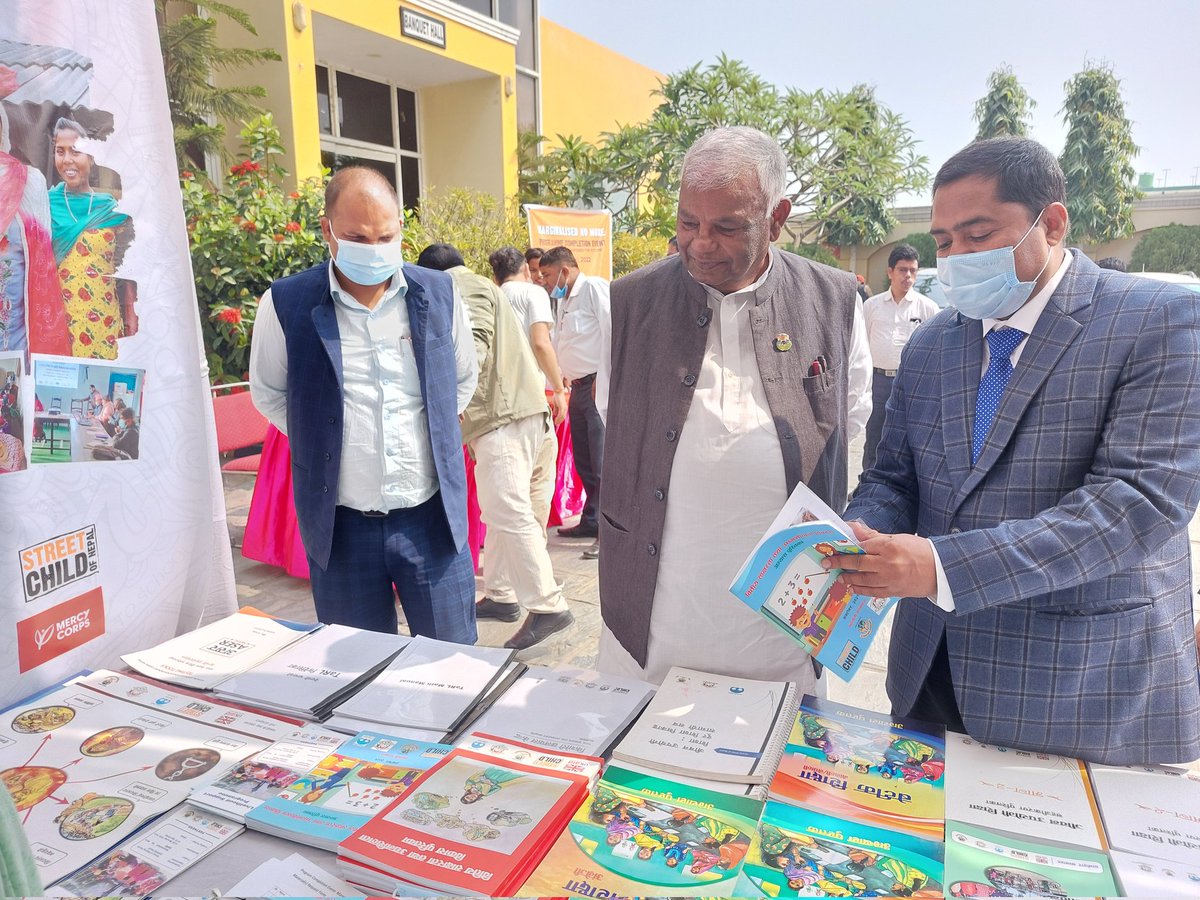
Mr. Nawal Kishor Sah Honorable Minister for Social Development (Madesh Pradesh) visits the learning booth to understand more the #Marginalisednomore programme
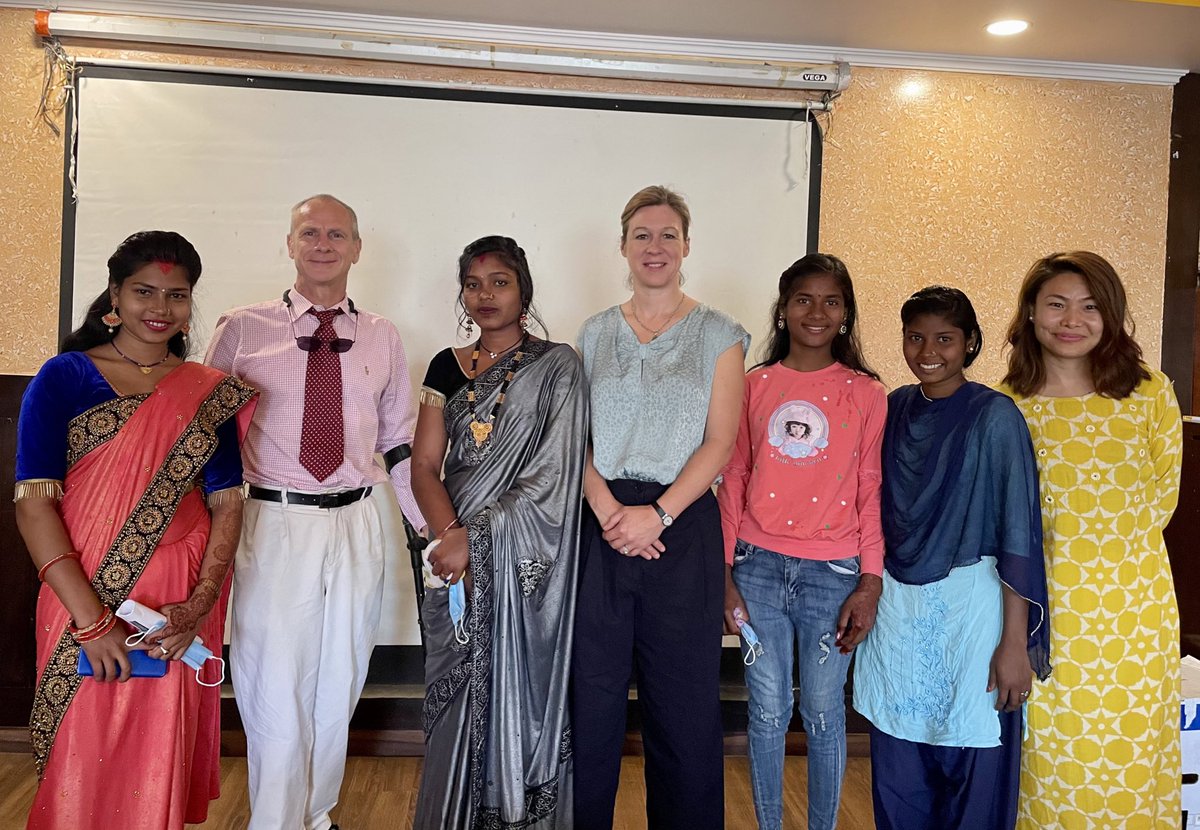
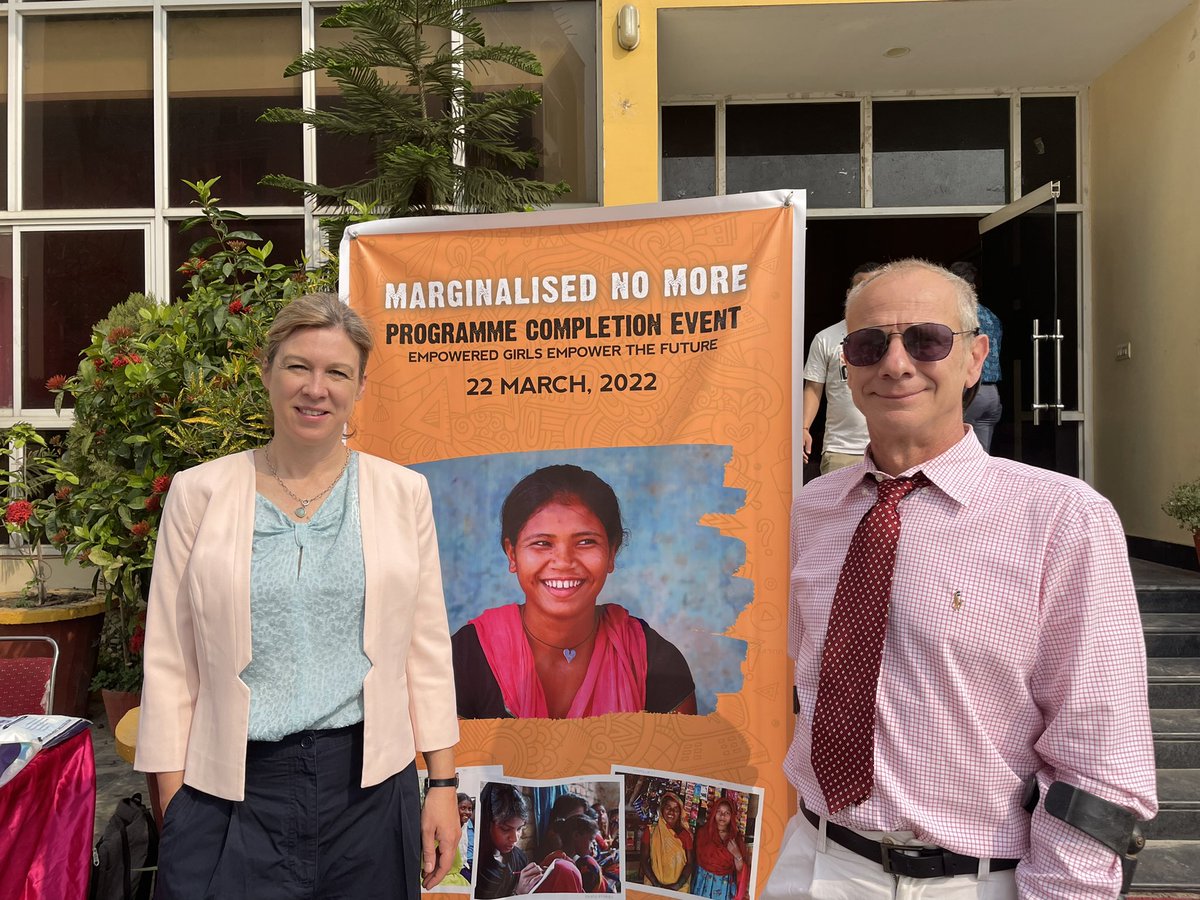
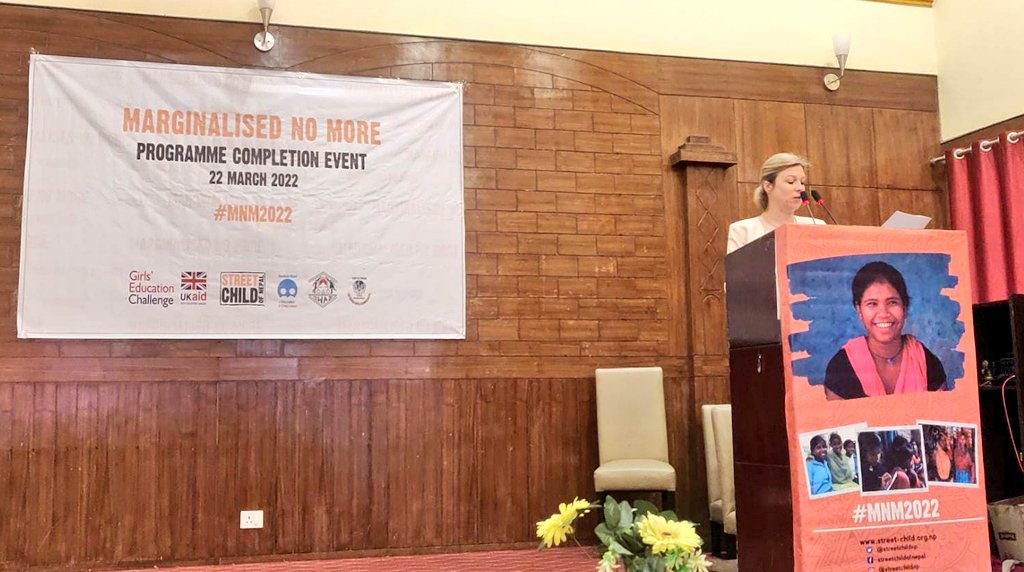
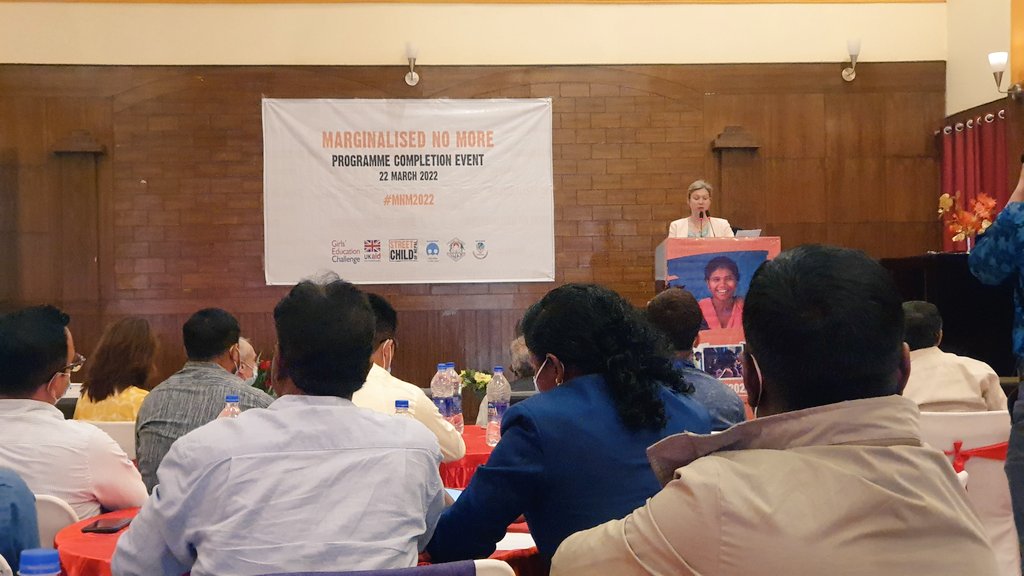
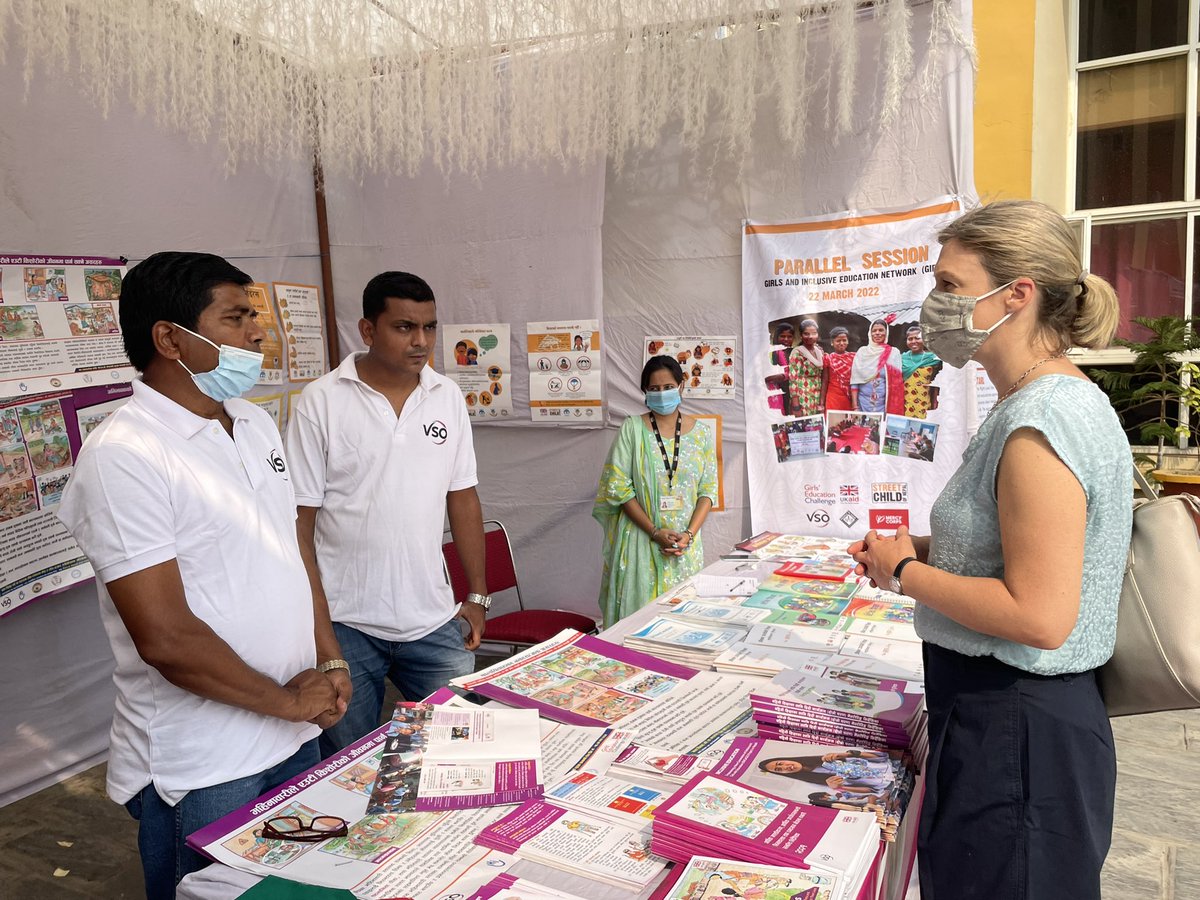
"Today I am fascinated to learn more about the work that has been done through the #marginalisednomore programme...This is one of the #Girlseducationchallege highest performing projects globally"- Nicola Pollitt, British Ambassador to Nepal.
@FCDOGEC@streetchilduk
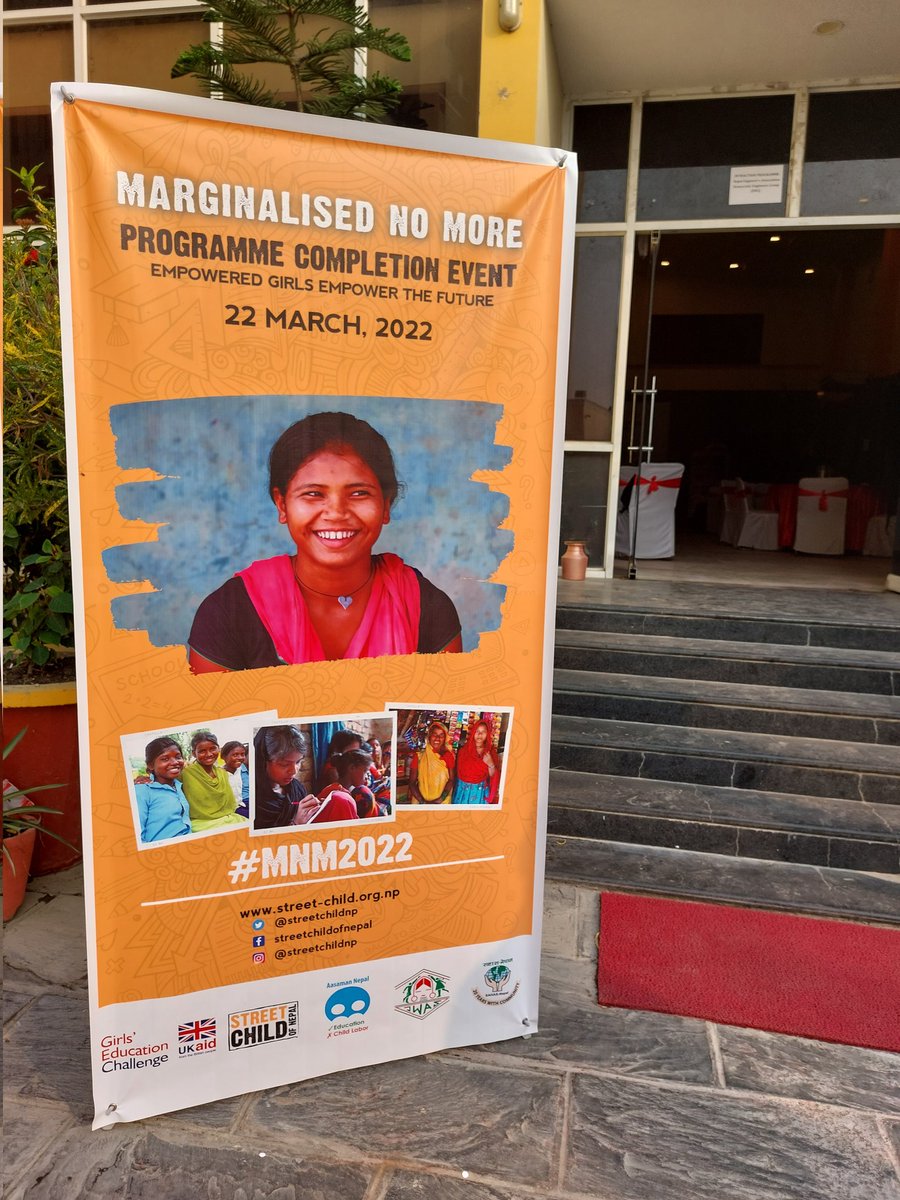
Local communities and leaders in Madhesh Pradesh understand the importance of investing in educating girls. Their hands on support has been key to the success of 🇬🇧 Marginalized No More programme to improve #girlseducation in #Nepal’s Musahar community.
#MNM2022@streetchildnp
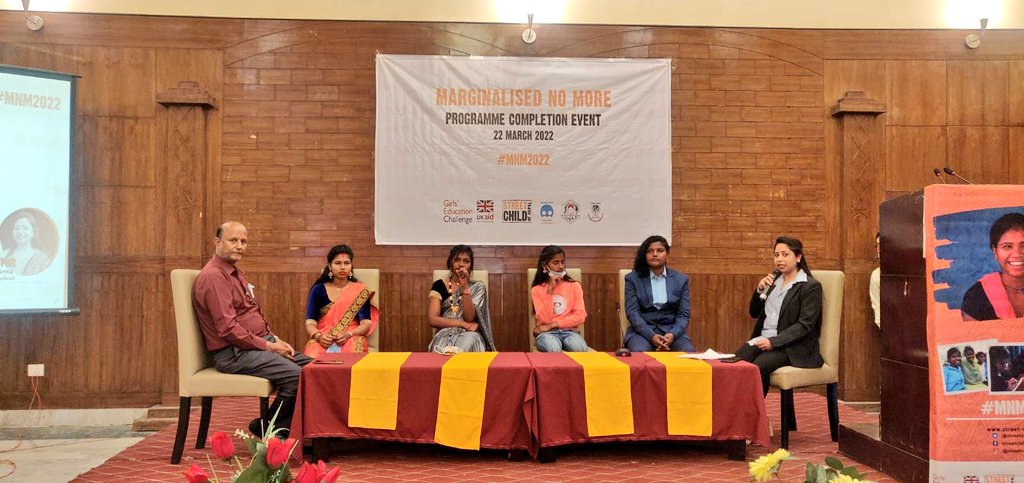
Tara Devi Sada a programme graduate and a member of the Kishori Chafal Kendra (KCK) will also be joining us during the Programme Completion event. As an active member of the KCK, Tara will be talking about the Girls and Inclusive Education Network (GIEN).
#Girlseducationchallenge
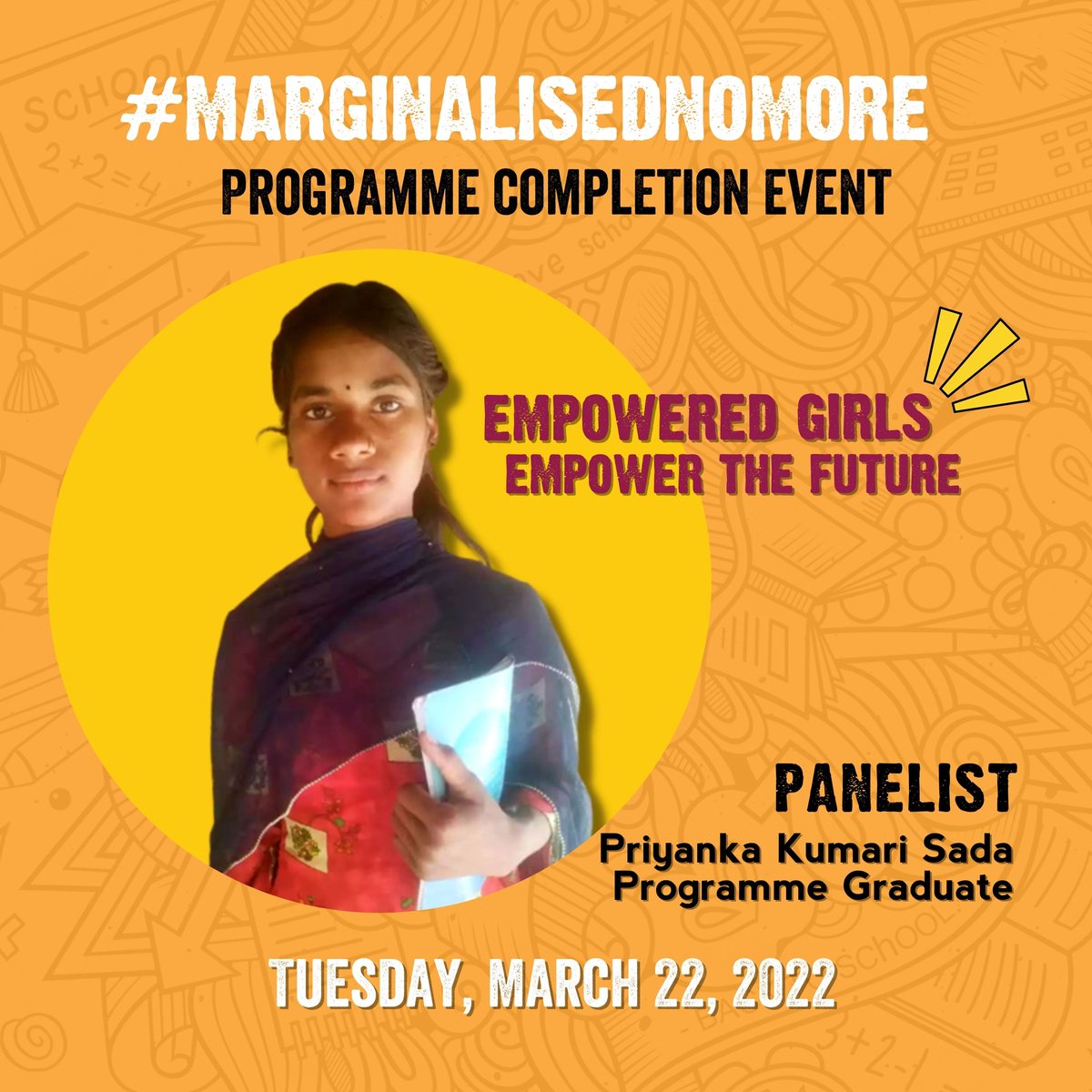
Another one of our graduates who has successfully transitioned into formal education will also be participating in the Programme Completion Event. Priyanka will be speaking about her journey in the programme.
#Girlseducationchallege#marginalisednomore#ukaid#MNM2022
Our programme graduates are feeling excited to share their experiences during the panel discussion that is happening today at the Completion Event #MNM2022#GEC 😀🤗
I get deeply frustrated when researchers make assumptions that parents are completely unaware of returns to education. Parents and communities know. There are many other factors that prevent them sending their kids to school. They think about long-term vs immediate pay offs.
It reeks to me as classist in some way when we assume that parents "just don't know better", as if, because they are possibly uneducated themselves, they can't be smart enough to see returns to education. They do, they can.
In fact, I think they understand what they think is possible in their lives better than researchers do. But we always, continually work with our classist frameworks and only ask questions the way *we* think.
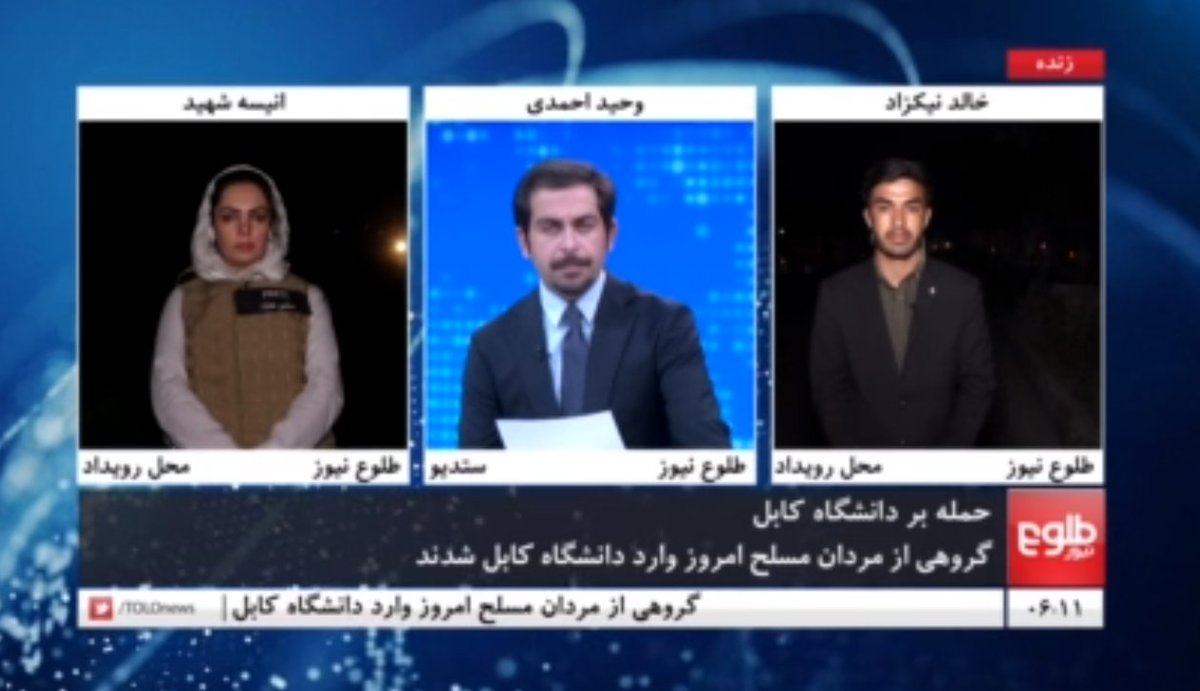
TOLOnews reporter Anisa Shaheed says some families are still waiting outside Kabul University to know about their loved ones who have been affected in today's attack.
Devastating attacks on educational institutions in Afghanistan and Cameroon. Schools must be spaces on safety and stability for children. @streetchilduk https://t.co/SsNmszLkP9
The narrative of "development impact" in our industry is so geared toward a specific, very idiosyncratic model of policy formation: foreign researchers and NGOs "innovate" and poor governments "take up" their successful ideas.
Deviating from that script almost feels impolite.
“Education in Africa: What Are We Learning?”
In our new working paper, @AcostaAminaM and I synthesize more than 140 evaluations of education interventions in Africa since 2014.
Working paper: https://t.co/6VC2NvYUuf
Summary blog post: https://t.co/VMrpHUInaj
[Thread below]
First they said they needed data
about the children
to find out what they’re learning.
Then they said they needed data
about the children
to make sure they are learning.
Then the children only learnt
what could be turned into data.
Then the children became data.













![DaveEvansPhD's tweet photo. “Education in Africa: What Are We Learning?”
In our new working paper, @AcostaAminaM and I synthesize more than 140 evaluations of education interventions in Africa since 2014.
Working paper: https://t.co/6VC2NvYUuf
Summary blog post: https://t.co/VMrpHUInaj
[Thread below] https://t.co/kLG0QvPouR](https://pbs.twimg.com/media/EfyYzssWkAAozTN.png)


