Key objections / directions by Sri Akal Takht Sahib
1. The Act was passed without the opinion and consent of the Guru Khalsa Panth.
2. Matters related to Sri Guru Granth Sahib Ji must remain under Panthic authority.
3. The government should not define Sikh religious terms on its own.
Sikh maryada-based language should be used in the law.
4. Words like “store”, “storage” and “supply” should be replaced with respectful Sikh terms.
5. Any definition of Saroop, Gurbani, Gutka Sahib, Pothis and Senchis must be approved by Sikh institutions.
6. Government-backed committees should not control matters related to Sri Guru Granth Sahib Ji.
7. Registration of Saroops and unique identification numbers is a sensitive issue.
8. Details of Saroops should not be uploaded on any public website.
9. Records, if needed, should be handled through Panthic institutions, not direct government control.
10. Police should not seize Saroops or sacred texts as ordinary case property.
11. In any beadbi case, sacred texts should be handed over respectfully to authorised Sikh institutions.
12. The law should not interfere in prakash, sukhasan, sewa sambhal or transportation of Saroops.
13. Punishment clauses should be clearly defined to avoid misuse against sevadars, granthis or sangat.
14. The law should target not only the offender but also the conspiracy behind beadbi incidents.
15. The root causes of sacrilege must be addressed.
16. Past beadbi cases and the forces behind them remain unresolved.
17. The government should not have sole power to frame rules under this law.
18. Any future rules must be made in consultation with Sri Akal Takht Sahib and SGPC.
Overall, Sri Akal Takht Sahib has directed that the law must respect Sikh maryada, Panthic authority and religious sensitivity.
Sri Akal Takht Sahib Jathedar Giani Kuldeep Singh Gargaj warned the Punjab government over the activities of two IT cell groups. He gave the government a 10-day ultimatum to stop the narrative being spread by these IT cells against Sri Akal Takht Sahib. He further said that if the government fails to act within the stipulated time, the Panth will march to the IT cell offices to stop their activities.
Several attempts were made to stop Satluj, earlier known as Punjab ’95. But after the ban on OTT, the story seems to be travelling even faster among people. There are reports that a full 2-hour, 29-minute and 22-second version of the film, reportedly around 1 GB in size, is circulating on WhatsApp.
Diljit Dosanjh wrote from his X/Twitter handle @diljitdosanjh:
“Hun Ni Rukni Film. Khalra Saab Di Avaaz Nu Koi Ni Dabaa Sakda.”
Satluj is no longer just a film. It has become a memory, a question, and a debate on freedom of expression.
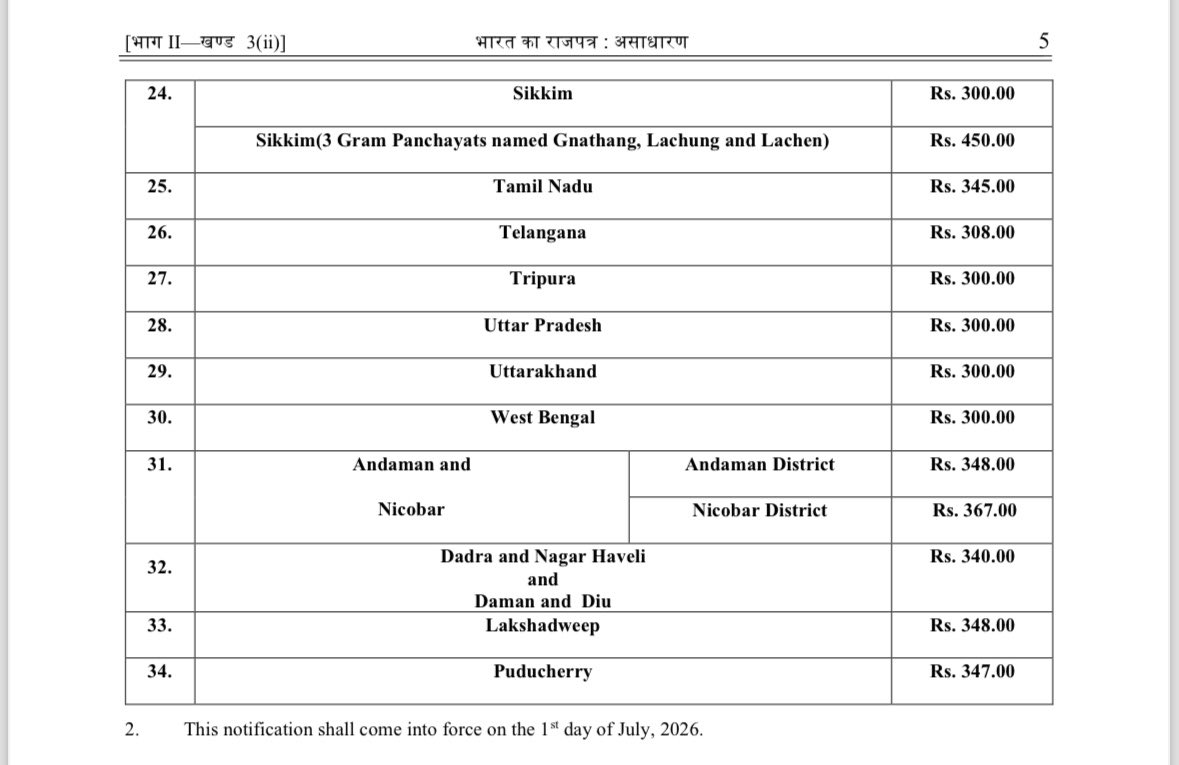
Today, the Modi Government has notified the VB-GRAMG and the daily wage rate due to workers under the scheme. The injustice of the Modi Government’s new law aside, the wages due to workers are also unjustifiably low – largely at Rs. 300 per day.
In the 2024 Lok Sabha campaign, @INCIndia as part of its Shramik Nyay campaign had guaranteed a Rs. 400 national daily minimum wage to all workers – including for MGNREGA. The Expert Committee headed by Dr. Anoop Satpathy set up by the Modi Government had also recommended a national minimum wage floor at Rs 375 per day, back in 2019. The Parliamentary Standing Committee on Rural Development under the Chairmanship of @saptagiriulaka has also consistently recommended higher wages for MGNREGA workers.
Given the widespread minimum wage protests in industrial hubs like Noida, and at a time when the stagnation of rural wages is widely recognized as a key constraint on our economic growth, this notification is both a snub to India’s workers and unwise economic policy.
A just minimum wage for India’s workers would adopt Dr. Satpathy’s recommendation and accommodate the increase in prices since then.
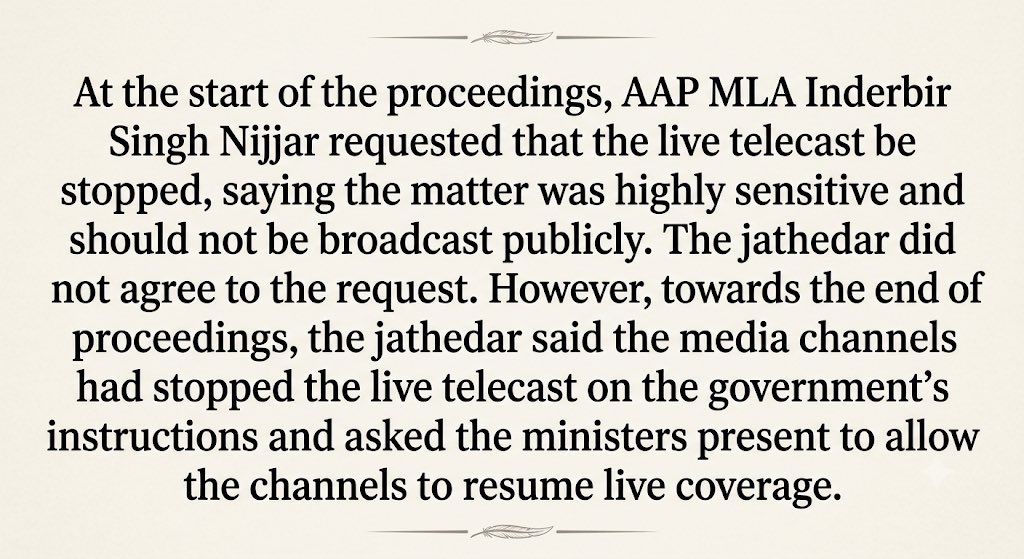
👉 "After stopping the live telecast of the Punjab Assembly, they have now halted the live broadcast of proceedings from Sri Akal Takht Sahib on television. 'Guru Dokhi' Bhagwant, the Sikh community will never forget your arrogance. Your name is now associated with Zakariya Khan."
👉 Earlier, the live telecast of the Punjab Assembly was stopped to silence the Opposition. Today, the proceedings of Sri Akal Takht Sahib have also been taken off television.
👉 Jathedar Sahib had to say, "Speaker Sandhwan, call the television channels. The Sikh community wants to hear the proceedings."
👉 "Guru Dokhi" Bhagwant could not tolerate the voice of truth from the Takht and allegedly had the live broadcast stopped.
👉 If channels can stop broadcasting the Guru's house at the government's behest, how will they show Punjab's truth?
👉 Directly responsible: Bhagwant Mann. Enablers: the television channel owners and their officials.
👉 The Sikh community will never forgive this.
👉“ਗੁਰੂ ਦੋਖੀ ਭਗਵੰਤ ਨੇ ਵਿਧਾਨ ਸਭਾ ਵਾਂਗ ਹੁਣ ਸ਼੍ਰੀ ਅਕਾਲ ਤਖ਼ਤ ਸਾਹਿਬ ਦੀ ਕਾਰਵਾਈ ਦਾ ਸਿੱਧਾ ਪ੍ਰਸਾਰਨ ਚੈਨਲਾਂ ਤੇ ਬੰਦ ਕਰਵਾਇਆ – ‘ਗੁਰੂ-ਦੋਖੀ’ ਭਗਵੰਤ ਤੇਰਾ ਹੰਕਾਰ ਸਿੱਖ ਕੌਮ ਨਹੀਂ ਭੁੱਲੇਗੀ!” ਤੇਰਾ ਨਾਮ "ਜ਼ਕਰੀਆ ਖ਼ਾਨ" ਨਾਲ ਜੁੜ ਚੁੱਕਿਆ ਹੈ।
👉ਪਹਿਲਾਂ ਵਿਧਾਨ ਸਭਾ 'ਚ ਵਿਰੋਧੀਆਂ ਦੀ ਅਵਾਜ਼ ਦਬਾਉਣ ਲਈ ਲਾਈਵ ਬੰਦ ਕਰਦੇ ਸੀ, ਅੱਜ ਸ੍ਰੀ ਅਕਾਲ ਤਖ਼ਤ ਸਾਹਿਬ ਦੀ ਕਾਰਵਾਈ ਵੀ ਚੈਨਲਾਂ ਤੇ ਰੋਕ 'ਤੀ!
👉ਜਥੇਦਾਰ ਸਾਹਿਬ ਨੂੰ ਖੁਦ ਕਹਿਣਾ ਪਿਆ – “ਸਪੀਕਰ ਸੰਧਵਾਂ, ਚੈਨਲਾਂ ਨੂੰ ਫੋਨ ਕਰੋ, ਕੌਮ ਸੁਣਨਾ ਚਾਹੁੰਦੀ ਹੈ!”
👉‘ਗੁਰੂ-ਦੋਖੀ’ ਭਗਵੰਤ ਨੂੰ ਤਖ਼ਤ ਤੋਂ ਉੱਠਦੀ ਸੱਚ ਦੀ ਅਵਾਜ਼ ਮਨਜ਼ੂਰ ਨਹੀਂ, ਇਸ ਲਈ ਚੈਨਲਾਂ ਨੂੰ ਕਠਪੁਤਲੀ ਬਣਾ ਕੇ ਪ੍ਰਸਾਰਣ ਰੁਕਵਾਇਆ।
👉ਜੋ ਚੈਨਲ ਸਰਕਾਰ ਦੇ ਇਸ਼ਾਰੇ 'ਤੇ ਗੁਰੂ ਘਰ ਦੀ ਬਾਣੀ ਰੋਕ ਸਕਦੇ, ਉਹ ਪੰਜਾਬ ਦਾ ਸੱਚ ਕੀ ਦਿਖਾਉਣਗੇ?
👉ਸਿੱਧਾ ਜ਼ਿੰਮੇਵਾਰ: ਭਗਵੰਤ ਮਾਨ, ਕਰਿੰਦੇ: ਚੈਨਲਾਂ ਦੇ ਮਾਲਕ ਤੇ ਉਹਨਾਂ ਦੇ ਅਧਿਕਾਰੀ।
👉ਇਸ ਵਰਤਾਰੇ ਨੂੰ ਸਿੱਖ ਕੌਮ ਮਾਫ ਨਹੀਂ ਕਰੇਗੀ!
#AkalTakhtDaApmaan #GurudokhiSarkar #MediaKilledDemocracy
@SpeakerSandhwan@AAPPunjab@AamAadmiParty
Just watched live broadcast of session where Sikh MLAs and Cabinet Ministers appeared before Akal Takht over anti-sacrilege law.
Majority of 92 AAP MLAs who gave their vote of approval for anti-sacrilege law did not read a single line of law.
Earlier, even CM himself had publicly made incorrect statements on certain important provisions of law. Poor handling of such a sensitive matter is appalling. @BhagwantMann@ArvindKejriwal
Today, I apprised Sri Akal Takht Sahib that the @AAPPunjab government chose to ignore the constructive suggestions made by me as Leader of Opposition on April 13 regarding the sacrilege act.
Governments must listen with humility, not arrogance, when institutions of such immense spiritual authority raise concerns.
@INCIndia@INCPunjab
What is the Nehru-Tara Singh Pact of 1959 which came up at the Akal Takht Jathedar’s meeting with Sikh MLAs and Ministers today?
It is an agreement reached on April 12, 1959, between Prime Minister Jawaharlal Nehru and Master Tara Singh, prominent Sikh leader and president of the Shiromani Akali Dal.
Background
In early 1959, the Punjab government under Chief Minister Partap Singh Kairon (Congress) unilaterally amended the Sikh Gurdwaras Act, 1925. It was the first such major change in over 60 years. The amendment aimed to alter the management and composition of the Shiromani Gurdwara Parbandhak Committee (SGPC), which oversees Sikh gurdwaras. Sikhs, led by Master Tara Singh, viewed this as government interference in their religious affairs.
This sparked strong protests, arrests of Akali workers, and tensions. Master Tara Singh announced a fast unto death starting April 16, 1959, to highlight Sikh grievances over perceived state meddling in gurdwara management and the Act.
In response, Nehru invited Tara Singh for talks on April 11, 1959, leading to the pact.
Key Provisions of the Pact
The agreement affirmed core principles and outlined a mechanism to address complaints:
1. No governmental interference in religious affairs, particularly gurdwara management.
2. Recognition of complaints about interference in the Sikh Gurdwaras Act and its administration.
3. Formation of a joint committee (two members nominated by the Punjab government and two by Master Tara Singh/SGPC) to investigate complaints and ensure non-interference.
4. Future amendments to the Gurdwaras Act would require approval by at least two-thirds of the SGPC’s general body, preventing unilateral government changes.
Akal Takht Jathedar Giani Kuldeep Singh Gargajj started the proceedings for the appearance of Punjab's Sikh MLAs at the Akal Takht with verses from the Guru Granth Sahib that are often used to harshly criticize the establishment.
Pg no. 1288, written by Guru Nanak Dev ji
The Jathedar asked the government and opposition to include a clause in the anti-sacrilege law. Under this clause, if a follower of an anti-Sikh dera (sect) commits sacrilege intentionally or as part of a conspiracy, a case would also be registered against the head of that dera.
Sri Akal Takht Sahib has given the Punjab govt one month to revise the Act. In response to the Sikh slogan “Jo bole so nihal, sat sri akal,” all the MLAs and ministers raised their hands in agreement to make further amendments to the law.