A full-service digital marketing agency that thrives on 360⁰ innovation, meticulous planning & non-stop creativity to deliver digital delight to clients.
68% of Google searches now end without a click, per @sparktoro . SEO still feeds GEO, but traffic is an outdated KPI. Measure conversions from all channels. AI answers pull from everywhere, so siloed strategies lose.
Google Business Profile data is moving into Google Analytics in the coming weeks.
Calls, directions, bookings, and website clicks from GBP will sit alongside web behavior in GA reports.
Local and digital reporting can now be consolidated.
Google has launched Search profiles, a followable landing page for publishers and creators inside Search and Discover.
This launch indicates a shift from pure ranking signals toward source-based, follow-driven discovery and provides marketers with a new space to showcase brands
Google Ads starts deleting historical data on June 1. Granular daily and weekly reporting lasts 37 months; reach and frequency just 3 years. Enterprise media mix models run on exactly that data. Export it before the window closes.
Google Search Console now reports how your pages appear in AI Overviews and AI Mode: impressions, pages, countries, devices and dates.
No click data just yet.
A separate toggle lets you block content from AI features with no core ranking penalty. UK site owners get access first
Google is putting Preferred Sources inside AI Overviews and AI Mode, and users click them at twice the rate. A new "Highly Cited" badge rewards original reporting. AI visibility now turns on who your audience already trusts.
Google's May 2026 core update peaked Saturday with its worst volatility yet. Regulated and YMYL verticals took the hardest hit. The rollout is nearly done, so hold structural changes until it completes.
Introducing Uno on One. A new series where we meet the people behind the work at RankUno.
Episode 1 features Ashna Soni, who breaks down why “strategic empathy” matters in social media marketing, balancing data, creativity, and audience emotion to help brands stand out.
Google has redesigned the Search box around AI, calling it the biggest change to Search in 25 years. It now supports longer prompts, multimodal inputs, conversational follow-ups, and AI-powered agents.
Search is shifting from keyword retrieval to intent-driven interaction.
Google’s new AI optimization guidance pushed back against tactics like “AI-first” content rewrites, unnecessary llms.txt files, and content engineered purely for AI extraction.
Instead, Google says AI visibility comes from helpful content, real expertise, and original insights.
Google Analytics now includes a dedicated AI Assistant traffic channel.
Brands can now track visits coming from ChatGPT, Gemini, Claude, and other AI tools directly inside GA reports.
AI-driven discovery is becoming measurable inside standard analytics workflows.
Google has ended FAQ-rich results in Search. FAQ dropdowns no longer appear in SERPs, and Search Console reporting is being phased out, too. This move marks a broader shift away from old SERP enhancement tactics and toward search built around E-E-A-T.
Google is testing Gemini 3 model selection directly inside Search. Users can switch between Pro, Fast, and Auto. That means two users could search the same query and get different AI search experiences. Search is becoming less standardized and more adaptive to user intent.
Google is making links more visible inside AI Overviews. Results now include inline links, richer source previews, forum references, related topic prompts, and creator labels. This should increase clicks from AI search results for brands publishing original, authoritative content
Adobe has finished the acquisition of Semrush and is bringing it into its CX Enterprise suite.
Expect potential increases in cost in the future, better integration if you already use CX Enterprise, and more focus on AI-driven discoverability (GEO).
OpenAI is introducing CPC ads in ChatGPT and testing an Ads Manager. Clicks are reportedly priced around $3–$5, which puts this closer to paid search than display.
This adds a new layer to performance media planning.
We asked our content team: “What’s your take on em dashes?”
Got back:
• A Linkin Park lyric
• A cooking analogy
• Anti-AI propaganda
• A Friends reference
• “There is no spoon”
Conclusion:
Em dashes have evolved beyond punctuation and have become a personality trait.
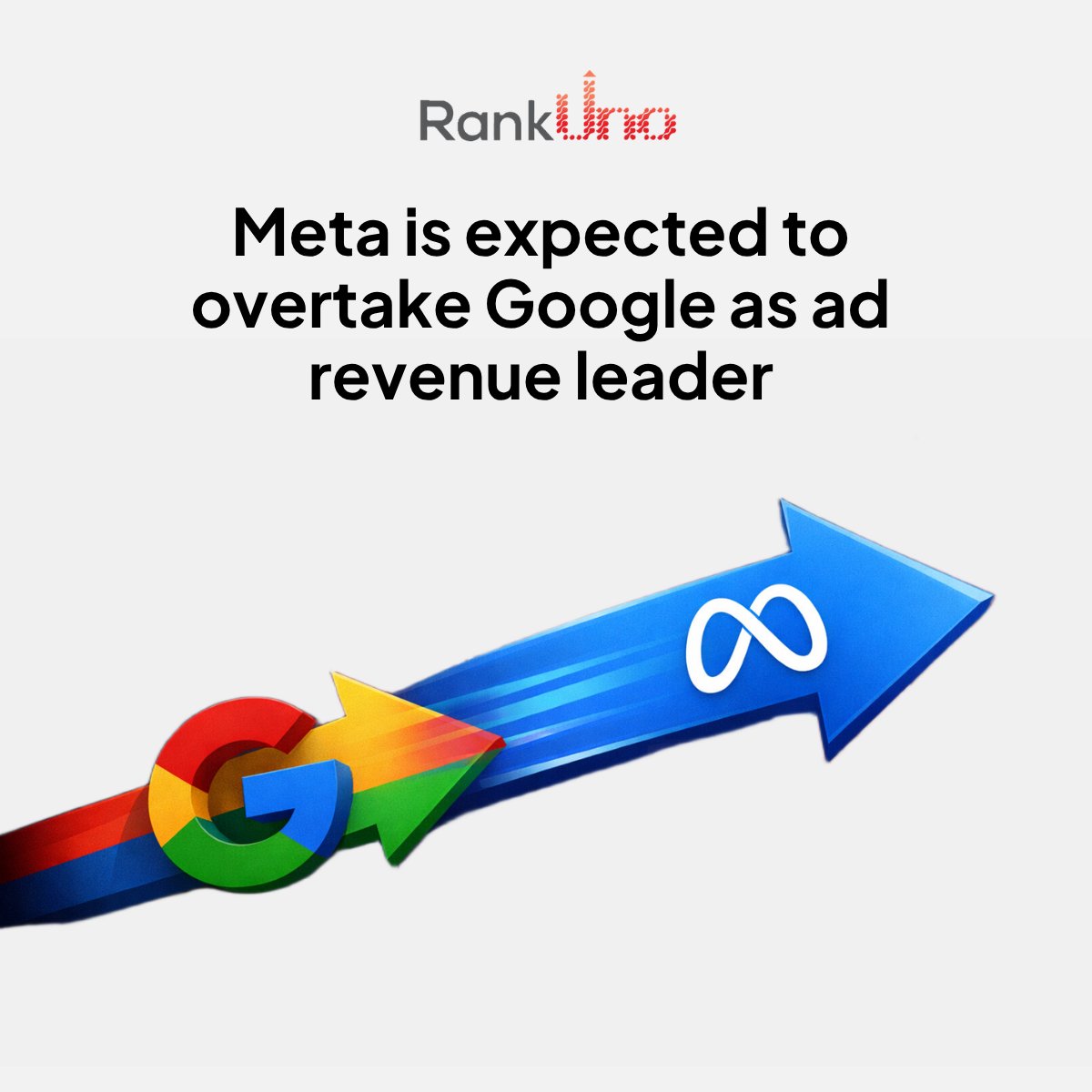
Meta is poised to overtake Google in ad revenue, @eMarketer reports. But that shouldn’t be the sole reason to pivot your ad strategy. Trends will come and go, but real success comes from identifying the right platforms for your specific audience.
Google fixed a GSC bug that inflated impressions since May 2025. If you’re seeing a drop, it’s likely a data correction, not a performance issue. Clicks remain unchanged.