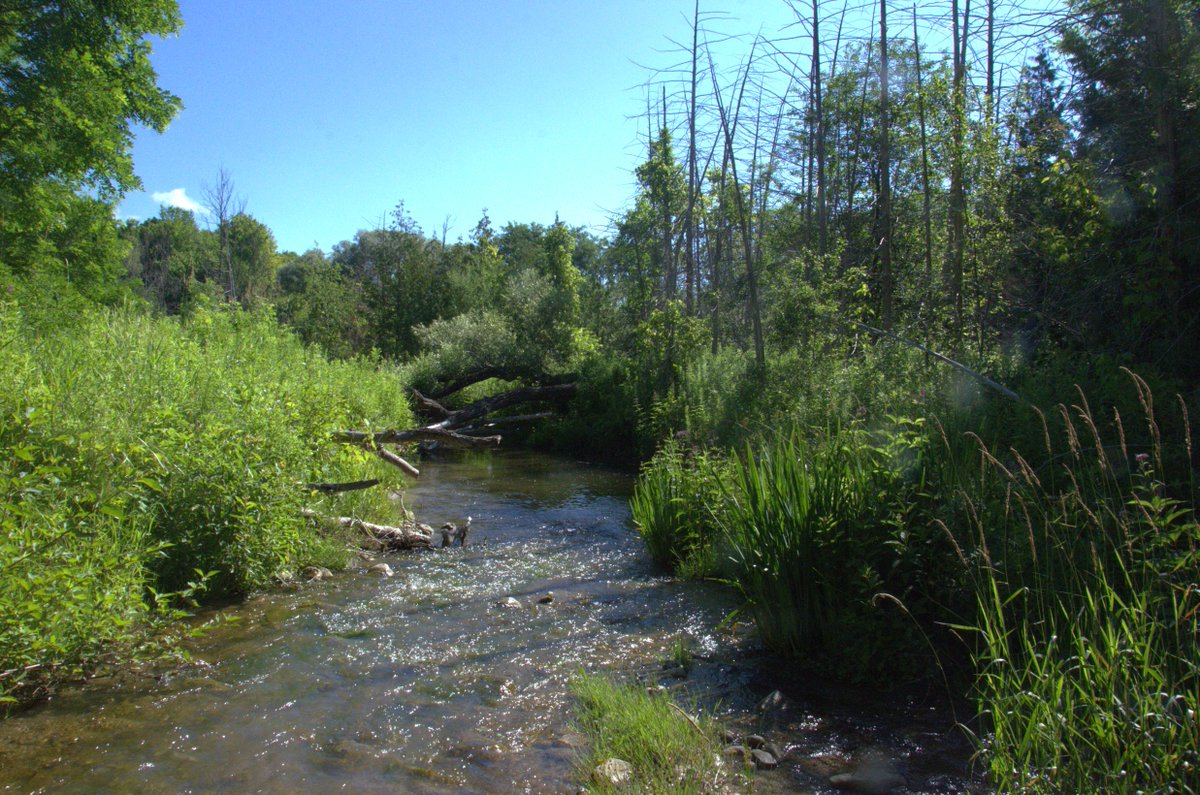
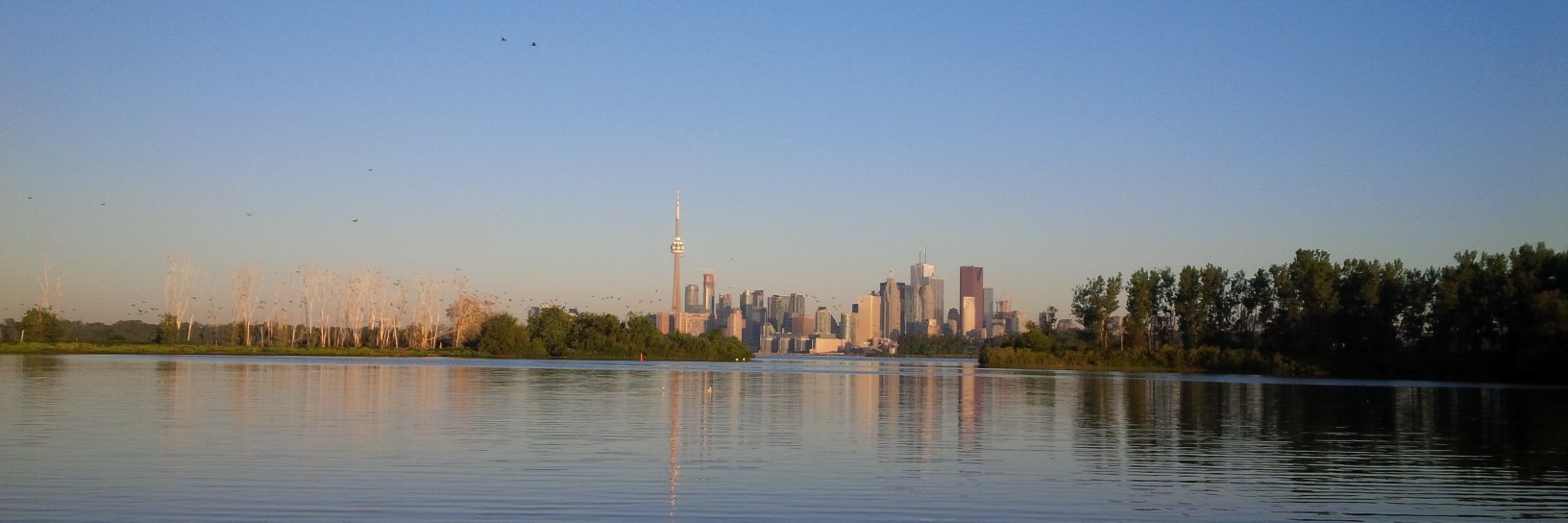
Looking for your next fishing adventure? Toronto is a fantastic place for anglers, offering a variety of fish species. Whether you’re a seasoned angler or a beginner, Toronto tributaries offer exciting fishing opportunities. Grab your gear and explore what we have to offer!
Fish Responsibly!
River fishing is a wonderful way to enjoy nature, but it’s crucial to fish responsibly to conserve resources and maintain good community relations. Here are some tips to ensure you’re fishing responsibly:
Follow fishing regulations: Always adhere to size and catch limits and fish sanctuaries. 📜 Remember, snagging a fish is illegal. A snagged fish must be immediately released. 🎣
Respect property owners: Always read and adhere to signs. 📋 Fishing on private property without the owner's consent is illegal.
Leave no trace: Dispose of trash property and avoid leaving fishing gear behind. Help keep our rivers pristine! 🗑️
Respect wildlife: Be mindful of other wildlife and their habitats. Avoid disturbing wildlife and be cautious around plants and animals. 🦆
Let’s enjoy the beauty of river fishing while protecting our precious waterways! 🌊🎣
For more information visit https://t.co/OHfsy8aXoU
#FishFriday
@ONresources
#ICYMI the Toronto and Region Remedial Action Plan is hosting a virtual #LakeOntario Evening examining water quality improvements in the Toronto #AOC! Visit our website for further details and registration. https://t.co/eGD2CA7W0h
Join us September 25th from 5:30-7:30pm for a virtual #LakeOntario Evening which will showcase three presentation examining water quality improvements in the Toronto #AOC. Visit our website for details and registration: https://t.co/eGD2CA8tPP
World Water Quality Month is here and protecting our streams continues to be a priority!
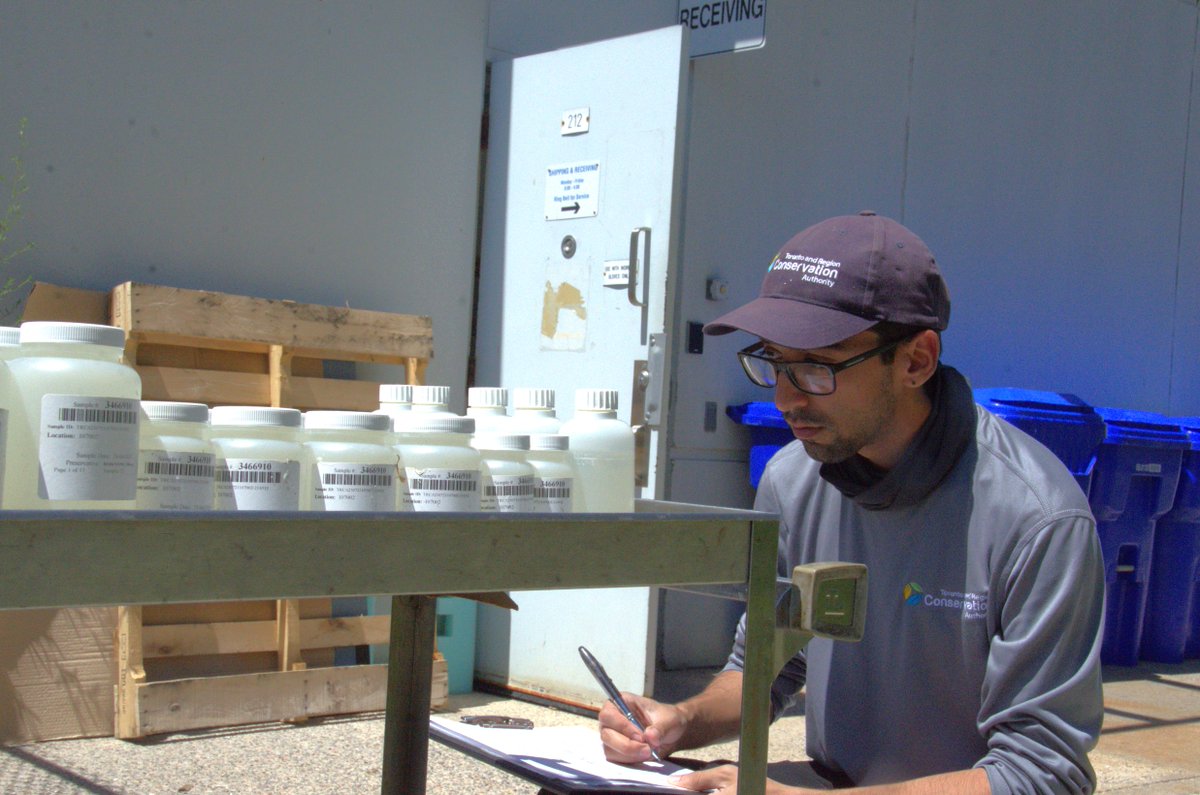
At TRCA, we’re monitoring surface water quality in the Toronto region. In partnership with the Ontario Ministry of the Environment, Conservation and Parks, we collect and analyze around 500 samples each year from across 50+ stream sites.
Why? Because what happens on land affects what ends up in our water.
-Urban runoff, road salt, and wastewater are putting pressure on our freshwater ecosystems
-Our data shows that chloride levels are rising, threatening fish and other aquatic life
-The good news? Nutrients like phosphorus have decreased in streams over time
Check out the latest data and see how the water quality in your watershed is doing: https://t.co/5lmWZe6N00
Let’s keep our water clean for the environment and for future generations.
@ONenvironment
Thank you to everyone who shared their thoughts on what climate and weather-related impacts are being felt along the coast of Western Lake Ontario.
Check out our project webpage where the survey results and best practices report will be shared: https://t.co/WxKYGjdzAG
Stay connected about other Land to Lake initiatives in Western Lake Ontario: https://t.co/YmksLgRWy0
@ONgov
Celebrating 25 Years of Monitoring!
Our Regional Watershed Monitoring Program has been monitoring forests, meadows, wetlands, streams and the species that inhabit them for a quarter of a century. WOW!
In this video, you will hear from both new and veteran staff about the many ways in which the Regional Watershed Monitoring Program has made a difference.
You can also check out our new webpage that highlights the program’s milestones and achievements: https://t.co/YCskNxED7m
#TRCA #WatershedMonitoring #Meadows #Streams #Wetlands
@cityoftoronto@regionofpeel@YorkRegionGovt@durhamregion@RAP_Toronto@ONgov
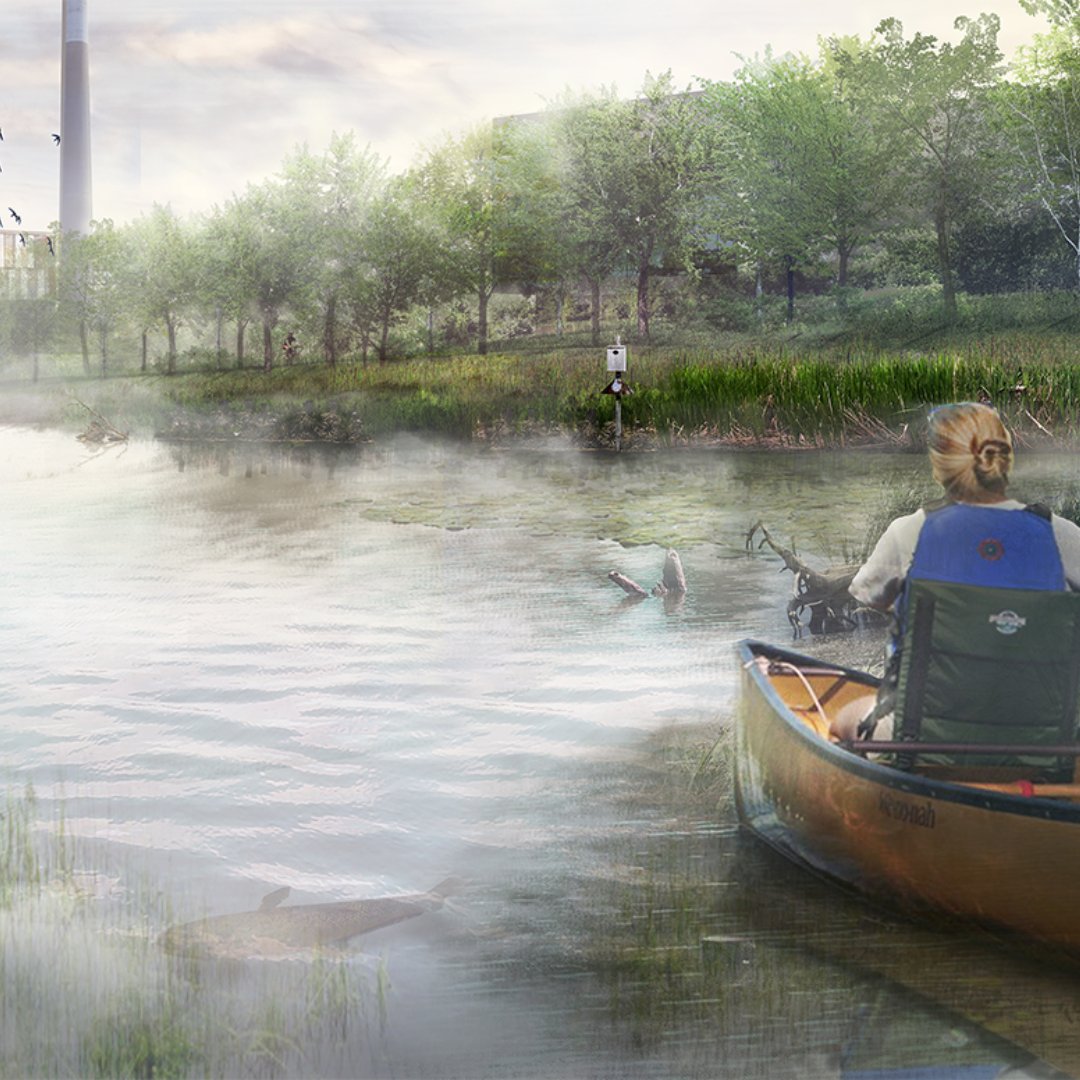
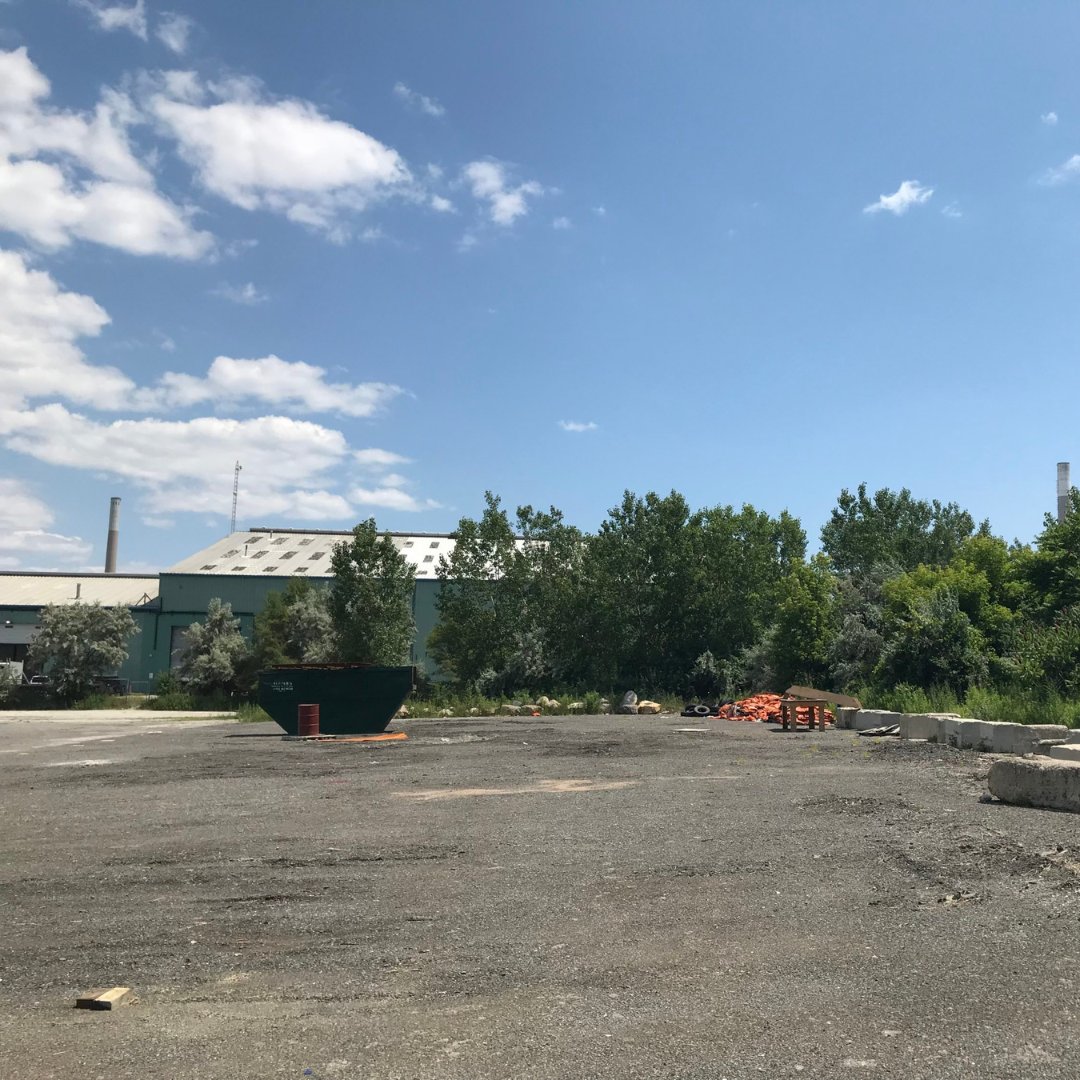
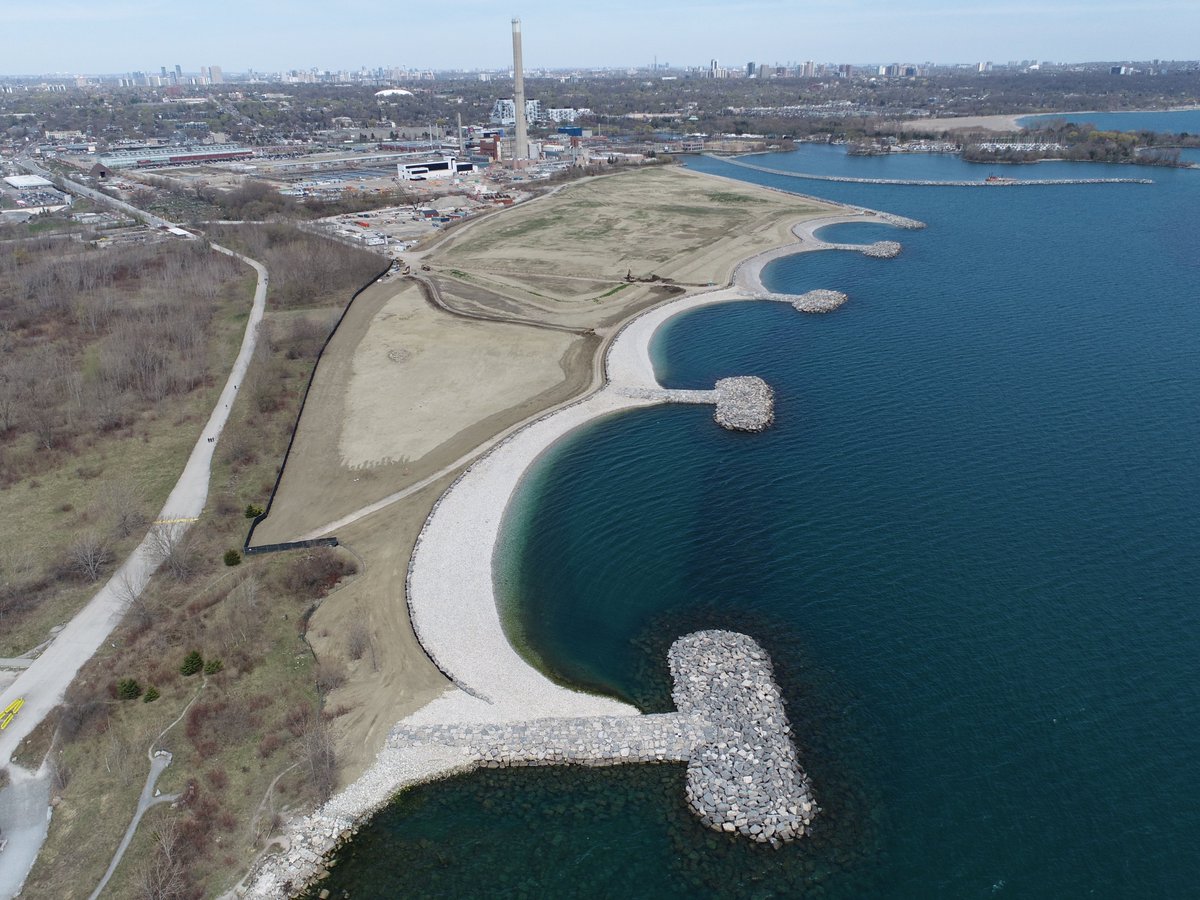
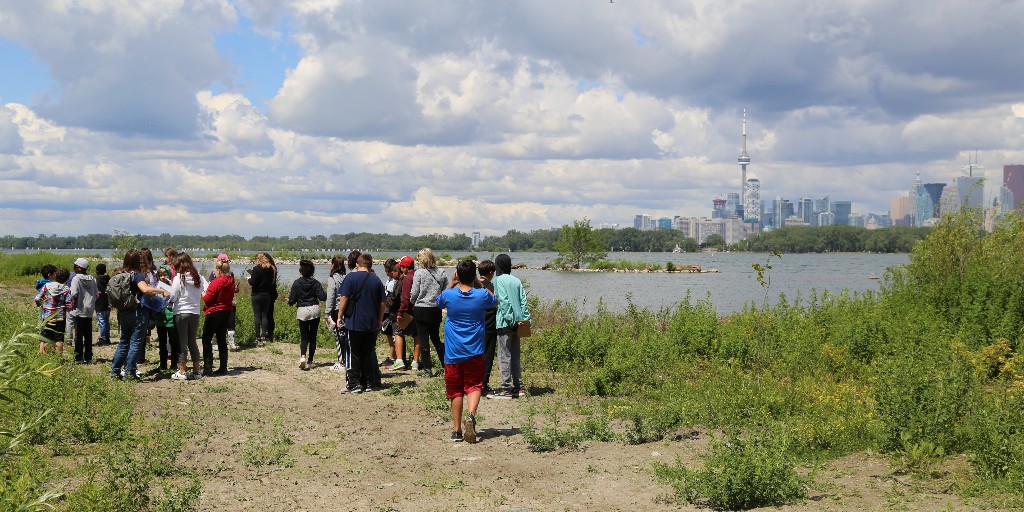
We’ve come a long way since 2017 when this was mostly post-industrial lots. On July 19 and 20, let’s celebrate the first public space to open on a new island, Ookwemin Minising. In these photos, you're looking at the new river valley. Learn more: https://t.co/ehAFUZP1ol
Share your experience!
We’re collecting community insights on how climate and weather-related impacts, such as high lake levels or declines in ice cover, are affecting coastal areas along Western Lake Ontario.
Please take a moment to complete this short survey: https://t.co/0WrCxjvZoY
Your feedback will help shape best management practices (report planned for 2026) to support the long-term resilience of coastal communities.
The survey is open until Friday, July 18. Thank you for your participation!
@ONgov
#DidYouKnow that in the #GreatLakes region, we are fortunate to enjoy valuable and well-managed #fisheries which comprise one of the most important freshwater resources on Earth? Learn more: https://t.co/wQET1XDOet
#fishing#DYK
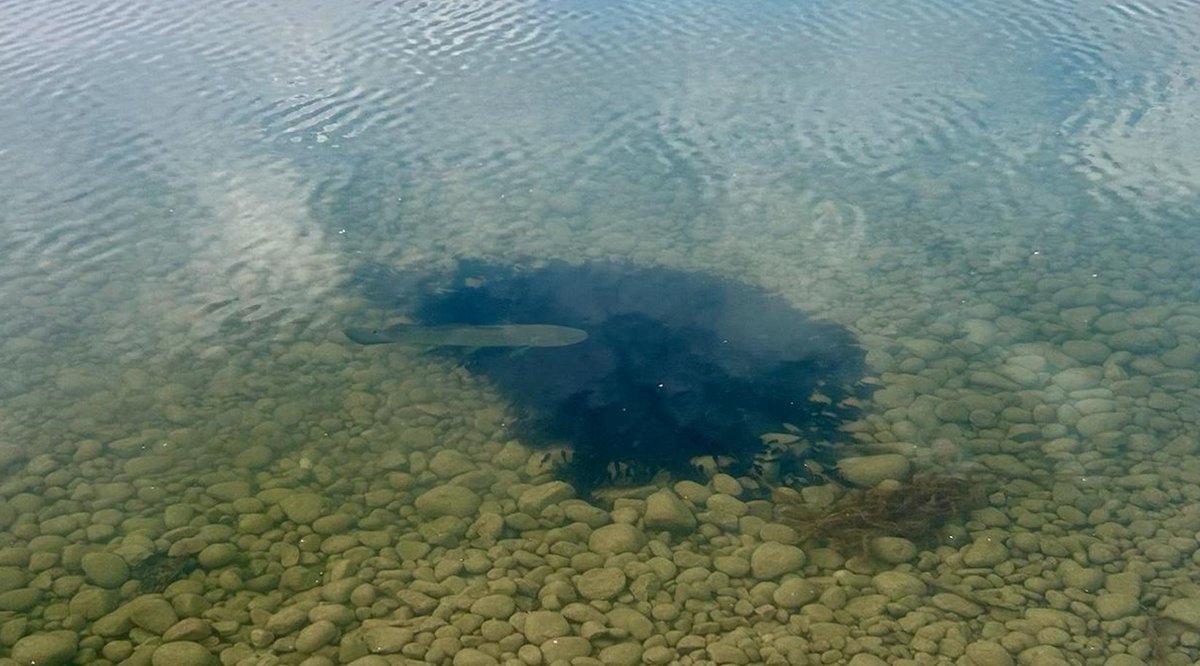
Exciting news! Through @TRCA_HQ's fisheries monitoring program, an Atlantic Salmon was caught in the waters around the renaturalized mouth of the Don River. This is the first time an Atlantic Salmon has been seen near the mouth of the Don River since 2012!
The guide helps you identify the types and amounts of fish that are safe to eat from more than 2,700 fishing locations in Ontario including the Bay of Quinte.
https://t.co/9XPtxZY60w...
#bayofquinte
#DYK the USGS Great Lakes Science Center has provided scientific information for restoring, enhancing, managing, and protecting living resources and their habitats in the Great Lakes region since 1927? Learn more: https://t.co/Tgxto2XrqT. #SciComm
🌊🐟 Do the Great Lakes Matter to You? 🐟🌊
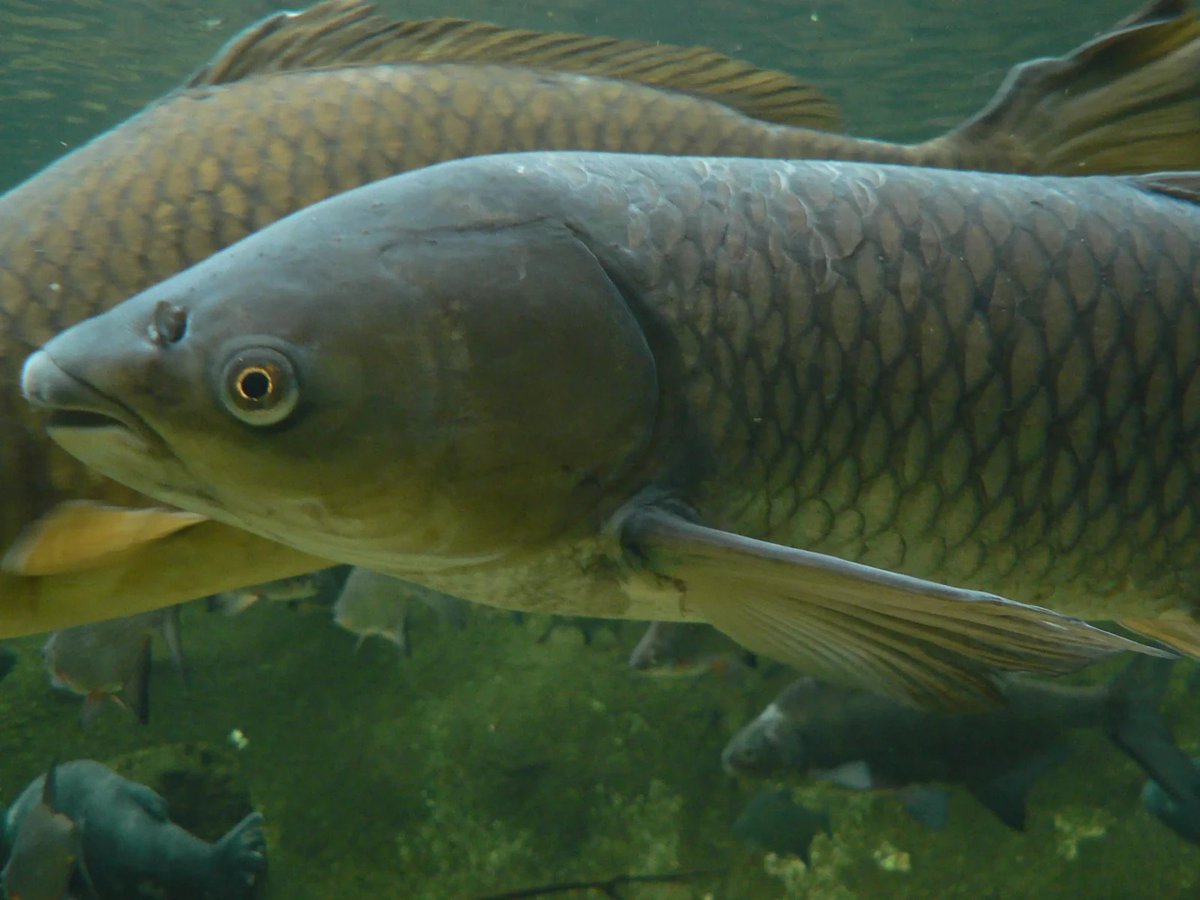
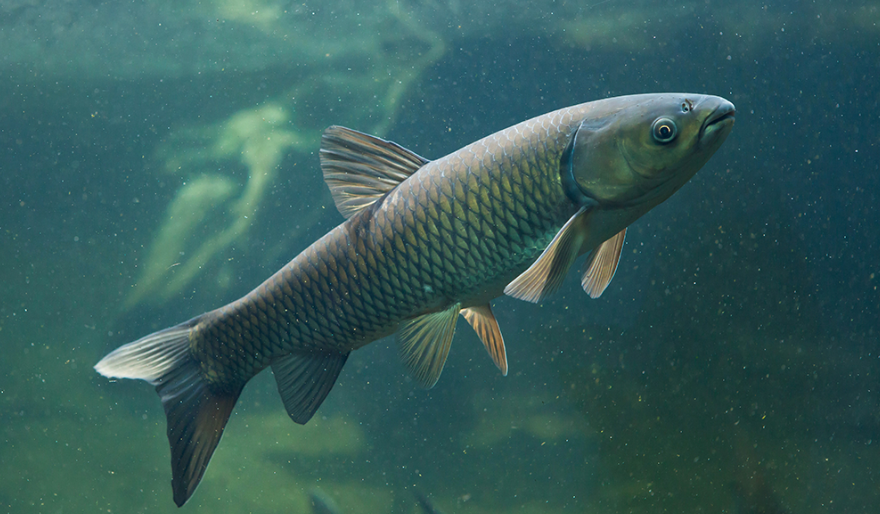
Join us TOMORROW (12:00 PM – 1:00 PM) for a deep dive into one of the biggest threats facing the Great Lakes—Invasive Carps! 🚨 These destructive fish could have a devastating impact if they become established here.
🔍 What you’ll learn:
✅ How to identify Invasive Carps 🧐
✅ The risks they pose to our ecosystems ⚠️
✅ What’s being done to prevent their arrival 🌎
Don't miss this informative workshop—help protect the Great Lakes! 💙🐠
https://t.co/CZN8SJu7tX
#ProtectTheGreatLakes #InvasiveSpecies #Conservation #TRCA
This nest of bowfin eggs and babies was spotted in the new mouth of the Don River last summer, along with 28 other species of fish and a gelatinous blob called a bryozoan! Learn more: https://t.co/tqvFy9ZJkj
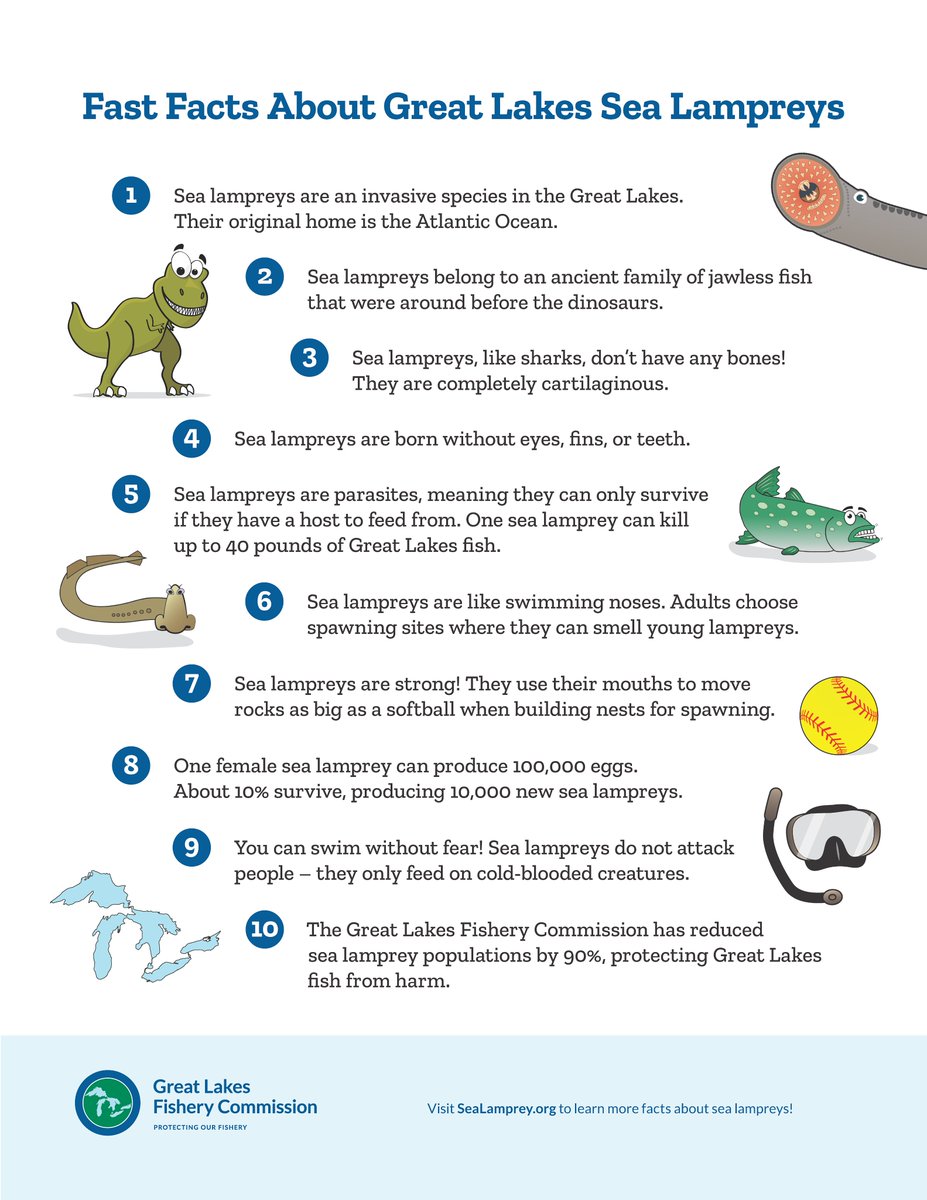
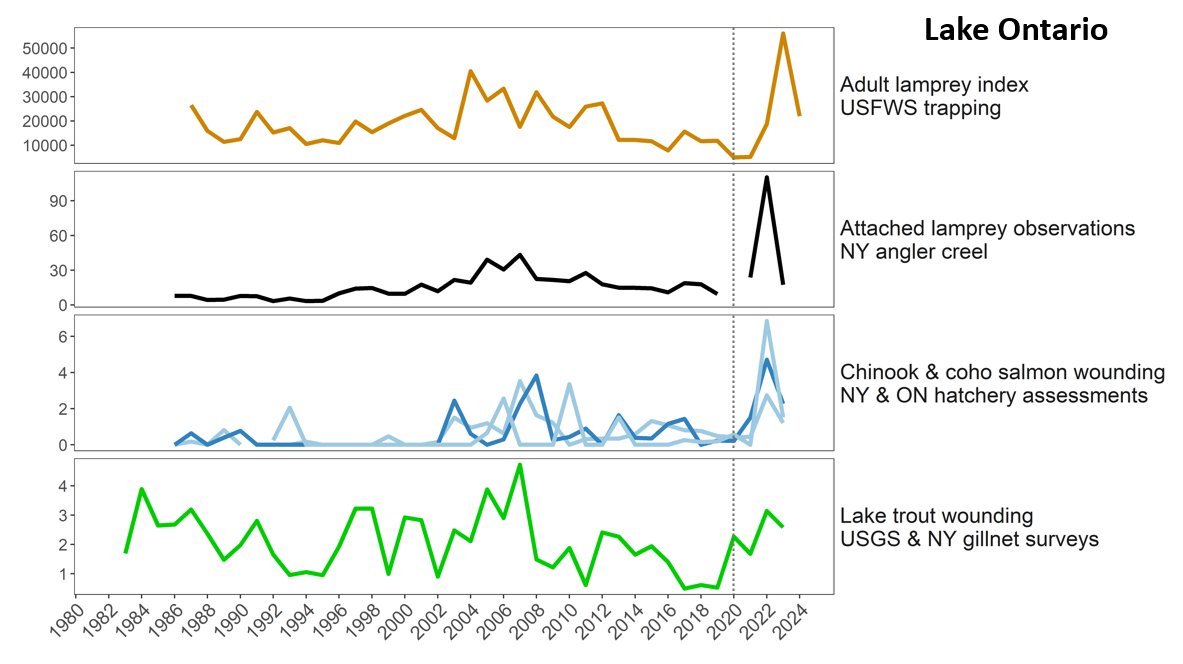
What happened when sea lamprey control agents couldn’t treat streams in 2020? A banner year for lamprey – fish wounding and lamprey numbers surged. Thankfully, resumption of normal treatment effort had the opposite effect. Watch for the full study here: https://t.co/Upi3KTi0BB
Join us in Milwaukee, Wisconsin, for #IAGLR25! IAGLR's 68th Annual Conference on Great Lakes Research will feature four days of inspiring science centered around our theme Creating Great Lakes Resilience. Register today: https://t.co/3PQPNQRKNe
💦 🐟 29 species of fish, and a gooey blob called a bryozoan: check out the aquatic life we observed in the new mouth for the Don River in 2024. https://t.co/tqvFya0h9R