@KeEquityBank should and MUST learn from @Safaricom_Care on the option of OPT IN!
Your systems don’t immediately recognize a deposit but quick to issue Boostika loan because of “insufficient balance”
This is TOTALLY unacceptable and customers will must be sought.
@citizentvkenya Housing is a constitutional RIGHT. Govt shouldn’t create business environment for private sector to build houses. TAXING us to build the houses will NEVER be justified!
As far as SHA is concerned, I am more than happy when it’s WORKING for ALL!
@Peternzioka6@KRACare We should get our MPs question how many times the system get unavailable on deadline and forced penalties
If growing our collections include forced penalties on Kenyans
President Mwai Kibaki was in his office at State House. It was early 2008 and he had a lot to mull over in his in-tray, not the least of which was the post-election violence that was raging in the Rift Valley and threatening to consume his presidency and destroy the country.
Suddenly, the Comptroller of State House, Mr Hyslop Ipu, came barging in with a mobile phone in hand. Waiting to talk to him urgently on the other end of the line — 7,500 kilometres away in the United Arab Emirates — was his Information minister, Mr Mutahi Kagwe.
All the way from Abu Dhabi, Mr Kagwe could hear the President tell Ipu to hand over the phone in his famous baritone, “Leta hiyo kitu.”
The journey to that phone call had begun at an insurance industry dinner two years earlier, in early 2006, at the Panari Hotel in Nairobi. Then, Mr Kagwe was the guest of honour.
After his speech, a journalist had asked him to state the one thing he hoped to achieve at the ICT ministry. He told the journalist that he wanted Kenyans to communicate easily and cheaply with the world.
At the time it cost Sh35 per minute to make a phone call within the Safaricom network during peak hours and up to Sh50 per minute to other networks.
These high costs made Kenyans wait until off-peak hours to make cheaper calls, which often clogged the Safaricom network in the evening, rendering it impossible for anyone to get through.
Internet connections, on the other hand, were a nightmare.
The whole country relied on satellites to access the internet. Satellites, however, transmitted data at a glacial pace and were unreliable. To add salt to injury, the cost of a satellite link was exorbitant.
For Mr Kagwe to make it possible for Kenyans to communicate easily and cheaply with the world, there was only one thing to do; abandon satellites and join the global fibre-optic network.
This meant the country needed to lay fibre-optic cables under the sea, an expensive undertaking. So Kenya joined other African countries as a co-founder of South African fibre-optic cable EASSY.
Soon Kenya discovered that there was nothing easy about EASSY. The partner countries constantly bickered among themselves. And the South Africans, who had a controlling interest in the cable, had a condescending attitude towards everybody else.
In their minds, the cable was a business; a cash cow that wealthy South African pension funds were keen to build, own, control and profit from. Kenya, on the other hand, viewed the cable as a development tool; a public utility much like a road, which would provide the foundation for its ICT sector to take off.
Tired of endless meetings and unwilling to put her economy at the mercy of the South African pension funds, Kenya made a decision to stay in EASSY but also build its own cable.
Mr Kagwe called his fellow ICT ministers from Uganda and Tanzania and convinced them to join the plan. Determined to achieve digital independence, Mr Kagwe and his fellow East African ministers travelled to the US, Spain and finally the UAE in search of a way to build their own cable.
In the US, they visited Tyco, one of the few companies in the world with capacity to build undersea fibre-optic cables. On the bus back to the hotel from Tyco’s offices in Baltimore, Mr Kagwe suddenly swung his neck around and announced to his fellow ministers that he had just had a brainwave: they would call their cable TEAMS (The East African Marine System).
Because many cables from around the world terminated at Fujairah in the UAE, which was only 5,000 kilometres from Mombasa, it became clear to the East Africans that the UAE was the most ideal partner in building the cable. Fujairah offered excellent backup options (redundancy) in case one connection failed; as opposed to the EASSY cable, which terminated in Djibouti where there was only one connection, meaning no backup in case of failure. When Mr Kagwe and his team arrived in Abu Dhabi to pursue the matter, they found, to their dismay, that…
1/2
@BuzekiKiprop Agreed. It is pure greed. What makes them believe they are the only leaders worth leading ? After a ten years tenure as Governor they should go serve higher levels if they believe they are that good
@citizentvkenya@lillian_muli Online Hailing Apps companies must be HELD responsible for safety of public.
When a Sacco PSV causes an incidence, the entire fleet is grounded but these online hailing apps are let loose.
I was a taxi driver end therein are hard-core criminals
@MuregaNN@SakajaJohnson They should not copy the first black governor of County 021.
That guy had made Kameme fm the county mouthpiece for both real and perceived achievements.
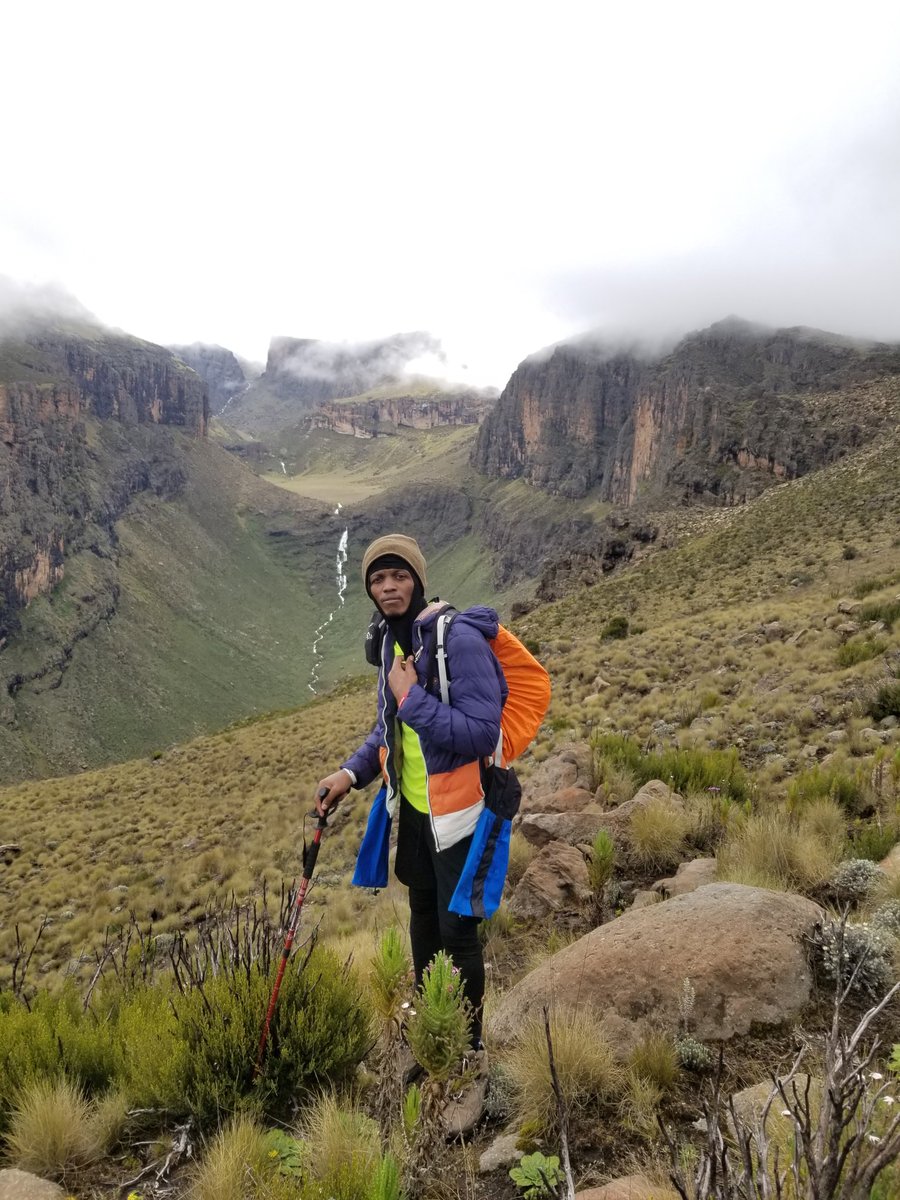
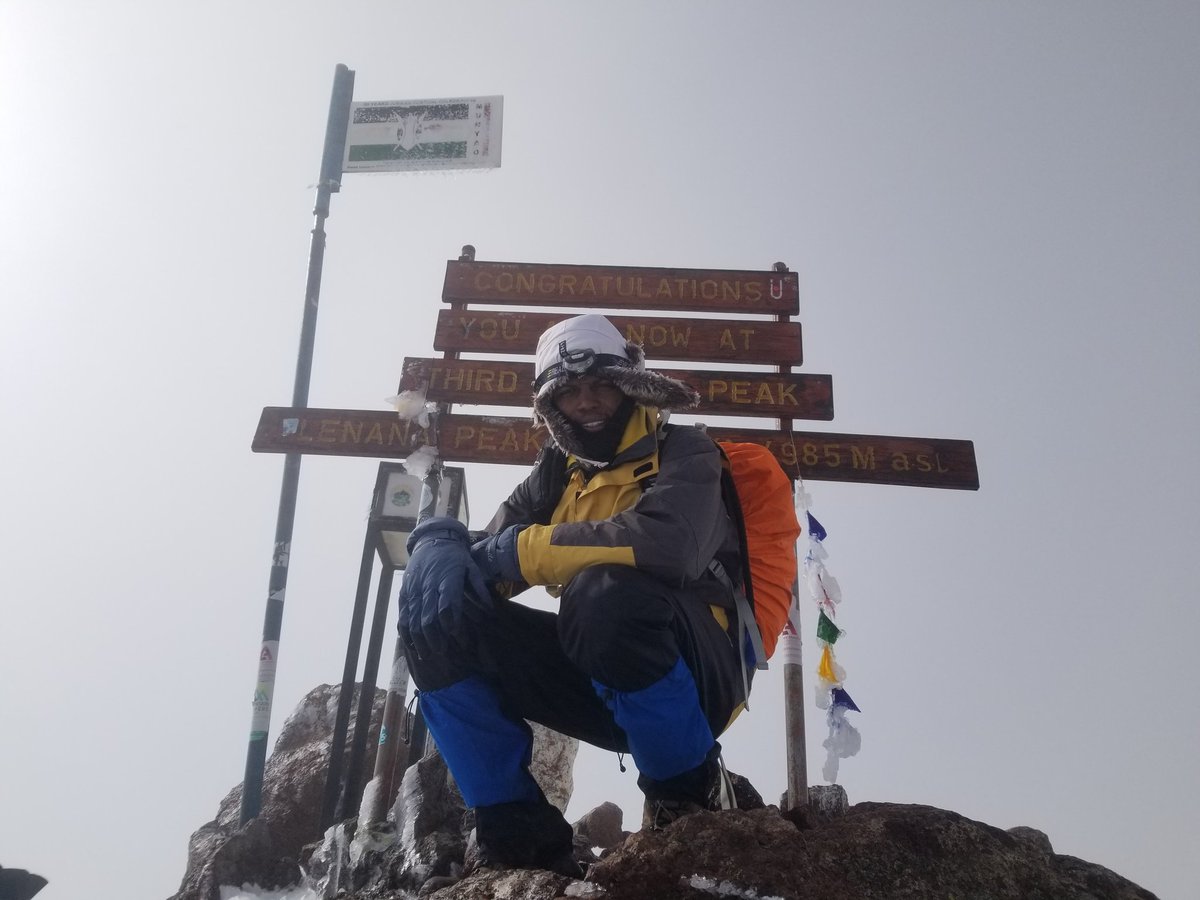
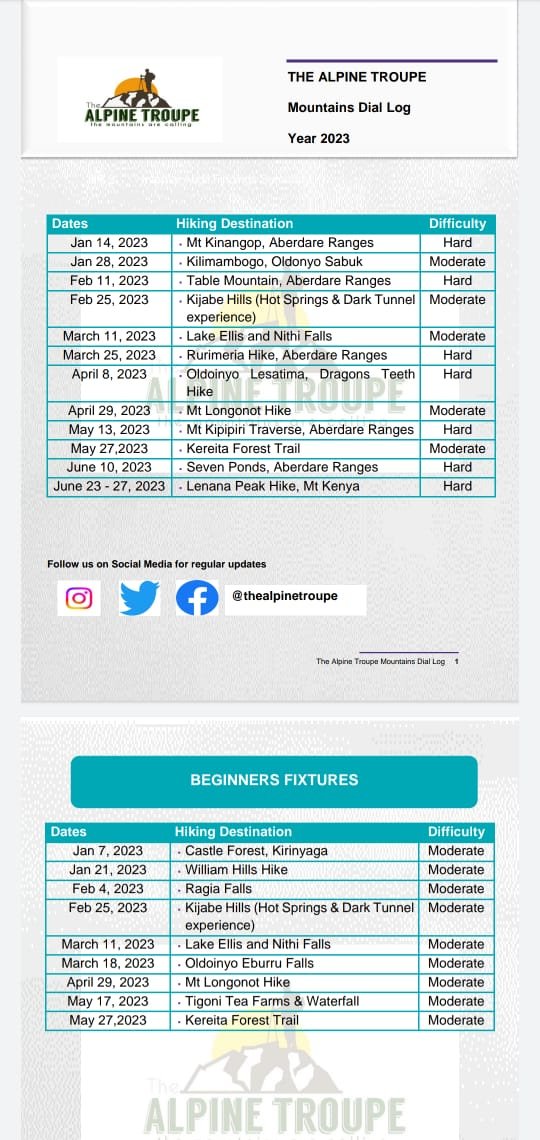
Our 2023 hiking calendar is out. Remember we are a group of hiking buddies who cost share on the trails. See you there. We also joined this bird app @thealpinetroupe and for more info you can talk to our chair @raphaeljackson1
Govt Plan to commercialize agricultural land that is underutilized is an amazing concept
You can follow @ATO_OfficeKenya for more information on how ASTGS strategy will be implemented