Once every few years, the Namibian desert experiences what is known as the Sandhof lily bloom.
The lily bulbs sit in the clay beneath the desert floor, waiting patiently for years some centimers of rainfall.
https://t.co/S8IkuSiLID
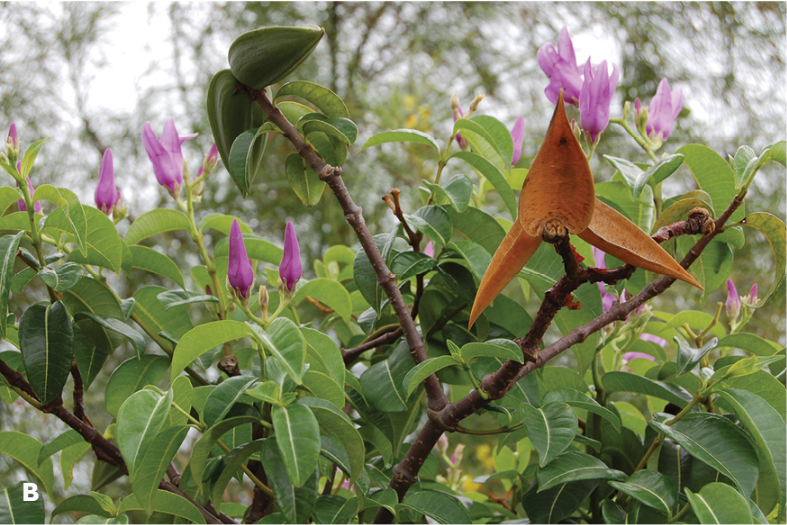
This study traces the origins and tracks the movements of invasive rubber vines, providing useful information that can be used in efforts to control them.
🔗 https://t.co/lA5CbZHvWD
#invasivespecies@ufvbr@CABI_News@_UEFS
Humans are 34% of global mammal biomass. Our livestock and pets are *62%* of global mammal biomass. Wild mammals are just 4%. 😮
https://t.co/eBZnQvuXXS
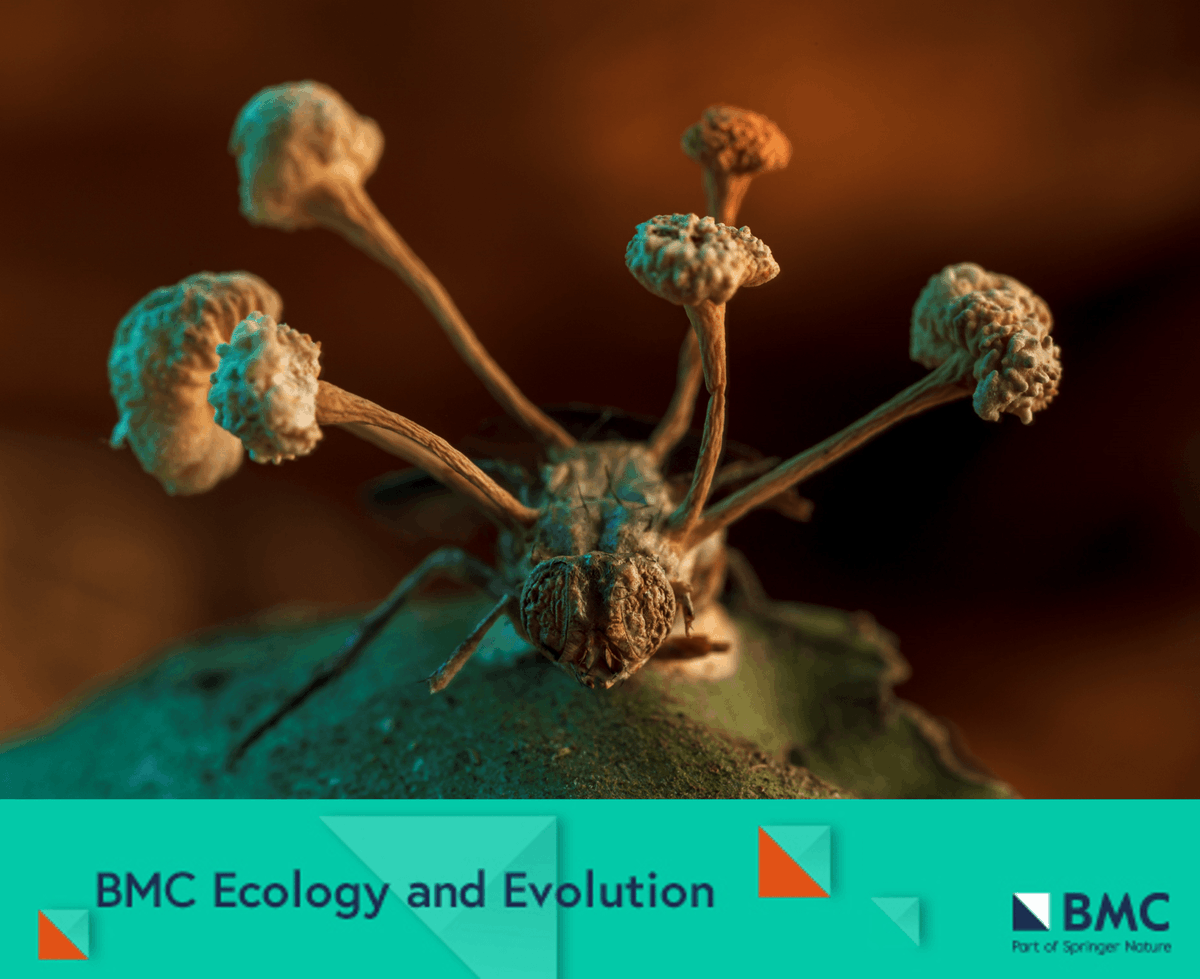
Fungi are among the most important and beautiful soil organisms 🦠🍄🌱
Explore the fungal tree of life, with an emphasis on the macroscopic diversity of fungi.
📷@laszlognagy@Uni_Szeged
This is the result of a chapters of Davi's thesis, developed at UEFS. In it, we present evidence of the influence of adult trees on tree recruitment, hence contributing to the formation of floristic mosaics in savannas. https://t.co/moaTSO3uFQ
#BMCEcolEvol is delighted to welcome submissions to its new Collection titled "Plants under Pressure: The Impact of Environmental Change on Plant Ecology and Evolution". Guest Edited by @icbarrio and @rapinibot. To find out more visit <https://t.co/YM2oUummhX>
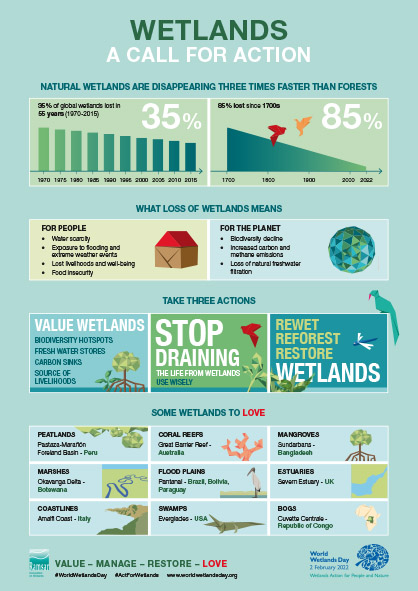
#Wetlands are our most valuable ecosystem with critical services for #biodiversity, health, water security & climate adaptation.
But we are losing wetlands 3x faster than forests. We must accelerate actions for the conservation & #restoration of them.
via @RamsarConv
Explore @BMC_series research highlights. Learn about paleo-oncology, creativity & scientific misconduct, the aging gut & immune dysregulation, cervical cancer screening barriers and if recording patient HPV vaccine refusal improves fidelity in healthcare
https://t.co/JtH41B2XXd
The 2023 #BMCEcolEvol image competition is now open! Submit your images and the stories behind them to highlight your research, win cash prizes (up to €800), and have your images featured in the journal. To learn more, visit <https://t.co/zfIOmL7TUL>.
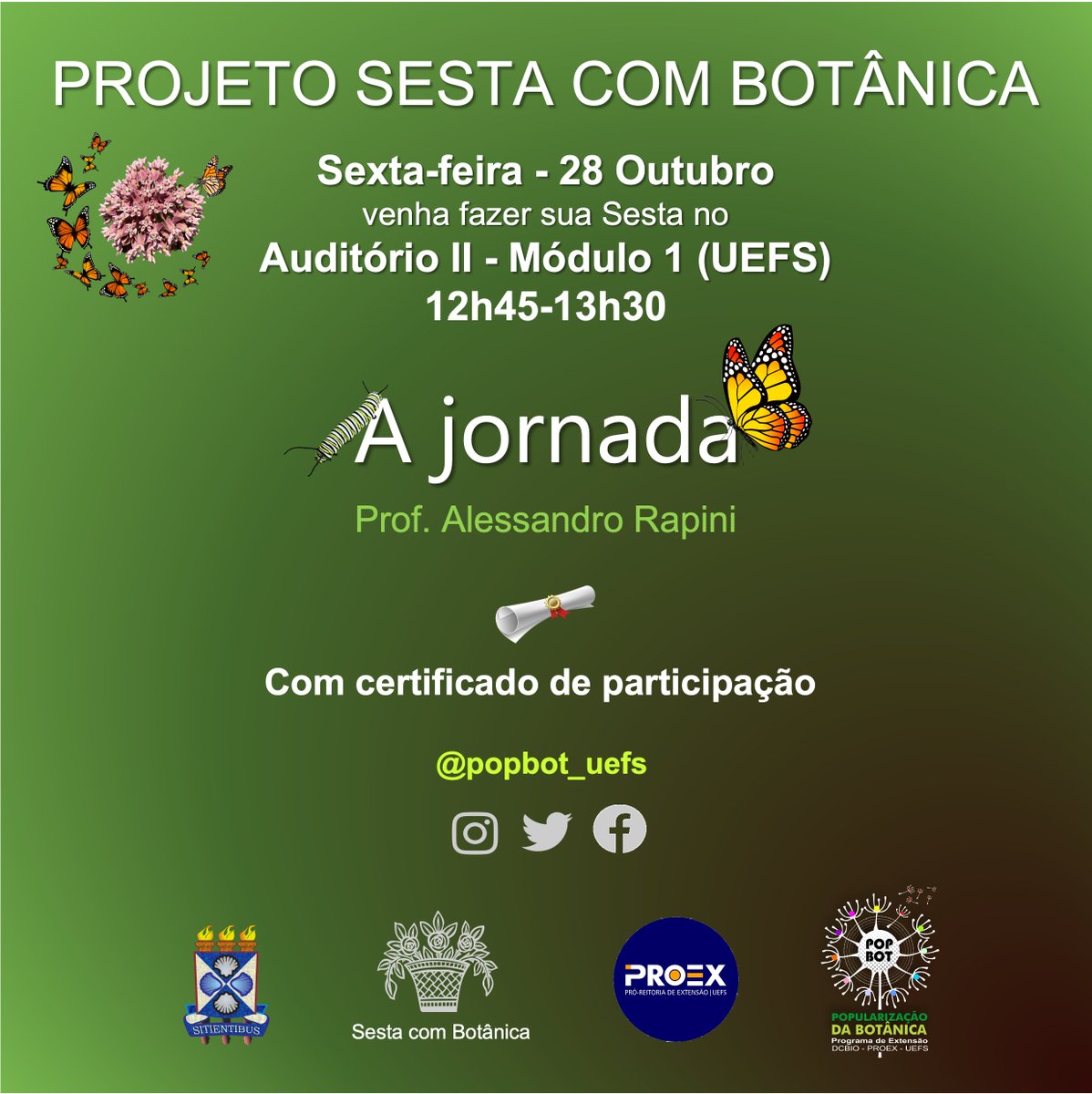
A cada outono, as borboletas-monarcas viajam mais de 3.000 km para passar o inverno nas montanhas do México. Elas não fariam essa longa jornada não fosse o arsenal químico de plantas latescentes do gênero Asclepias.
Sexta, venha fazer a sesta no auditório II do Mod. 1 (UEFS)
#BMCGenomData considers Data notes, a short article type that allows researchers to describe, share and receive credit for their datasets. To find out more, visit: https://t.co/ogZB4lJNDD
*pew pew*
Oxalis seeds being ejected from the seed pod. The whole thing happens in half a second.
Made this video in November '21 using the slow-motion feature in my phone camera and since then it's done some rounds.
#oxalis#oxaliscorniculata#botany#seeds