Un Palestinien menotté, les yeux bandés, frappé, brûlé avec des cigarettes, puis couvert d’excréments par un soldat israélien en l’exhortant à les manger selon le média israélien N12.
Voilà jusqu’où va la déshumanisation des Palestiniens.
L’ONU décrit des tortures systématiques et a vérifié des violences sexuelles, dont des viols, contre 31 Palestiniens, dont 10 enfants, entre 2023 et 2025.
Au moins 98 Palestiniens sont morts en détention depuis octobre 2023.
Emmanuel Macron, Jean-Noël Barrot : qu’est-ce qu’il vous faut de plus pour sanctionner ? Jusqu’où laisserez-vous aller l’horreur ?
Nous exigeons un embargo total sur les armes et l’accès des enquêteurs de l’ONU aux lieux de détention.
Les tortionnaires et ceux qui les couvrent doivent répondre devant la justice.
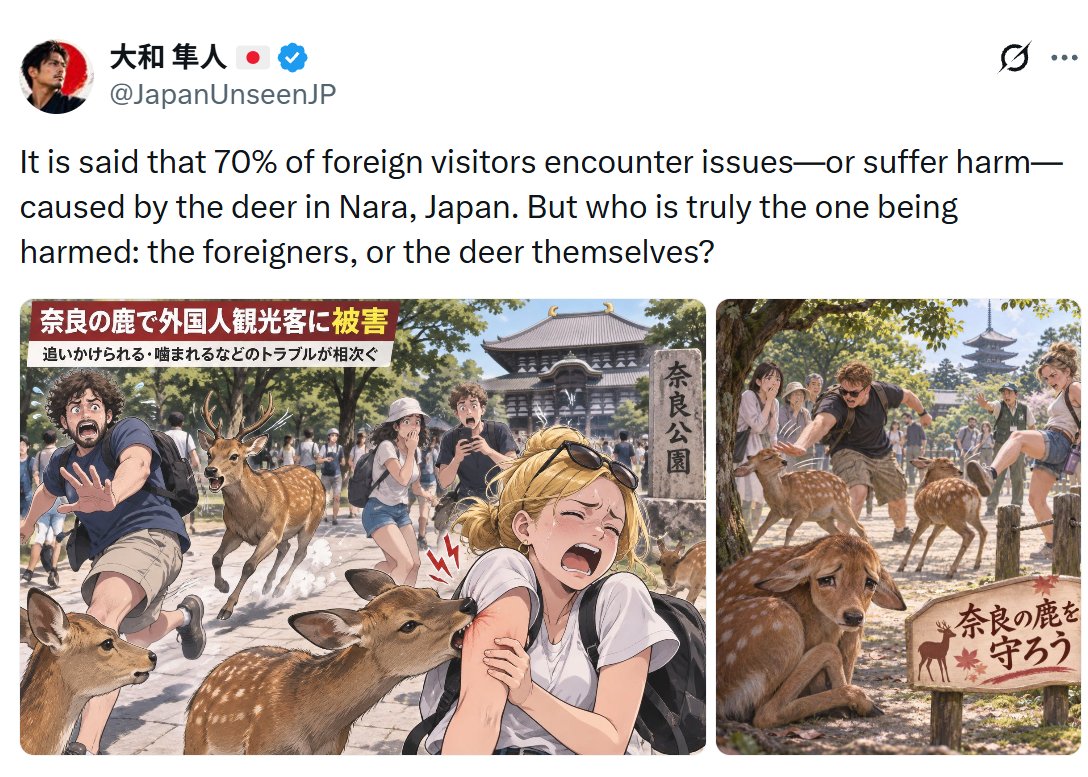
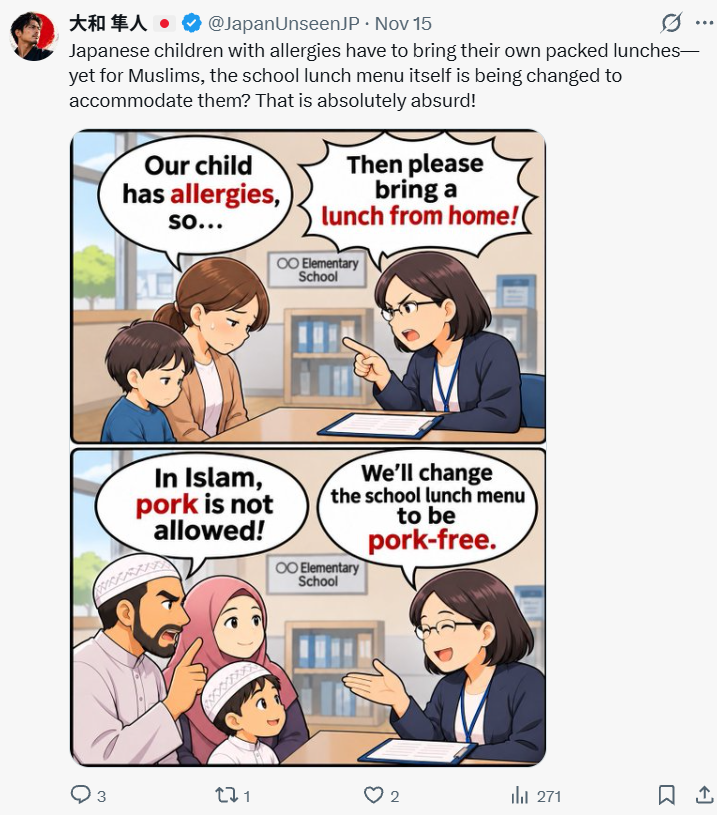
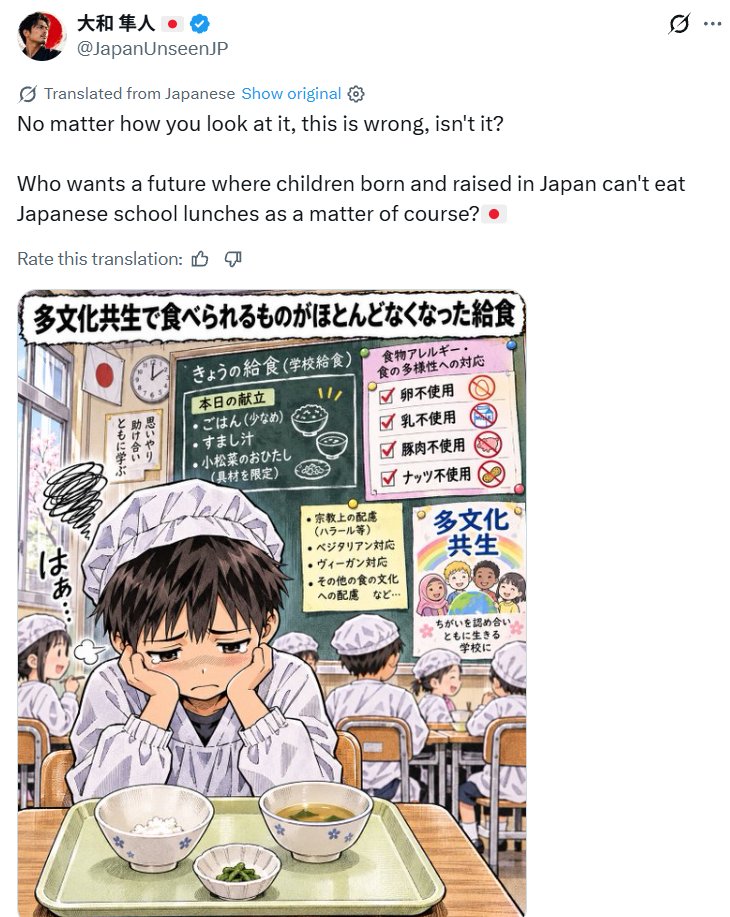
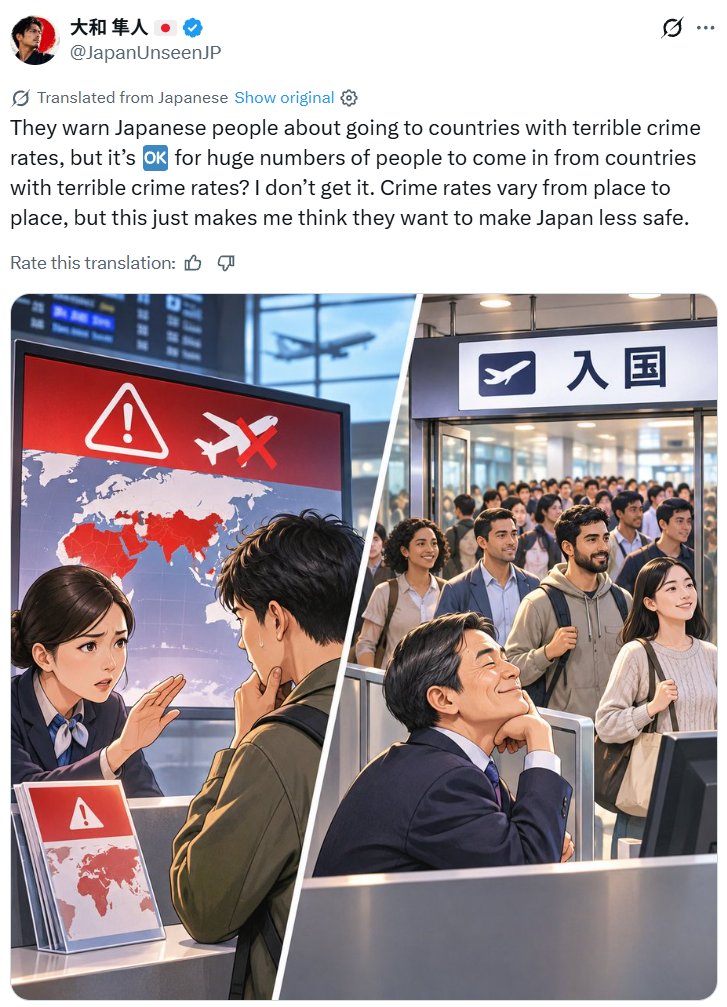
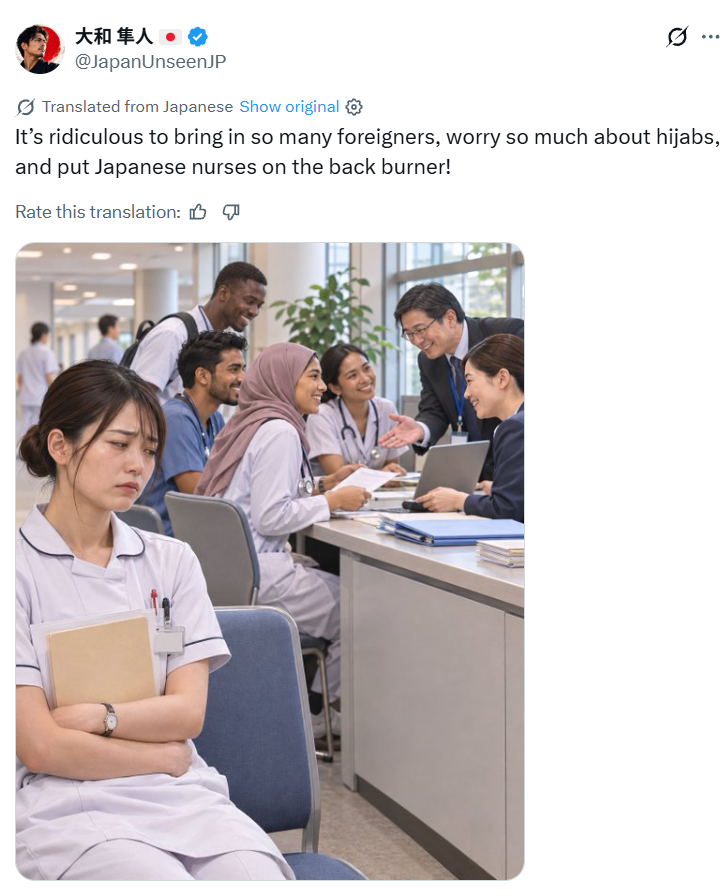
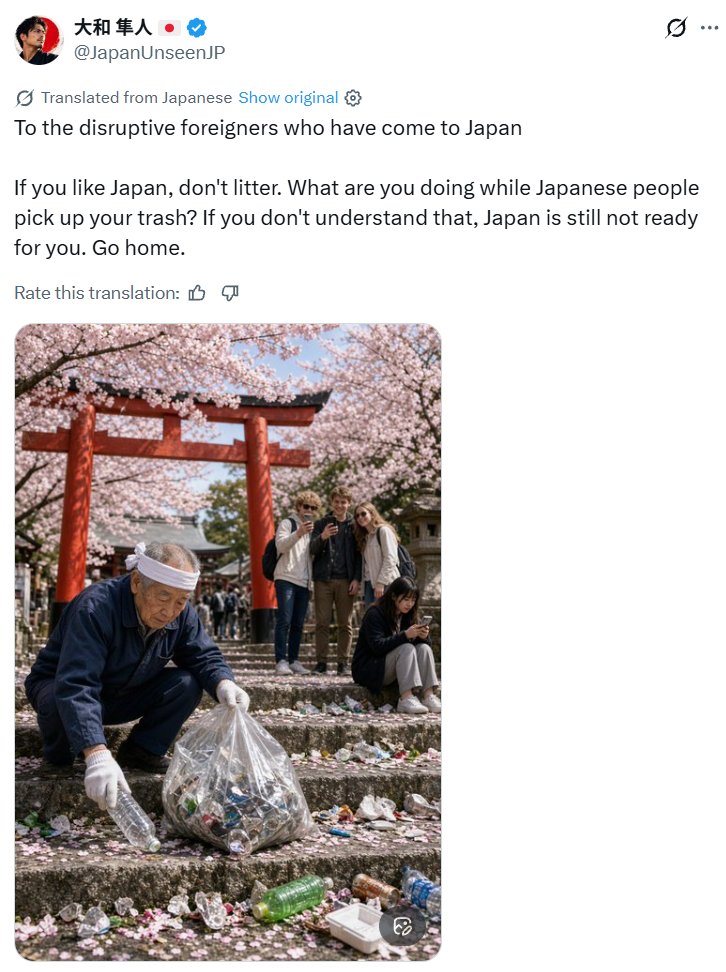
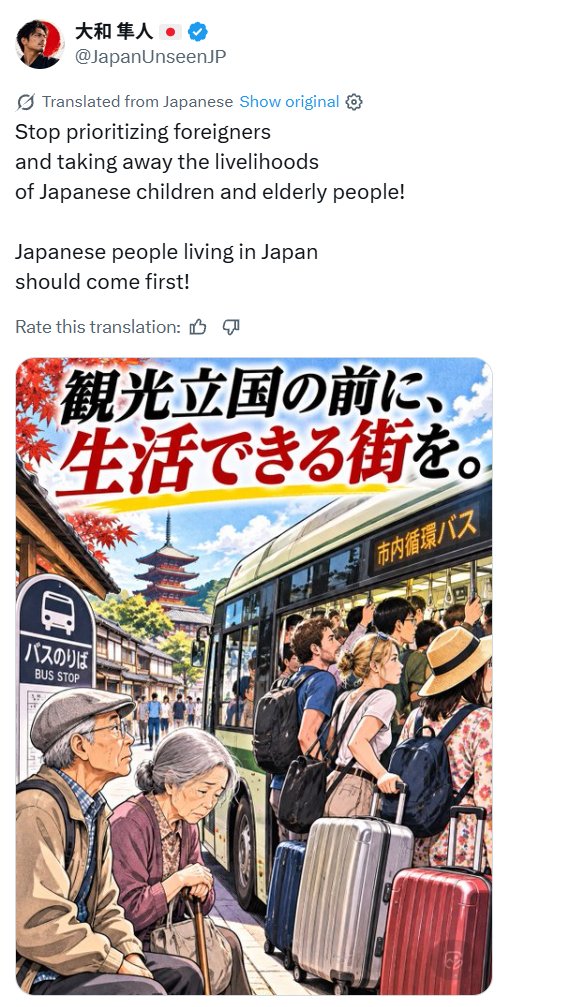
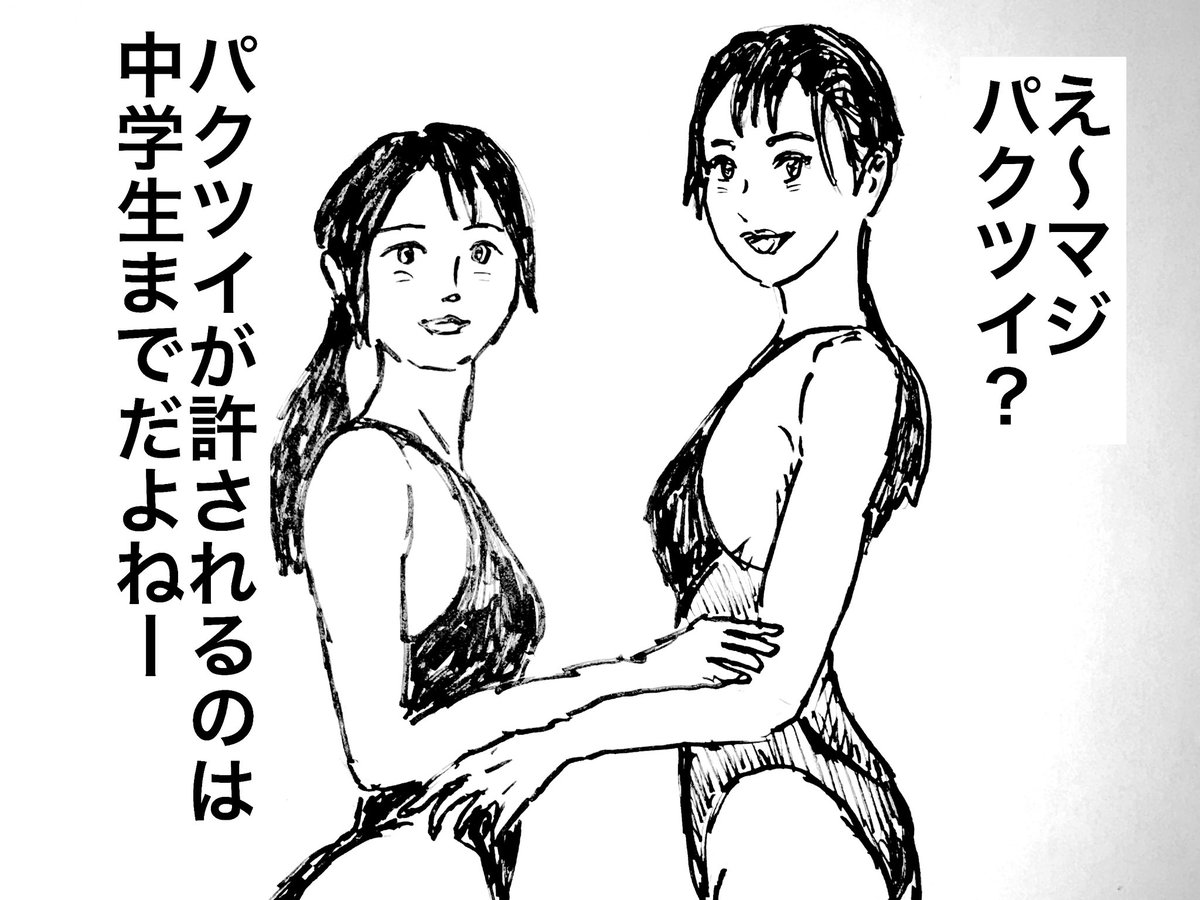
An account calling itself "Japan Unseen" has quickly gained followers by posting lots of AI-generated anti-foreign content.
A lot of it focuses on the false claim that pork will be eliminated from all Japanese school lunches to accommodate Muslim immigrants.
A tiny number of schools in Japan sometimes offered alternative pork-free lunches without replacing the ordinary menu for other students. Impression-seeking X accounts have exaggerated this into a full-blown attempt by Muslims to destroy Japanese culture.
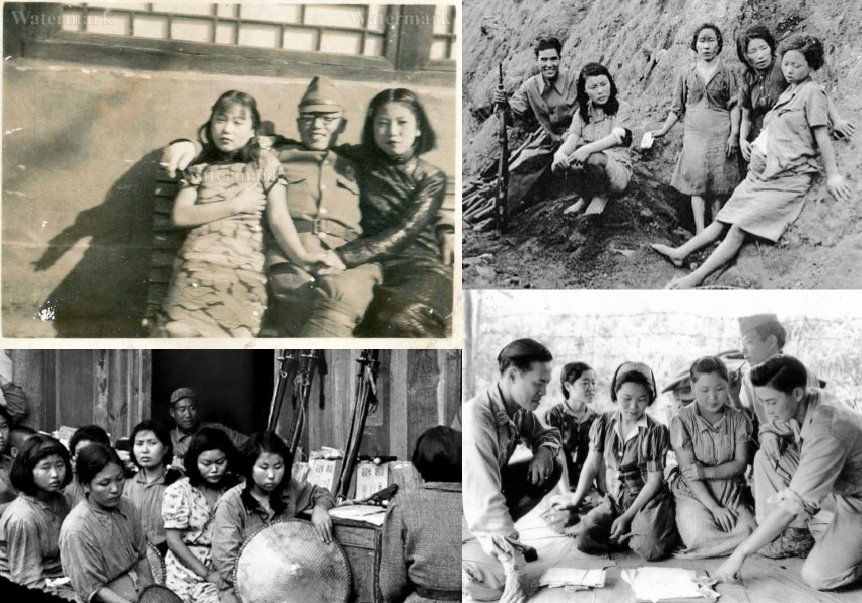
"Comfort women" is a euphemism used during World War II for tens of thousands and by many estimates up to 200,000 or more—of women and girls forced into sexual slavery by the Imperial Japanese military between 1932 and 1945. Held in military-run or military-regulated brothels known as "comfort stations" across Japanese-occupied territories, the victims came largely from Korea and China, as well as Taiwan, the Philippines, Indonesia, Malaysia, Burma, Japan, and other areas...
Military comfort stations began around 1932 and expanded sharply after atrocities such as the 1937 Rape of Nanking. Military leaders claimed the stations would boost troop morale, curb sexually transmitted diseases, and reduce random assaults and international criticism. While some women were trafficked through existing commercial networks early on, many were abducted or lured with false promises of jobs as factory workers, waitresses, or nurses. Women were confined to comfort stations, subjected to strict schedules and repeated sexual violence, monitored for disease, and rarely allowed to leave without permission.
. . .
During Japan’s war in China and across Asia, women and girls were placed in a system of military sexual slavery created for Japanese troops. Some were deceived. Others were abducted or taken through coercion and violence. Chinese women were among its victims.
Photographs from that world can be unsettling precisely because they often look so ordinary.
A soldier stands beside women. People look toward a camera. There may be no battlefield, no visible wound, nothing in the frame that immediately announces what existed beyond it.
But survivor testimony tells another story.
Chinese women later described being taken from their homes, confined in military “comfort stations,” beaten and repeatedly sexually assaulted. Some were still teenagers. One survivor, Li Xiumei, testified that she was 15 when Japanese soldiers seized her from her home. She said her mother later died by suicide while Li remained captive. Li survived with lasting injuries.
For many women, surviving the war did not end the suffering.
Some returned carrying physical injuries, infertility, trauma and the stigma attached not to the men who had abused them, but to the women who had been abused. Many victims died from disease, violence, suicide, or wartime combat. Survivors—including women enslaved as children or young teenagers, such as Narcisa Claveria in the Philippines and Peng Zhuying in China—endured lasting physical and psychological trauma.
For decades after the war, many survivors hid their pasts due to shame, fear, and social stigma in their home communities. Public testimonies beginning in the early 1990s brought global attention to the issue. While Japan issued official statements and agreements—such as the 1993 Kono Statement and a 2015 bilateral arrangement with South Korea—disputes over historical responsibility, apologies, reparations, and textbooks continue to affect regional diplomacy and advocacy.
That is what makes photographs associated with the “comfort women” system so difficult to look at.
We see a few seconds preserved by a camera.
What the photograph cannot show is what happened before the shutter opened, what happened after it closed, or how many years some of these women carried those moments in silence.
And sometimes the most haunting thing about a historical photograph is not what we can see.
It is everything the people inside it survived that the camera could not record.
#archaeohistories
Nippon Television is going to air a documentary about the chemical weapons that the Imperial Japanese Army left behind in China. The cleanup continues in 2026.
The preview refers to an "inconvenient truth that has been repeatedly covered up."