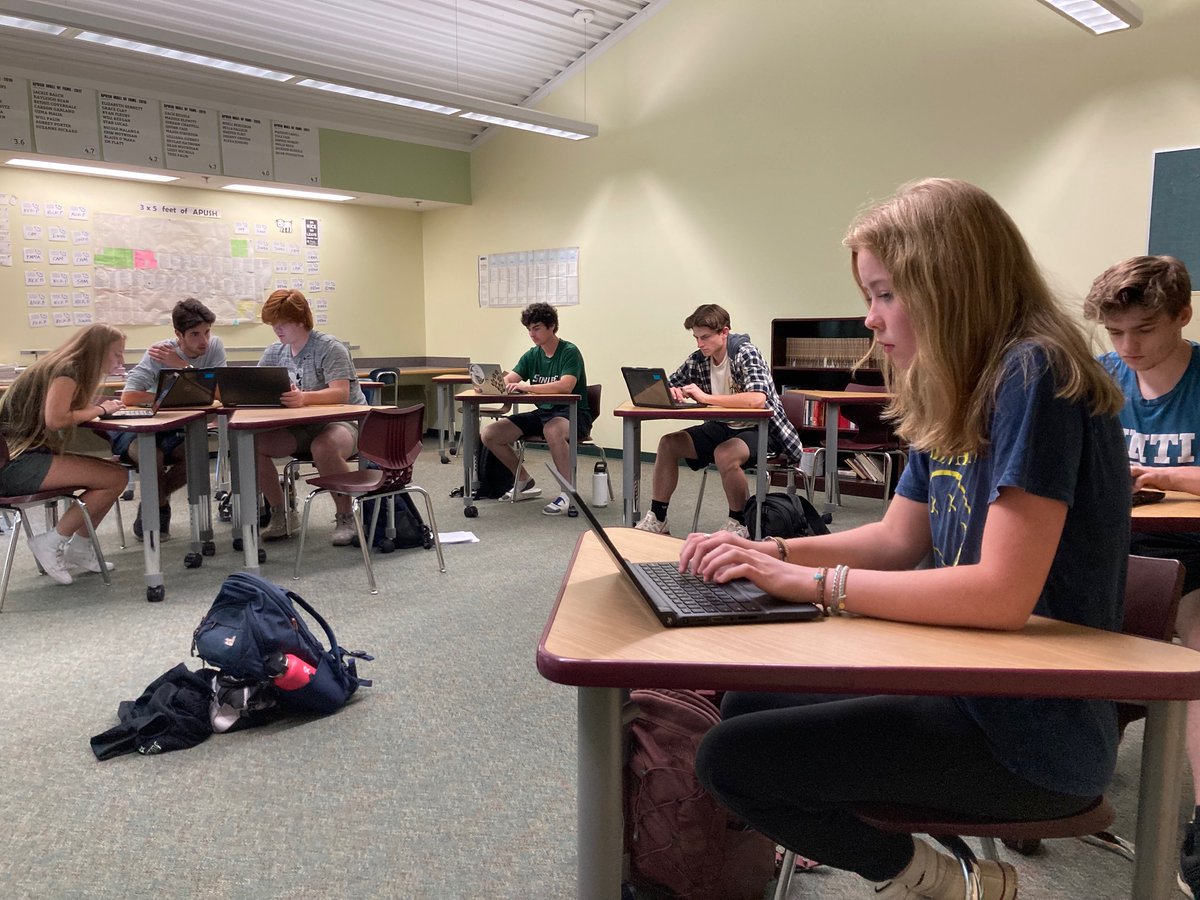
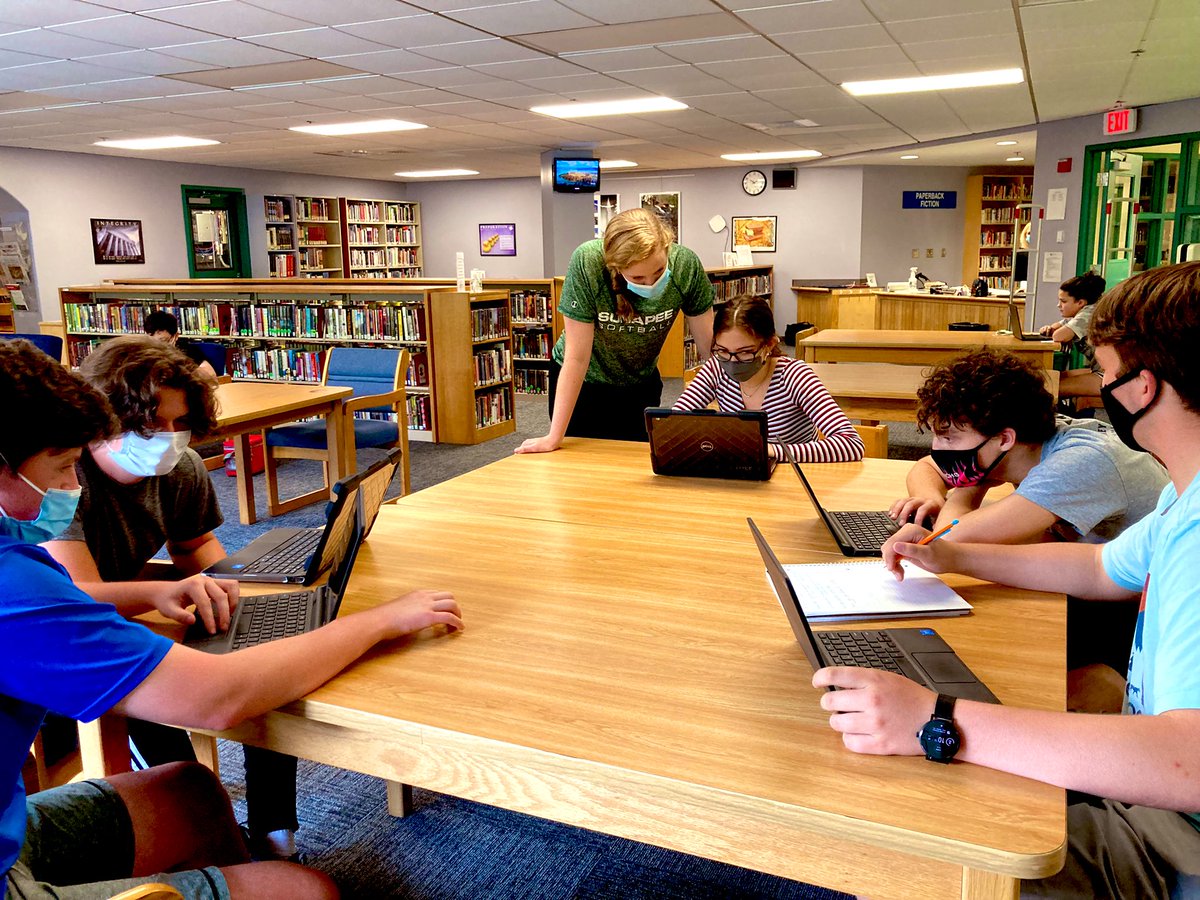
Can AI reliably grade AP History essays? My students tested leading LLMs against College Board scoring commentary. They found some success with thesis (84%) and evidence (81%), but clear failure with analysis (52%). https://t.co/uMVSZUXlSG
TL;DR:
Using @JSTOR, @VoyantTools, and DataBasic, these students created a vocabulary-based formula for scoring the usefulness of movies for teaching United States history. Among the best are Thirteen Days and Harriet from @FocusFeatures. https://t.co/bg3RtExi3r
They designed an election forecasting model for predicting the winner of the #NHprimary. Back-testing for 2016 and 2020 had mixed results, but the model did point to Trump and Biden as eventual nominees--doing so 6 months in advance of the NH vote! https://t.co/tsV71s0cZ2
They examined song psychology throughout history using lyrics, linguistic inquiry word counting by @liwc_software, and their APUSH knowledge. Findings and cool music dataviz at https://t.co/nRIBbgEWAU
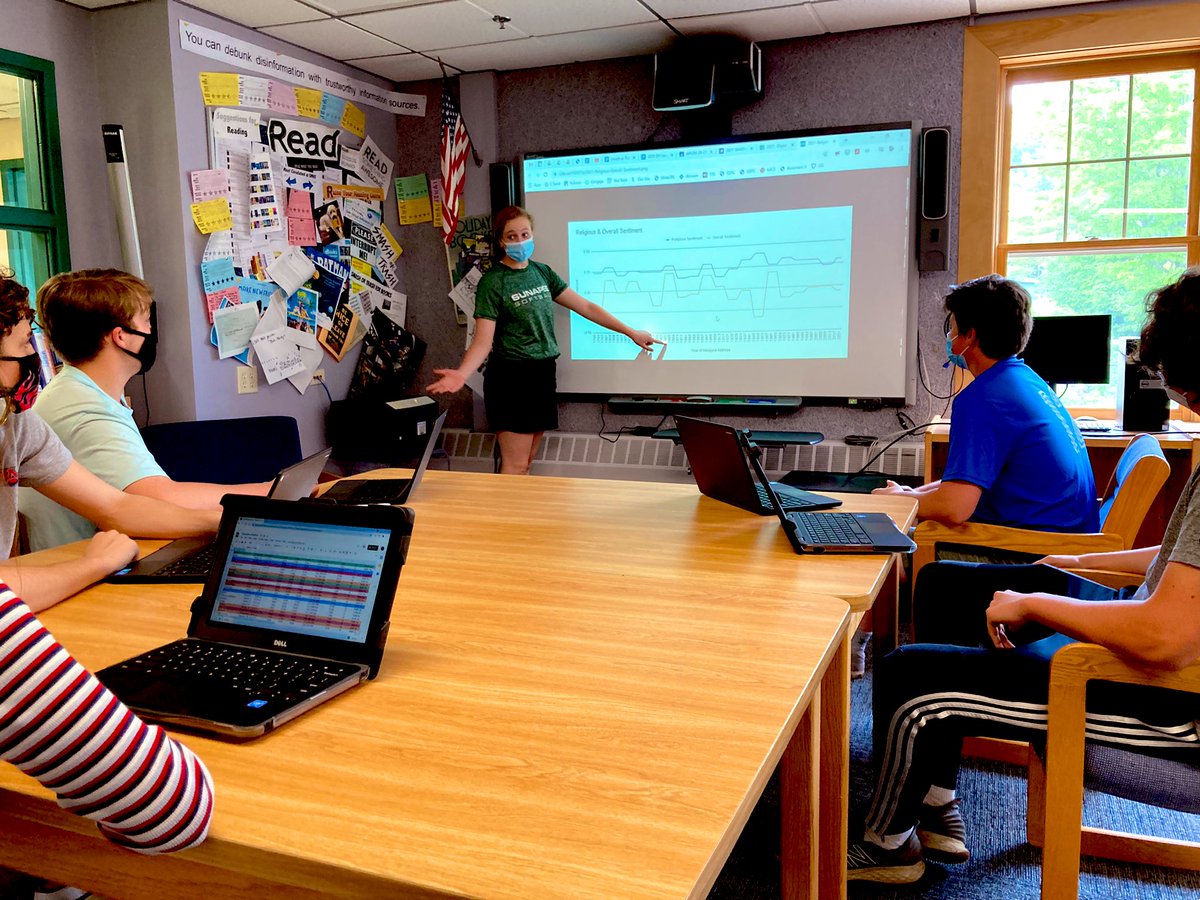
Inspired by an @ECONdailycharts analysis of @JoeBiden's inaugural address, these awesome history students used text analysis to look for religious and other sentiments within historical speeches. Their project at https://t.co/jQx3JukyfH #sentimentanalysis#data
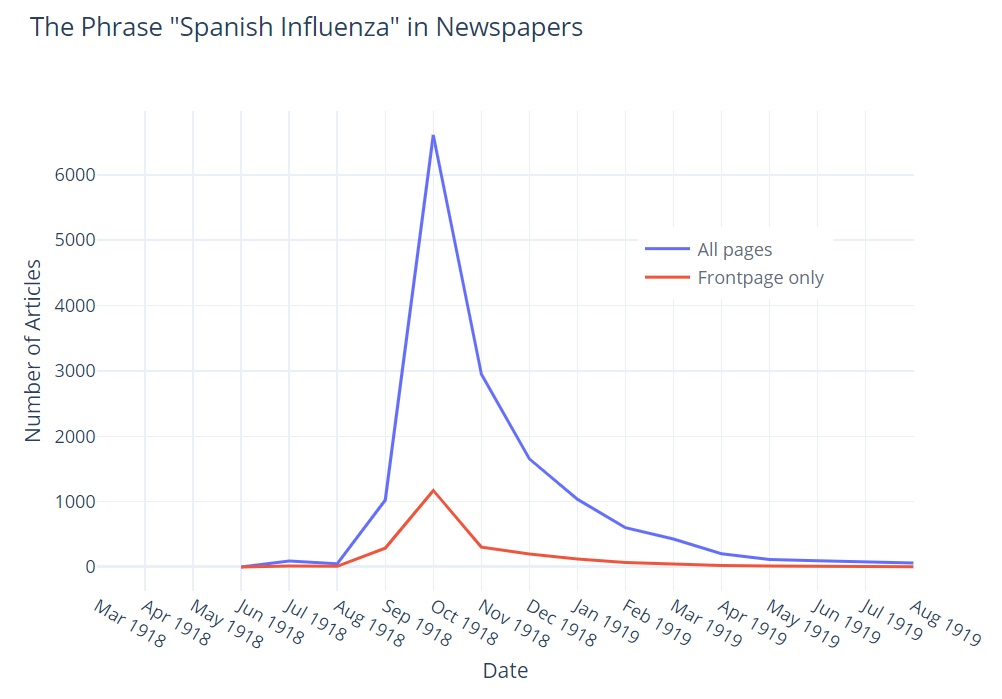
"Tracking the 1918 Flu Pandemic in Print" <https://t.co/WM4BujgC8p> is the product of my 2020 AP history students. Their @librarycongress findings suggest that the disease was more serious than the coverage. #dh#dayofdh2020#dighist#data#bigdata#ChronAm
These guys used @_newspapers to determine, quantitatively, the most turbulent years of the 20th century. The top 3: 1968, 1919, 1970. https://t.co/pfDNxmcf2C to check out their #history#data and #dataviz