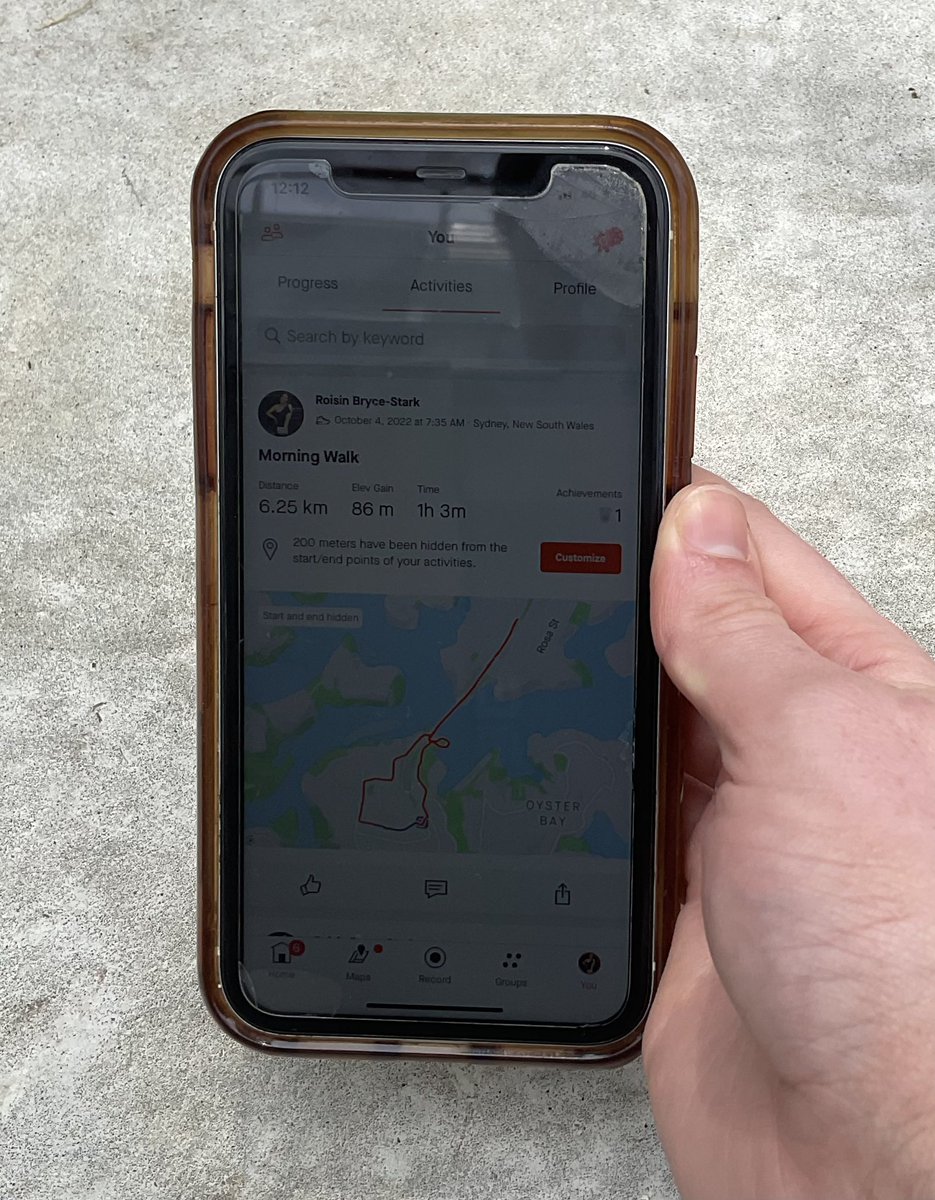
@kayla_tiga I definitely think Strava helps the most! I personally love that it tracks where I have walked and how fast I have walked as well. I also have family and friends as connections on Strava and it’s cool to see their walks or bike rides! Do you use these apps as well?
This week in #HSBH2009, we discussed mHealth. Apps like Strava and Apple Health are very beneficial as I am able to track my walks or runs, track my steps and also engage in a community of people that provide encouragement. This is a walk I did recently that I was able to track!
@AlanaRoseMR I definitely think it’s important for health information to come from qualified professionals or people you trust! Disinformation, especially around health can be super dangerous but having accurate, accessible information through SM can be incredibly beneficial #HSBH2009
Social media has been described as the “participative Internet”. A lot of research describes social media as a way to share health information but I don’t personally use apps like Instagram for health! Do you think you use social media for health purposes? #HSBH2009
@AlanaRoseMR I suppose there are lots of lifestyle, diet and exercise accounts out there! Do you think you trust the information you receive on social media about diet/exercise? Would you go to social media if you had a health issue? #HSBH2009
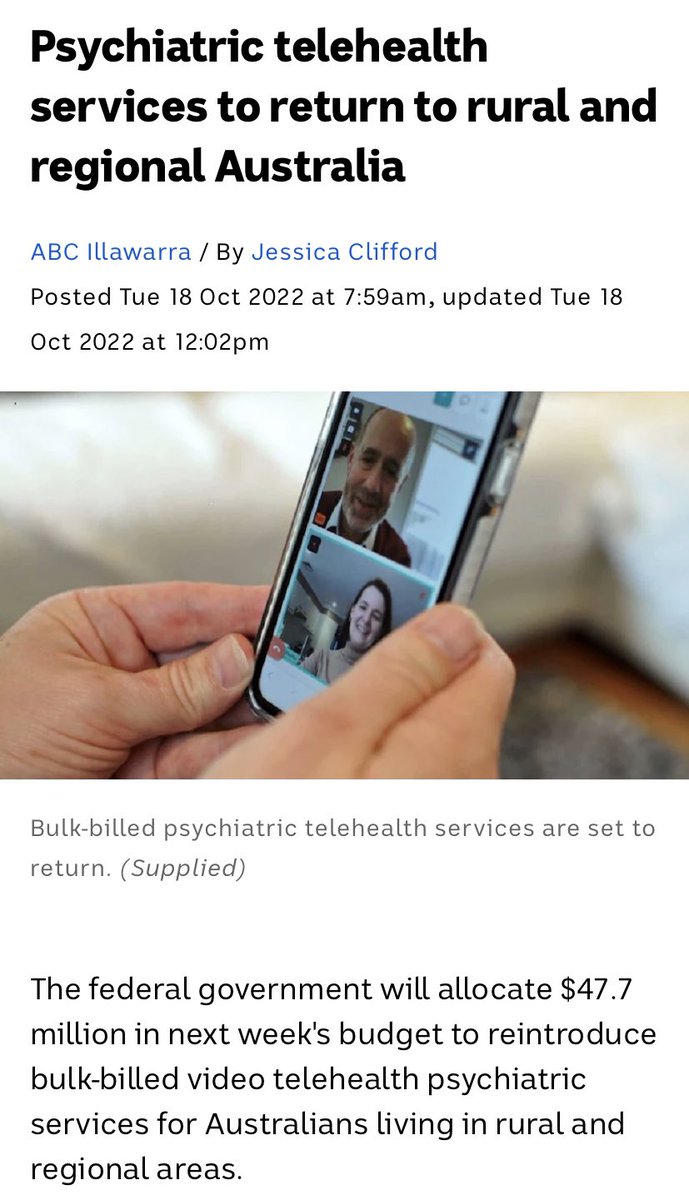
Exciting news from our federal government that Telehealth psychiatric services for rural and regional Australia will receive additional funding in next week’s budget. With the recent natural disasters and COVID-19, this is a very important decision! #HSBH2009
This week in #HSBH2009, we talked about how job applications should highlight our strengths. At my current job, I did a strengths assessment on my first day!
My top 5 strengths were Learner, Responsibility, Relator, Arranger and Achiever! What do you think your strengths are?
#HSBH2009 I recently injured my ankle and I am about to attend my 10th physio appointment! Appointments in person mean my ankle can be massaged and I can do strengthening exercises safely. Do you think these types of healthcare could be done with Telehealth or maybe with VR tech?
Using virtual reality in health is really interesting for me as a student studying both health science and biomedical engineering. The ability to use VR for surgeons and pain management can change the way engineers approach health problems and technological solutions!
#hsbh2009
During COVID, I found myself having nothing else to do except scroll on social media. Whilst I was able to stay connected with friends, I still find myself filling my time with endless scrolling when I could be much more productive! Does anyone else feel the same? #HSBH2009
Telehealth is what makes this possible! It allows this research to be conducted and also allows for individuals to utilise devices like Apple watches or fitbits to consider the important research done by health academics and start to track data like the pace of walking
#HSBH2009
10,000 steps per day is ideal for lowering the risk of dementia, heart disease, cancer & death, but are you setting the right pace?
🚶
Researchers from @Sydney_Uni & @UniSouthDenmark have found that how fast you walk is just as important as how many steps you take for health.
This week in #HSBH2009 we are learning about electronic health data and alert fatigue is so relevant! Working as a support coordinator in disability care meant I had alerts about clients constantly and often ignored important messages because they got lost in all the other ones!
Telehealth is not only highlighted in #HSBH2009 but also in another UoS, BMET2922, where I am learning the innovative engineering behind Telehealth. We read the following, fascinating article on the applications of teleICU services!
https://t.co/58MBz9fMRY