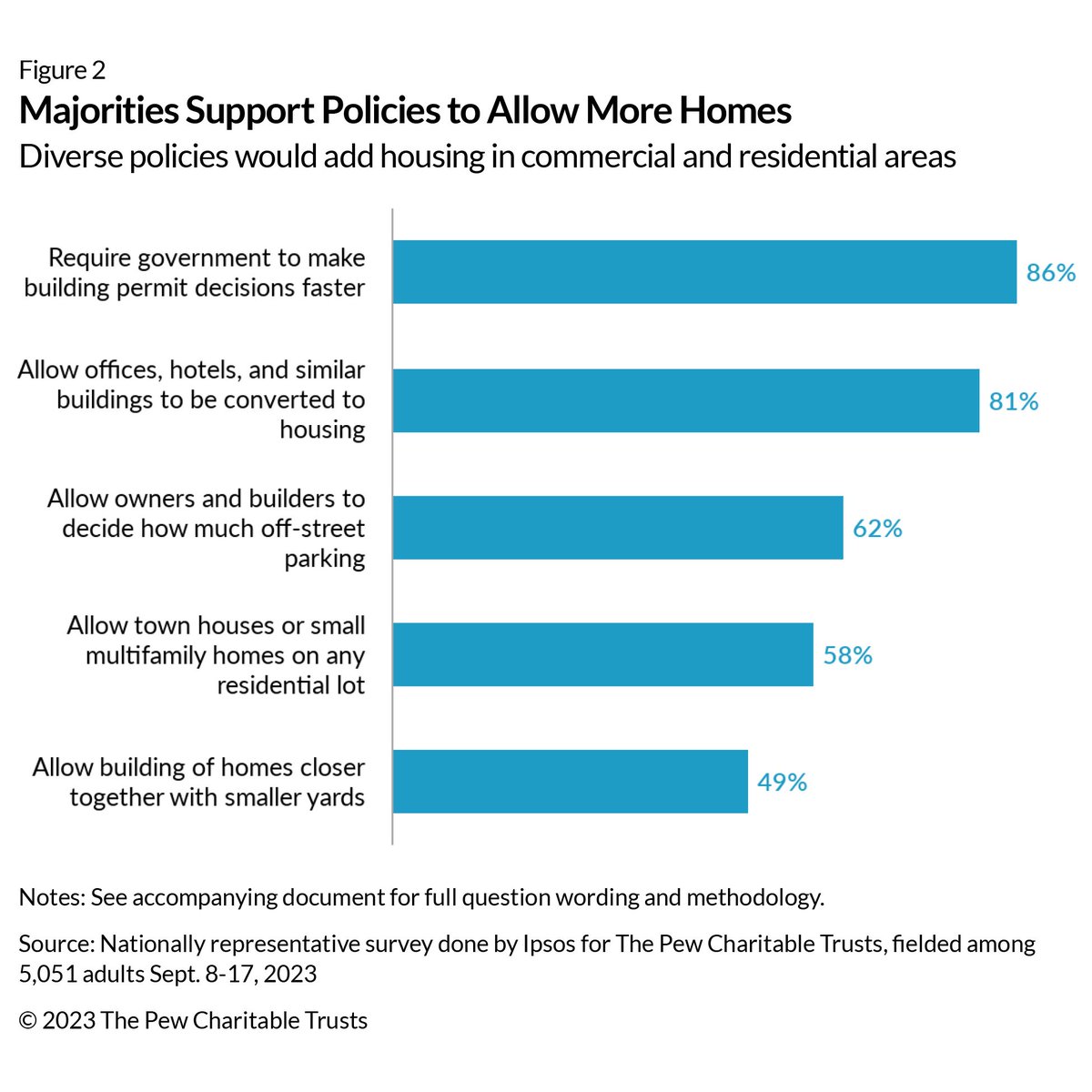
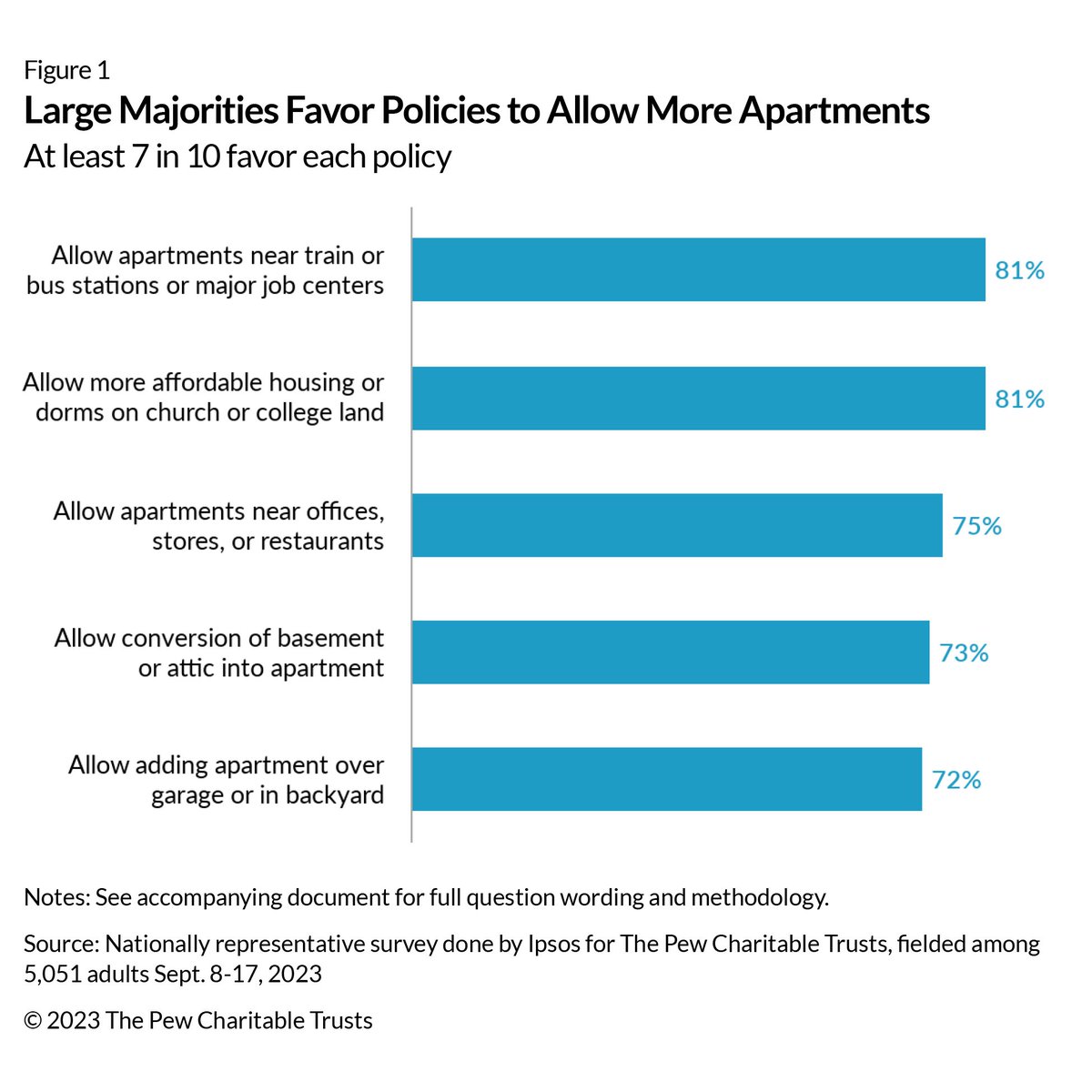
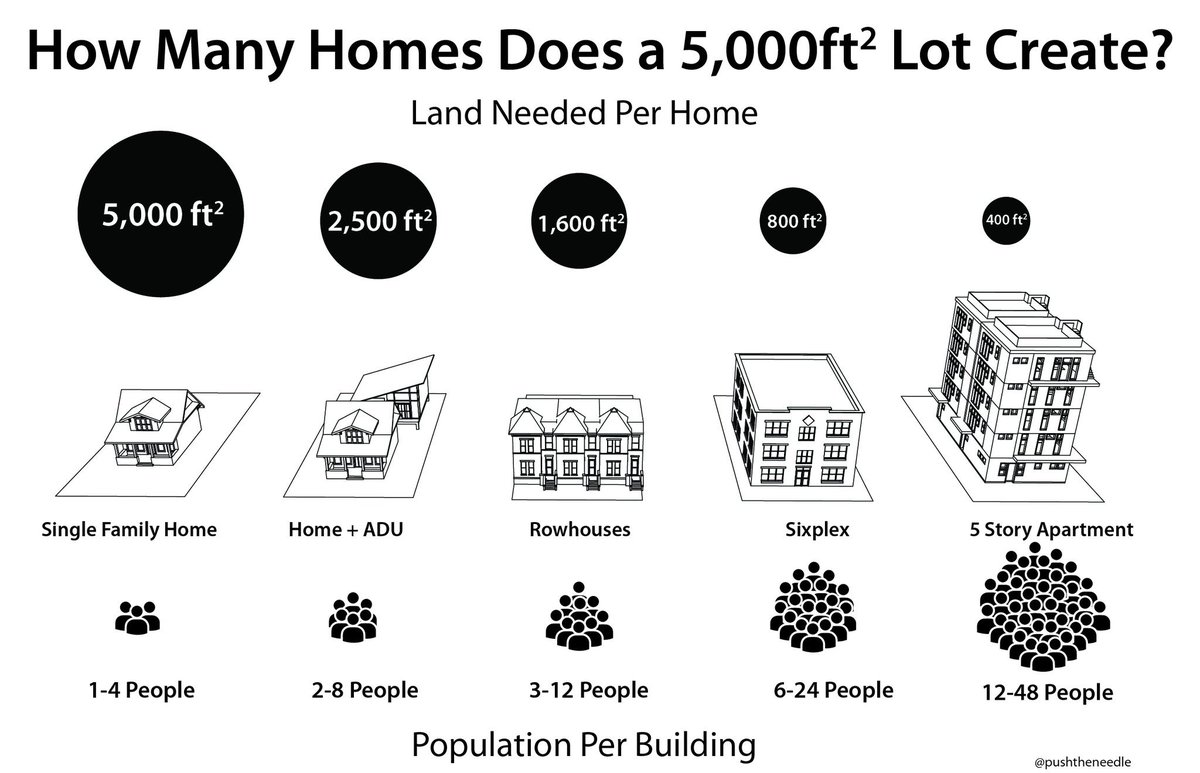
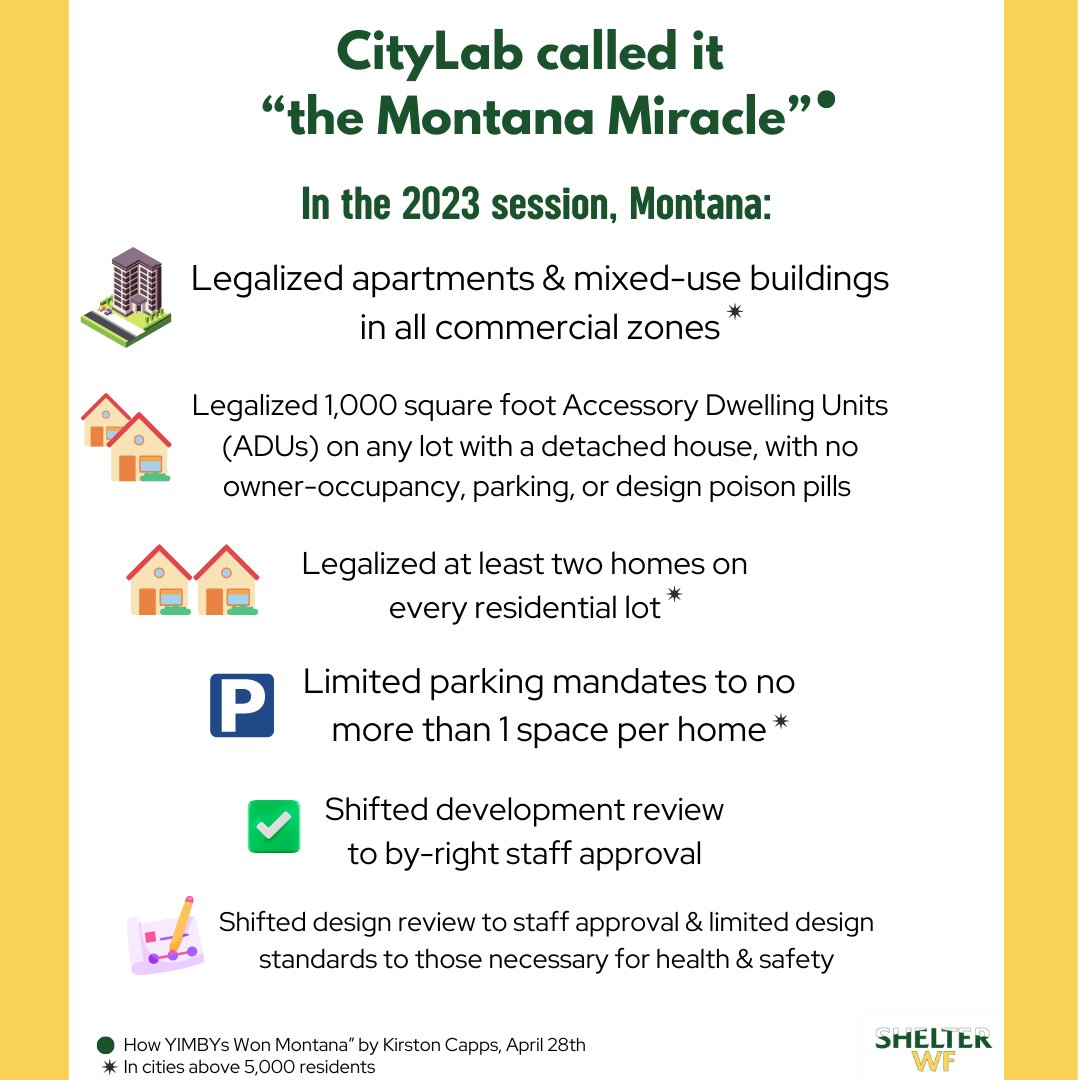
New survey reveals that a majority of Americans support policies to boost housing availability and affordability—with 7 of the 10 policies surveyed topping 70% approval.
Here's what they said about building more apartments…
The @BLS_gov Consumer Expenditure Report has tracked household budgets since 1984. How is the median household doing today vs then? In short: incomes are $16k higher, and food and clothing are cheaper. But the avg household is spending $5k more on #housing. (1/10)
Our new study finds that manufactured housing offers a potential solution to rising construction costs, with a significant cost advantage over site-built homes. @MHIupdate@IvoryInnovation
https://t.co/7PvWNBZC9x
What happens to rents when new homes are added?
Research shows it can reduce competition for housing—and slow rent growth.
See the data: https://t.co/egxJcG8H5f
Workers build California. By coming together to end the housing shortage and affordability crisis, we also create thousands of good-paying jobs for construction workers.
Limits on the number of dwelling units permitted, and single-family zoning, are at least partly to blame for a disproportionate share of housing production continuing to occur in at-risk areas. https://t.co/RVJZRQiDGX
Why has renting become so expensive?
Research shows a lack of available housing is driving up costs. In Colorado, we found that lower rental vacancy rates corresponded with rising rents. #COPolitics
https://t.co/ENAAU8AVCC
This jumps from useful data to unsupported speculation where it really counts IMO. The people who move into new apartments mostly come from the same metro area. When they move, they immediately facilitate moving chains that create vacancies in that older, cheaper housing stock.
It’s a great day to support the @NatlParkService and pitch in with a clean up at Daingerfield Island along the GW Parkway. @Pewtrusts helping to celebrate #Pew75 with service.
Rigid zoning rules:
-prioritize expensive, water-wasting single-family sprawl
-prevent efficient development near jobs, transit, and amenities
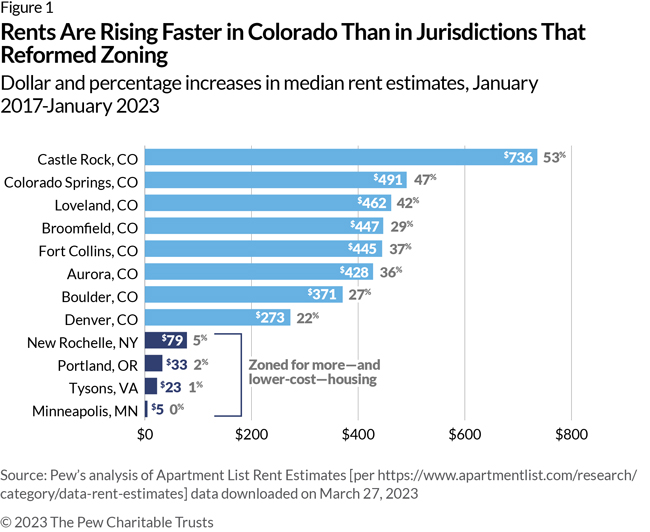
-and are costing Colorado renters thousands more than renters in places that reformed zoning to allow more housing options.
More people in smaller households require more homes. That shortage is what’s driving up rents in Colorado, and policymakers are taking notice. https://t.co/TWLt0VvD8v
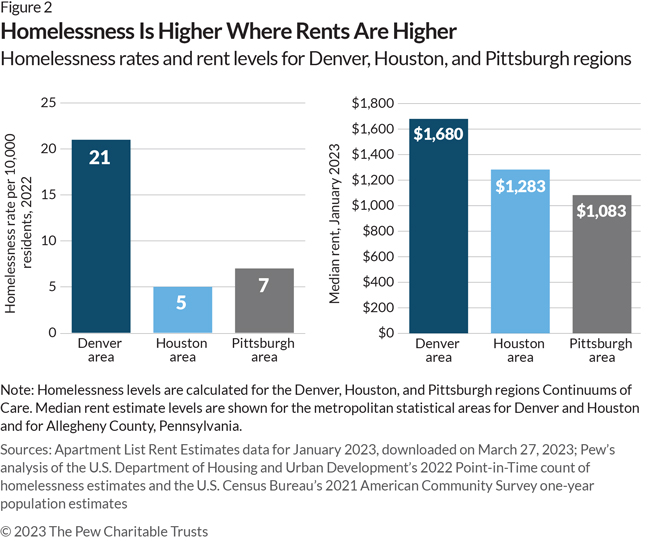
Homelessness is higher in areas where rents are higher, new research shows.
What’s more is cities are finding ways to keep housing costs and homelessness low. How?
Making enough housing available—especially lower-cost options. https://t.co/EY5fKGYRrw
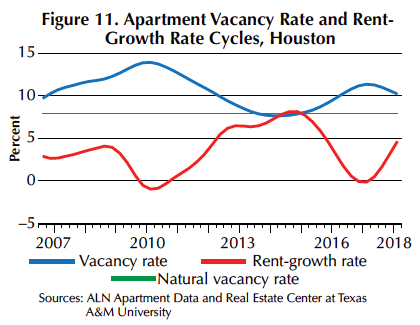
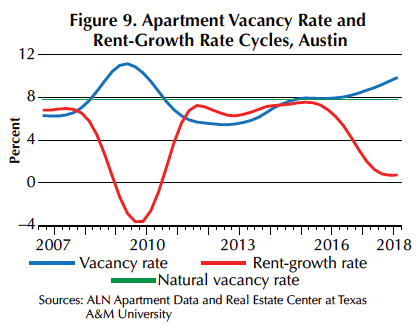
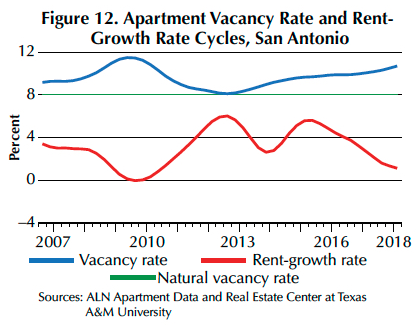
The relationship between vacancy rates and rent increases is astonishingly clear. When vacancy rates are low, rent growth is high; when vacancy rates are high, rent growth is low (or negative). H/t to @yhdistyminen for link: https://t.co/akILc9gESs
“What happens to rents after new homes are built? Adding new housing supply slows rent growth—both nearby & regionally—by reducing competition among tenants for each available home and thereby lowering displacement pressures.” 🏗️🏢 @AlexHrwtz@rcanavan_DC
https://t.co/1Njkl5Ulue
Minority households in the US face significant hurdles when trying to buy a home. Reflecting decades of unfair policies, the mortgage denial rate is still twice as high for Black applicants as it is for the overall population. @MITgcfp @MITSloan@MITdusp
https://t.co/XrWcdPGf1X
*New research* If remote work caused population loss in big expensive cities, why did their rents and house prices go up? My new paper with @ecarl_economics suggests one answer: household formation! https://t.co/rkUKZYlrTg