Las agricultoras están en todas partes: en los campos, en los bosques, en los mercados...
Alimentan a sus familias, sustentan comunidades y fortalecen nuestros sistemas agroalimentarios.
Descubre más sobre el #AñoDeLaAgricultora ➡️https://t.co/grEo8K7e55
🚨Comunidades Ese Ejjas de Beni, Pando y La Paz denuncian abandono estatal, contaminación por mercurio y muertes sin atención oportuna.
Mientras la #minería avanza, persisten condiciones extremas de precariedad y vulneración #derechos en la #AmazoníaBO
https://t.co/GkAPvnIsEF
1/2) #CedibYaLoDijo
📉 El Mineral Commodity Summaries 2026 confirma lo que ya se venía advirtiendo: #Bolivia ha descendido de posición entre los países con mayores recursos #litio, mientras EEUU pasa a liderar en recursos y multiplica sus reservas.
https://t.co/0A3PGRdWcy
From pollination to soil health, biodiversity is key to achieving #ZeroHunger. Yet, the nature crisis is fuelling food insecurity.
See how the Global Biodiversity Framework supports the #GlobalGoals: https://t.co/NU1ZaBp9pY
@UNBiodiversity
Protecting the planet is a shared mission.
From daily choices to global initiatives, UNEP gives you ways to get involved and invest in a better future.
Explore how you, too, can make a difference: https://t.co/bXM0nSrqlq
🚩 Organizaciones denuncian criminalización de defensores de #Tariquía.
@GeorgeCampanini señala que, desde 2015, decisiones estatales y cambios normativos han priorizado proyectos extractivos, aumentando la vulnerabilidad de AAPP y territorios indígenas
🔎 https://t.co/CBiS1IDHYf
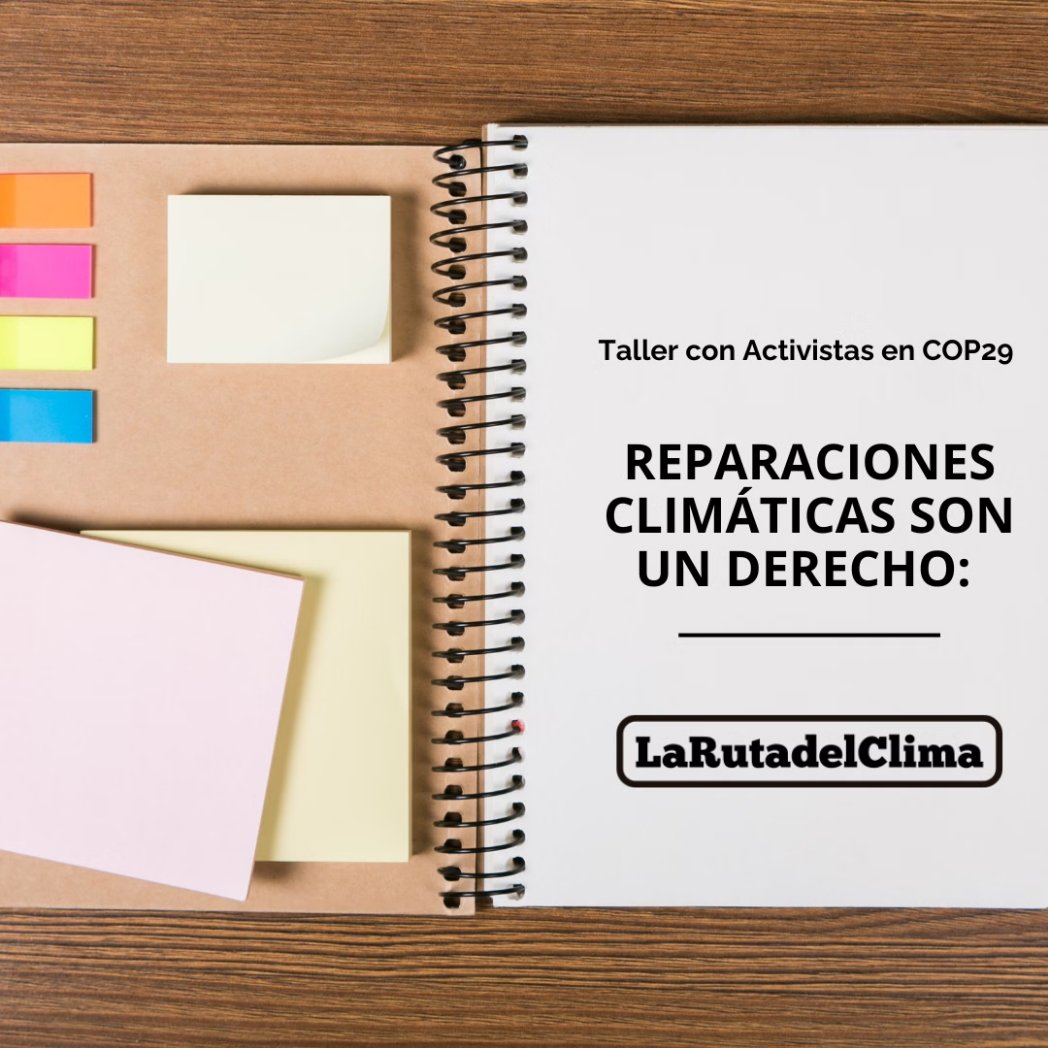
☆☆Nueva Publicación ☆☆
<Reporte de Taller con Activstas en COP29 sobre Reparaciones Climáticas>
✅️Descarga: https://t.co/XOmInRCqo9
☑Manténgase informada: https://t.co/UFbSZlaAqa
Parties should reject the MLS/DSI package at #GB11. It weakens Farmers’ Rights, threatens sovereignty & fails on transparency and benefit-sharing. Signatories call for a NO vote. https://t.co/68yFjrpyEL
290 organisations from 52 countries are calling on the FAO, the ITPGRFA Secretariat, and national governments to REJECT the proposed MLS/DSI amendments at #GB11 in Lima.
This is one of the strongest global civil society mobilisations ever assembled on seeds, farmers’ rights, biodiversity, and sovereignty. Across continents and cultures, the message is clear and unified:
🌍 Why 290 organisations are calling for a NO VOTE
The current draft package:
• fails to prohibit patents and other IPRs on MLS-shared genetic resources, components, derivative varieties, and derived information — including DSI — with no strict, verifiable enforcement to prevent this misuse
• seeks expansion to ALL PGRFA and DSI-sharing before any safeguards, transparency, or accountability systems are in place
• has no SMTA transparency (no disclosure of who takes what plant genetic resources)
• has no binding benefit-sharing (companies can profit without paying provider countries or farmers)
• has no FPIC (Free, Prior & Informed Consent) for farmers & Indigenous peoples
• allows biopiracy through DSI
• inserts new confidentiality clauses protecting commercial secrecy
• undermines national sovereignty over genetic resources
• omits protections for Farmers’ Rights (Article 9)
• was advanced without consensus
• and is heavily shaped by corporate influence
This is not a reform.
This is a setback — one that weakens rights, strengthens corporate capture, and denies basic transparency.
🌾 What the Global South and Global Civil Society Demand
1. Strict, verifiable enforcement to prohibit IPRs
No patents on MLS-shared seeds, traits, derivatives, or DNA information — including DSI — with strong oversight to prevent misuse.
2. No expansion to ALL PGRFA or DSI inclusion
Not until transparency, benefit-sharing mechanisms, and safeguards are real.
Not until patent-prohibition and IPR safeguards are secured and enforceable.
3. Full SMTA transparency
Publish ALL transfers — providers, recipients, accession numbers, research outcomes — as required under the Treaty.
4. Legally binding monetary benefit-sharing
Not voluntary. Not symbolic. Every commercial use must contribute.
5. FPIC for farmers & Indigenous peoples
No use or commercialisation of seeds or genetic sequences without explicit consent.
6. A NEW, fair, inclusive global process
With farmers, Indigenous communities, and civil society — not just breeders and corporate observers.
🇮🇳 India's Role is Critical
As a major biodiversity provider nation, India must:
• vote NO at #GB11
• defend national sovereignty over India’s plant genetic resources
• uphold Farmers’ Rights under Article 9
• ensure the Seeds Bill protects the right to save/use/exchange/sell seed
• oppose DSI access without binding global benefit-sharing
• stand with the Global South against corporate capture
📜 Full global letter & signatories:
https://t.co/AV2znEZYGW
We call on the following leaders to act:
@FAODG@planttreaty@kentnnadozie@MichaelFakhri@PMOIndia@ChouhanShivraj@AgriGoI@oxfamnovib@SwedBio@FIANista@FAOPeru
Seeds are our bio-cultural living heritage — not corporate property. Seeds are life. Seeds are freedom.
Stand with farmers, seed keepers, Indigenous communities, and biodiversity defenders.
Reject the MLS/DSI amendments at #GB11.
#SeedSovereignty #FarmersRights #NoBiopiracy #Biodiversity #FoodSovereignty
290 organisations from 52 countries are calling on the FAO, the ITPGRFA Secretariat, and national governments to REJECT the proposed MLS/DSI amendments at #GB11 in Lima.
This is one of the strongest global civil society mobilisations ever assembled on seeds, farmers’ rights, biodiversity, and sovereignty. Across continents and cultures, the message is clear and unified:
🌍 Why 290 organisations are calling for a NO VOTE
The current draft package:
• fails to prohibit patents and other IPRs on MLS-shared genetic resources, components, derivative varieties, and derived information — including DSI — with no strict, verifiable enforcement to prevent this misuse
• seeks expansion to ALL PGRFA and DSI-sharing before any safeguards, transparency, or accountability systems are in place
• has no SMTA transparency (no disclosure of who takes what plant genetic resources)
• has no binding benefit-sharing (companies can profit without paying provider countries or farmers)
• has no FPIC (Free, Prior & Informed Consent) for farmers & Indigenous peoples
• allows biopiracy through DSI
• inserts new confidentiality clauses protecting commercial secrecy
• undermines national sovereignty over genetic resources
• omits protections for Farmers’ Rights (Article 9)
• was advanced without consensus
• and is heavily shaped by corporate influence
This is not a reform.
This is a setback — one that weakens rights, strengthens corporate capture, and denies basic transparency.
🌾 What the Global South and Global Civil Society Demand
1. Strict, verifiable enforcement to prohibit IPRs
No patents on MLS-shared seeds, traits, derivatives, or DNA information — including DSI — with strong oversight to prevent misuse.
2. No expansion to ALL PGRFA or DSI inclusion
Not until transparency, benefit-sharing mechanisms, and safeguards are real.
Not until patent-prohibition and IPR safeguards are secured and enforceable.
3. Full SMTA transparency
Publish ALL transfers — providers, recipients, accession numbers, research outcomes — as required under the Treaty.
4. Legally binding monetary benefit-sharing
Not voluntary. Not symbolic. Every commercial use must contribute.
5. FPIC for farmers & Indigenous peoples
No use or commercialisation of seeds or genetic sequences without explicit consent.
6. A NEW, fair, inclusive global process
With farmers, Indigenous communities, and civil society — not just breeders and corporate observers.
🇮🇳 India's Role is Critical
As a major biodiversity provider nation, India must:
• vote NO at #GB11
• defend national sovereignty over India’s plant genetic resources
• uphold Farmers’ Rights under Article 9
• ensure the Seeds Bill protects the right to save/use/exchange/sell seed
• oppose DSI access without binding global benefit-sharing
• stand with the Global South against corporate capture
📜 Full global letter & signatories:
https://t.co/AV2znEZYGW
We call on the following leaders to act:
@FAODG@planttreaty@kentnnadozie@MichaelFakhri@PMOIndia@ChouhanShivraj@AgriGoI@oxfamnovib@SwedBio@FIANista@FAOPeru
Seeds are our bio-cultural living heritage — not corporate property. Seeds are life. Seeds are freedom.
Stand with farmers, seed keepers, Indigenous communities, and biodiversity defenders.
Reject the MLS/DSI amendments at #GB11.
#SeedSovereignty #FarmersRights #NoBiopiracy #Biodiversity #FoodSovereignty
Si estas en Nueva York (o Nueva Jersey) esta semana te invitamos a la proyección exclusiva del documental "UMA: Una crisis de agua en Bolivia" será el domingo 22 de septiembre de 2024 en Bloomfield, NJ. https://t.co/H4SsIPFLDc
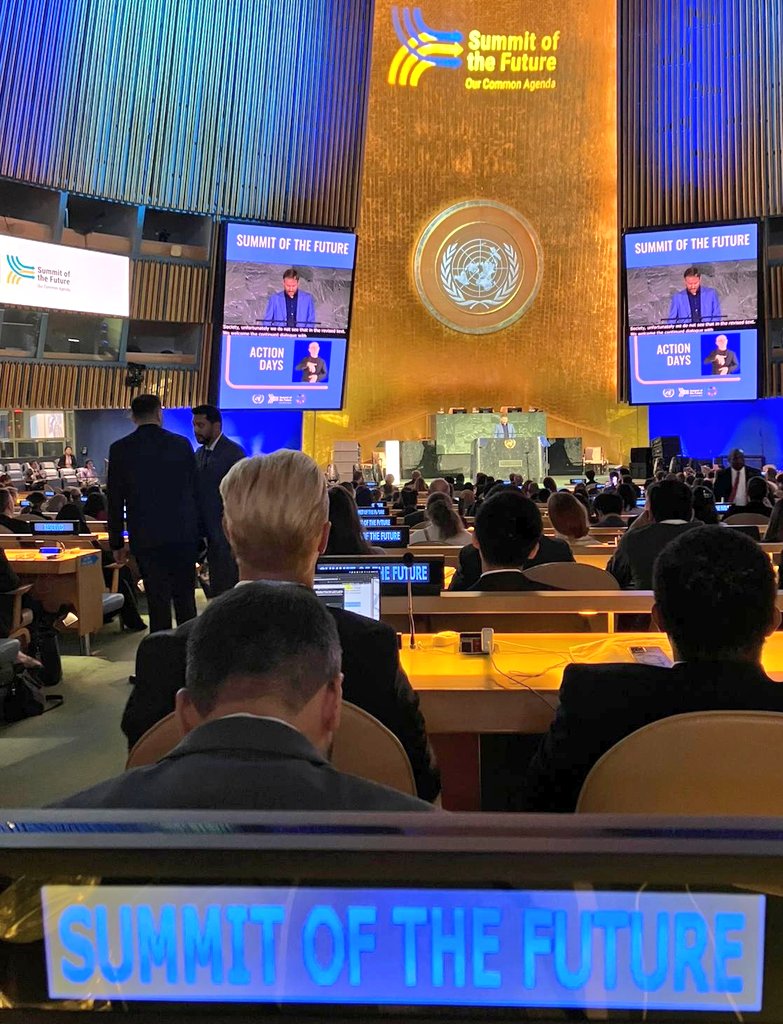
Si estás en Nueva Jersey (o Nueva York) este domingo de visita (o para la Cumbre del Futuro de la ONU), ¡Descubre QUIÉN, CÓMO, CUÁNDO, DÓNDE y POR QUÉ está sucediendo esto y QUÉ puedes hacer al respecto! https://t.co/gDsbVM07oV
Amigo, colega y aliado; @OliHenman prop un sistema multilateral democrático, basado en derechos para un futuro mejor: poner fin a los combustibles fósiles, protección social universal y proteger el espacio cívico incluso en la ONU mediante el fortalecimiento de @MajorGroupsUN
#DYK nearly 75% of major marine fish stocks have been depleted/overexploited & 50% of live coral cover on reefs destroyed? 🤔
-@IPBES#GlobalAssessment
Let’s restore our ocean's vitality & ensure a more sustainable future.
https://t.co/NX1oqc6pLg
🐠 Marine life is under threat. We must act now to preserve our oceans and ensure sustainable use of marine resources.
Support #GlobalGoals: https://t.co/dhHWSUYzAP
#Insect species 🦗🐛🐞 are rapidly declining globally!
The upcoming UN Wildlife Conservation Conference #CMSCOP14 will discuss the potential negative effects of the loss of insects on migratory insectivorous animals, such as many #bird and #bat species.
https://t.co/A87CeYb7Lr
OP-ED: Biden has a chance to show that the world’s biggest exporter of oil and gas is actually going to change its ways. It’s not clear if he’ll take it.
by @billmckibben @Mzozane
https://t.co/8R4WfAEXxl
📢En esta edición del boletín “La Voz de CANLA”, tenemos el agrado de presentar de manera resumida las principales valoraciones de nuestros miembros y aliados sobre los resultados de la #COP28 de la @CMNUCC
🔗https://t.co/6vTstZ6gE9
@isa_bori@mociccperu@claudioangelo