“Mitochondria is the powerhouse of the cell” became a joke because millions of people remembered it.
Maybe that’s not evidence that school failed.
Maybe it’s evidence that a tiny piece of knowledge stuck.
And no, that is not mastery.
But it is not nothing.
Read or listen: https://t.co/q0Idzg1wJn
@MrBeast The correct answer is to get the person in charge of the buttons.
More important question: when eating buffalo wings, would you rather end with bad flat, or end with a bad drum?
Most words get taught. Few get used.
How do you choose the ones that matter?
My process for building vocabulary that actually transfers: https://t.co/NUhhyOHENF
Narrowing K–2 Word Love math vocab to ~12–15 core words per grade.
Vocab lists can get bloated. Trying to identify what actually deserves to stick.
If you teach or support K–2, I’d value your input:
K: https://t.co/XDUtw7N802
1: https://t.co/6MlH5xyfbT
2: https://t.co/3M7EnyqLsP
Word Love Summer Sessions 2026
June 16–18: vocab, grammar, spelling
July 15: Science of Learning Studio
Send a small team. Bring it back to your district.
Learn more: https://t.co/5ngauJergj
Scarborough’s Reading Rope is everywhere.
Is it helping teachers act on the science of reading, or just helping us display its parts?
Not wrong. Just hard to use.
Read about it—or listen—here: https://t.co/1Gpe21ndzG
Most kids know 'The Tortoise and the Hare.'
After that, their knowledge of fables falls off fast.
But fables are:
-short
-memorable
-tied to everyday language (“sour grapes,” “crying wolf”)
-perfect for classroom use
We should be using them more.
Read or listen here: https://t.co/EnMT8ByXt6
Fluency is simple. That’s the problem.
Overexplain it and the work veers off course.
Model. Read together. Read again. Then release.
Repeated reading with gradual release still works.
Read or listen here: https://t.co/P63v6LEgYm
In second grade, I lost a math race at the chalkboard—and learned something that had nothing to do with math facts.
I wrote about it here: The Math Race
Lessons Before Lessons: A Learning Life 👇
“Transfer isn’t a finish line; it’s a path …. No matter where a learner begins, there’s always another step to take. Our task is to help them strengthen knowledge, clarify intent, and expand creativity as they keep moving along the path of transfer.“@readwritemike 🤍
Part 3 of The Paths of Transfer is out.
Replication. Emulation. Innovation.
When knowledge & creativity align, learning begins to take off.
Stories from classrooms, coaching, and the moments when transfer becomes true understanding.
Read/ Listen here: https://t.co/odL7DeYCBE
The second lion flicked his tail. “You might check your reflection before you give a lecture.”
The first bent to drink and saw his own mane matted and red all over.
He grunted, embarrassed. The other smiled. “Hard to see your own stains when you’re roaring at someone else.”
@HildaZanaliu@StamStam193@SoLInTheWild Excellent choice! You will love it. It will have so much meaning and practical application to your personal and professional life. Enjoy! And tell me what you think when you’re done.
“Repetition, Reinterpretation, and Experimentation mark that middle stretch where learning starts to hold. Knowledge is developing, intent is clearer, and fidelity is flexible enough to invite growth.“@readwritemike
Part 2 of The Paths of Transfer explores the middle stage of learning—when knowledge is growing but not yet steady.
Repetition. Reinterpretation. Experimentation.
How learners test ideas before they truly hold.
Read/ listen here:
https://t.co/4wxxJr1cs7
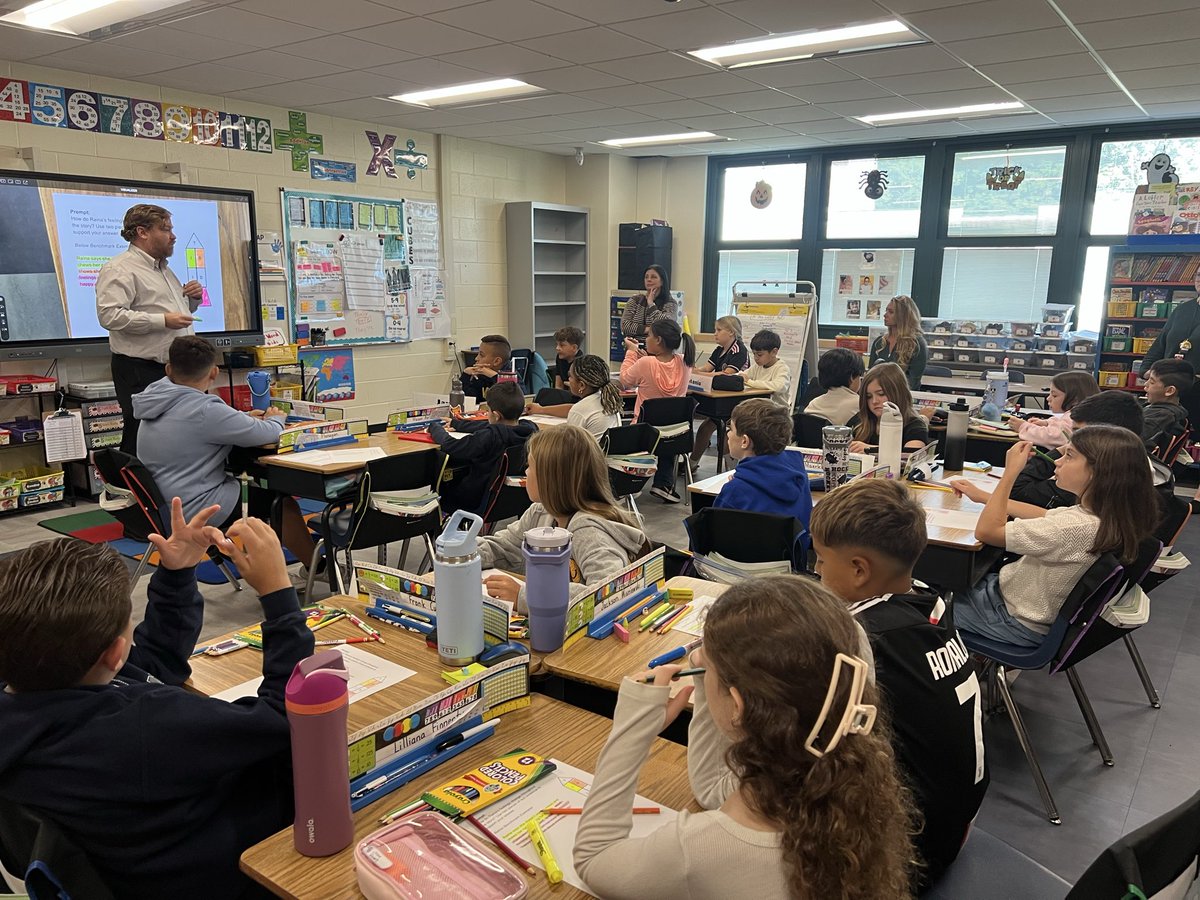
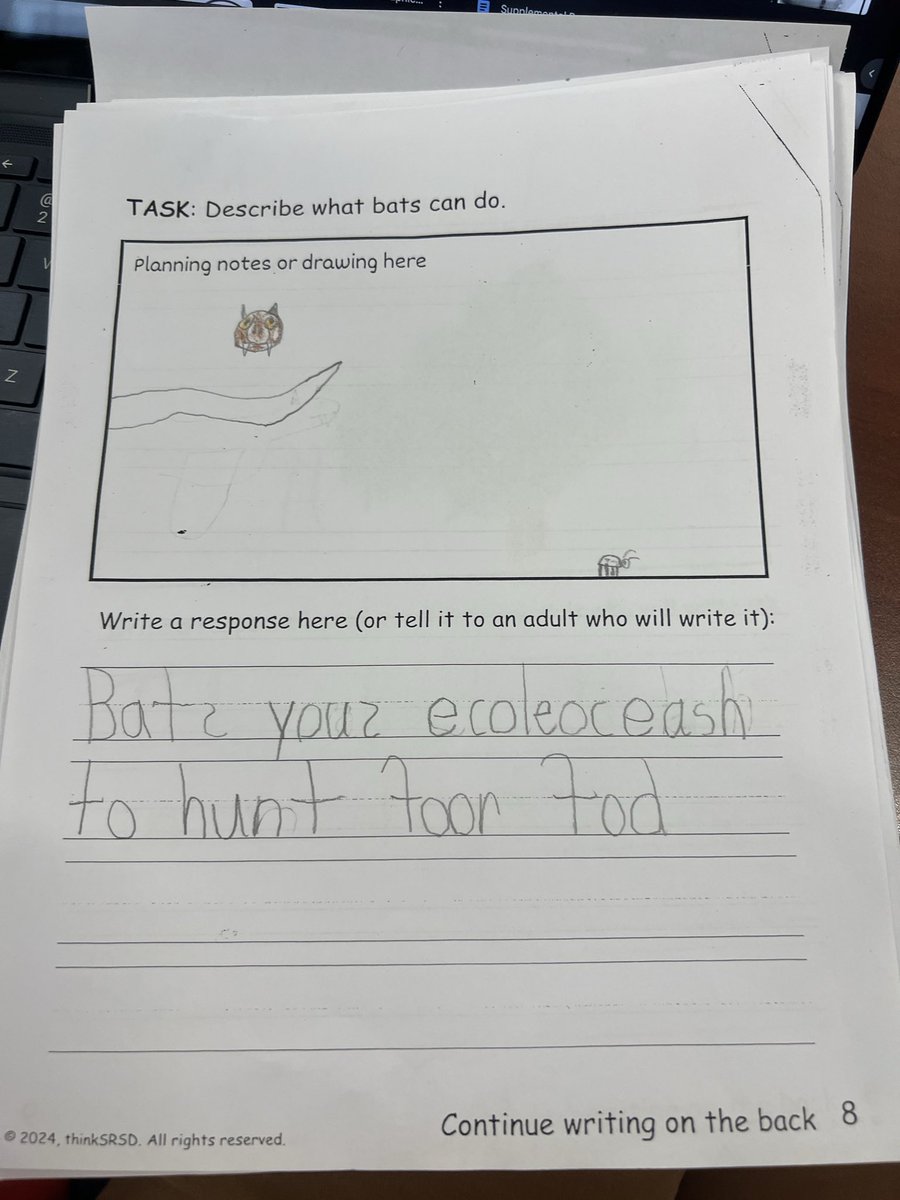
🚀 Our first cycle of learning around explicit writing instruction is in full swing! 🎉 We've officially launched #thinkSRSD across the entire district, and we can't wait to watch our young writers shine! @LeslieLaud@readwritemike