🚨 SENATOR CRAMER JUST ISSUED A WARNING
"AMERICA IS IN DANGER OF LOSING THE CRYPTO RACE."
IF THE CLARITY ACT DOESN'T PASS, CRYPTO COMPANIES, TALENT & CAPITAL COULD FLOOD OVERSEAS.
WILL TRUMP PASS THE BILL BEFORE IT'S TOO LATE?
BREAKING: MICHAEL SAYLOR'S STRATEGY JUST BOUGHT 1,550 #BITCOIN $100,000,000
THAT'S 100x MORE THEN THE BTC THEY SOLD
HE IS PROVING ALL THE HATERS WRONG 🔥🔥
🔴 Asian oil tankers carrying US crude through the Panama Canal just hit a 4-year high.
This has more to do with just more oil going to Asia.
👉 It’s about why buyers are choosing the most expensive oil shipping route available
Here’s the key issue:
The real constraint in oil today is no longer supply.
👉 It’s safe and insurable shipping routes
Because of disruptions in the Strait of Hormuz... moving oil from the Middle East to Asia has become:
🔻 riskier
🔻 harder to insure
🔻 harder to finance
So Asian buyers have adjusted.
Instead of taking that risk, they turn to US Gulf oil.
Why?
Because US barrels can avoid both Hormuz and the Red Sea
But here's the challenge:
The Panama Canal is NOT a cheap option.
🔻 Limited ship size (Neopanamax constraints)
🔻 Expensive transit slots
🔻 Slower logistics
And yet… buyers still choose it because certainty is now more valuable than cost
They expect the risk to last and are willing to pay extra just to guarantee delivery.
This creates a new type of pricing dynamic that has nothing to do with a supply shortage but a route risk premium
The impact of this will be that US Gulf exporters will gain pricing power, which will prompt oil prices rise
If we look further:
As Middle East oil becomes harder to ship to Asia…
👉 Dubai-linked crude becomes less attractive
👉 US light-sweet crude becomes “insurance oil”
So price relationships start shifting:
▫️ Dubai crude rises relative to Brent
▫️ While WTI strengthens vs both
▫️ And US exports drain coastal inventories
This can now be seen in the spreads:
WTI-Houston trading above Cushing
Brent-WTI spread narrowing
👉 That’s logistics stress showing up in oil pricing
Now the downstream effect is that more US light crude into Asia changes refinery output meaning there will be more gasoline and naphtha supply while Diesel and gasoil stay supported
Meanwhile Middle East barrels struggle to move east.
So they discount to sell west of Suez as such Brent-Dubai spread compresses
The key takeaway here is that:
If Panama remains the preferred route...The bottleneck to oil transportation now might be high cost shipping + insurance
Which means US Gulf stays tight, freight costs stay high, Asia keeps paying a “logistics tax”.
And that feeds into macro:
🔻 Higher US inflation pressure
🔻 Federal Reserve stays cautious
🔻 Dollar remains supported
But there are two scenarios from here:
1. If Hormuz reopens fully...the risk premium disappears
2. If Panama tightens further
▪️ More ships reroute around Africa
▪️ Freight costs surge
▪️ Oil prices move higher again
So keep an eye on
👉 Brent–Dubai spread
👉 WTI–Houston premium
That’s where the market is pricing risk in real time.
🔥 Bitcoin Long Position: Friday Intraday Liquidity-Driven Expansion
👉 Trade Thesis
#Bitcoin maintained a short-term bullish trajectory toward the 77,000 handle following Thursday's downside delivery. Price action signaled a continuation phase rather than a structural reversal.
👉 Market Structure & Order Flow
On the 15-minute timeframe, a clear accumulation of long positioning developed during late Asian session hours, extending into the London open.
This accumulation occurred within a previously broken supply zone, indicating a shift in order flow where prior supply zone transitioned into a demand base.
The consolidation phase reflected passive positioning by participants preparing for bullish directional expansion.
👉 Execution Insight
Entry was aligned with the completion of the accumulation phase, anticipating bullish distribution into higher liquidity pools.
Initial profit was secured at the previous day’s high, a key liquidity node where resting orders are typically concentrated and targeted for execution.
Approximately 80% of the position was scaled out at this level, locking in realised gains while maintaining exposure for continued upside.
👉 Outcome & Delivery
The distribution phase initiated during the European session open, driving price into 76,400 before profit-taking activity emerged from larger participants.
Residual position was left open as a runner toward the 77,000 target, with risk adjusted to break-even post partial realisation.
👉 Risk Management Note
Break-even positioning was applied only after partial profits were secured, ensuring capital protection without prematurely neutralising trade exposure.
Improper use of break-even remains a common error among market participants, often applied without realised gains or structural confirmation.
Closing Line:
Liquidity was accumulated with intent. Expansion simply followed positioning.
#Btc
#Liquidity
#CapitalMarkets
The European Central Bank is playing a strategic chess game regarding its interest rate moves.
When Martins Kazaks calls two rate hikes this year "reasonable," he's hinting at deeper currents that could reshape the euro's future. 🌊 Inflation is the ECB's persistent nemesis. It's not spiraling, but it's sticking around.
Kazaks notes that while wage-driven price hikes aren't rampant yet, companies might start adjusting prices faster due to recent inflation experiences. This potential "stickiness" is why the ECB's rate decisions are under the microscope. 🔍 The market's view is split. Odds for an April hike have plummeted to 21%, yet there's a strong belief in a June tightening. This divide is telling.
However, if the ECB moves faster than expected, the euro could see upward pressure as investors chase higher yields.
Energy prices add another layer of complexity. They're stable for now, but their volatility is legendary. A sudden spike could derail the ECB's plans and send the euro on an unexpected path. ⚡
FX Portfolio Managers should keep an eye on ECB meetings. Data releases could swing expectations and market moves dramatically.
The euro's trajectory will hinge on inflation data, energy prices, and any shifts in ECB talk. Rapid changes could push the ECB into more aggressive rate hikes.
This dynamic could propel the euro to new heights.
#ECB #Alpha #PortfolioManagement #CapitalMarkets
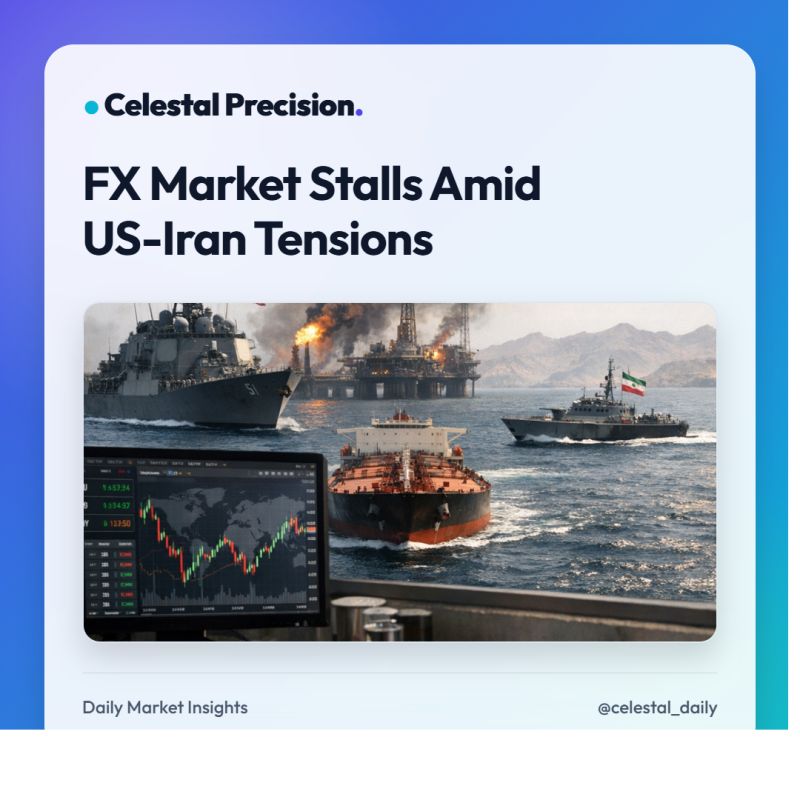
🚨 Geopolitical Alert: The FX market has been in a holding pattern, waiting on the edge of its seat for developments in the US-Iran nuclear talks. The Strait of Hormuz, a vital oil artery, is at the center of this tension. Any progress here could ignite a rally in risk-sensitive currencies and assets.
👉 Here are some key indicators
- The Canadian dollar is leading, hinting at market expectations of future oil supply disruptions or resolutions that could boost prices.
- The New Zealand dollar is lagging, with minimal exposure to geopolitical risks and lacking domestic catalysts.
Meanwhile, the European Central Bank is sending mixed signals on rate hikes. This indecision is keeping the euro subdued, with EUR/USD slightly down. The market is torn between expecting tighter monetary policy or a prolonged wait-and-see approach.
The Swiss franc is on the rise, thanks to SNB minutes showing tighter monetary conditions. Yet, broader FX market movements remain muted, suggesting traders need more decisive action to back the franc's strength.
Looking ahead, the outcome of US-Iran negotiations will be pivotal. A breakthrough could see safe-haven currencies like the yen and Swiss franc decline, while riskier assets like Bitcoin and the stock market might surge. Conversely, a breakdown could boost demand for these safe havens.
How are you getting ready for the volatility that could follow if talks hit a deadlock? 🤔
#Alpha
#Forex
#Geopolitics
#Iran
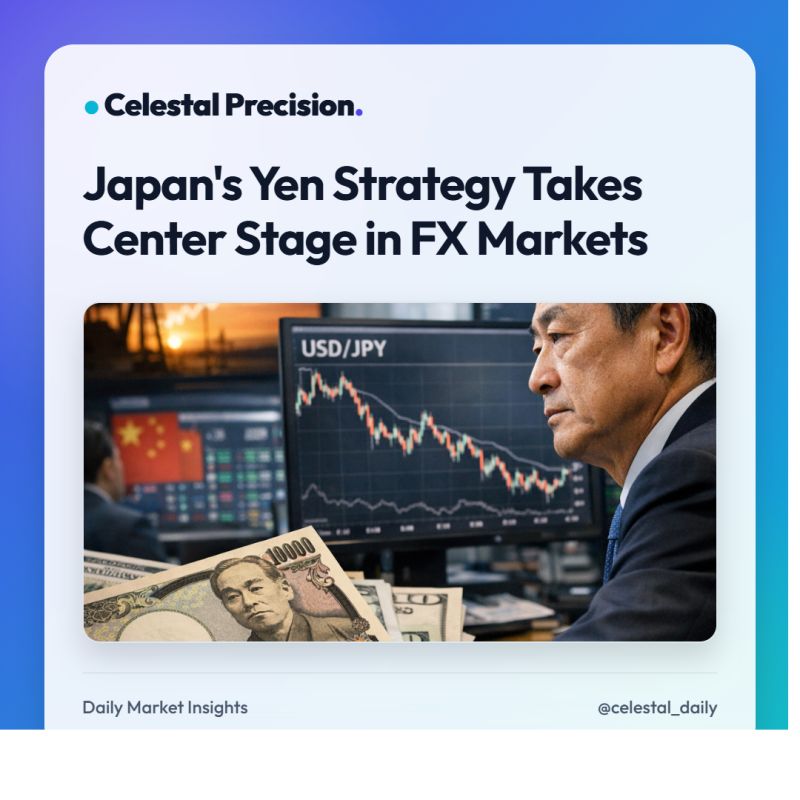
Japan's currency moves are the real story behind recent headlines.
While the world watches potential ceasefires and #Chinese tech maneuvers, Japan's strategic handling of the yen offers critical insights into the currency markets right now.
Finance Minister Katayama's vigilance over FX volatility, especially with #oil prices in play, isn't just talk. It's a calculated move to maintain economic stability, highlighting the balancing act of global risks and domestic policy.
Here's what's unfolding:
~ Japan's communication with the US on exchange rates signals a coordinated approach to managing currency fluctuations. This is crucial as oil market volatility could disrupt economic balance.
~ The yen's modest rise, even in a stable oil market, suggests that markets are bracing for potential Japanese intervention if things get rocky.
👉 Traders should keep an eye on #Japan next moves. The yen might become a key indicator of market sentiment on geopolitical risks, especially if oil remains unpredictable.
🚨 BlackRock's skepticism about the ECB's potential three rate hikes in 2026 isn't just a forecast but a wake-up call about the Eurozone's economic fragility.
This goes beyond interest rates. It's about the euro's vulnerability amid ongoing supply chain disruptions and geopolitical tensions, especially with Middle East turmoil.
👉 James Turner from BlackRock points out that the market's faith in the ECB's aggressive tightening might be misplaced. If the ECB hesitates on rate hikes, the euro could lose its luster against currencies like the US dollar, bolstered by a more hawkish Fed.
Here's the pain: Supply-chain shocks are tough to tackle with monetary policy. Disrupted supply chains lead to soaring costs and stalled production.
And so the ECB, cautious about stifling growth, might hold back on rate hikes if inflation isn't demand-driven.
~ Keep an eye on Europe's economic data.
~ Persistent inflation without growth could keep the ECB dovish, dragging down the euro.
~ Unexpected economic strength might force a policy rethink.
This cautious ECB stance could inadvertently boost the US dollar. With the Fed already hiking rates, the policy gap between the ECB and the Fed could widen, making the dollar more appealing. For those trading the EUR/USD pair, this divergence could shift capital flows and market sentiment.
The ECB is currently on a critical edge.. of managing inflation without choking growth in a supply-constrained world. And unforeseen geopolitical events further complicate this tightrope walk
#Eurozone #ECB #Forex #EconomicOutlook
The Swiss franc is playing a double-edged role in today's currency markets. It's both a stabilizer against inflation and a potential hurdle for economic growth. With its recent appreciation, the Swiss National Bank (SNB) is in a familiar bind: balancing the benefits of a strong currency against its drawbacks.
👉 The franc's rise is a classic response to global uncertainty as a safe haven, especially with recent tensions in the Middle East pushing energy prices and inflation expectations higher.
~ Upside: A stronger franc helps Switzerland by reducing the impact of imported inflation from rising oil prices.
~ Catch: If the franc remains too strong, it could hurt Swiss exports and slow economic growth, complicating the SNB's policy objectives.
🚨 The SNB is treading carefully. Rather than jumping into aggressive measures, it's poised to step in only to prevent excessive currency appreciation. This lets the franc act as a buffer against inflation without dragging down growth. Historically, this has been a tricky balance to maintain.
For FX traders, #marketmakers, #hedgefunds and financial institutions, this means caution. The franc may offer some protection against geopolitical tensions, but its strength could limit gains in Swiss stocks and squeeze export-dependent companies. The SNB's hesitance to adopt extreme measures, like negative interest rates, suggests any major currency intervention would be a last resort.
Looking ahead, the relationship between the franc's strength and Switzerland's economic health will be pivotal. Will the franc's safe haven status continue to outweigh concerns over growth? Or could a shift in Middle East tensions change the game?
The real uncertainty lies in how global risks will evolve and affect the franc's value. How might changes in geopolitical tensions or surprising economic data shape the SNB's next moves in the currency markets?
#SwissFranc #FXTrading
The real signal here may be less about April itself and more about confidence erosion inside the ECB. When central banks pause on rate hikes, due to inflation concerns, it often means growth fragility is becoming the dominant fear in policy rooms.
🚨 ECB Alert: No Rate Hike in April 🚨 The European Central Bank is hitting pause on an April rate hike. Why?
Uncertainty looms over the Eurozone's economic future.
The ECB is not convinced that inflation pressures are here to stay. They're wary of the second-round effects where rising wages and prices fuel each other.
Remember when they were talking tough? Not so much now. This reflects a broader skepticism about the Eurozone's prospects.
The IMF just slashed its growth forecast to 1.1%. Ouch.
So right now, the ECB is caught in a balancing act: inflation fears vs. choking a struggling economy.
Historically, the ECB has been the cautious sibling compared to the aggressive Fed. Their reluctance now might be a strategic pause, especially as easing geopolitical tensions could naturally cool inflation.
For FX portfolio managers, the euro might stay in its current range. No big economic shifts? No big moves.
Keep an eye on Eurozone indicators for signs that could sway the ECB's future decisions. This dovish stance contrasts with tightening strategies elsewhere, like in the U.S. If the ECB stays dovish while others hike, the euro could weaken against the dollar. I will keep an eye on how the Eurozone's story unfold?
Will the ECB's caution pay off, or will they have to act if inflation proves stubborn? 🤔
#ECB #Eurozone #Forex #Inflation #Economy
One overlooked angle here is bond yields: if tariff easing cools inflation expectations, Treasury yields may soften. That yield compression could become the real transmission channel into USD weakness.
🚨 The Fed's latest move to ease tariff impacts isn't just a tweak—it's a strategic shift that could reshape both the currency and the stock markets.
Perhaps by reducing tariffs, the Fed aims to tackle inflation from a new angle. But what does this mean for the dollar? 🤔
👉 Lowering tariffs can cut import costs, easing inflationary pressures. This might lead the Fed to slow down on rate hikes, potentially weakening the dollar as the market anticipates a less aggressive stance.
For importers and holders of foreign assets, this is big.
A dip in inflation could stabilize exchange rates, but it might also make the USD less appealing compared to currencies where central banks are still hiking rates.
~ Tariffs drive up consumer prices.
~ Easing them could control inflation.
~ A shift in monetary policy might influence the USD's global standing.
Keep an eye on policy changes. If tariffs drop, inflation forecasts could be revised, altering the expected path of interest rates. This could affect the USD and boost currencies like the EUR and JPY, depending on how the ECB and BOJ respond to their own economic challenges.
However, a critical question is: Can U.S. tariff reductions really dent it's inflation, or are other factors, like energy prices, too deeply rooted to be swayed?
This will be shaping the FX landscape in the coming months.
What do you think? 💬
#hedgefund #FedPolicy #Energy #Inflation
For equities, lower tariffs could quietly improve corporate margins, especially for U.S. manufacturers dependent on imported inputs. That means the S&P reaction may diverge from the dollar reaction: weaker USD, stronger earnings outlook
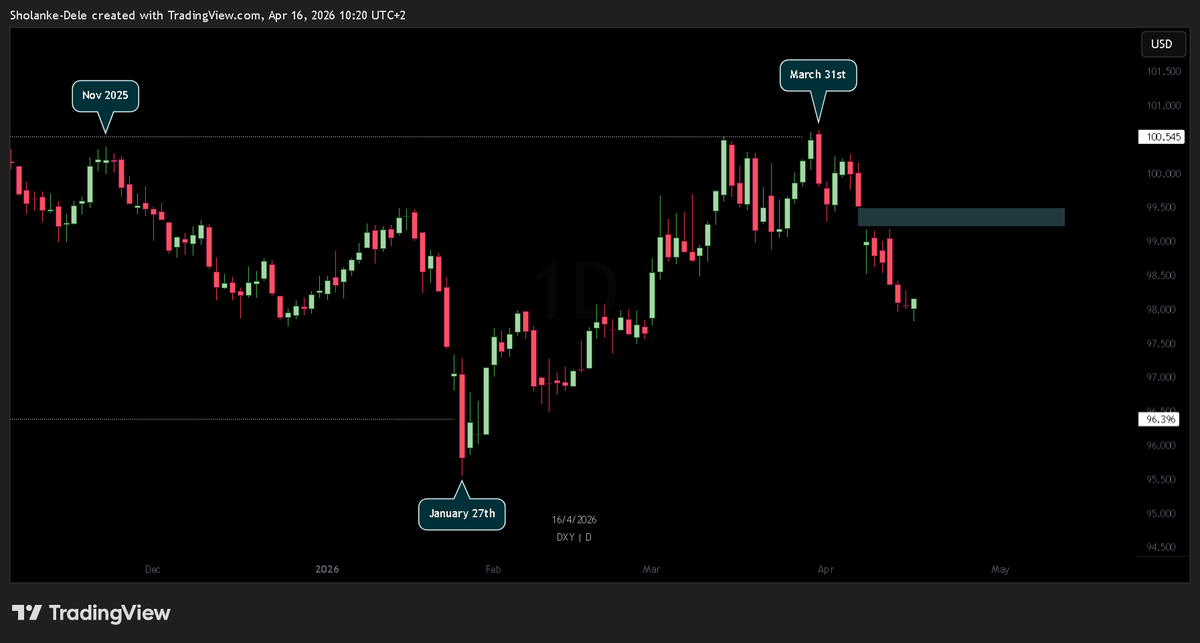
Over the past few days, the Dollar has weakened in response to the U.S. government lowering of tariffs duties. Because easing inflationary pressures might lead the Fed to slow down on rate hikes.