Improved split-thickness skin graft take in fibula free flap donor sites with a tie-over bolster in place for 14 days versus 5 days https://t.co/JLnK3f2BMi @UCSFMedicine
#Bicyclists beware: Helmets have protective effect for the upper head and brain, but mid and lower face are comparatively unprotected. Viewpoint from @topknife & @UofAZSurgery https://t.co/7FJmUvjXAV
I feel old in that white coat; at least I can find myself among the next generation of @UCSF surgeons. Practicing surgical skills and celebrating speed and style! @UCSFSurgery @UCSFGSResidency @AcademicSurgery
Representing Otolaryngology-Head and Neck Surgery on the podium at the Surgery Skills Competiton. Shout out to our amazing professors and my awesome co-interns #redefiningpossible@Jasosamd@UCSF
Do #bicycle helmets provide sufficient protection to the face during bicycle crashes, and, if so, how much protection do they offer? Find out in this study from researchers at @ucsf https://t.co/02WlnEgIHX
The #HPV vaccine is the best line of defense against HPV infection. Learn about the link between HPV and #headandneckcancer. https://t.co/sVg3QzA94A #podcast.
#Dizziness can be caused by inner ear issues or conditions related to the brain. Discover which type of dizziness Dr. @SOMaraEM says should be brought to immediate medical attention. https://t.co/yIdqTD8TTi
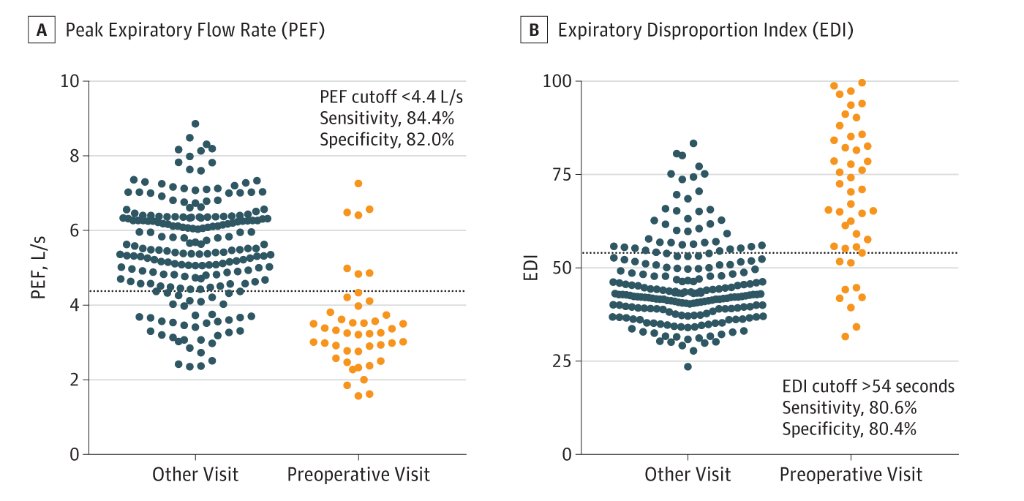
Peak expiratory flow is a simple, inexpensive and reliable objective measure for monitoring progression of airway stenosis. Read this study from @UVAOtoHNS, free for one week https://t.co/hAuvqBuOKm
This study examines the preoperative and postoperative changes in #qol as perceived and reported by patients who received surgical treatment for Tis or T1a #melanoma of the head and neck. https://t.co/68uVx4oFjI
"Ear issues and hearing loss are occupational hazards for musicians, especially those who perform live and are exposed to loud speakers. But Maine's story, although it's fictional, shows just how impactful tinnitus can be for some individuals."
https://t.co/ugi4D76rMB
A recent study published in @JAMAFacial shows how Johns Hopkins plastic surgeon Kofi Boahene & colleagues developed a multivector gracilis muscle flap to improve #FacialParalysis outcomes. https://t.co/YVPGilJI9b