We are surgeons and we operate beyond our knives and operating rooms.
Underneath our incisions is a world that we must be part of
#racism#gunviolence are public health issues
#ThisIsOurLane
Barriers continue to limit entry into the surgical workforce for URiM trainees, including lack of exposure, financial barriers, and inadequate mentorship. This perspective highlights actionable strategies to sustain progress toward an inclusive workforce. https://t.co/EBD3f8apiC
Open-source surgical education has expanded access to training, but “online” does not always mean accessible. Across 137 countries using a global surgical training platform, internet connectivity varied substantially, creating barriers to participation. https://t.co/qzUp50bTVC
This manuscript synthesizes the authors’ anecdotal experience as editors and peer reviewers by summarizing 10 commonly encountered flaws in the presentation of submitted research manuscripts in the field of acute care surgery that may contribute to editorial decisions to reject.
https://t.co/pZm6ifdAgu
I keep thinking if i wait long enough to dock the robot and learn robotic surgery
the robot will just fade and be good for a small number of procedures and my laparoscopic skills will live on 👀🤖
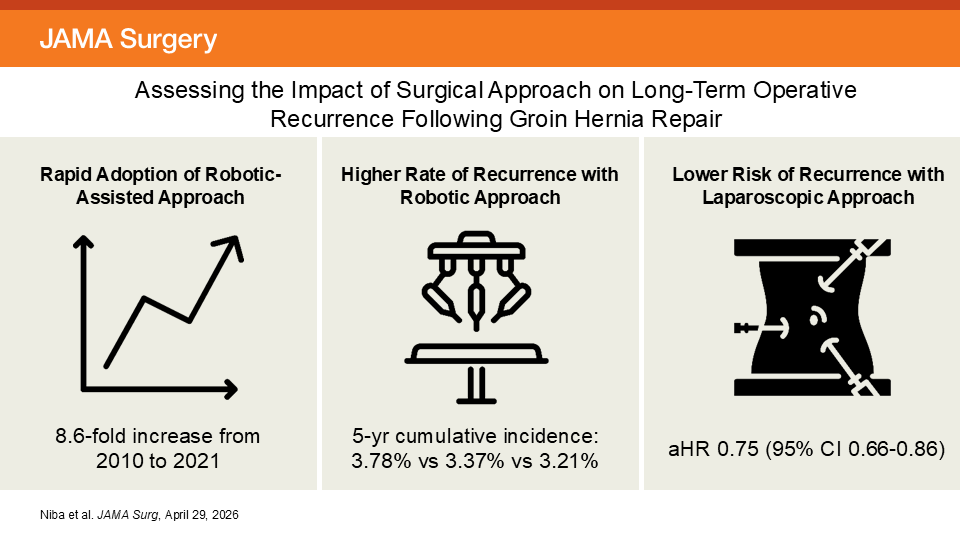
Robotic-assisted groin hernia repair was associated with a higher long-term operative recurrence rate than laparoscopic or open repair among #Medicare beneficiaries, with overall recurrence rates remaining low across all methods.
https://t.co/qY9rxbfYJS
But is it ? Still not a fan have seen it mislead so many decisions
Another tool that CAN add some info sometimes 👀🥴 flip a coin
Thank you for reading my letter to the editor ✍️
Ultrasound is now essential in the ICU for managing hypotension. Point-of-care protocols rapidly identify shock type, guide targeted resuscitation, and improve outcomes. Mastery of this “ultrasound stethoscope” is key to modern critical care. #POCUS#CriticalCare
https://t.co/i8NvLglgVW
Until now, physicians using AI in clinic had to assemble the patient’s context themselves. Allergies, comorbidities, medications, prior procedures, copy-pasted in from the chart.
Today we’re announcing a partnership with @CedarsSinai. OpenEvidence now works directly inside Epic, drawing on the patient’s full record and interpreting the medical literature through the lens of that specific patient.
Cedars-Sinai is the first academic health system to deploy patient-aware clinical intelligence at enterprise scale. The clinician asks a complex question in natural language. The answer reflects both the best available evidence and the patient in front of them.
Patient data is never stored after the clinical session or used for any other purpose.
Most people stay stuck because they keep adjusting themselves to fit the room they’re in.
If your goals, values, or vision actually matter to you, there will be moments where standing apart is the price of staying true to yourself.
Not every path is meant to blend in. -JD
Pediatric severe TBI study finds extraventricular drains (EVD) linked to 30% fewer surgeries and 25% lower mortality vs. intraparenchymal monitors (IPM). Highlights EVD’s potential benefits in ICP management.
@topknife@colstewart09@malmaaniMD@fcastillodiaz99
https://t.co/W6H6lcv1LF
Drawing on 40 in-depth interviews with surgical leaders, this editorial highlights 5 key qualities that define effective leadership in surgery. https://t.co/5bnTfZddAm
@ZhiVenFongMD From the article: "The panel noted that in patients with normal laboratory values, a definitive CVS, and no other indication for an IOC, this conditional recommendation for routinely performing IOC should be considered on an individual basis."
That sounds like selective IOC.
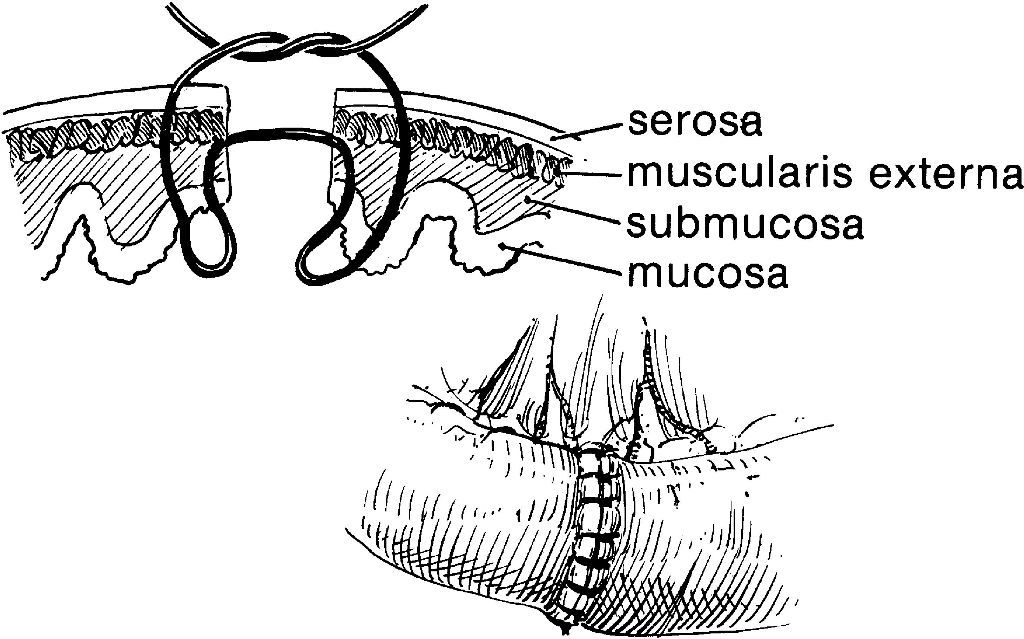
Learned the Gambee anastomosis during our @JEFFsurgery simulation last week and I can’t stop thinking about it! The thoughtfulness and foresight of prior generations of surgeons continue to astonish me. Surgery is brilliant!