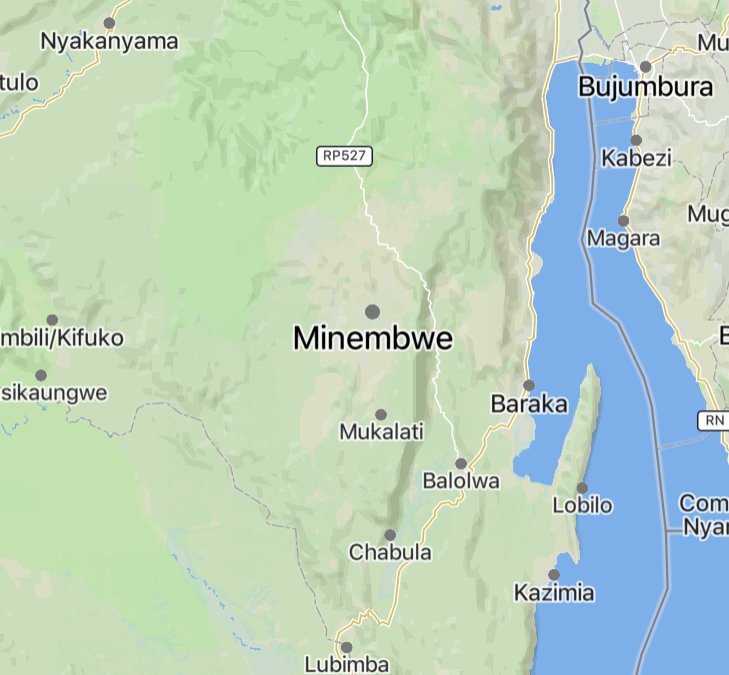
#Minembwe AFC/M23 yatangaje ko, kuri uyu wa Gatatu, tariki ya 30/09/2026, ingabo zihuriro rya Leta ya Kinshasa zagabye ibitero mu bice bya #Nyaruhinga, #Point_Zéro n’ahandi hakikije utu duce, muri Minembwe.
Mu Itangazo ryabo bavuze ko, ibyo bitero byabaye ahagana saa 7:30 za mu gitondo, ndetse ikindi cyakurikiyeho saa 9:40, hifashishijwe imbunda ziremereye ndetse na drones.
AFC/M23 kandi ivuga ko, ibi bitero bimokeza kongera impungenge ku mutekano w'abaturage kandi bikongera ikibazo cy’ubutabazi muri aka gace. Uyu mutwe kandi ushinja leta ya Kinshasa kurenga ku masezerano yo guhagarika imirwano, ndetse no kohereza abarwanyi ba FDLR ku mirongo itandukanye y’urugamba.
AFC/M23 kandi, yongeye gushinja bamwe mu bavugizi ba leta ya Kinshasa gukoresha imvugo z’urwango no gutangaza amagambo, ashobora kubangamira ibikorwa byo gushaka amahoro.
Mu gusoza, AFC/M23 yavuze ko, kuri bo, kurinda abasivili ari cyo kintu cy’ingenzi, kandi ko ifite uburenganzira bwo gufata ingamba zishoboka zose, ibona ko, ari ngombwa, mu kurinda no gucungira, abaturage umutekano..
@ORuhumuriza@bubala_muragizi@MahoroMpa@Mukirambi1@HumureTv12465@RealNgira@SugiraMireille@RealManziWilly@SmartTV72
#Rwanda: After appointing an ambassador to Rwanda, Trump is also preparing to lift sanctions against this country; that's why @HarianaVeras questioned him about Rwanda's attacks on #DRC, but President Trump dodged the question to talk about Ebola.
WATCH: A man scales the outside of a blazing building in central Kyiv as he tries to escape after a Russian drone strike hits Ukraine’s National Academy of Sciences.
Flames and thick smoke pour from the building as people scramble toward windows and rescuers race to reach those trapped inside. Officials say a woman was killed and at least three people were injured.
Ukrainian President Volodymyr Zelenskyy says crews are extinguishing the fire and searching the building for anyone who may still be trapped.
What caused the 1996 war in the former Zaire?
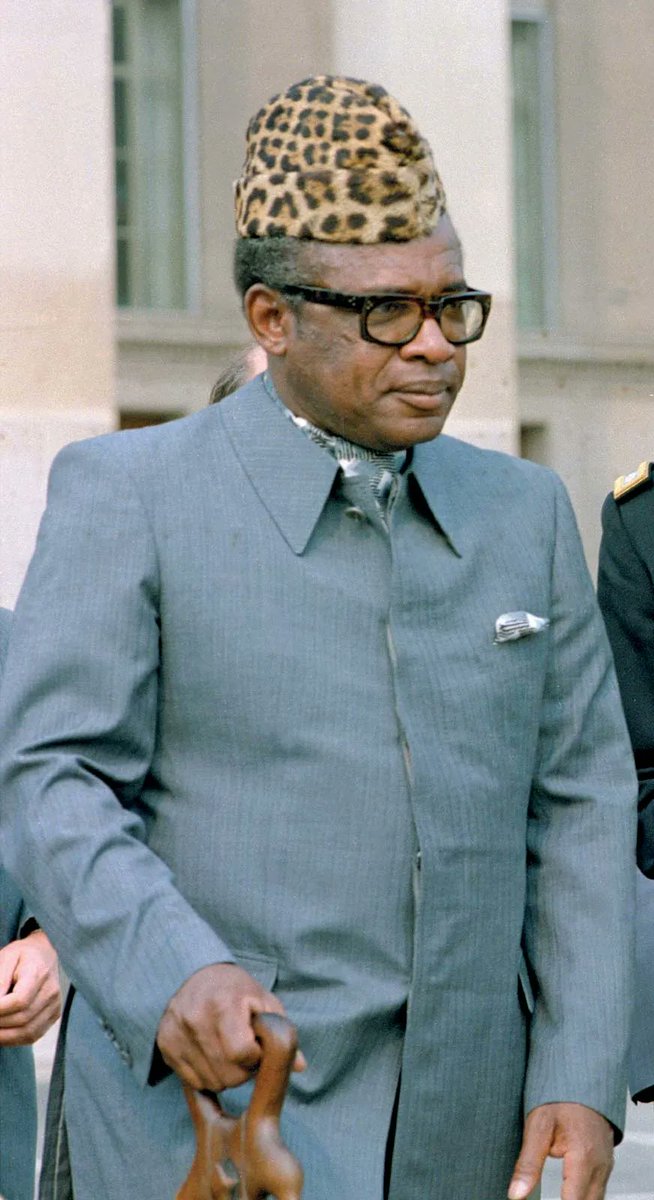
Between 1991 and 1994, the former Zairian President Mobutu Sese Seko suddenly realised that the West—once his primary source of international support—was increasingly marginalising him on the international political stage. The end of the Cold War had rendered him less strategically valuable to his former allies.
Populism and ethnic identity politics
In populist's intention, Mobutu’s political strategy allowed the national political debate to increasingly revolve around identity politics. Eastern Zaire already had longstanding disputes concerning the political status, citizenship and land rights of Tutsi communities, particularly the Banyamulenge in South Kivu and Banyarwanda in North Kivu. The growing prominence of ethnocentric politics at the national level further weakened social cohesion and contributed to the erosion of state authority.
As state institutions weakened, political competition increasingly took an ethnic and territorial dimension. Rising hostility, discrimination, forced expulsions and attacks against these communities contributed to the deterioration of the security and political situation in eastern Zaire during 1995–1996. The resulting crisis deepened existing grievances, intensified community mobilisation, and created a total absence of the state authority.
Zaire and political exploitation of the 1994 Rwandan refugees
The humanitarian crisis involving Rwandan refugees in eastern Zaire became, in Mobutu’s calculations, a potential political lever for regaining relevance within the international diplomatic community.
Mobutu considered either supporting a renewed war against the RPF government in Rwanda or cooperating with the French military troops to use armed Rwandan refugees as a force against Rwanda.
He subsequently began collaborating with General Augustin Bizimungu, the former Chief of Staff of the defeated Rwandan regime’s armed forces. Bizimungu was associated with thousands of former Rwandan government soldiers and militia members who had regrouped in Zaire.
Mobutu considered several possible strategies to regain international legitimacy.
The first was to provide military and logistical support to Bizimungu and his forces to launch an attack against the new RPF-led government in Kigali. For Mobutu, such a strategy could potentially restore his strategic importance to France and attract renewed attention from other members of the international community. For Bizimungu and his forces, Zaire could provide a strategic rear base and infrastructure from which to organise a renewed military campaign, while also serving as a fallback position should an attempt to retake power fail.
The second option was the forced expulsion of Congolese Tutsi. Such a policy could create a new humanitarian crisis, potentially generating domestic political mobilisation while diverting pressure from the United States regarding democratisation and political reform.
The third option considered by the former Rwandan military leadership involved inciting mass violence against Congolese Tutsi, including the seizure of their land and property.
The interaction of these strategies contributed to a deepening ethnic and political crisis in eastern Zaire from 1995 onward. Former members of the Rwandan Armed Forces (ex-FAR) and Interahamwe militias maintained armed networks in the region, while elements of the Zairian state and military became involved in the evolving crisis. Thousands of Congolese Tutsi were subsequently displaced, expelled or forced to seek refuge in Rwanda.
These developments, together with the continued presence and militarisation of former Rwandan forces in eastern Zaire, contributed to the regional tensions that triggered the First Congo War (1996–1997). The war culminated in the overthrow of Mobutu Sese Seko and the collapse of the Zairian regime.
Conclusion
Ever since, the crisis has been sustained by the consequences of the war, failed peace processes, and mediation efforts that have often focused on managing the symptoms of the conflict rather than addressing its root causes. It has also been aggravated by strategic and political errors committed by successive politico-military movements seeking to change the situation, as well as by the vacuum created by the absence or weakness of effective state authority in Kinshasa.
At the same time, the continued use of rhetoric rooted in ethnic hatred, exclusion and hostility towards Rwanda or Tutsi communities has contributed to maintaining mistrust and insecurity. Together, these factors have perpetuated cycles of violence, political mobilisation around identity, displacement and regional tensions, making sustainable peace increasingly difficult to achieve.
#Minembwe 27/09/2026
#GIPIMO,#RUGEZI na #MIHANGA habyukiye ibitero byingabo za leta ya #Kinshasa@FARDC_Info zifatikanyije niza leta ya #Gitega@fdnbbi ndetse na Maimai na FDLR, Urugamba rukomeye rwaremeye Gipimo, Mihanga no Kurinyagishasha. Kugicamunsi imbunda zaje guceceka ariko amasoko yacu atumenyesha ko Adui akiri muribyo birindiro byose.
Tubibutse ko Adui yateye aturutse mwirembo rya #Kabanju aho yarafite ibirindiro kumusozi wo #Kuwamabuye. Andi marembo kugeza aya masaha nta Ntambara irahavugwa, irembo rya #Gahwera Adui waruherutse gutera bamujabukije #Ganja kuri none atsindagiye #Mwibumba. #Mukoko na #Point_zéro Adui wese ari muri #Moyen_plateaux.
Ahandi havuzwe Intambara ni mugace ka #Magunda aho Maimai na FDLR bateye positions za #Twirwaneho_M23 ariko amakuru dufite nuko bahaboneye akaga ingabo za #Général_SEMATAMA na #Général_Makenga zarabashoreye kuri none zibagejeje kure babinjiza ikibira.