Your startup's growth rate is also its learning rate.
Setting an ambitious growth goal and trying to hit it is the fastest way to find out what's broken and how to fix it.
Not just the obvious stuff. Wrong customer, wrong problem, product nobody wants. It also stresses the founding team. You find out fast whether you can handle hard problems under pressure.
Bottlenecks only show up when you push.
If you're not having uncomfortable discoveries early, you're not pushing hard enough.
Chronic debaters are lethal to new ideas for the same reason pessimists are. They sound smart because they’re good at finding flaws before anything has had a chance to work.
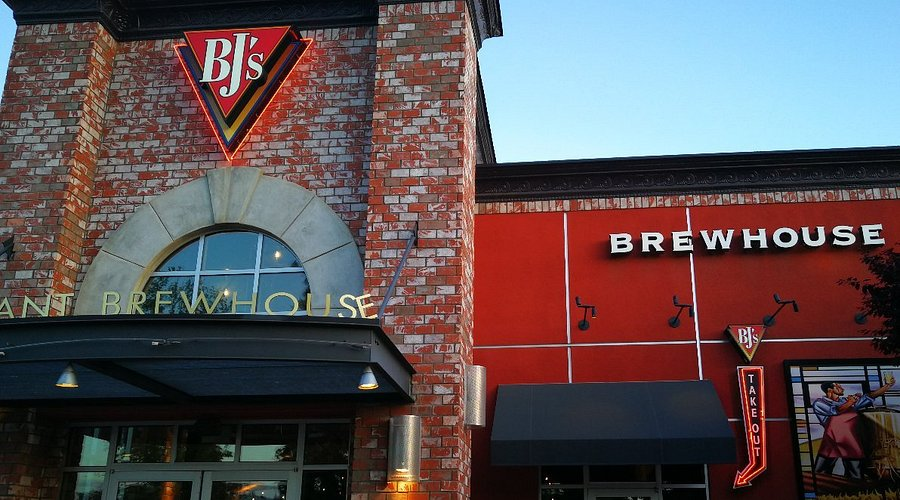
I went to BJ's Restaurant last night with my kids. The bathroom was disgusting. The front of house was kind but sloppy and slow. The food upset my stomach and I woke up at 4am this morning because of it.
Whoever BJ is, they probably aren't a real person, because everyone acted like nobody's name is on the door. I studied the management history of BJ's.
The original founders left after the seventh location. Then it was sold to their accountants. Then it went public. Then the CEO resigned last year after 19 years and was replaced by an interim board member from Darden Restaurants, who was then replaced by a "Chief Concept Officer" promoted to CEO. The CFO also quit.
Roaches behind the takeout counter in Coral Springs. Rodent droppings and mold in the ice machine in Pembroke Pines. An "F" retention score on Comparably. Glassdoor reviews that say "management turnover is high... that should say quite a bit about the company culture."
Seven layers of management between the person cooking your food and anyone who owns the outcome. General manager reports to area director reports to regional director reports to regional VP reports to SVP of Operations reports to the COO (who started in January) reports to the CEO (who started last year). 218 locations. Founders long gone.
Managers rotate every 18 months. The kitchen is run by compliance checklists, not pride. A dirty bathroom is nobody's personal failure because it's nobody's personal restaurant.
This is the stewardship crisis in America in one building.
In Chinese restaurants, the 老板 (laoban) is there. He tastes the food. He watches the kitchen. His family's reputation is the business. The restaurant is clean not because of health inspectors but because his name is on it.
Haidilao built a $30B hot pot chain with less than 10% employee turnover. Servers can give you free dishes without asking a manager. Why? Because they're treated like stewards, not interchangeable parts.
The West replaced stewardship with professional management. MBAs who optimize spreadsheets for people they've never met. CEOs who've never touched the product they sell. Politicians who sign the bills and spend the people's money but never checked the money built anything that helped the people they claimed to care about.
Founder mode isn't new. It's the oldest idea in Chinese business culture. We just forgot it.
The best founders I fund at YC are natural stewards. They own the outcome. They're in the kitchen tasting the food. They care about the bathroom.
Most of society's problems are a stewardship crisis. Not a lack of resources or technology or intelligence. A lack of people who give a shit because their name is on it.
@ashpreetbedi@AgnoAgi We are actually solving for multitenancy of agents at @alter_ai_labs. Developers can focus on building harness and use alter as an additional layer to deal with auth in general
We’re moving from:
✔️ Authorizing within a bounded set of known actions
to
❗ Constraining actions composed at runtime
Authorization becomes less about static permissions and more about constraining behavior in real time.
That’s a different class of problem.
There’s a lot of hype around AI agents right now, and for good reason.
But here’s the question that matters:
👉 Are agentic systems actually that different from traditional software?
I wrote about this:
https://t.co/L6fw1yOYtt
The shift is less about authentication.
It’s about authorization.
In traditional systems:
Actions are explicitly defined and triggered by humans.
In agentic systems:
Actions are inferred from intent and executed autonomously.
In the age of AI where services can be created on a whim, achieving distribution on a core non refutable, value prop and then adding layered services is the real moat
This has always been true in B2C but B2B has been slow to adapt
Consumer tactics in B2B will win