📢Important update!📢 As part of the @CWGC’s Non-Commemoration Programme, we have today published a second landmark report on commemorative activity, this time looking at the Second World War: https://t.co/nFsLw0ckhv
📷IWM (SE 1884)
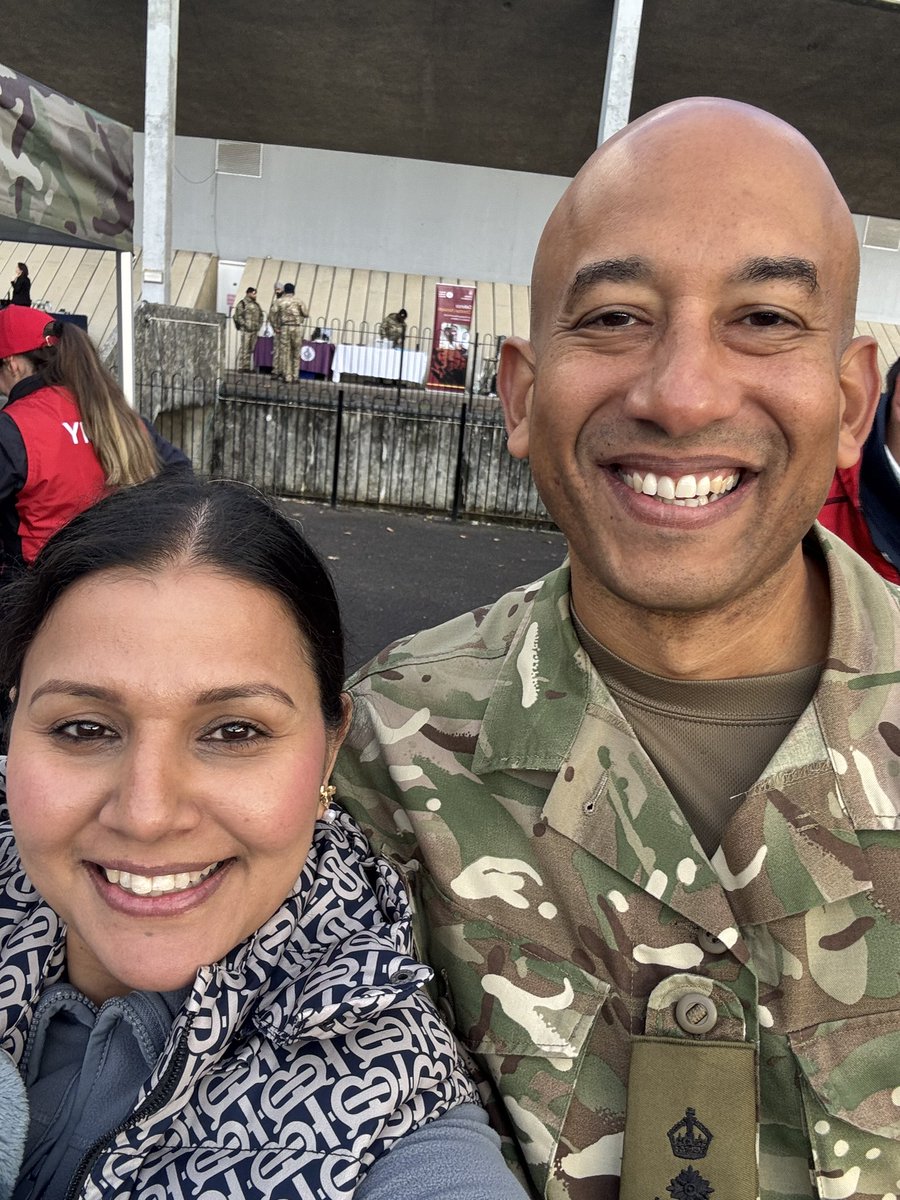
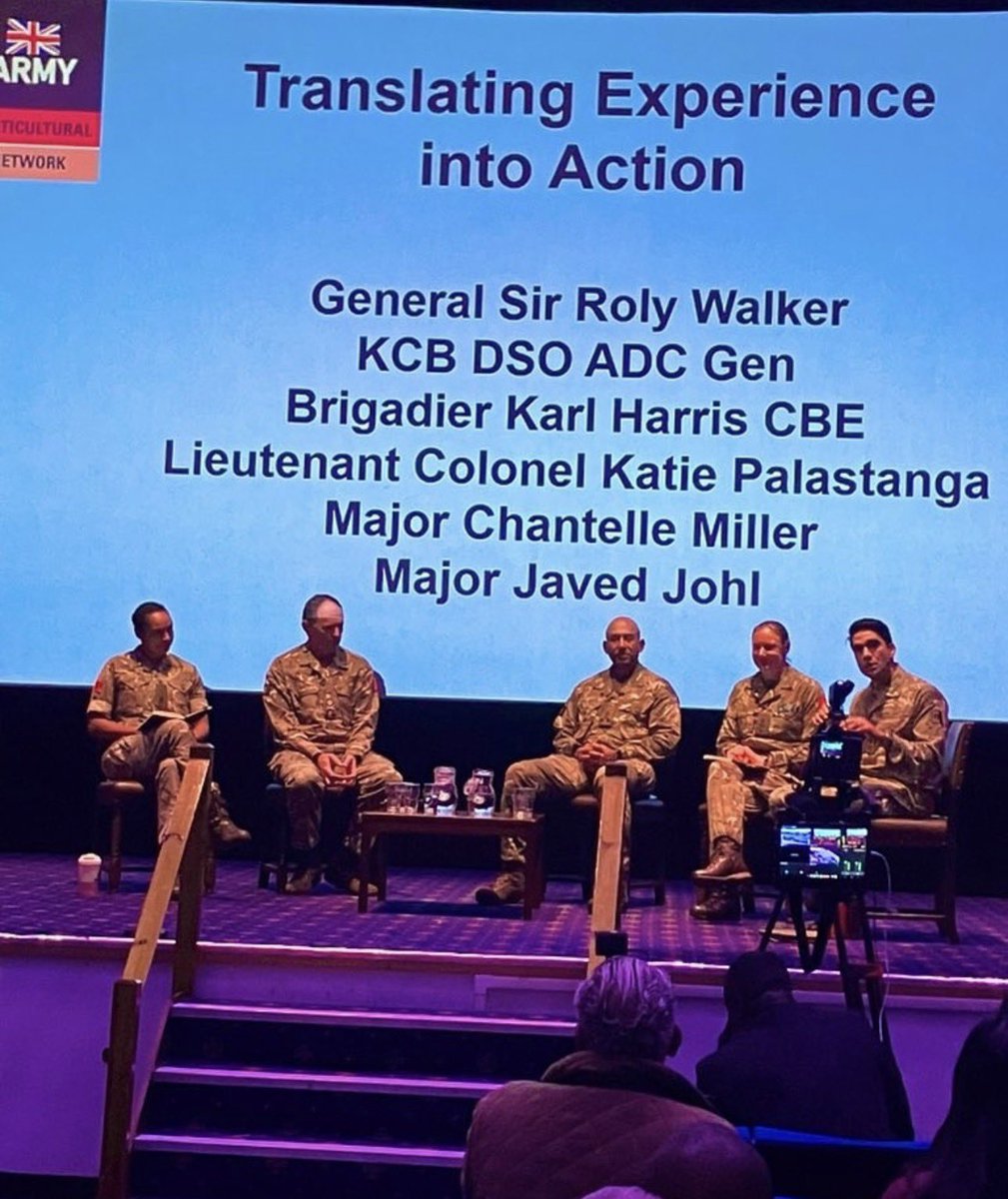
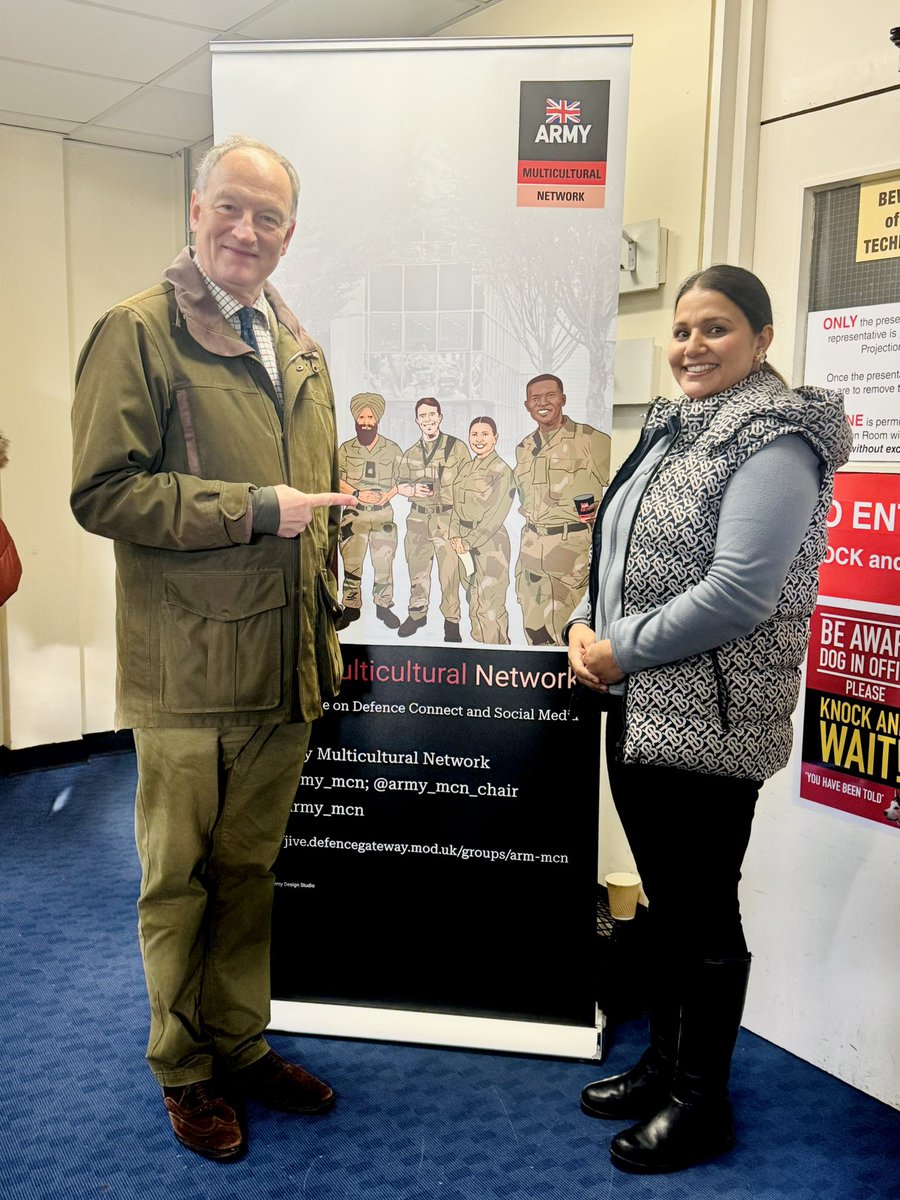
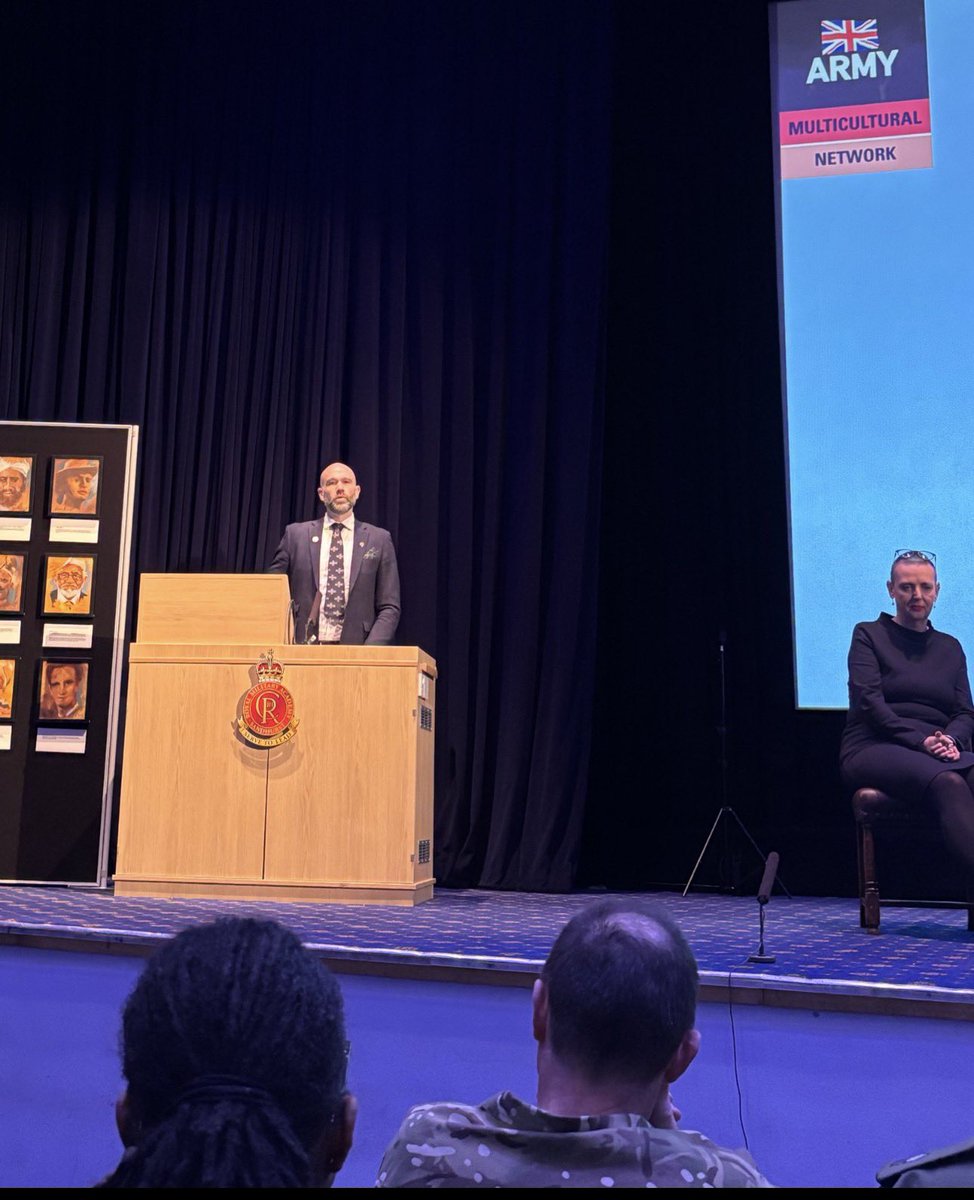
What an amazing day yesterday at the AMCN Conference!
Centred on the theme “The Pathway to Change,” the event strengthened connections between AMCN members and Defence organisations.
It was wonderful to catch up with familiar faces and meet new ones. The room was filled with incredible people, and the energy throughout the day was truly inspiring. @Karl_R_Harris@AlastairBruce_@Army_MCN@ArmyInstrSchool #Listen #learn #Act #inspired @BritishArmy@record_this
We have today published a landmark report revealing historical inequalities in how Second World War casualties from the former British Empire were commemorated.
The report, titled 'Remembering the dead of the British Empire', is part of our ongoing commitment to investigate and address historical injustices in its commemorative work.
Drawing on extensive archival research, the report found that while no groups were systematically excluded, the then Imperial War Graves Commission (IWGC) delivered unequal outcomes for some of the war dead. The findings highlight a number of issues that led to disparities in commemorative practices, which you can read in detail by visiting our website using the link below.
📷IWM (E 6064) Men of the King's African Rifles (KAR) collecting surrendered arms at Wolchefit Pass
I’ve had a read of the report and the historical inequalities identified, very much looking forward to the engagement strategies the @CWGC will be undertaking with partners and communities to seek meaningful ways to address this.
Proud of my small team for their hard work pulling this complex research together on top of everything else they have been doing for the wider Non-Commemorations Programme!
📢Important update!📢 As part of the @CWGC’s Non-Commemoration Programme, we have today published a second landmark report on commemorative activity, this time looking at the Second World War: https://t.co/nFsLw0ckhv
📷IWM (SE 1884)
Despite knowledge & experience gained from the First World War, aspects of the IWGC’s work remained complicated by the nature of fighting in some theatres & the colonial spaces in which commemoration took place. As such, the bulk of these issues affect African and Indian dead.
Significantly, we find no evidence of systematic exclusion from named commemoration (the primary failure following the previous war). Nonetheless, we have identified five areas in which the dead or their families were treated unequally during or after the conflict.
This marks the beginning of a really exciting and important project that will help us identify Indian soldiers not currently commemorated by the @CWGC. Please join us if you can make it!
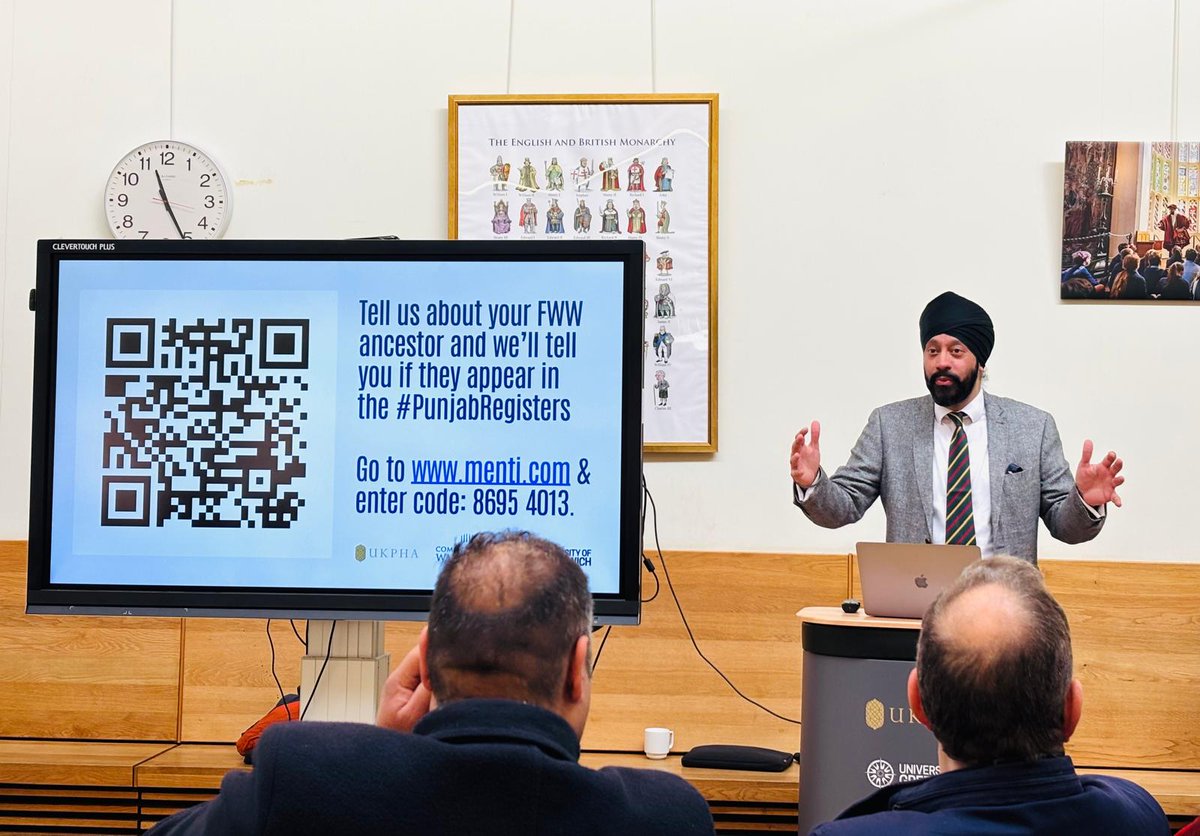
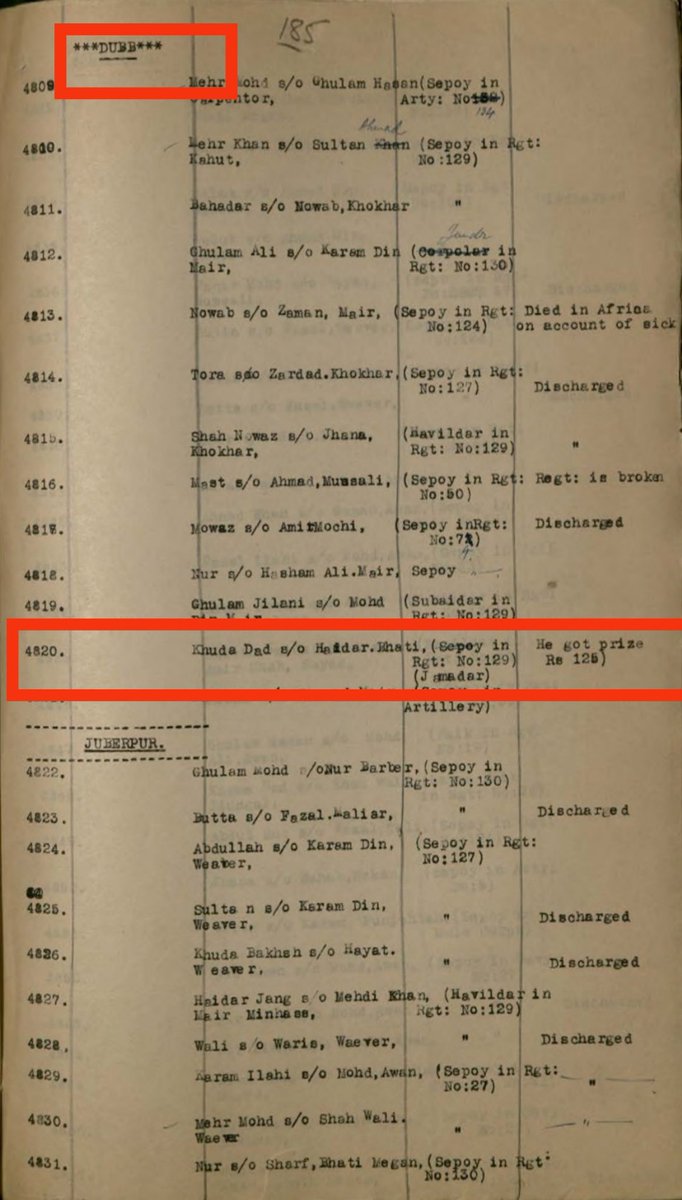
I'll be with @TejpalRalmill & @record_this at @HampCourtPal on Saturday talking about the #PunjabRegisters and what they tell us about Punjab's role in the First World. Join us & learn how you can help the @CWGC identify forgotten Punjabi casualties. https://t.co/4UsvB0fSVu
Research by @UniofGreenwich PhD students, @G_AWilliams & @JasminAthwal & in collaboration with @UKPHA, suggests there are thousands of Punjabi casualties missing from the @CWGC casualty database. Join us on Saturday to help find them.
I'll be with @TejpalRalmill & @record_this at @HampCourtPal on Saturday talking about the #PunjabRegisters and what they tell us about Punjab's role in the First World. Join us & learn how you can help the @CWGC identify forgotten Punjabi casualties. https://t.co/4UsvB0fSVu
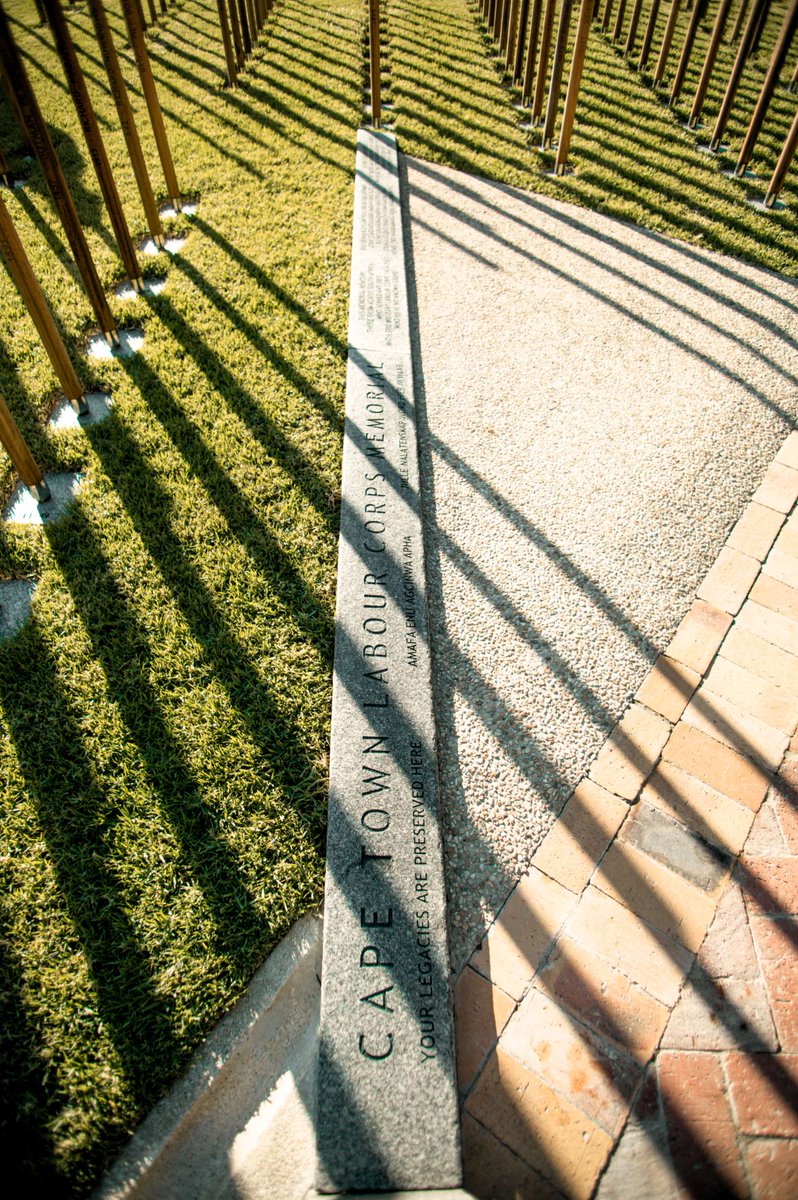
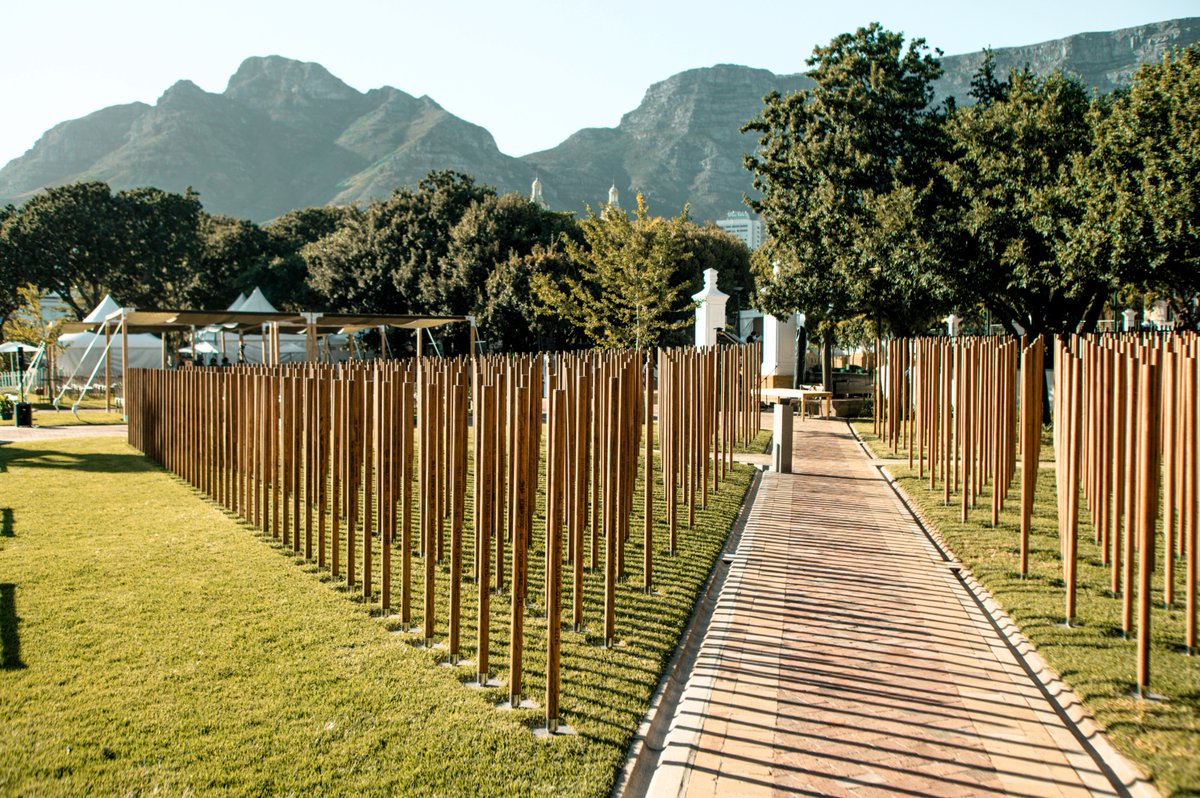
The inauguration of our memorial in Cape Town’s Company’s Garden is underway!
HRH The Princess Royal, is participating alongside the descendants of the casualties, as well as national dignitaries.
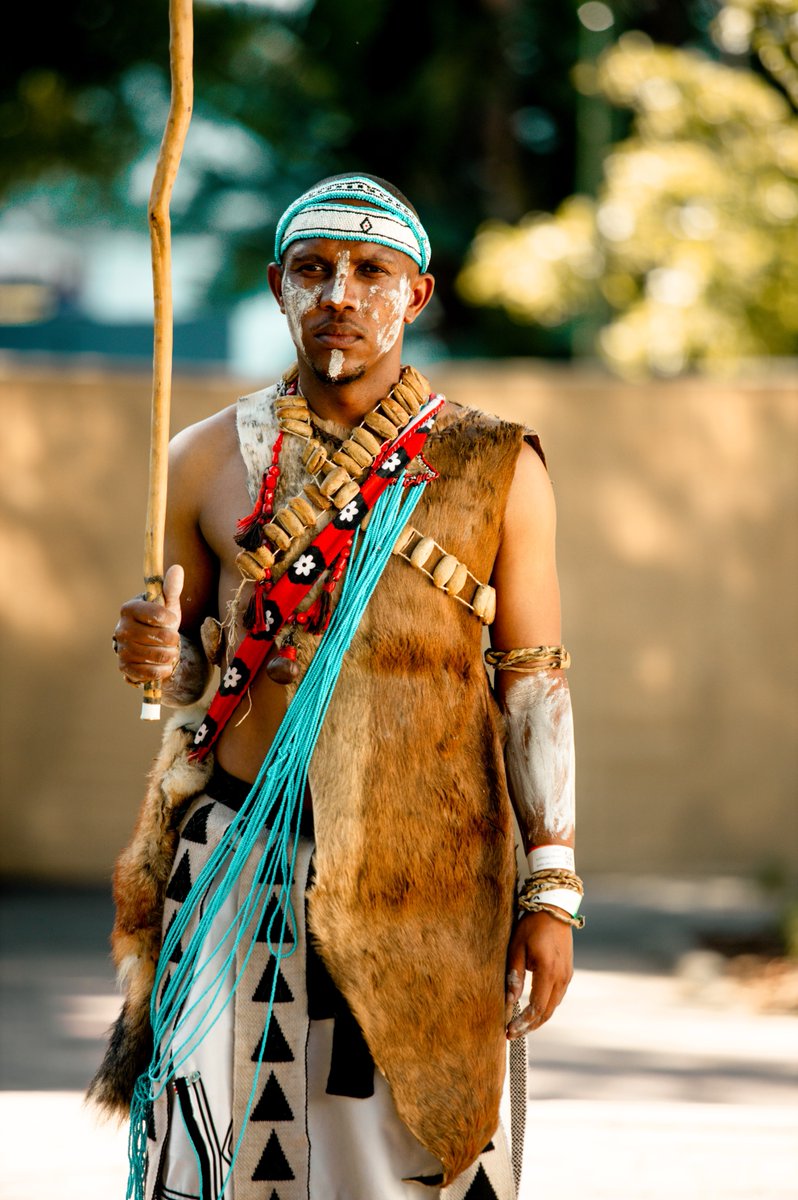
The ceremony will involve praise singing, an important part of tradition.
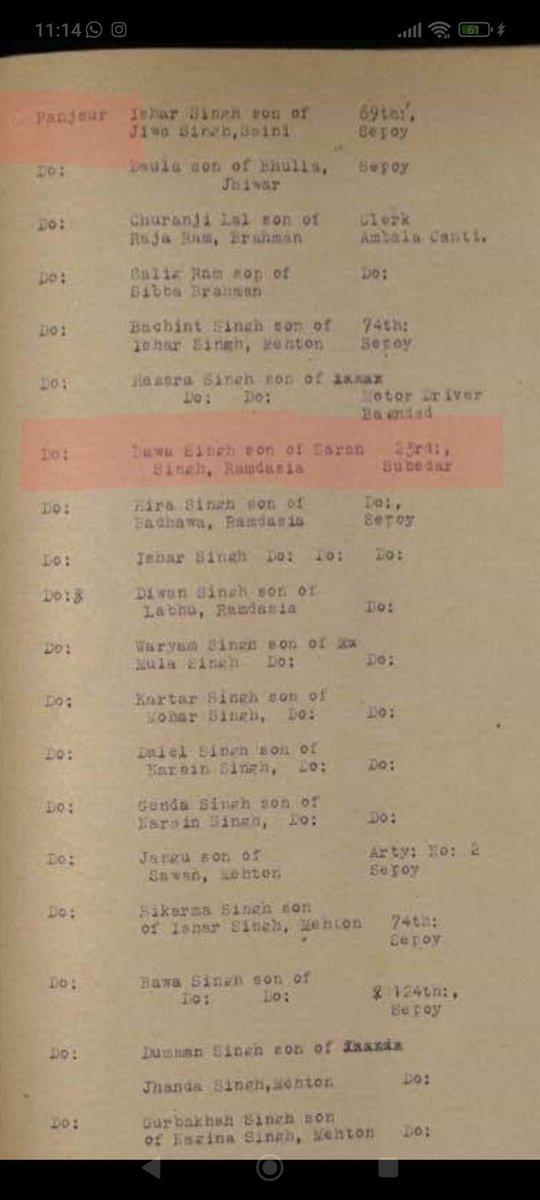
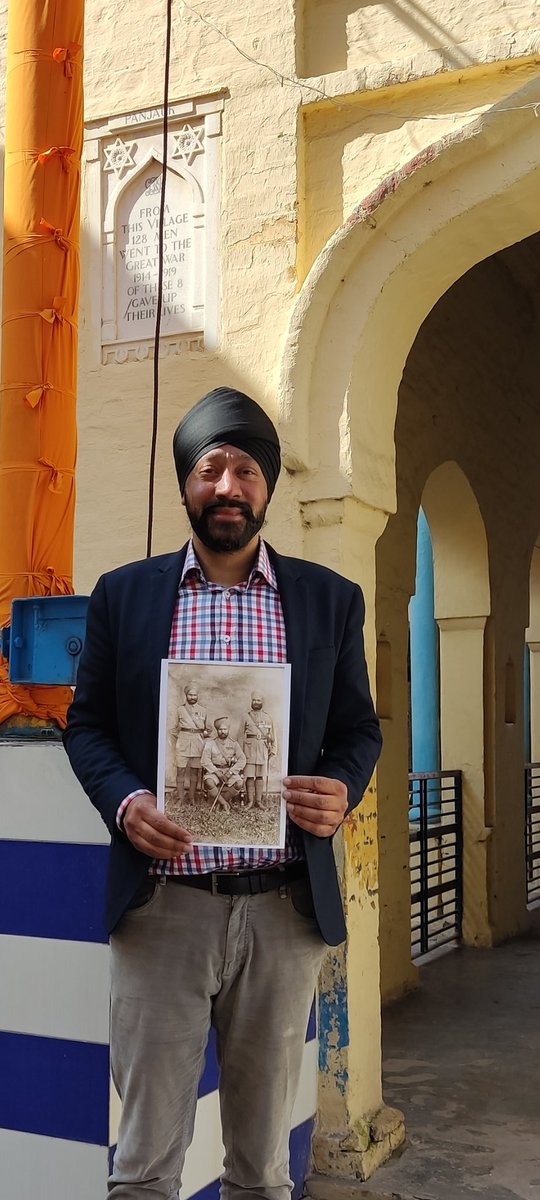
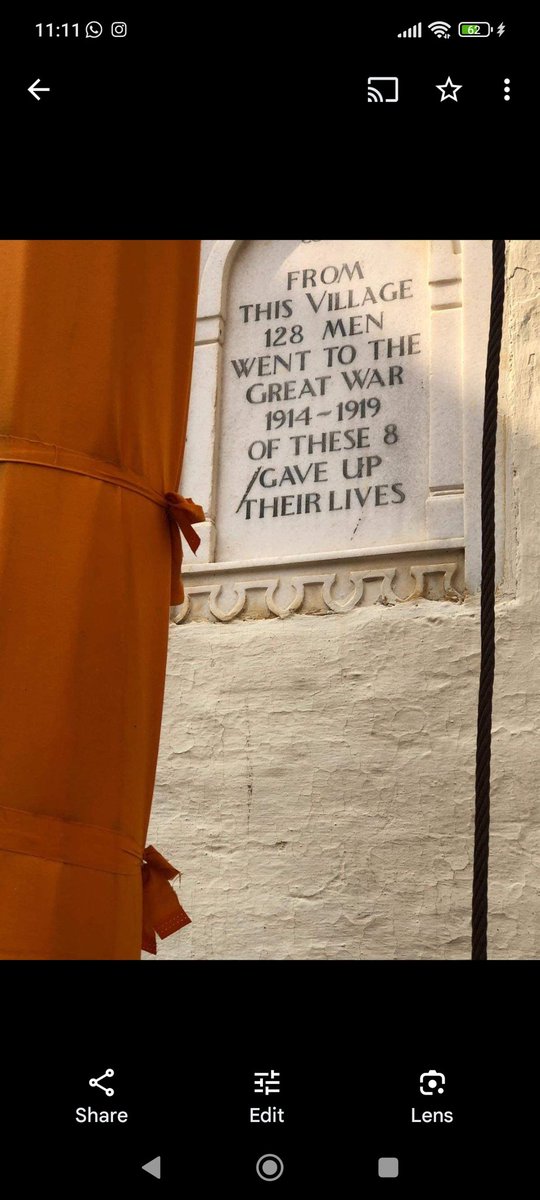
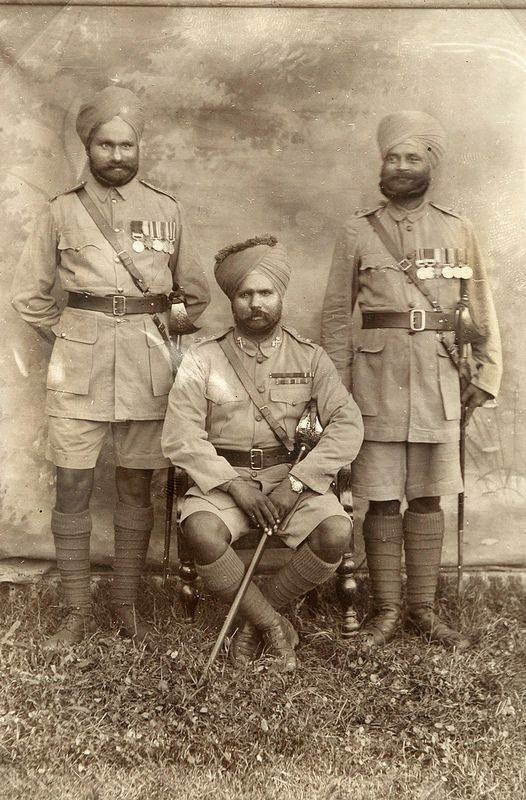
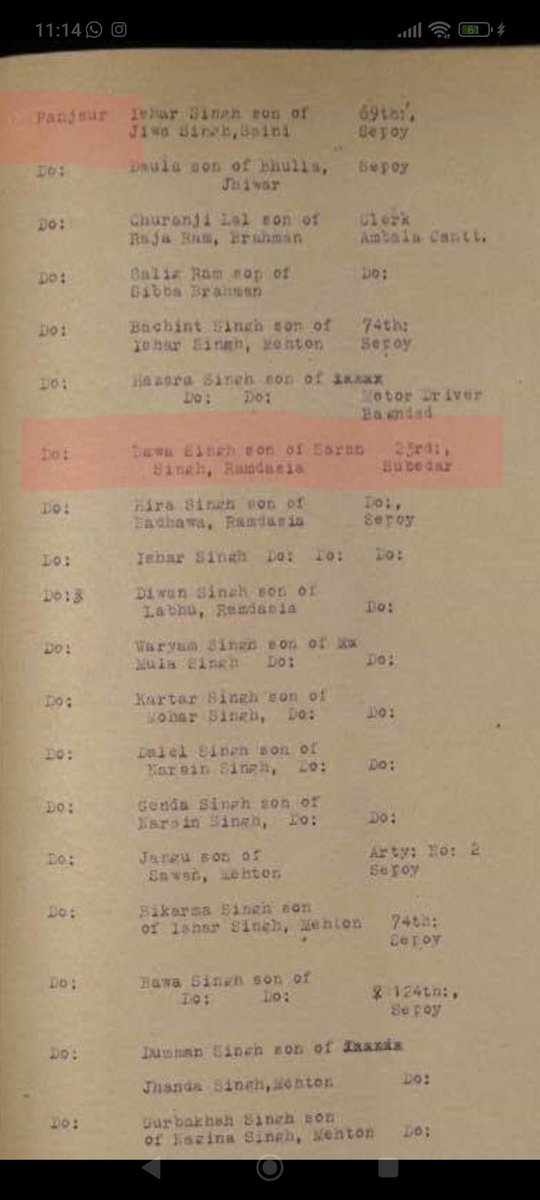
Subadar-Major Bawa Singh, 23rd #Sikh Pioneers, was 1 of 128 men from Panjaur, Hoshiarpur, #Punjab who constituted 1.5 million Indian men who fought in #WW1.
Names of Punjabi soldiers can be found in the WW1 Punjab recruitment registers @UKPHA.
#WeWillRememberThem#1914Sikhs
#SikhSubedar
#KhandaPoppy
Extremely slow off the mark here, but pleased to be finally sharing this research - our findings from a lengthy piece of work to try and identify a lost First World War carrier burial ground in Dar es Salaam, Tanzania.
Combining archival research from Tanzania and the UK, our Non-Commemoration Programme has identified the probable location of a cemetery for potentially thousands of African carriers who died in British service during the First World War.
Read more on our website: https://t.co/m5WEgyDst7
"This is the moment when the Allies return to mainland Europe."
Historian George Hay explains the importance of marking D-Day as a crucial point in World War 2 for educating people.