Penalty takers give away information — but only at the last moment. Early movements are meant to deceive you. The real cue comes just before contact. Stay balanced and patient.
On corners, if you don’t adjust your position as the ball is delivered, you lose the angle to claim or punch. Stay active—small steps let you react to flight and runs, cutting out danger before it develops. https://t.co/feSzEDbxLJ
After a mistake, don’t dwell—reset your focus for the next phase. Staying present means you react quicker to new threats and keep your positioning sharp. Each moment is a fresh chance to get it right. https://t.co/eR9VCEQM3O
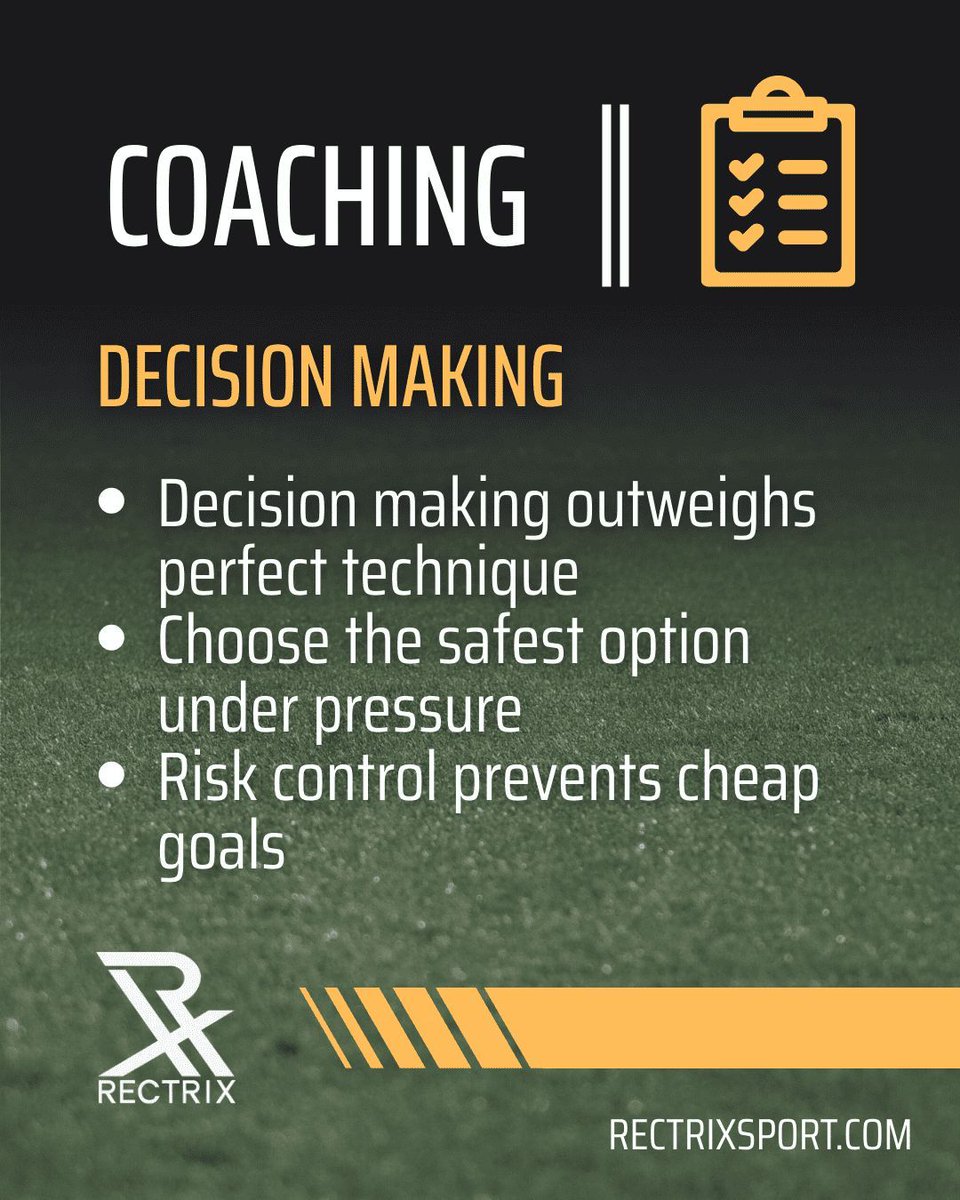
Technique matters, but judgement decides outcomes. In pressured moments, the lowest-risk option protects you more than the most impressive one. Over time, reducing risk protects clean sheets.
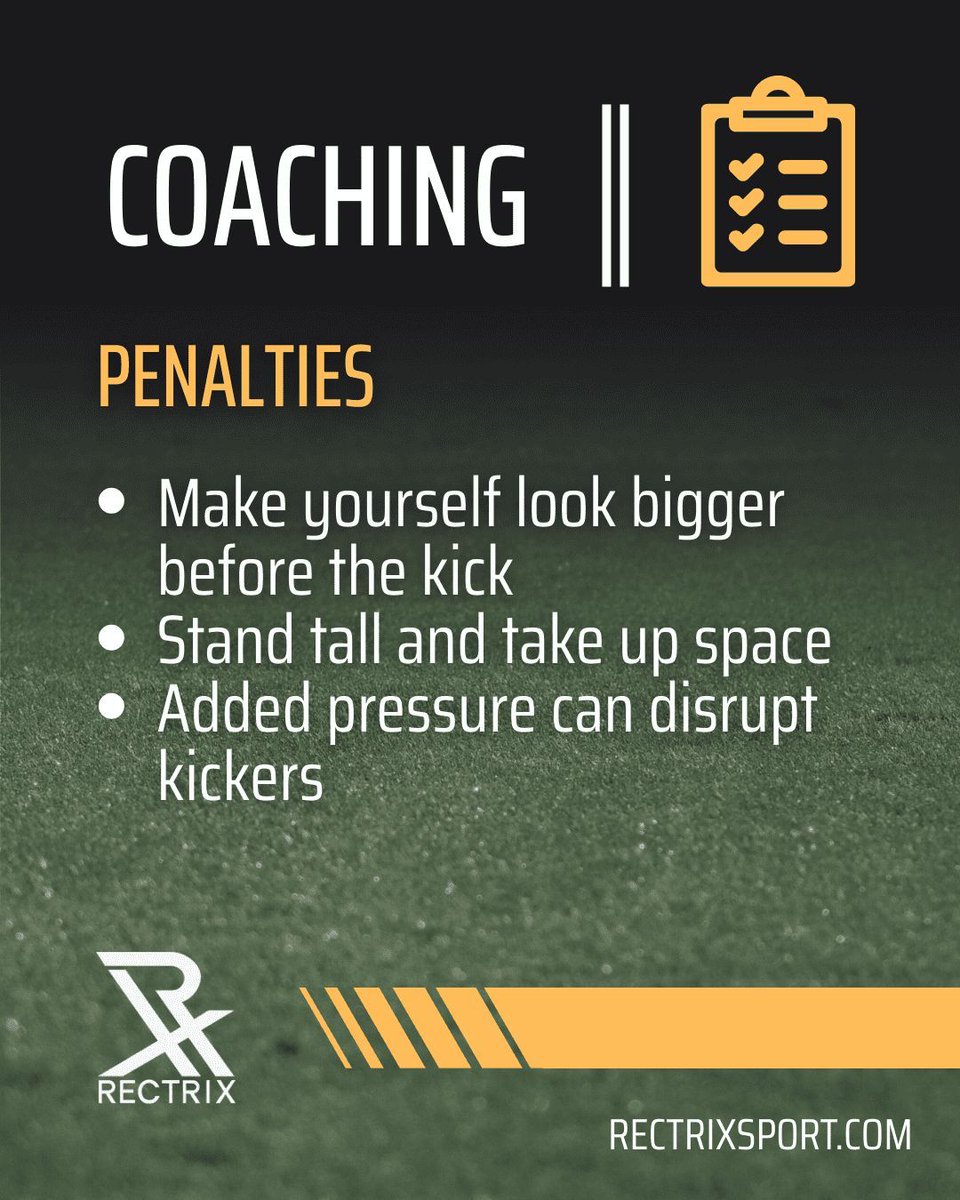
Looking bigger doesn’t guarantee you'll make a save, but it changes the strike. Shooters are more likely to rush or put the ball wide when the keeper looks dominant and set.
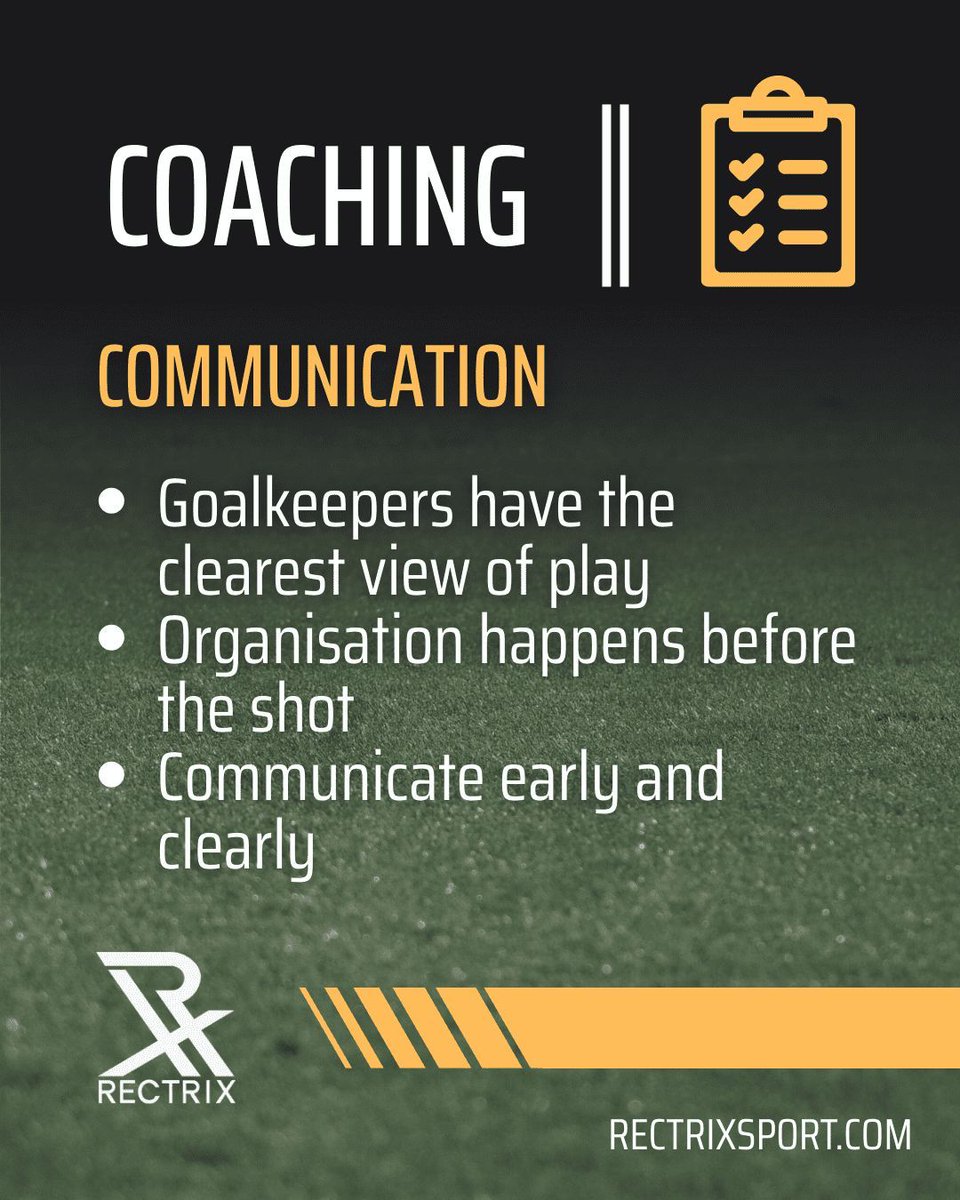
From behind the defence, you can see runs, space, and overloads as they develop. Clear, early instructions allow defenders to adjust before the ball enters the box. Communication prevents late reactions.
A short, repeatable action — adjusting your gloves, taking one breath, resetting your position — gives your mind something stable to return to. Using the same routine each time helps you move on quickly and prepare for the restart.
If you lose focus after a long quiet spell, you’re slow to react when the next shot comes. Stay mentally active by scanning for threats and talking to your back line—so you’re switched on when it matters. https://t.co/jN7De5sXmP
Mental fatigue reduces reaction speed and weakens judgement in key moments. Recovery protects not just your body, but the clarity and timing of your decisions in goal.
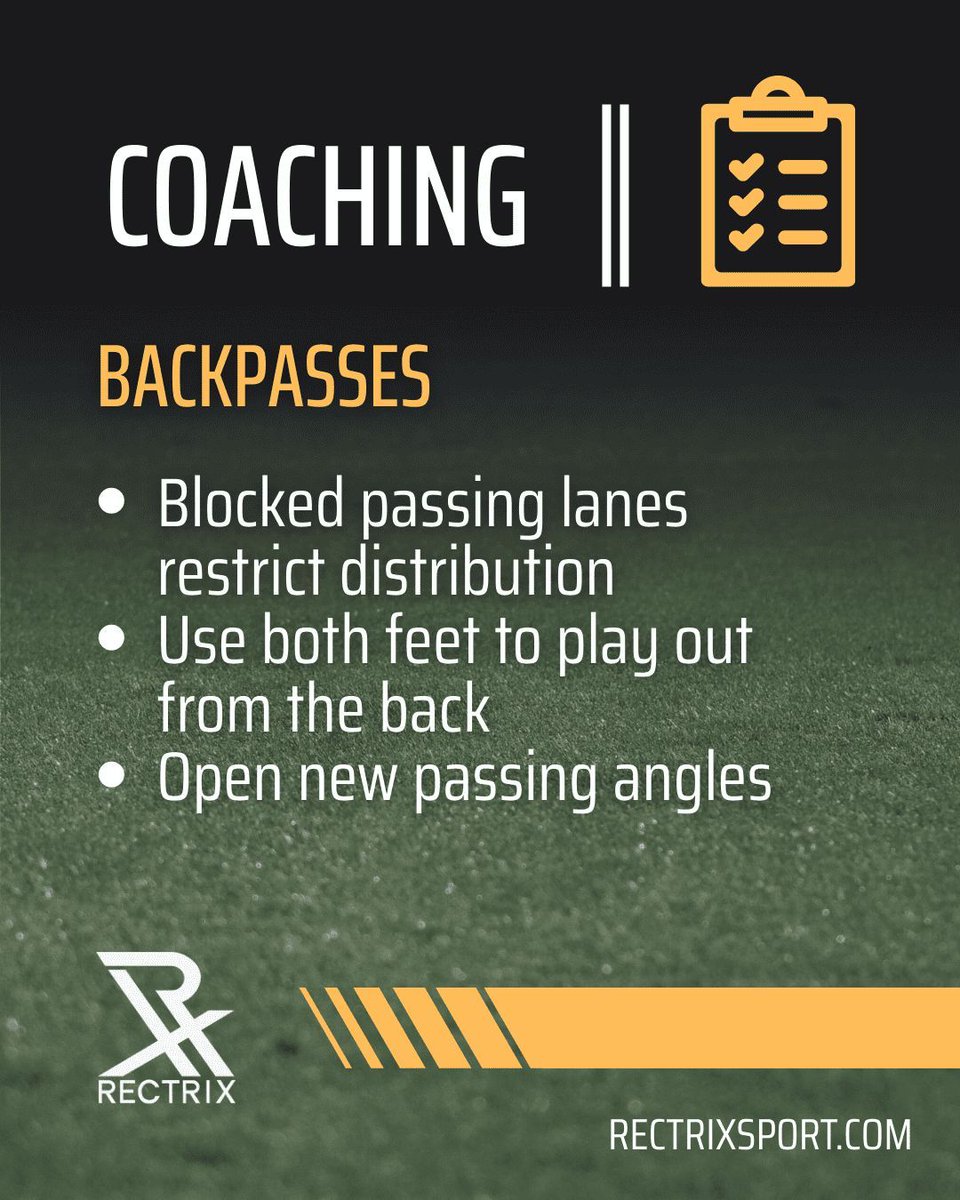
A reliable weaker foot creates additional short and long passing options when pressed. This allows your team to maintain possession and control the tempo.
Sleep drives more recovery than stretching, supplements, or therapy. Poor sleep slows physical repair and reduces sharpness in key moments. Consistent sleep supports consistent performance.
Quiet games make it easy to lose concentration. Regularly scanning, adjusting your position, and tracking runners keeps the mind active. This improves reaction speed and decision-making when pressure arrives.