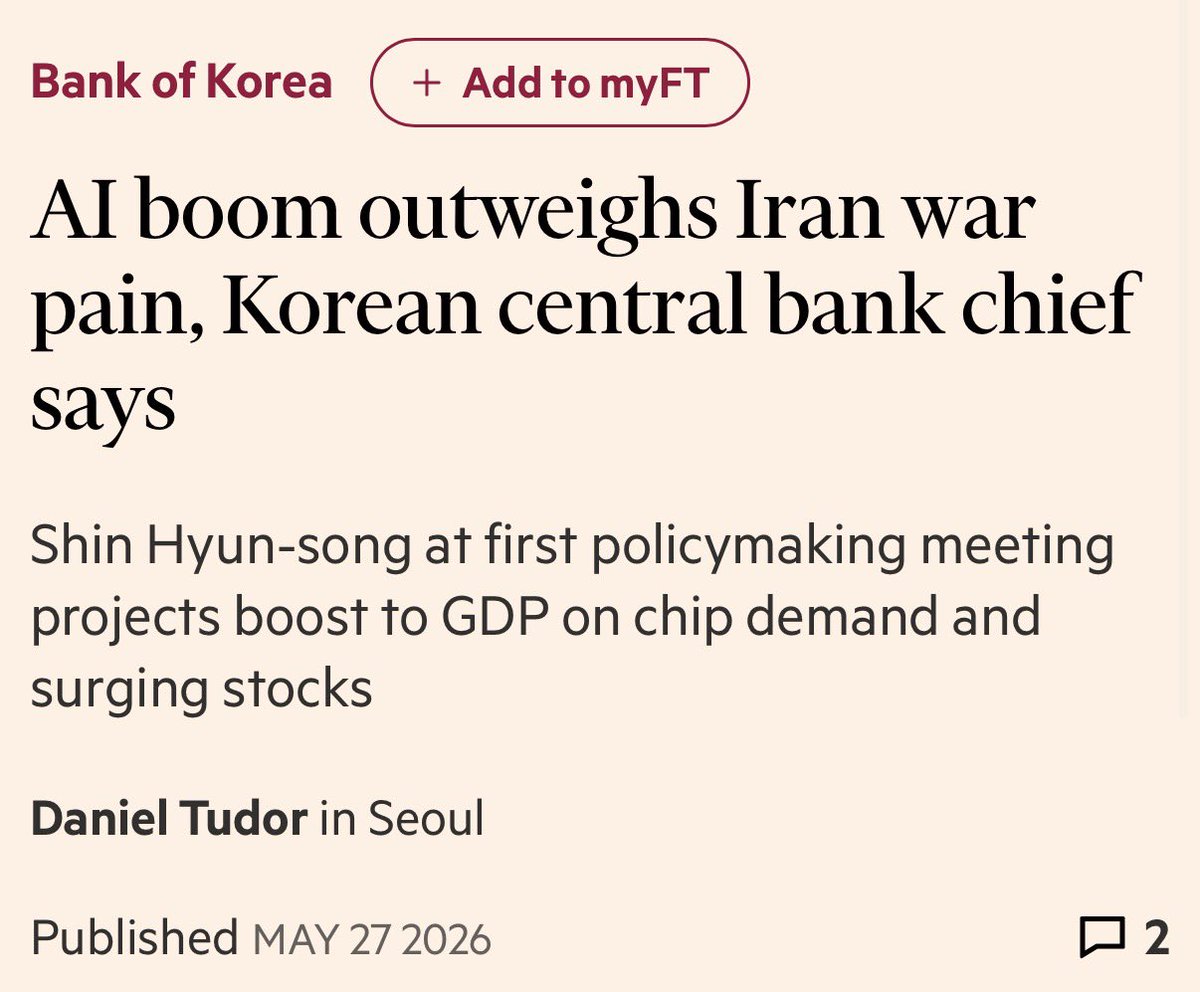
HS Shin gave a good overview of his thinking that the AI surplus will help mitigate the Hormuz shock for Korea, as Korea imports the vast majority of crude and gas as needed.
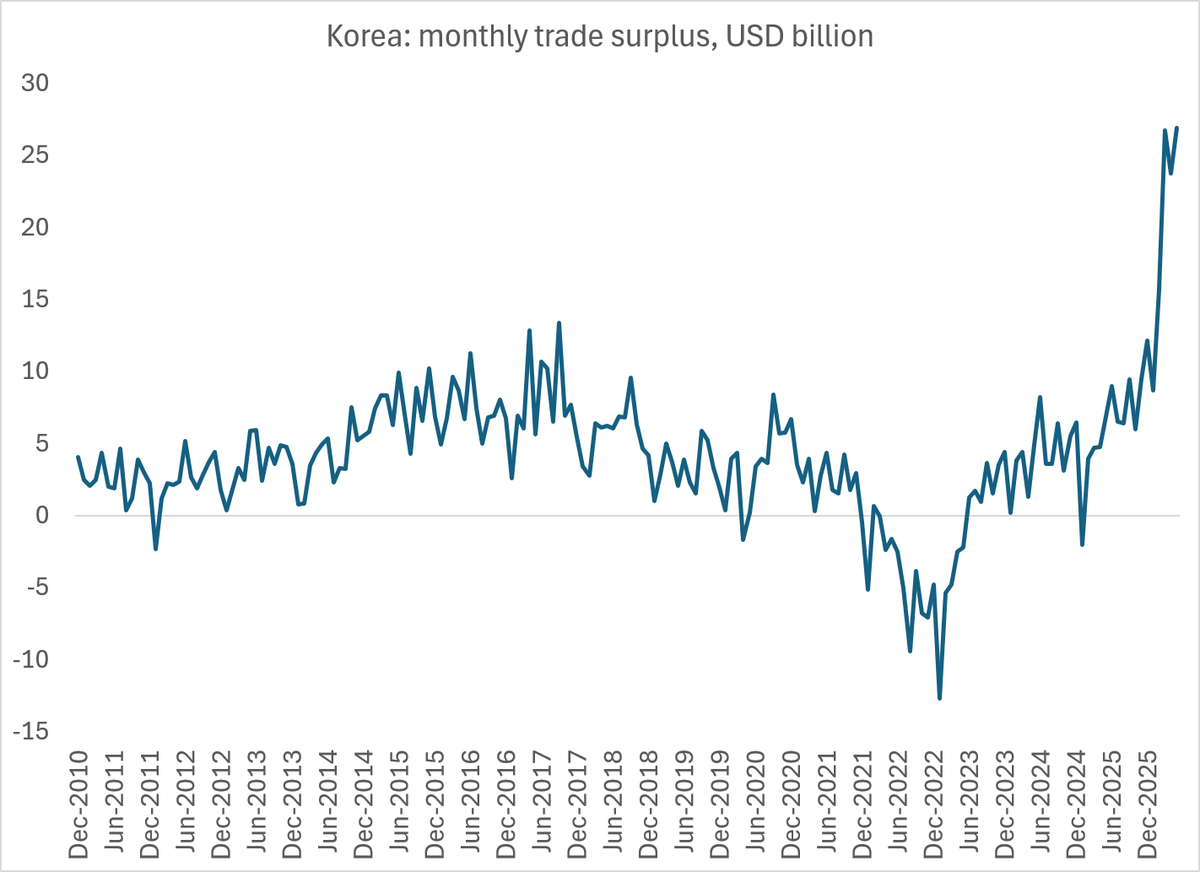
As noted by @eastasiaecon, Korea posted another massive trade surplus in may -- the DRAM dollar trumped the petrol dollar. $25b a month = $300b a year, v $50b from goods trade in 2024 ...
1/2
@MattZeitlin Gotta love a good recip
I’m curious the view on the generators, the prime movers / drivers are quick to market but who is winding all these smaller generators
@Scholars_Stage There’s a certain productivity element that will change but an AI can’t stamp drawings, and civil engineers are Professional Engineers (PE) for most work scopes where stamps are required.
@TheStalwart@tracyalloway@samanth_s Undersea cables are a very interesting history. See operation Ivy Bells for a Cold War era tap of communication cables. The US recorded all transmission on multiple Soviet undersea cables, fascinating operation.
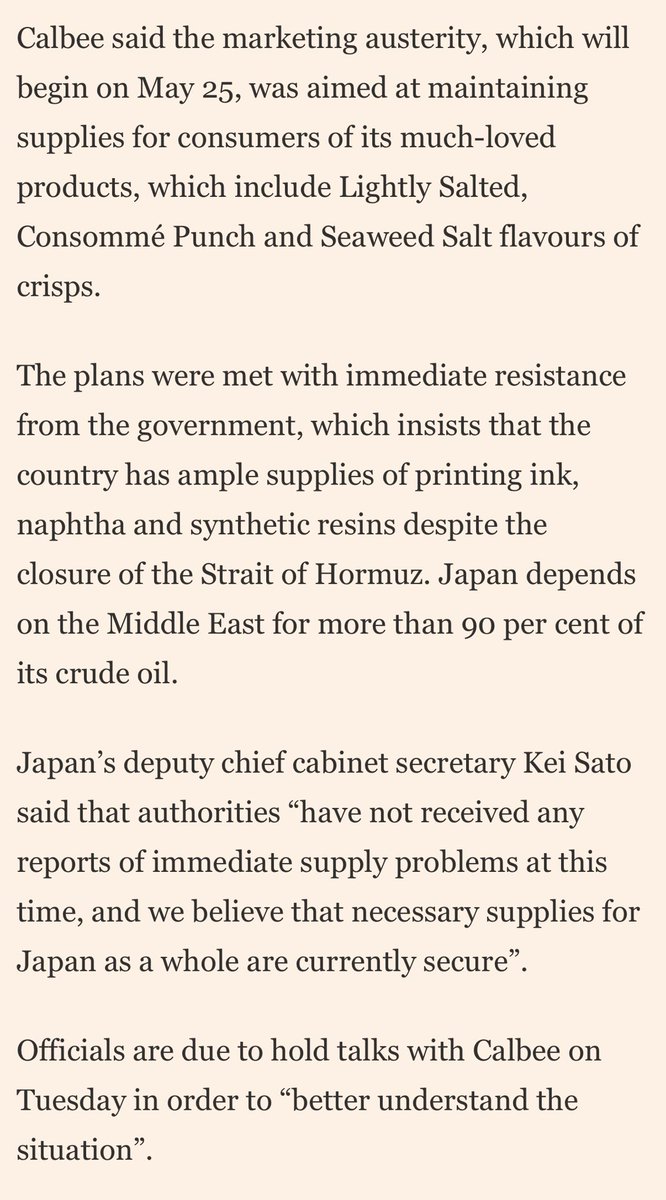
Naphtha, used in everything from dyes to diapers.
Petrochemical shortages can come quickly since the chains are so optimized.
https://t.co/FwRQRDKk9l Japanese snack maker goes black and white on Iran war supply crunch
The spreads in these markets is going to be hard to predict, we will see a preference for production increases but how much WTI can actually leave the coast is capped. NGLs are also at a premium with Asian markets, which is another export limit.
All mean lower domestic nat gas.
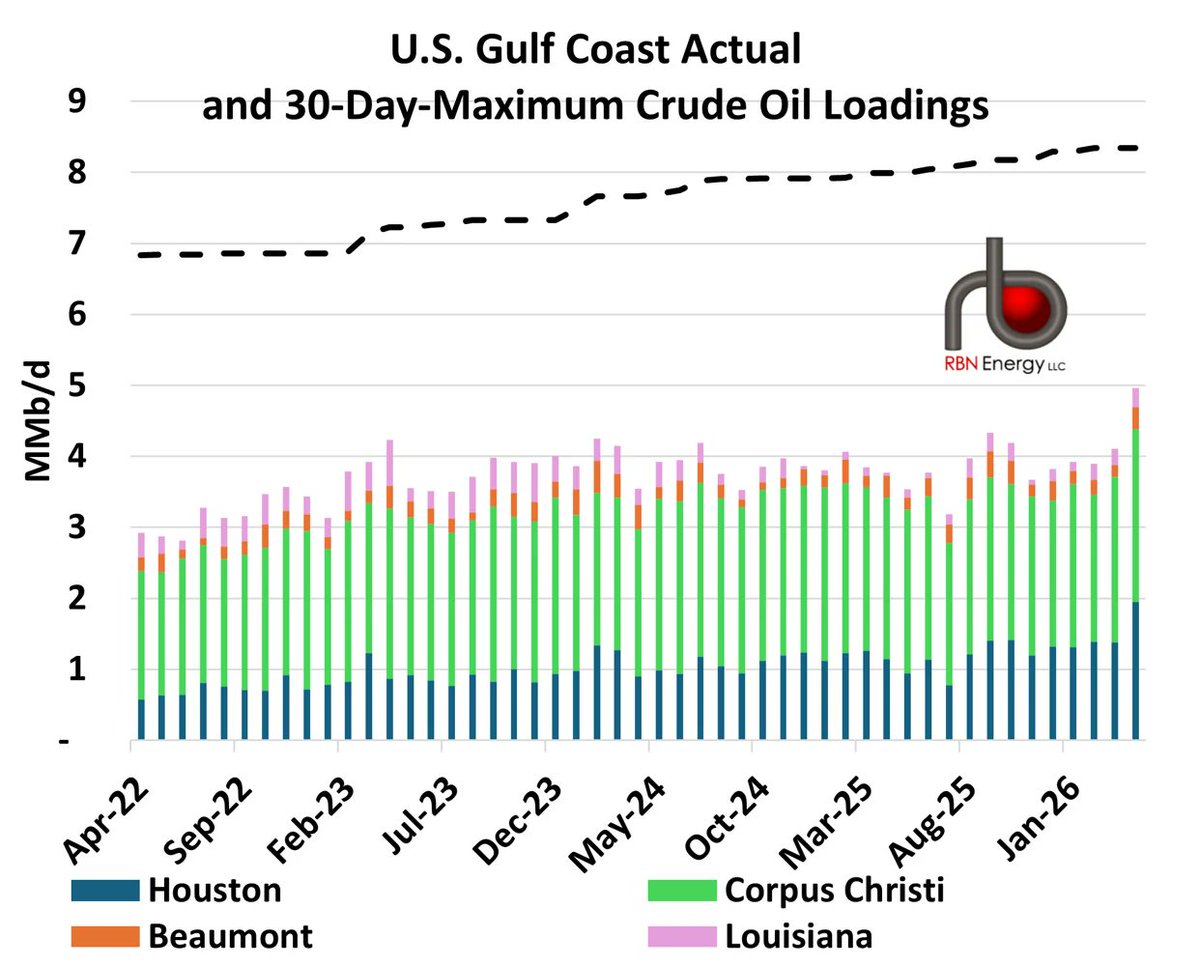
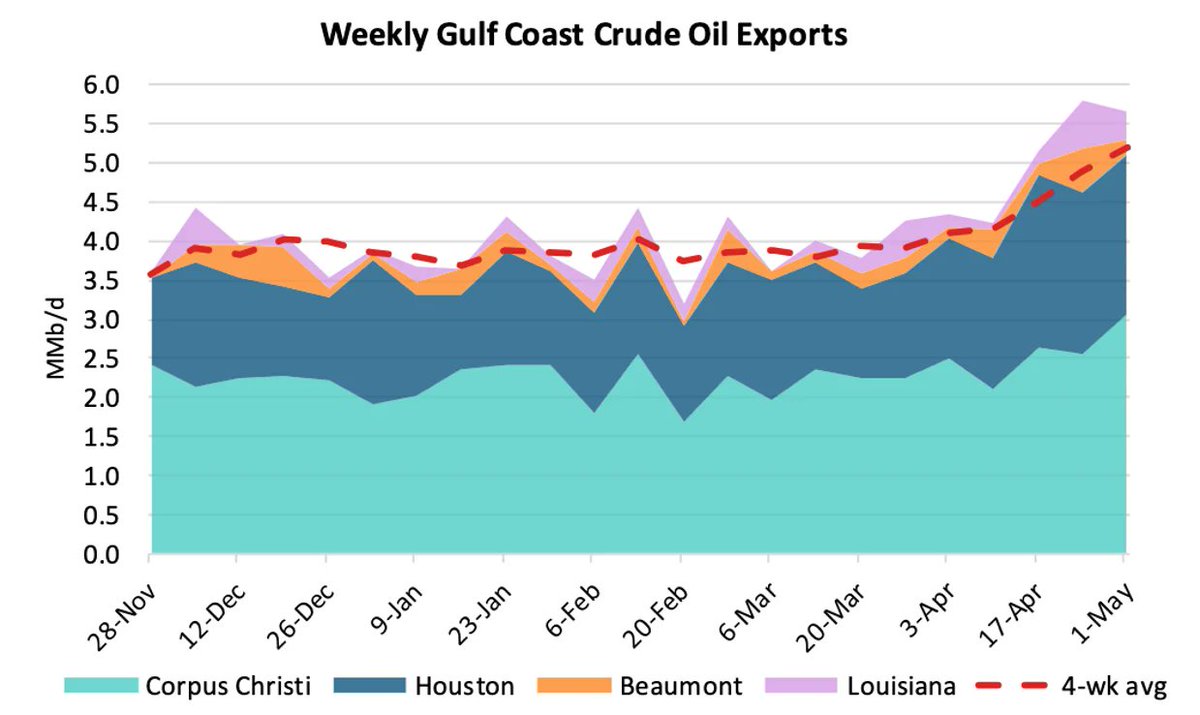
The chart all WTI producers need to be looking at. Estimated maximum USGC export crude export capacity at ~8MMb/d from all terminals.
We have seen record export volumes, this will keep going until we hit a maximum. A hard number to pin down.
The monthslong closure of the Strait of Hormuz and the related surge in crude oil exports from the U.S. Gulf Coast has prompted two big questions: (1) how much oil can the region’s marine terminals reliably send out on a sustained basis and (2) does the USGC need more export capacity.
https://t.co/PSRjP1qfCn
@MattZeitlin They’re just setting up GPU backed debt, give them a minute and they’ll get you some equity then derivatives on some sweet compute benchmarks
You wander if there is ever a price reporting for compute set up
This is funny to me because it is a common midstream problem. Selling capacity to competitors means acknowledging that the model of the day needs the most compute. That might change next week and so having a shared pool of inference compute is advantageous.
People forget before the Big Inch pipeline and Jones Act that we shipped a lot of oil from the Gulf Coast to the East Coast. The west and east coast PADDs will continue to be islanded from domestic crude and products over time unless something changes.
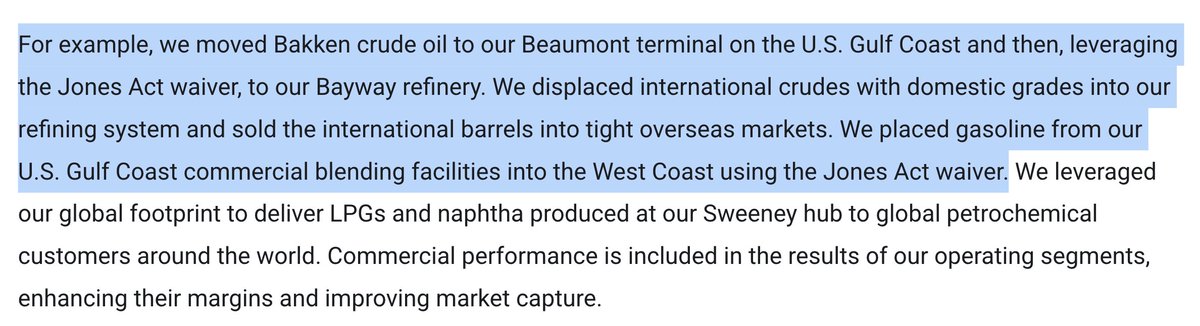
In a recent earnings call, @Phillips66Co stated that the Jones Act waiver has enabled them to replace imported crude oil with domestic supplies and send fuel from the Gulf Coast to the West Coast: https://t.co/mcdMyAISno
@TheStalwart Your comment about healthcare being the marginal dollar attribution on the podcast is also true with schooling in some sense, people apply what they can for their kids.
@bauhiniacapital I am working more detailed numbers after this latest inventory report but we come to an export bottleneck at some time that is lower than what production could ramp up to accommodate.
US Gulf Coast only has about 4-5mmbopd capacity for crude export volumes. We already average close to full capacity, I am curious how much above nameplate we can go.
Quick and dirty from Claude, sometimes the bottleneck is actually pipe and not the terminal.
I fully subscribe to this view, albeit it is talking my book. The physical economy needs to keep building, you need a enough demand to keep employment needs high. After an industrial base is built out it helps to either go abroad with FDI or just find new industries to create.
this is highly speculated on my parnet but i wonder how much of the flow of talent/capital/etc into finance (and then tech) that we often attribute to neoliberalism, reagan-era-and-beyond tax and regulatory changes etc etc is due to restricting growth in the "physical economy"