7+ minutes of Arsenal history: the industrial roots, the move to Highbury, the legends, the trophies, and the culture that still defines the club today. A proper must-watch for every Gooner.
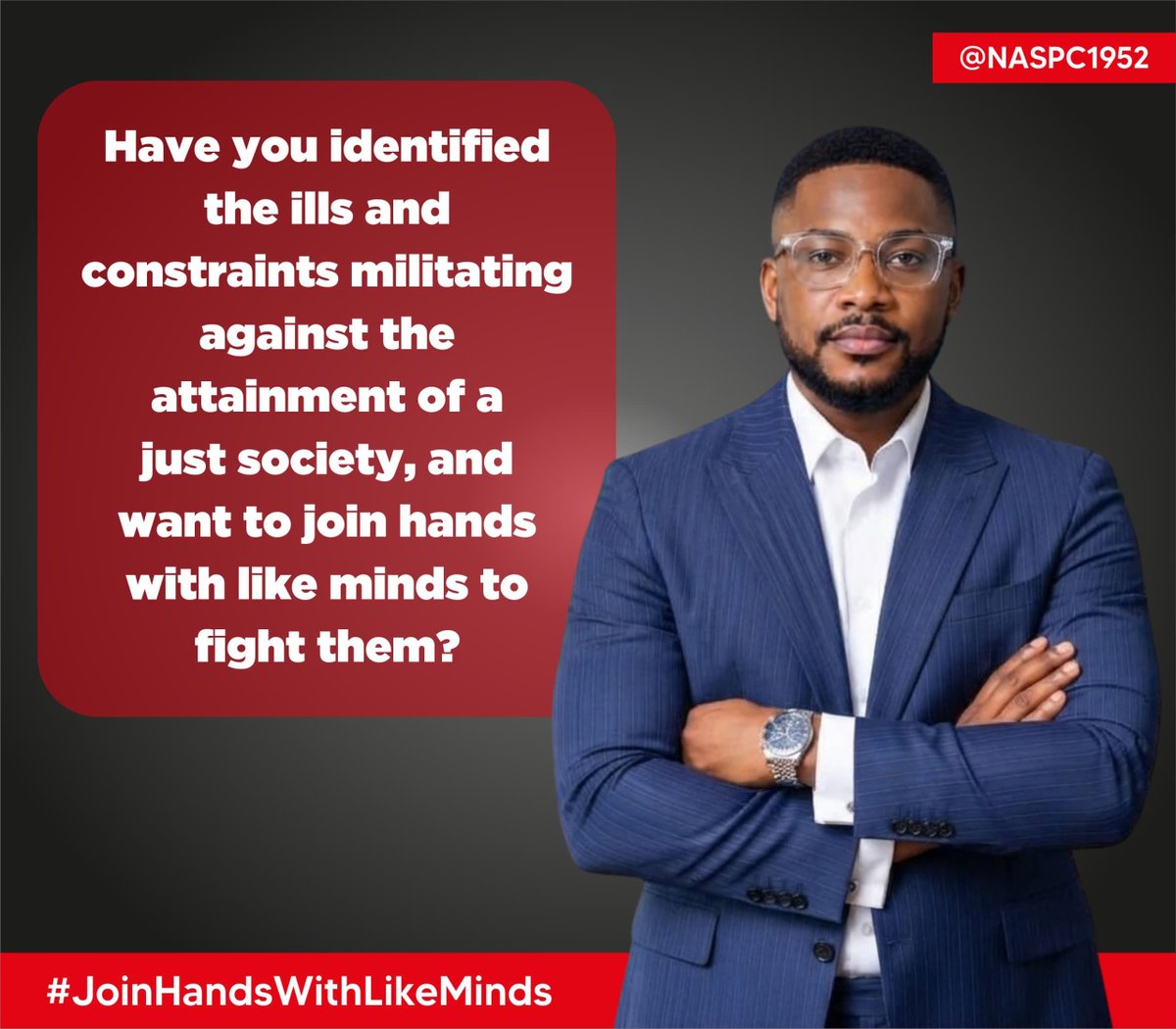
There comes a point when seeing what is wrong is no longer enough. When you begin to ask yourself what you can do, who you can do it with, and what kind of society you want to help build.
If you recognise the ills around us, believe in the power of collective action, and are ready to join hands with people who share that conviction, perhaps it is time to take the next step.
https://t.co/38vMTY84i8
#JoinHandsWithLikeMinds
#NASPC1952
🚨 STATE POLICE: A GO IN 24 STATES!
With 24 states reportedly accepting the establishment of State Police, Nigeria is moving closer to a major shift in its policing structure. The focus must now be on effective implementation, accountability, adequate funding and safeguards.
THE COASTAL ROAD DIVERSION: HOW AMAECHI SAW TOMORROW AND WAS CRITICIZED FOR IT
By Sopriala Membere (@SoprialaMembere)
Columnist, Scholar and Member CRA Advocacy Network
———————————————
I have been thinking about Rotimi Amaechi these past few days, and about how quickly this country forgets.
When the Lagos-Calabar coastal highway was unveiled with all the fanfare of a divine decree, Amaechi did something then unfashionable and unpopular: he spoke from knowledge and he offered an alternative. He never said the South-South did not deserve connectivity that was cooking with the coastal road. He said, rather, that in a season of resource scarcity, a government with limited means should rehabilitate and expand the existing East-West Road, upgrade the Benin–Asaba axis, and build a new Ikot-Ekpene–Calabar bridge to close the final gap. Same purpose, far cheaper, faster to deliver. And then, because he understood what the coastline was actually for, he argued that the real prize was the coastal railway he had designed as Minister of Transportation—the line that would run the length of the South-South and transform the region's economy.
In October 2025, during a CRA Advocacy Network Zoom session, the coastal road question came up, and I watched Rotimi Amaechi address it head-on in real time. The questions from participants were not soft. They pressed him on his record as governor of Rivers State; how he had confronted insecurity and brought Rivers State to order within months of taking office..
He answered plainly, without embellishment. And when the coastal road came up, he doubled down. He did not trim, did not hedge, did not search for a safer sentence. Someone on the call asked him directly: did he not think this was an unpopular thing to say? He doubled down again. This struck me—not the stubbornness of it, but the conviction of it all. Here was a man who had done similar studies for the coastal rail, walked the terrain in his mind, and was willing to be unpopular in the present because the future would bear him out. The future, it turns out, arrived this week.
President Tinubu has now directed that the coastal highway be diverted—that there be "no new alignments," that the road be passed through the existing East-West Road instead. Difficult terrain. Flooding. Cost. The same logic Amaechi was abused by Tinubu’s camp for articulating. The same East-West corridor he proposed to rehabilitate and expand, now confirmed as the sensible spine all along. Meanwhile, the railway he championed for the South-South remains unbuilt and totally abandoned even after all approvals and studies have been concluded.
Vindication is a lonely prize. It does not restore a reputation in the eyes of those who insulted him, nor cover for resources lost to a route now discarded. But it confirms something larger than Amaechi: that expertise is not bitterness, that institutional memory is not sabotage, and that a nation which punishes its own knowledge pays for the folly in naira and in trust.
And it is why the conviction I witnessed on that call matters beyond one man.
It is the quality the Atiku–Amaechi ticket on the ADC platform speaks to—that governance is not theatre, and that infrastructure is not a monument to appetite but an answer to need, and that a country with empty coffers must build only what its realities and its public finances can honestly carry. Projects that do not speak to the realities of Nigeria should not be embarked upon, whatever their ribbon-cutting appeal. That is what effective, efficient governance looks like: saying the unpopular true thing, and being willing to be vindicated by history. The road has been diverted at last. The truth, sadly, takes longer.
The recent announcement by the minister of works on the complete realignment of the coastal road from Ondo shows there was lack of adequate planning from the beginning.
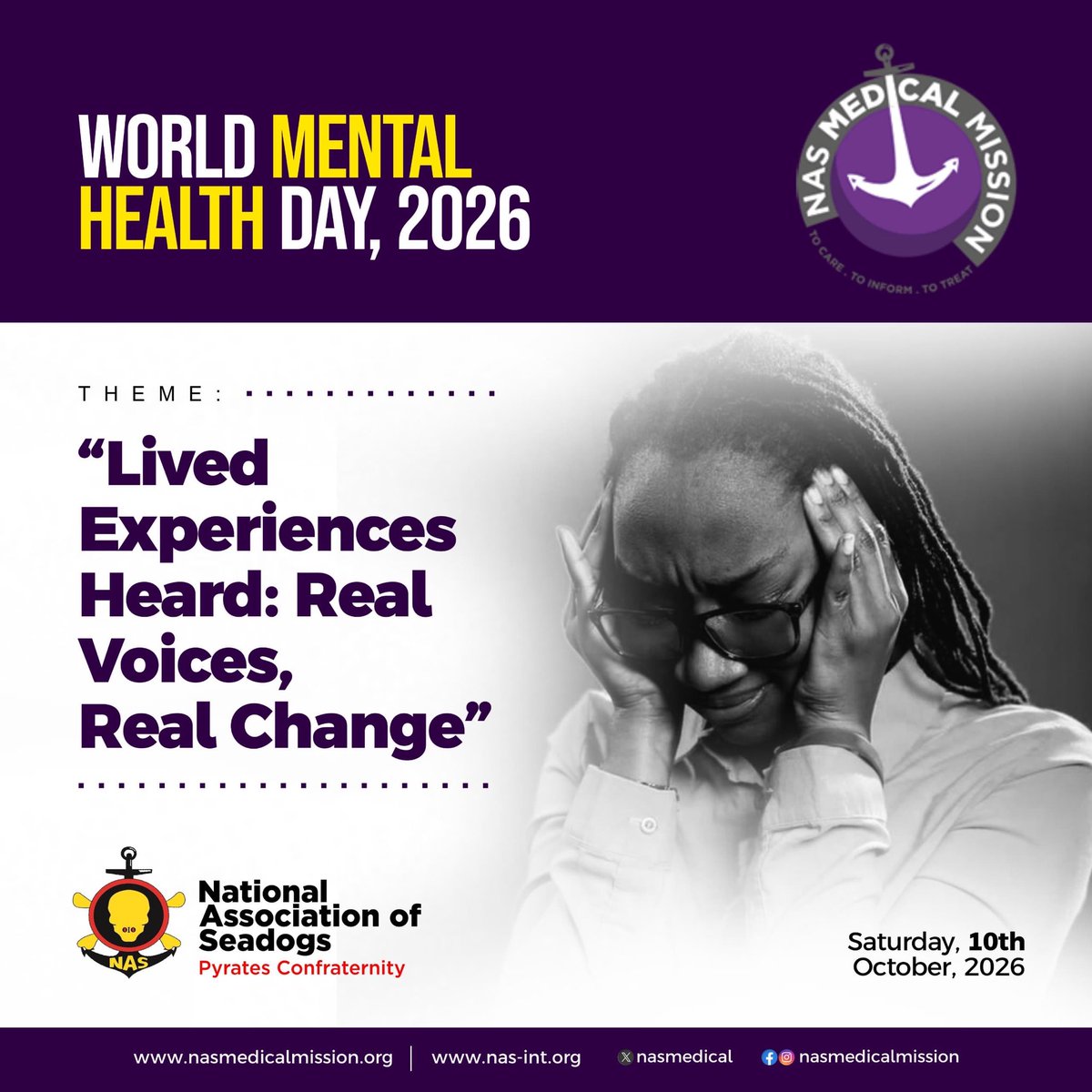
WMHD2026 - Lived Experiences Heard: Real Voices, Real Change.
“Lived Experiences Heard: Real Voices, Real Change” is a safe and open conversation centred on mental health and wellbeing. Hear real stories, challenge stigma, and connect through honest conversations about lived experience.
Together, let’s listen without judgement, speak openly about mental health, recognise when support is needed, and take action to build kinder, more supportive communities.
Come with an open mind, share your voice, listen to others, and be part of the change.
Date: 10/10/2026
Time: 2PM (GMT)
Set a reminder for our upcoming Space! https://t.co/kl4H7iY2mU