Welcome to Red Secure Tech, where innovation meets cybersecurity. At Red Secure Tech, we specialize in delivering cutting-edge solutions to protect your digital
Join 200+ cybersecurity professionals, developers & business owners in the RST Forum. Discuss real threats, share pen-test techniques & get answers from security specialists.
Free to join: https://t.co/kUwOZpvUmd
#CyberSecurity#InfoSec#EthicalHacking#PenTesting#CyberThreats
Your Python app might be running OS commands just by opening an image. The Pillow EPS vulnerability lets attackers execute code by manipulating a filename, and it affects versions back to 2.6.0.
👉 Full guide: https://t.co/5ELmMb1joy
#Python#Pillow#CyberSecurity#InfoSec
A malicious API could drain your AI agent's entire wallet in a single request.
The x402 SDK vulnerabilities let attackers ask for the full token balance, and the default client had no spending limit to stop it.
👉 https://t.co/LgUVcDfmE5
#AI#x402#CyberSecurity#InfoSec
Red Secure Tech helps trace the entry point, remove backdoors, clean infected websites, and restore your site.
🔴 4-hour first response
🔴 24–72-hour recovery target
🔴 No fix, no charge*
👉 https://t.co/V40DweYTrk
#CyberSecurity#Ransomware#MalwareRemoval#WebsiteSecurity
A PHP vulnerability is not just a bug. It is an open door, and the sequence after exploitation is remarkably consistent.
Reconnaissance, persistence, data theft, escalation, and then whichever endgame fits the attacker.
👉 https://t.co/MazV0w62Ov
#PHP#CyberSecurity#InfoSec
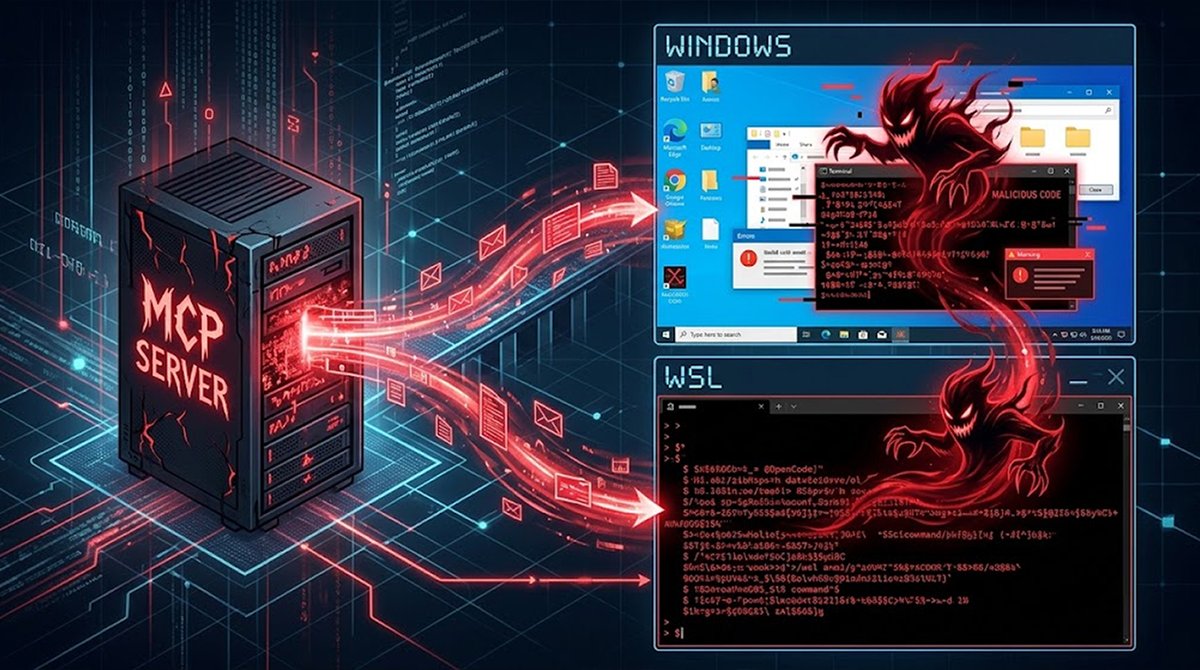
A flaw in OpenCode allowed malicious MCP servers to run code on Windows and WSL machines during the sign-in process. No CVE was assigned, so your scanners won't flag it.
👉 Full guide: https://t.co/smAP3sNstH
#OpenCode#AISecurity#CyberSecurity#InfoSec#AppSec#DevSecOps
If you run Node.js, check your version right now.
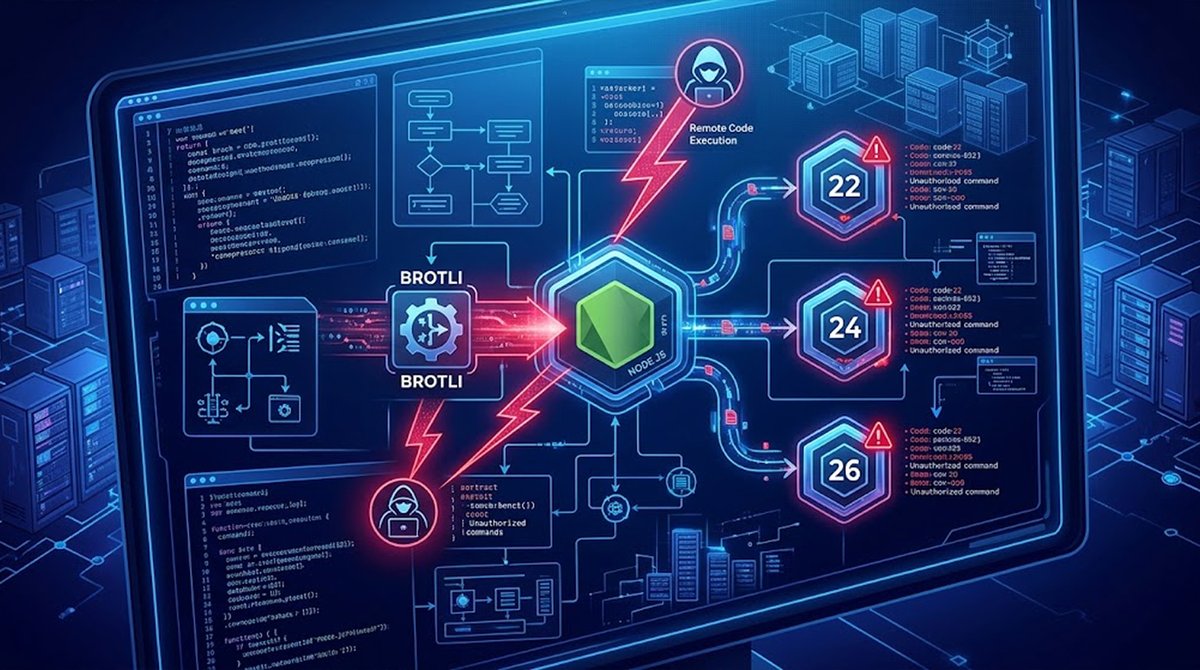
A flaw in the bundled Brotli decompression code could allow remote code execution. A public proof-of-concept is already out.
👉 Full guide: https://t.co/3sEY4SzJa3
#NodeJS#CyberSecurity#InfoSec#WebSecurity#AppSec
One tiny packet is all it takes to crash your HTTP/3 server.
An unauthenticated attacker can send compressed headers that expand into massive memory usage, locking the server at 100% CPU.
👉 Full guide: https://t.co/61IOH1OPli
#HTTP3#CyberSecurity#WebSecurity#DenialOfService
Running php -v does not tell you if your PHP is vulnerable.
The CLI version is often not the version serving traffic, and on Linux the version number frequently does not reflect whether the patch was applied.
👉 Full guide: https://t.co/JWJYykk9Uq
#PHPSecurity#CyberSecurity
Hacked? This one didn't even need you to import the package.
LiteLLM 1.107.0 shipped a cook.pth file that Python runs at interpreter startup, stealer fires before your code loads.
👉 Full guide: https://t.co/Za1nzRG4Yn
#LiteLLM#CyberSecurity#InfoSec#AppSec#AISecurity
The PHP2Shell vulnerability lets unauthenticated attackers run code on web servers. Here's who's affected, which versions fix it, and what to do now.
👉 Full breakdown: https://t.co/0N8nhgfj50
#PHP2Shell#PHP#CyberSecurity#InfoSec#ServerSecurity#WebSecurity
Your WordPress site might have an administrator you never created.
The TeamUpdraft breach exposed UpdraftCentral connection keys, and attackers used them to push backdoor plugins onto connected sites.
👉 https://t.co/hfVZ75J75D
#WordPressSecurity#UpdraftPlus#CyberSecurity
Found a strange file in your uploads folder? Do not just delete it. A web shell uploader gives attackers permanent access, and it will come back if the upload vulnerability is still open.
👉 Full guide: https://t.co/KMKXKBo4Bi
#WebShell#WebsiteSecurity#CyberSecurity#InfoSec
Someone pointed AI agents at 1,200 websites and let them work. Over 100 companies got hit.
No human at the keyboard, about five dollars a task ,and Just under 23 hours per successful break-in.
👉 Full breakdown: https://t.co/RofR6dtP4X
#AI#CyberSecurity#InfoSec#WebSecurity