In 2025 consumer County Court Judgments climbed to 996,261.
More businesses are experiencing non payment and escalating matters legally.
We explain what a CCJ means for recovery and why so many don’t result in payment.
Read more here ➡️ https://t.co/on6x7fVLEt
In 2025 consumer County Court Judgments climbed to 996,261.
More businesses are experiencing non payment and escalating matters legally.
We explain what a CCJ means for recovery and why so many don’t result in payment.
Read more here ➡️https://t.co/XDXzenjIla
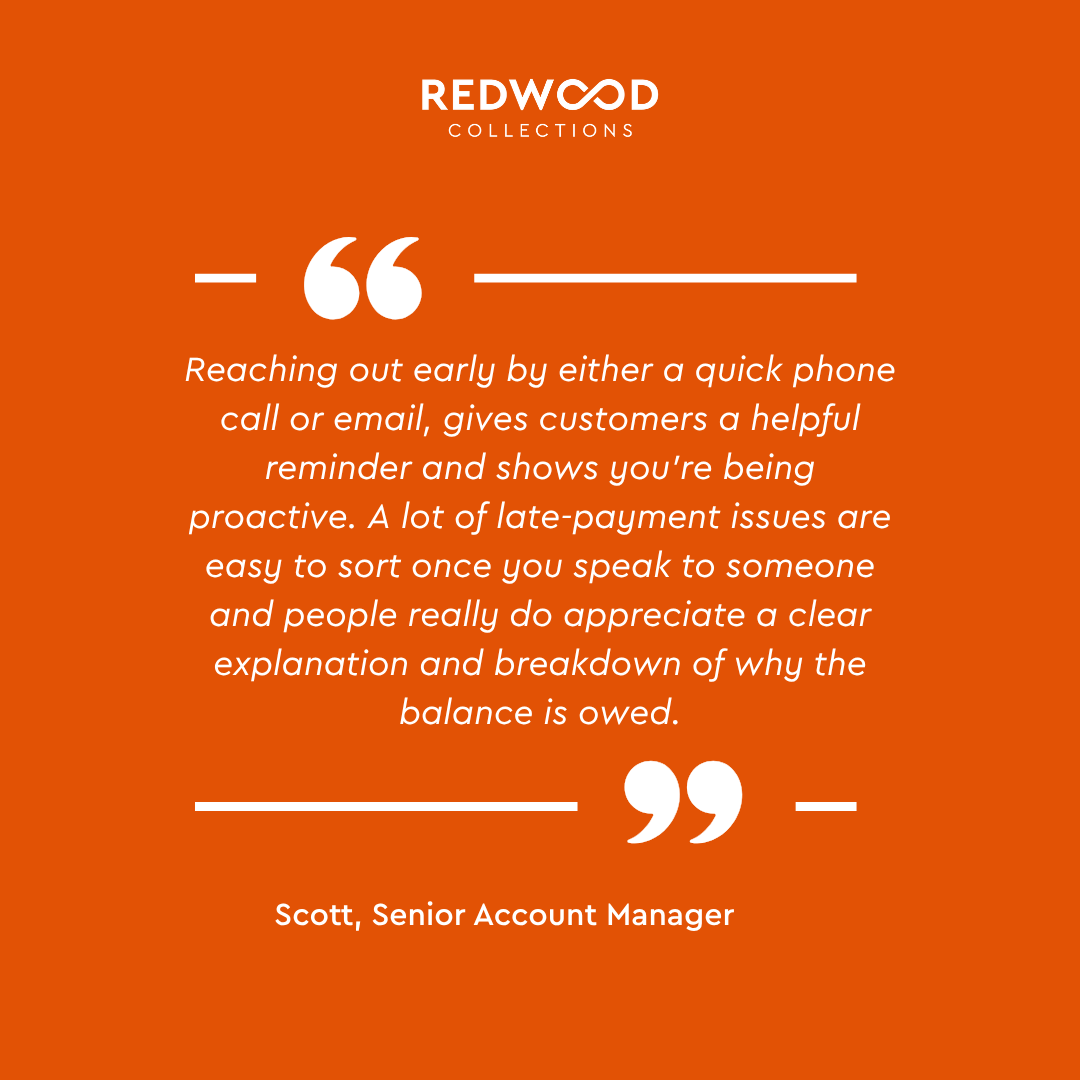
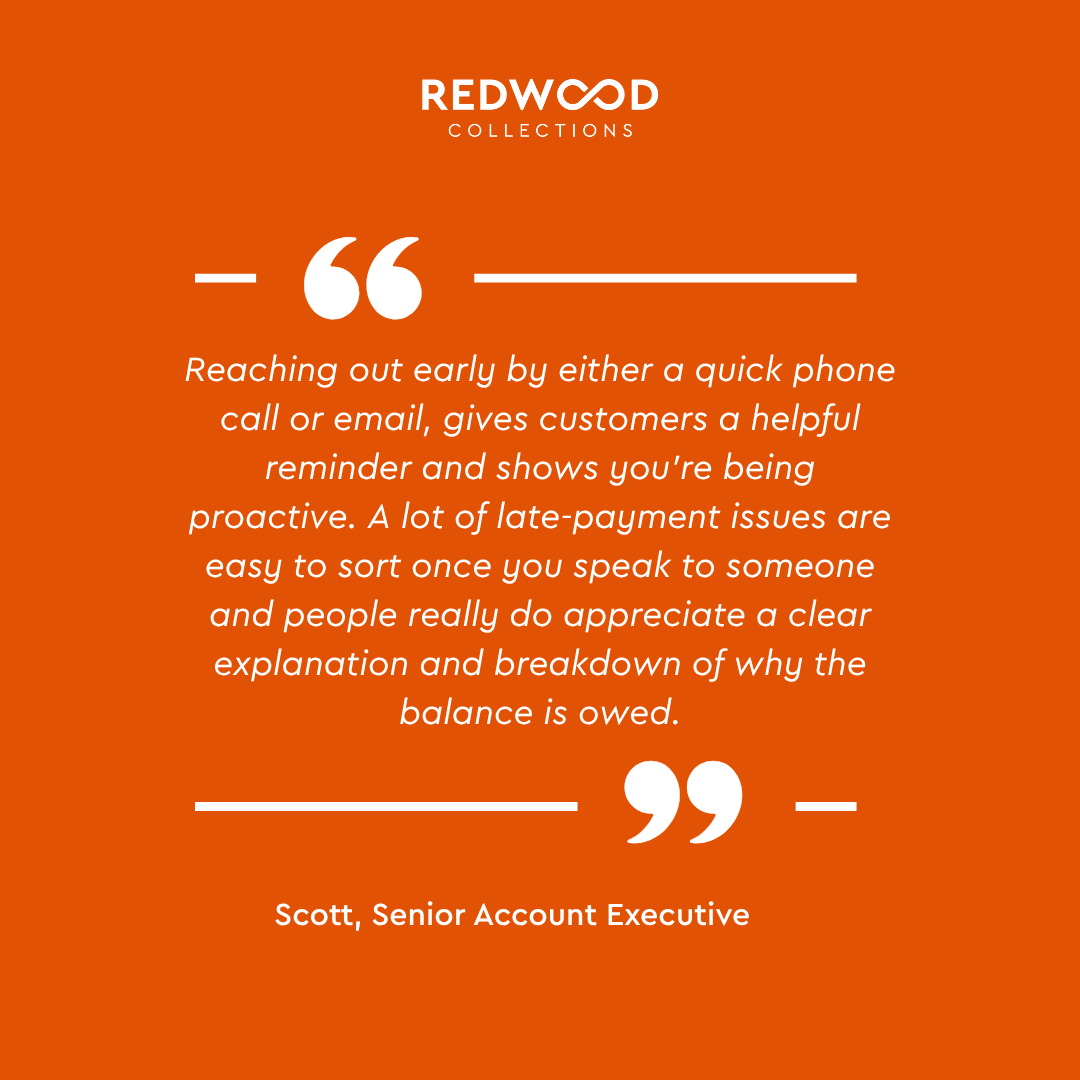
Early prevention starts with the first conversation.
Our senior account manager, Scott, shares why early contact can make a difference in successful recovery.
Early prevention starts with the first conversation.
Our senior account manager, Scott, shares why early contact can make a difference in successful recovery.
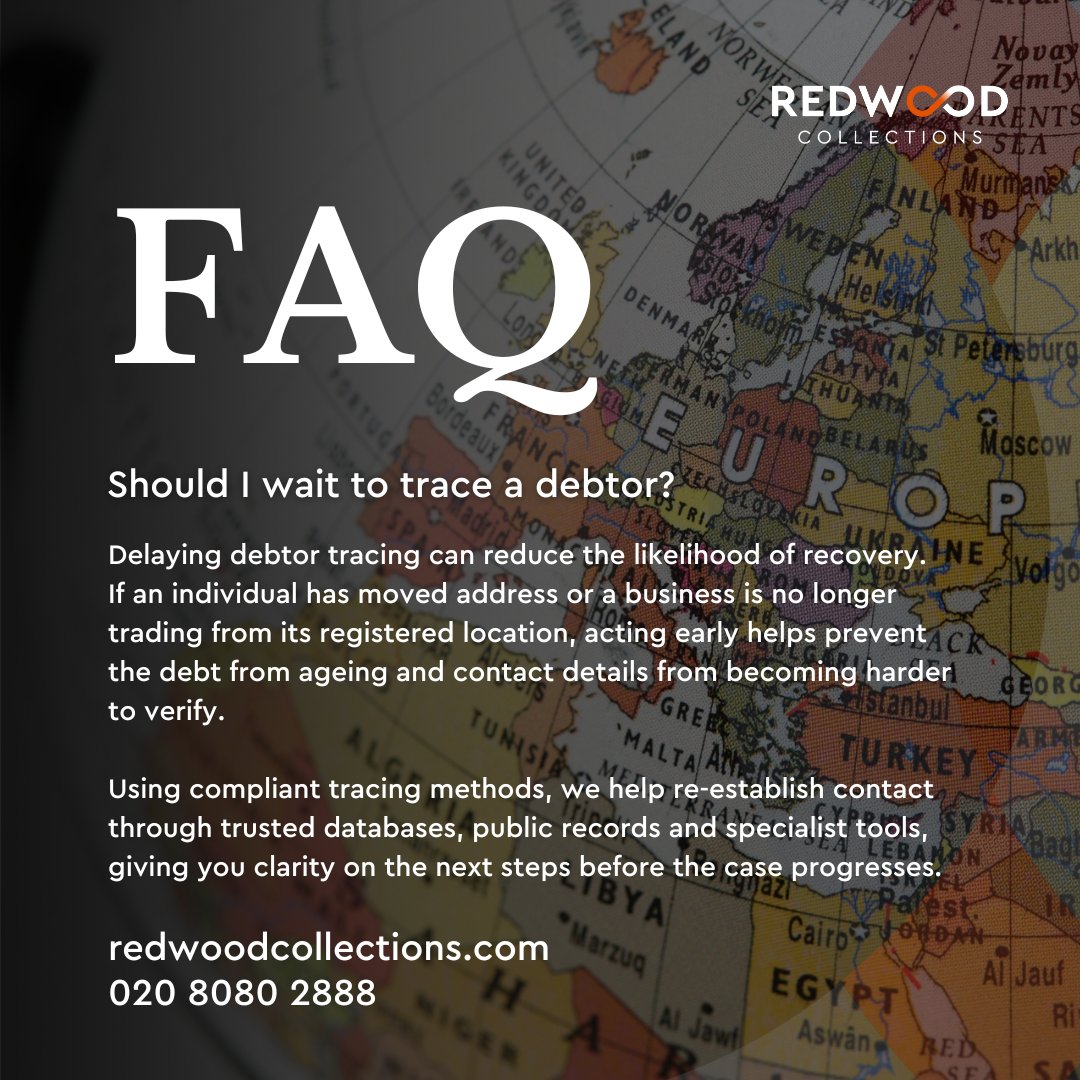
“I don’t know my debtor’s address, can I still move forward with recovery?”
In many cases, yes.
However, when contact is lost, the approach needs to adapt.
With our debtor tracing service, it’s possible to locate a debtor and re-establish contact ➡️ https://t.co/57FmyowBWZ
Still chasing the same debt? Professional escalation is what breaks the cycle.
A stalled debt is already costing you more than the balance.
See how much more you could recover ➡️ https://t.co/kv93V54LCe
One of the reasons businesses hesitate to take legal action on an overdue invoice is the fear of a drawn-out dispute.
In our experience, a legal claim on its own is often enough to prompt payment. Once the process feels real, the balance becomes harder for them to ignore.
Inflation reached 3.75% in December 2025 and it’s hitting businesses hard.
It’s the ‘what-ifs’ that hold teams back from chasing overdue invoices.
We break down the common misconceptions about debt collections agencies.
Read more here ➡️ https://t.co/m9hSySEvnH
Without escalation you risk…
-No consequence
-Less credibility
-Reduced response
When reminders stop working, recovery is the natural next step➡️ https://t.co/wB5GBQ85ea
With the Renters Rights Act coming into force today (1st May 2026), the rules around regaining possession of a property are changing.
Take a look at the changes here ➡️https://t.co/MWLHXjLG4K
The data shows a clear pattern. Recovery rates decline over time with a sharp drop between 60 and over 180 days.
When a debt is fresh, it still feels real.
As more time passes, the invoice slips down their priority list and newer bills get their attention first.
Happy client 🎊
Sometimes it takes a third party to restart the recovery process. When the debt is separated from the client, it signals escalation and prompts action.
A common cause of delay in recovery is finding the debtor.
Details and addresses change more often than expected, as debtors change job roles and businesses relocate.
If a case has stalled because of a disappearing debtor, this page is for you➡️ https://t.co/OVCOfJb1H7
Debtor tracing isn’t one size fits all.
We use any combination of these methods to re-establish contact with debtors and get the ball rolling again.
Understand the methods in more detail ➡️ https://t.co/C3rug3lF2D
At what point should you consider debtor tracing?
Knowing when to utilise debtor tracing services doesn’t need to be complicated and there are signs to look out for to know when it’s time.
Watch to be in the know⬇️
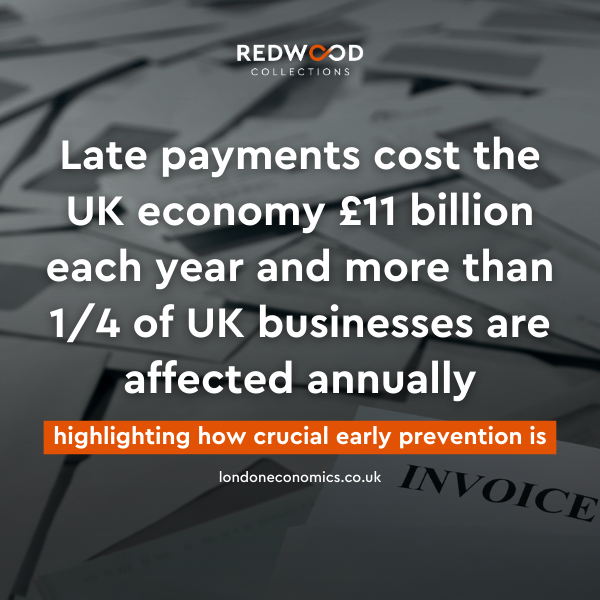
The sooner an overdue invoice is addressed, the more likely it is to be successfully recovered without affecting long-term stability.
When you’re ready, we can help you take the next step 👉 https://t.co/jA01R2tVjo