July 4, 1776, and June 19, 1865, tell two very different stories about freedom in America.
On July 4, 1776, the Declaration of Independence was adopted, announcing that the thirteen American colonies were separating from British rule. The document included powerful words about liberty and equality, but at the same time, hundreds of thousands of African people remained enslaved across the colonies. For enslaved Black people, independence did not mean freedom.
Many enslaved men, women, and children continued working on plantations, farms, and households while the new nation debated the meaning of the very freedom it had declared. Their labor helped build the economic foundation of the United States, yet their own rights were denied.
For generations, enslaved people resisted in many ways. Some escaped, some created secret networks of communication, some preserved African traditions, and others fought through legal challenges, writings, and activism. Free Black communities and abolitionists also pushed the nation to confront the contradiction between its ideals and the reality of slavery.
During the Civil War, President Abraham Lincoln issued the Emancipation Proclamation, which took effect on January 1, 1863, declaring enslaved people in Confederate controlled areas to be free. However, freedom did not immediately reach everyone.
In Texas, one of the most remote Confederate states, many enslaved people remained unaware of their freedom or were prevented from exercising it.
On June 19, 1865, Union General Gordon Granger arrived in Galveston, Texas, and announced General Order No. 3, informing the remaining enslaved people there that they were free.
That day became known as Juneteenth.
The journey from 1776 to 1865 represents nearly 90 years between the promise of independence and the legal end of slavery in the United States. Even after emancipation, Black Americans continued fighting through Reconstruction, segregation, and the Civil Rights Movement to secure the freedoms promised generations earlier.
REPUBLICAN SEN. TILLIS: “What Freakin’ parallel universe did I wake up in? You’re telling me — if it’s true — damaging the reflecting pool lining is something Pirro wants to prosecute… yet they’re releasing people who pled guilty to assaulting officers?”
This is the same guy who admitted that he pushed the lie about Haitians eating cats because that’s the only way to get the media to care about the people of Springfield, Ohio. So he’s got some nerve calling anybody else terrible.
He also wasn’t talking this way when he was on The View. Just a total phony.
DO NOT STOP TALKING ABOUT EPSTEIN
DO NOT STOP TALKING ABOUT EPSTEIN
DO NOT STOP TALKING ABOUT EPSTEIN
DO NOT STOP TALKING ABOUT EPSTEIN
DO NOT STOP TALKING ABOUT EPSTEIN
DO NOT STOP TALKING ABOUT EPSTEIN
DO NOT BE DISTRACTED.
Rubio: I have never seen Trump fall asleep.
Lieu: I’m going to show you a video that shows you just lied to congress. Here is a video of him asleep while you are talking.
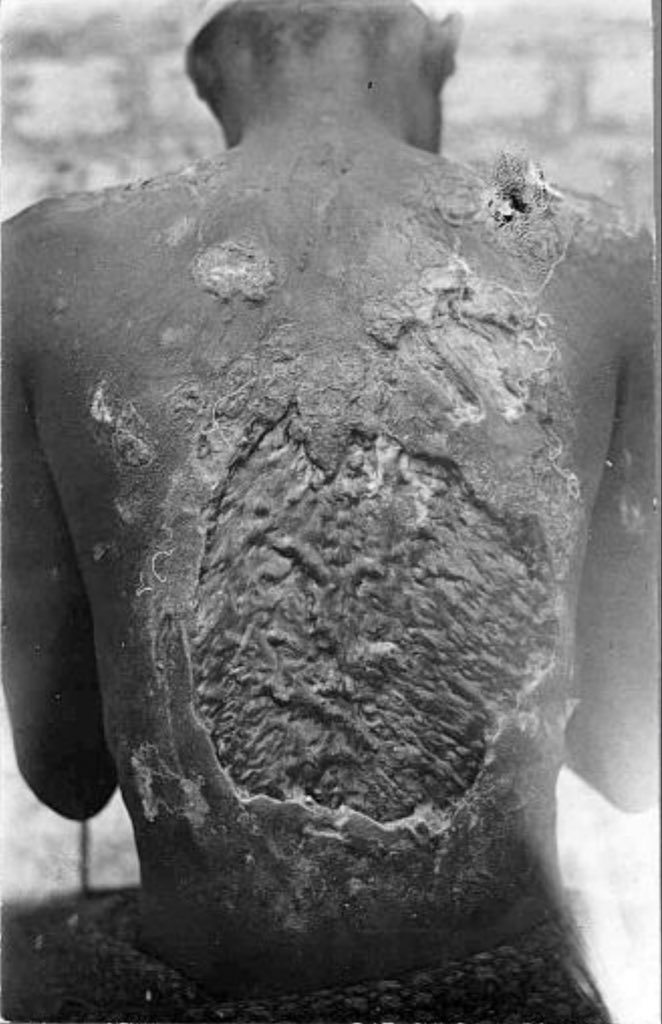
The back of a Namibian laborer covered in scar tissue from years of whipping by a German farmer named Ludwig Cramer, (1912–1913).
Taken by the Rhenish missionary Johann Jakob Irle.
Shark Tank Billionaire Kevin O'leary says 2 people fighting data centers in Utah are Chinese agents. Turns out its just 2 local girls in Utah, they make a hilarious video calling him the fuck out