our existing tools have this "vampire effect" is because they were built for a fundamentally different type of work.
everything we've used up until now has been about shipping code.
IDEs were these finely honed tools and part of becoming a professional engineer was learning the art and science of the IDE. I remember being a new grad and my mentor sat me down and was like "look, you NEED to use hotkeys, you're going too slow"
And the CLIs and agent chats have been built around that same goal: more code, more quickly
But we basically solved that part.
The job now is:
Pre-work: (1) what choices matter? and (2) making those decisions
Re-work: Looking at what you made (code, finished product etc) and figuring out what needs to change
That's why being an engineer can kind of suck right now.
We have the wrong goal in mind and as a consequence are using the wrong tools
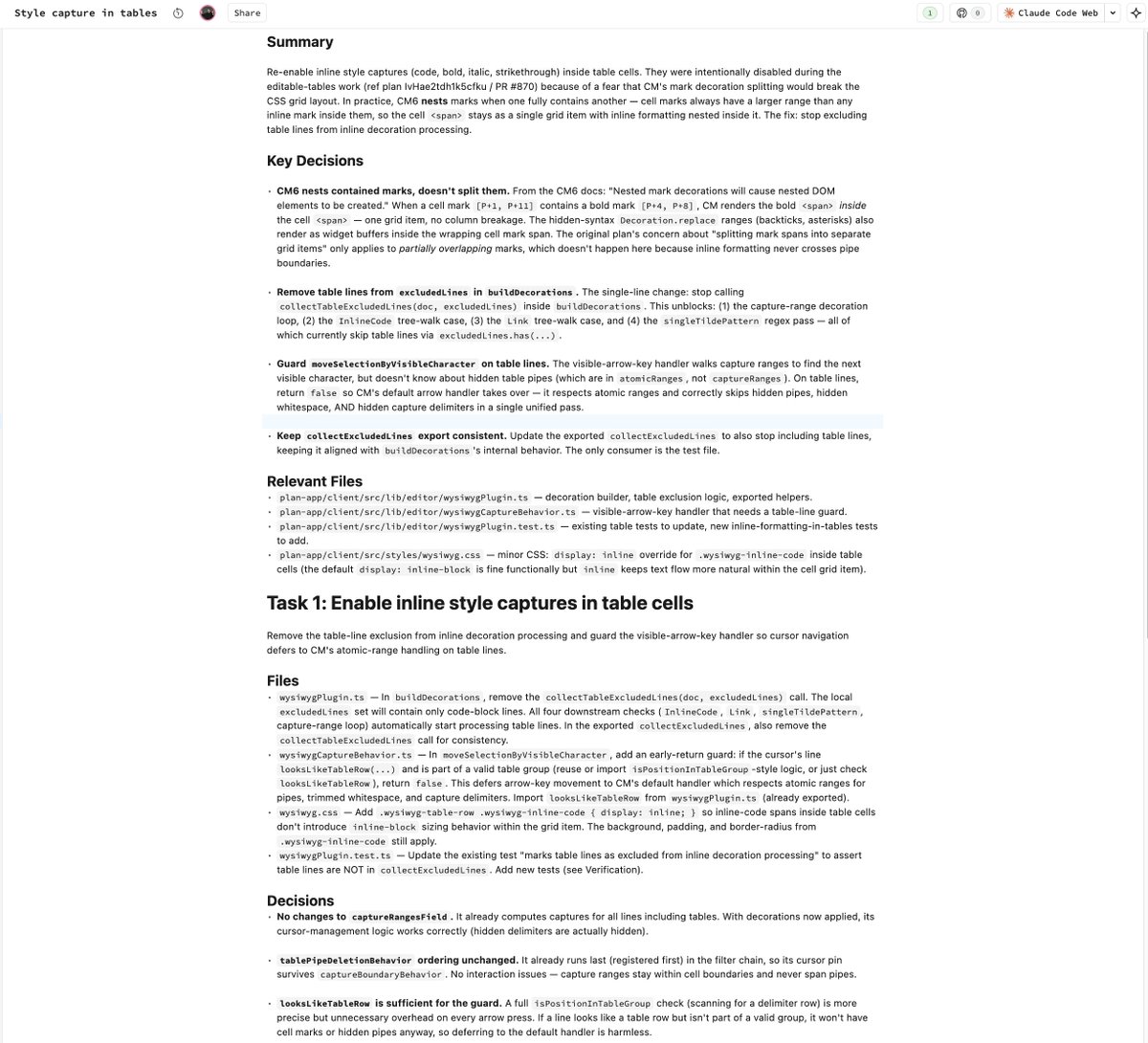
Today, we're announcing @ref_tools open beta. Ref is your team’s shared space to decide what agents build before any code gets written.
We’ve raised $4M from @villageglobal, @Daybreak_Fund, @tmrohan, @RitualVC, @tonigemayel@barrald@wesmckinn and @bentossell.
Every engineering team is battling the same problem. I call it Velocity Sickness. It's the disconcerting feeling that you're moving fast but not having the impact you expect. It's affecting individuals, teams and especially leaders.
It looks like:
- Too many PRs to merge.
- Brainfry and burnout.
- Engineers running in different directions.
- Critical decisions being made by agents.
The last one is the most dangerous.
At its core, software engineering is about two things: (1) what decisions matter for my system? and (2) making those decisions. When you let agents make critical decisions, you lose ownership of your system and product.
You solve these problems with Ref.
Learn more: https://t.co/Af56xxTvTg
Individual engineers are speeding ahead with AI while the org as whole isn't going as fast.
I'll be talking about how to close that gap.
This Thursday at @aiDotEngineer World's Fair!
I'm working on a talk about this for @aiDotEngineer world's fair. This slide probably won't make the cut but I love it so I want to share:
We've never hired junior engineers because they ship. Sure the work on relevant projects and get stuff done, but it's never been about the output.
We hire junior engineers because they become senior engineers. Their job is to learn. They represent an investment in the future of our team and company.
That investment used to feel like picking charmander. Useful to start and slowly and, with a lot of investment, they grow to be a badass. This is what we're all used to and it was a nice system.
AI changed that investment math. Now hiring a junior engineer feels like using magikarp. It feels like they add no productivity and actually hurt us by taking time with slop code reviews.
The thing is: you never get gyarados unless you invest in magikarp.
If you're building an company/eng team with longevity, you need to be adapting your team processes to support a healthy eng org. If you just avoid it and skip hiring junior engineers, you're gonna have a hangover in 12-18 months.
this is fundamental to how @ref_tools works! although we call this artifact a "ref"
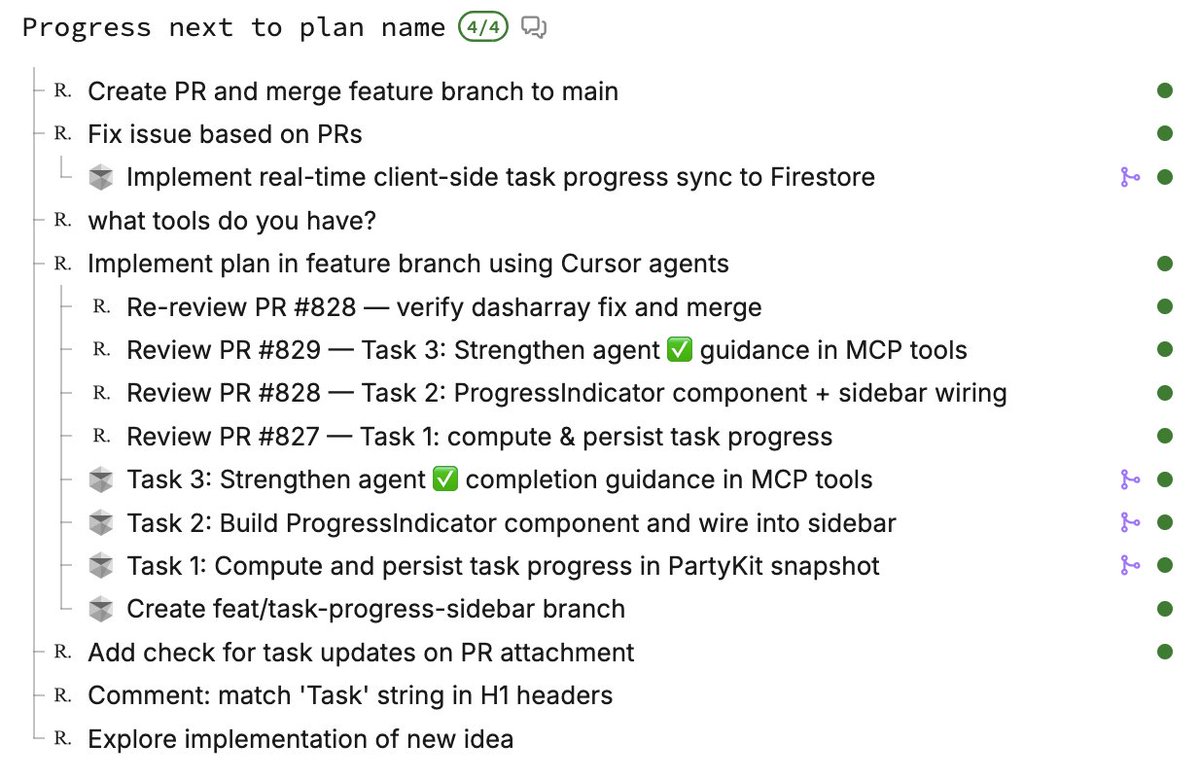
you spend time refining your spec, dispatch a team of agents who implement and update progress
also some nice perks are its all over mcp so works with whatever agent you use and each ref is a web doc (supporting mixed md and html) and shareable with your team
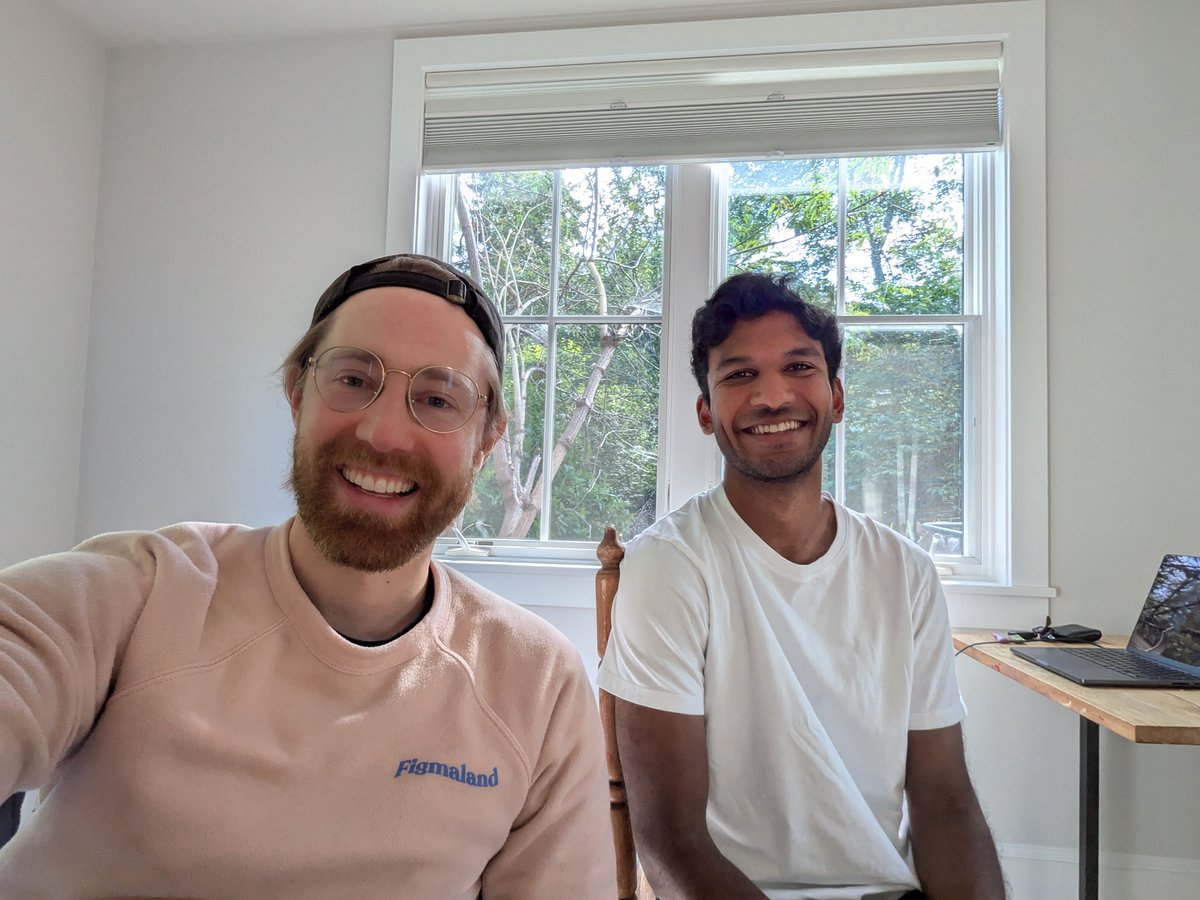
After 1.5 years solo, @ref_tools has a second person.
@suvir_ was my second hire at Figma, and getting to work with him again feels like a gift. Phenomenal engineer, one of the most thoughtful people I know, exactly who you want shaping a company's culture from day one.
So glad he's here.
I don't care if everyone knows, I like building landing pages.
I just shipped a new one for @ref_tools, check it out: https://t.co/WK4ll8fIM2
There's something about spending the time finding just the right word for how you explain an idea that's really really satisfying.
Also I totally ripped off Cursor with the interactive landing page thing. BUT in my defense all the components were stateless so reusing them and with stub data felt waaay easier than being the puppet-master to make a gif or video or something. 🤷
We shipped a lot in April:
• Agent-tree view with middle-managers
• Rich-text plan review (with inline comments)
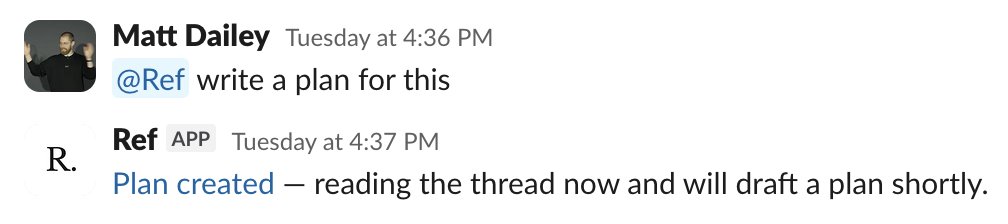
• Slack integration
And if you're an opensource maintainer, 2 months free on us as part of GitHub Maintainer Month!
Excited to have @ref_tools founder Matt Dailey speaking at AI in Production on May 6.
His talk: "What won't change?"
Everyone's worried AI will replace junior engineers. Matt thinks the opposite, and he's bringing the blueprint.
May 6, Inngest HQ SF.
Link in thread ↓