Recycled plastic bottles shown to be leaching some harmful chemicals into the drinks.
Researchers found 150 chemicals that leached into drinks from single use plastic bottles, with 18 of those chemicals found in levels exceeding regulations.
https://t.co/FJwNFrDwxl
the total weight of plastic on Earth is now 4X the biomass of all living animals, according to recent studies. The torrent of plastic waste worldwide has massively exceeded limits safe for humanity or the planet, and production caps are urgently needed. https://t.co/j8AEwCtsFP
Stanford researchers show how poorly designed tree-panting campaigns could do more harm than good. NZ cant simply plant our way out of climate change emissions with lots of pine trees. As Chile has found out;
https://t.co/WXNcexa3dT
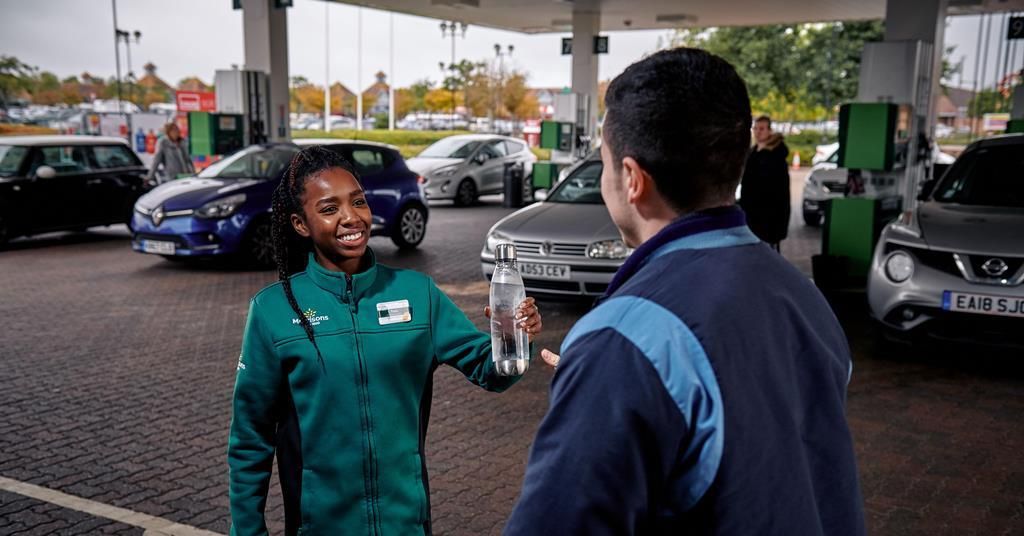
Lets see our supermarkets doing this to reduce plastic pollution; Morrisons in UK offers free water refills at forecourts nationwide. A trial had18% less bottles sold in forecourt kiosks that had free water refills. @rnz_news@FoodstuffsNZ @CountdownNZ
https://t.co/iSVNHOXhma
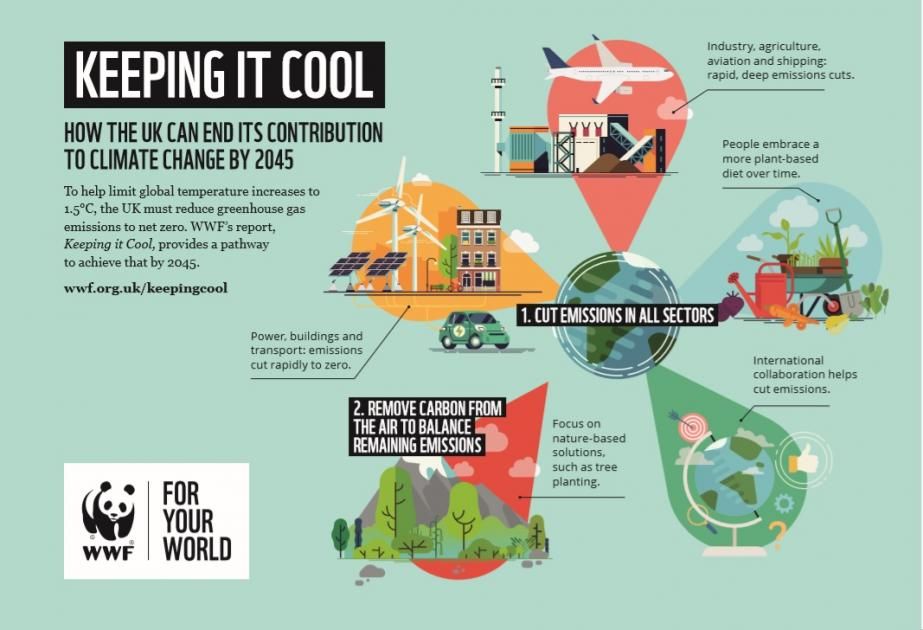
Cutting emissions to zero as quickly and equitably as possible is a tall—and necessary—order.
Here is one helpful guide for making bold + credible climate commitments 👇
https://t.co/7nBmAlKJ6g?
With big changes due in Dec in Kiwisaver we researched the new 6 default funds to find out whether they were funding plastic production &/ or fossil fuels.
Results were mixed, some only doing what's necessary others are more proactive. #climatechange
https://t.co/Ryr0qlEhxN
Plastic production contributes to climate change. In the next 5 years, global production of single-use plastics could grow by over 30 per cent . And single use plastic production could account for five to 10 per cent of the world’s greenhouse gas emissions by 2050.#climatechange
Great news but where's a container deposit scheme to increase recycling rates of single use plastic bottles which are the second most common plastic waste on beaches.
Following the successful plastic bag ban in 2019, today, Environment Minister @DavidParkerMP announced that some problem plastics and six single-use plastics will be phased out by July 2025.
For more information, visit: https://t.co/6JBKg2vRmJ
Black Wednesday’ for big oil as courtrooms and boardrooms turn on industry. 👍 With 98% of single use plastic made from fossil fuels and production growing everyday this is awesome news.
https://t.co/KdOOnEFhRx
Oceana, estimated that Amazon had generated 210,000 tonnes of plastic packaging waste in 2019, including enough air pillows to circle the Earth 500 times. And approx'10,000 tonnes entered freshwater and marine ecosystems.
https://t.co/US1ZegceoB #amazon#Plastic
We are rubbish with waste - NZ is ranked 15th for single-use plastic waste generation per capita at 39kg per person. Plastic production is increasing world wide thanks to huge investment by Banks 20 of the world’s largest banks had loaned US$30 billion+ https://t.co/nMhwtPCUx2
BY 2025 THERE WILL BE ONE TONNE OF PLASTIC FOR EVERY THREE TONNE OF FISH.
98% of single use plastic is made from fossil fuels.
If production continues at current rates, it could account for 5 to 10 per cent of the world’s greenhouse gas emissions by 2050.https://t.co/yrTBLeTXCX
The impact of plastic production is a big contributor to climate change. In next five years production of virgin polymers for single-use plastics could grow by more than 30%. By 2050 plastic is expected to account for 5%-10% of CO2 emissions.
https://t.co/41RAaeZmXO
Tap water is the best choice for the sake of our health and for the environment.
But for the average Kiwi, it can be virtually impossible to find a place to fill up your drink bottle. Sign our petition for more fountains https://t.co/0k03A5JInw
In Australia, Canada and the USA, some states, territories and provinces have their own system and some do not. Country-wide deposit return systems achieve median return rates of 91% for PET, 89% for cans, and 87% for glass - some get to 95% or above. ♻️ #WhatWeWaste
Lobby the current Minister for Environment to get moving with the Container Deposit Scheme they are highly effective at reducing waste from plastic / glass bottles and cans.
NEW STUDY 📢 reveals best solutions to reduce pollution from bottles & cans. Single-use drinks are up 135%, but #depositreturn could cut waste by 75%+ in Europe, & countries w high refill % perform best of all #WhatWeWaste@reloop_platform@brkfreeplastic https://t.co/ZPmow44GGn
In NZ there's only one drinking fountain for every 3492 people. To combat this, we've launched a campaign challenging Kiwis to “find a fountain” and call for more by signing a petition. https://t.co/UeLdaA3NLs
https://t.co/yfk1XEhimz.
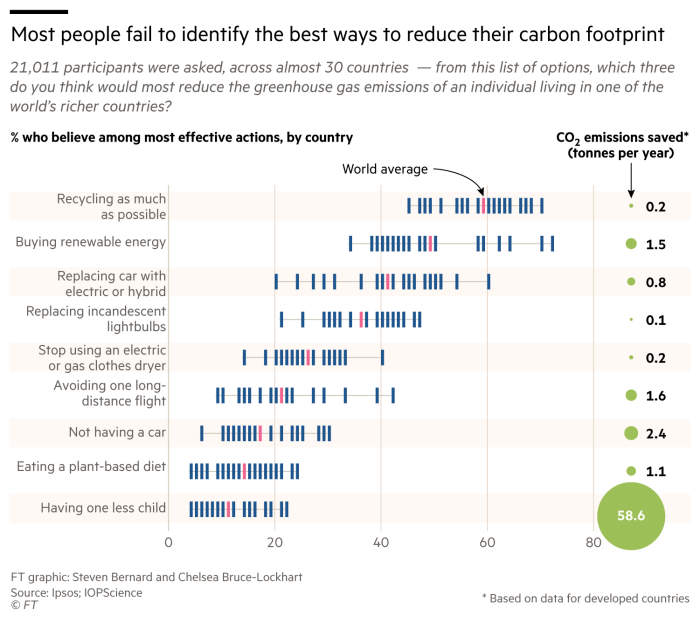
The most effective way to reduce carbon emissions is have one less child - beats changing to plant based diet by 50:1. Not having a car is in second place.
https://t.co/qbDWkyqd5m
RefillNZ is challenging Kiwis to find a fountain and be into WIN. Great prizes to be won, easy as- find a fountain, refill, take a pic, post and enter. https://t.co/g8YWrVodoq
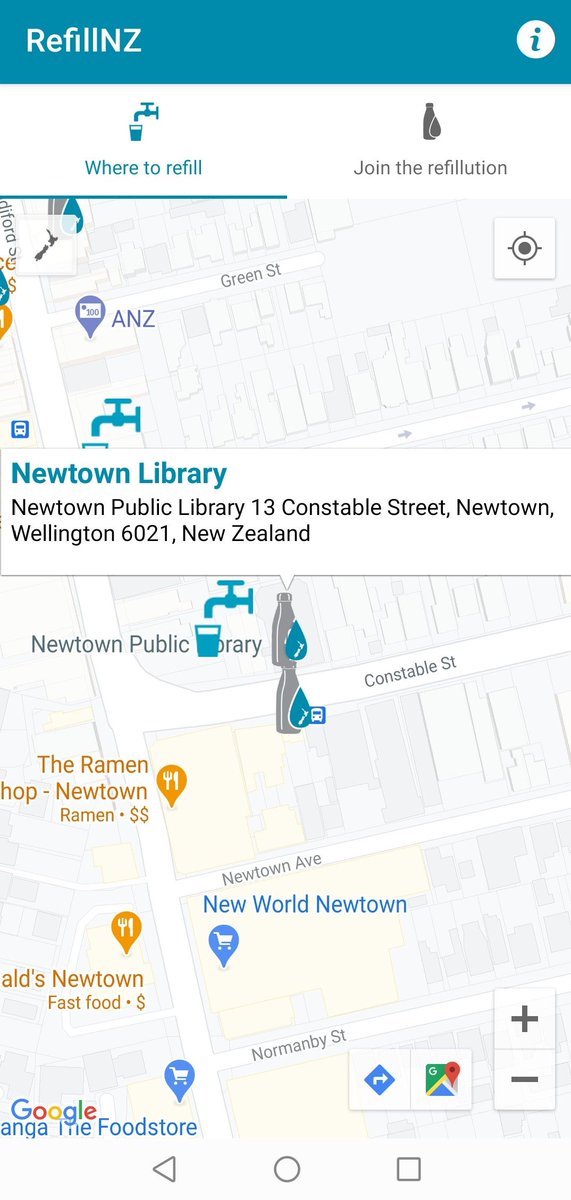
Need help finding a fountain get the RefillNZ app https://t.co/RN28BY1mq9
#freewater#plasticpollution