I’ve been thinking a lot about teenagers recently. It’s such an important time of life and yet gets such a bad press. Teenagers are said to be badly behaved, anti-social, out-of-control – there aren’t many people who have a good word to say about them. And as parents, it can be hard to know what has happened to the bouncy child we had a few years ago.
Now they want to stay in bed until midday, their bodies and their voices change and they often are consumed with worries about all manner of things. It's a time of contradictions, of maturity and immaturity right up next to each other.
They look different, they ARE different, sometimes changing by the day. It can be hard to know how to connect with them.
I wrote this webinar about anxiety specifically for the parents of autistic teenagers. In it, you’ll learn about the amazing teenage brain. What’s going on in there, and why are so many autistic teenagers anxious? You’ll get some ideas to help your teenager (and you) manage these challenging and tumultuous years.
Please share if you know parents of autistic teenagers. It is recorded if you can't make the time.
https://t.co/Gr0koUcqok
What was the last act of kindness you received? How well did it make you feel?
Gentle reminder...
A greeting, gesture or a giggle... leave other people feeling better than before they met you.
- John Magee
#edutwitter#KindnessMatters
There are very few managers who get to leave a club like this.
He understood the club, the fans and the city and they loved him for it.
#Klopp#Liverpool
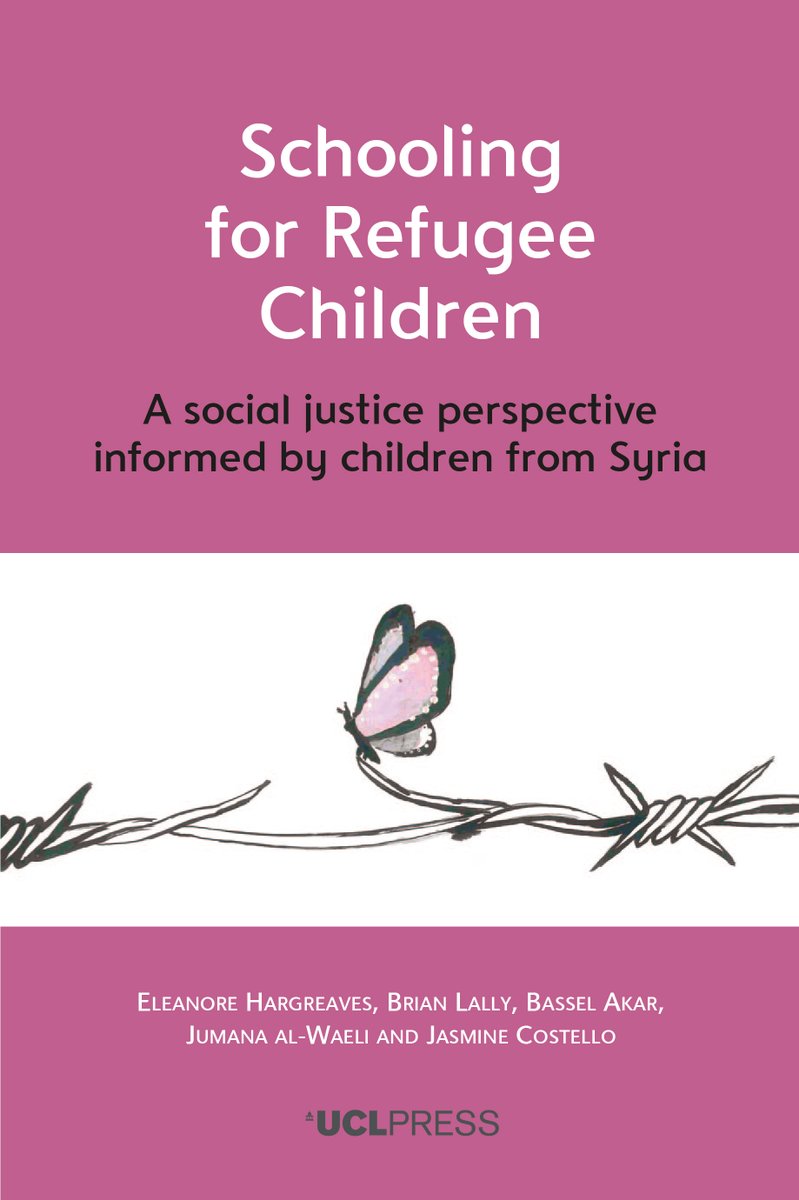
How is displacement experienced by refugee children? Prof. Eleanore Hargreaves @IOE_London & co-authors represent children's experiences expressed in their own words. FREE to read #OpenAccess#Education#EduTwitter@TeacherChat_uk https://t.co/i5fcVM4Hvx
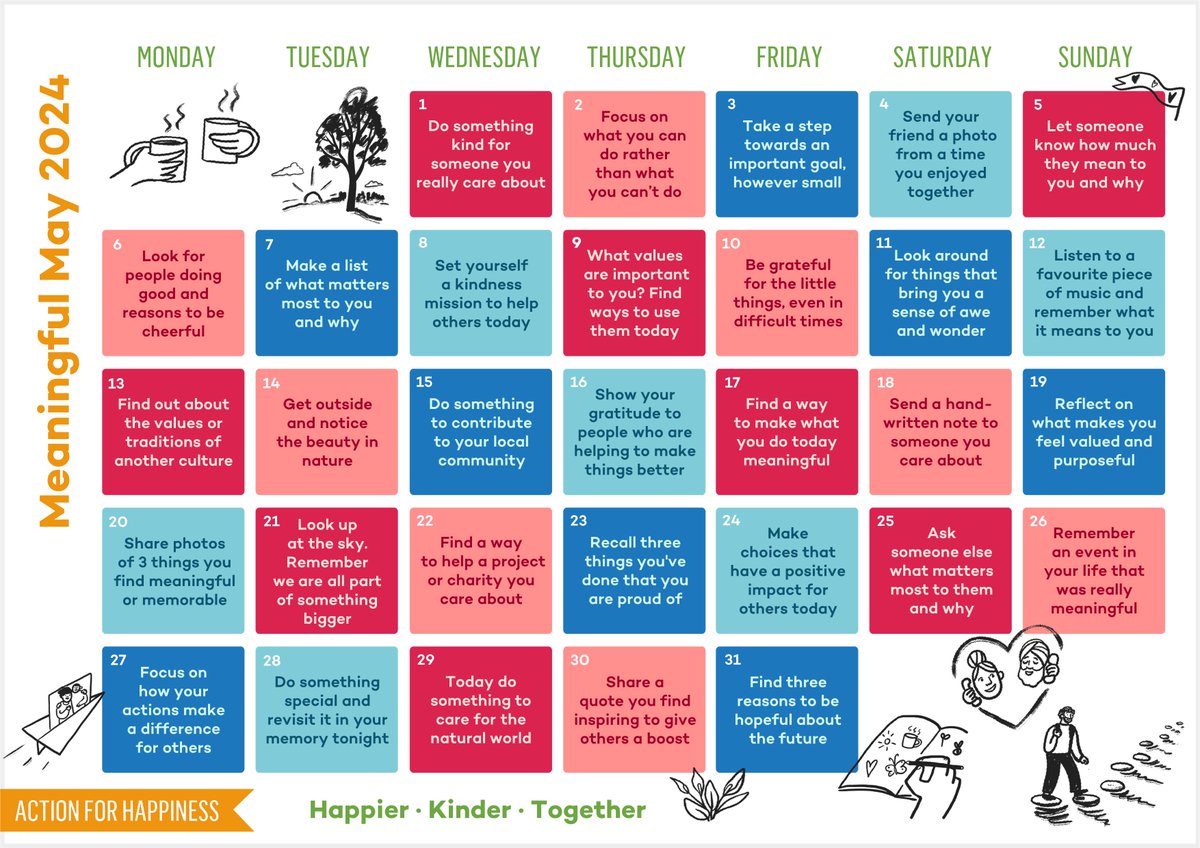
We can't control what happens around us, but we can choose how we respond. Join us for Meaningful May and focus on the things that matter ❤️
https://t.co/QObG6cjVZu #MeaningfulMay
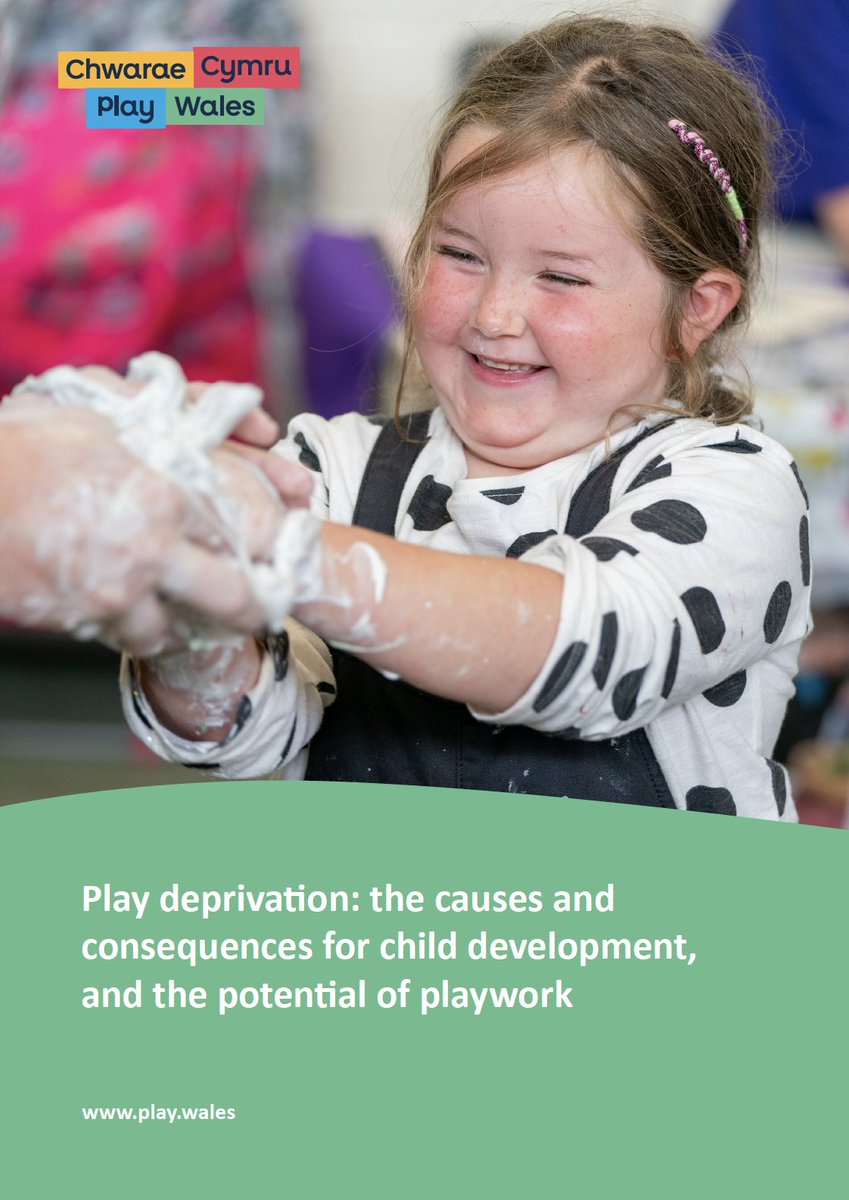
Our latest info sheet, by Emeritus Professor Fraser Brown, explores the consequences of play deprivation on children's wellbeing, and shows the positive effects of using a playwork approach to overcome them.
Take a look 👉 https://t.co/yrXVhnG24m
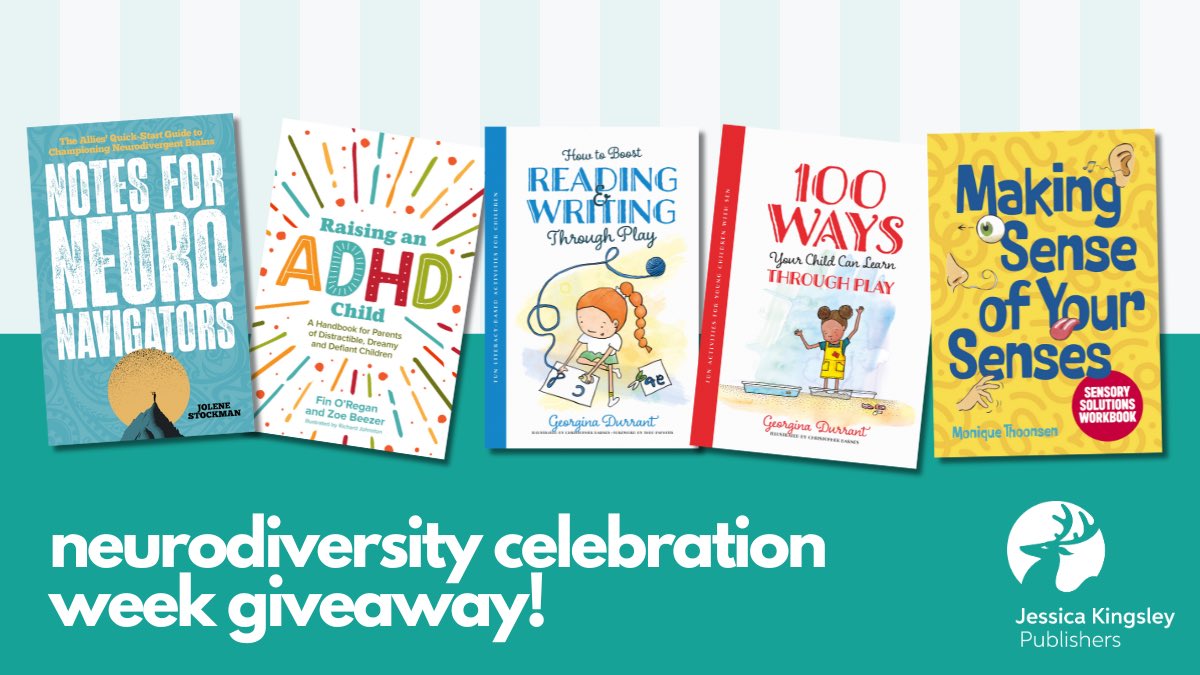
*RT & follow to be in for a chance of winning this bundle of books*
Looking for tips on raising a child with #ADHD? How to be an excellent ally, activities to help your kids develop important skills?
I’m giving away 5x @JKPBooks in honour of #neurodiversitycelebrationweek.
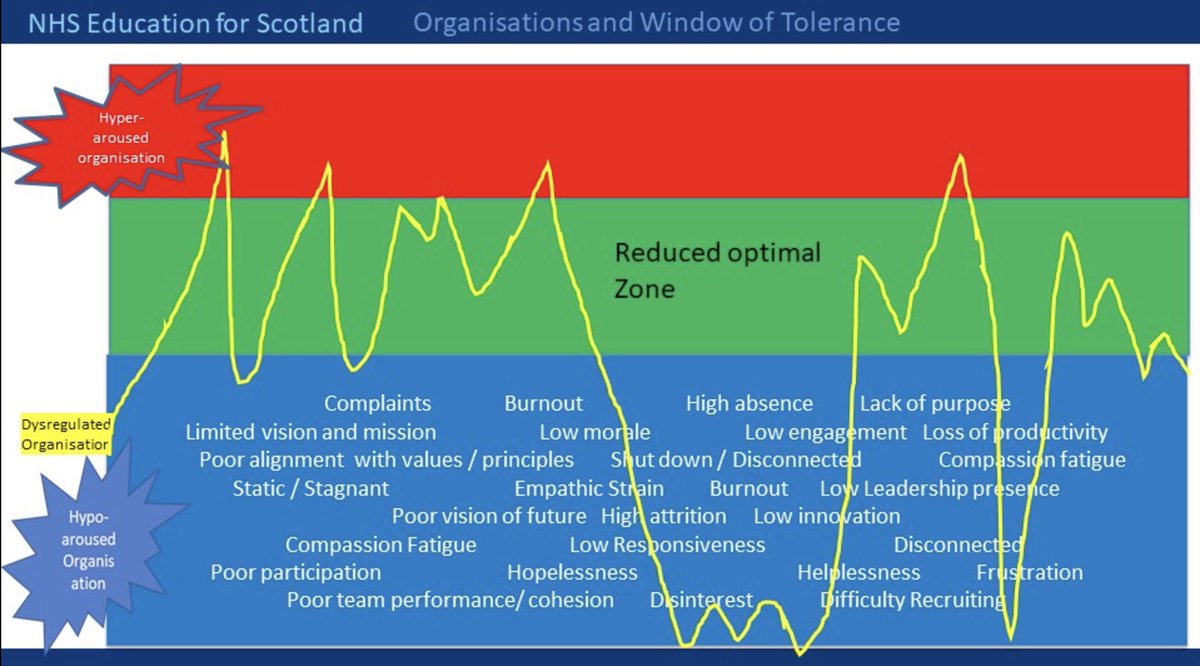
Fantastic video from Jennie Young at @NES_Psychology on Window of Tolerance applied to organisations & systems - what hyper/hypo-arousal looks like & what we can do to get back to optimal for everyone
A critical role for #trauma informed leadership
https://t.co/s4WLzHbp6j
We have published a new resource, created alongside educators across Scotland, to provide professional support to practitioners who teach young children in those very early steps towards becoming a reader. Find out more – https://t.co/l876eofBDn
EPs are instrumental in developing the use of EC in England @AEPsychologists We are recruiting for a fantastic new national project with with @EducEndowFoundn & @NatCen - a RCT! Do you know of any EY settings who might get involved? https://t.co/oPsILtMtXY
🎉 Exciting news! Introducing the EBSA Horizons Initiative in partnership with @EdPsychEd & @WarringtonBC. Concerned about the growing number of children & young people unable to attend school, Warrington are offering FREE training for ALL their schools & support services. Learn more: https://t.co/xeIwPv7NSQ @DrJerricah
Teachers are getting in touch to tell me about their experiences of high-control school environments. The most striking part of it for me is that they tell me that they are scared of speaking out and so they won't post in response to my posts for fear of the professional consequences.
They tell me that this punitive culture we hear of for our young people also applies to them. Their behaviour is also being micro-managed and they are being prevented from developing relationships with young people in their care. They are being made to do things which they think have a negative impact on young people - immediate detentions for uniform infractions for a young person who they know has really struggled to get into school, for example. They say that their school environment has become increasingly negative for both them and young people.
They tell me that they feel that their professional autonomy is being taken away from them and they are being told that the way to be a good teacher is to follow scripts and use high control strategies. They say they are having to give children behaviour points for entirely normal, childish behaviour.
Many of them are telling me that this was not what they went into teaching for. They, like our young people, want something different.
I volunteer as a trustee at SMiRA the national UK SM charity, and we desperately need funds to carry on our vital work in support of those with selective ("situational") mutism and their families. Our shop just launched- https://t.co/oMEqL6B0Tx
Buy something from us for Xmas?!