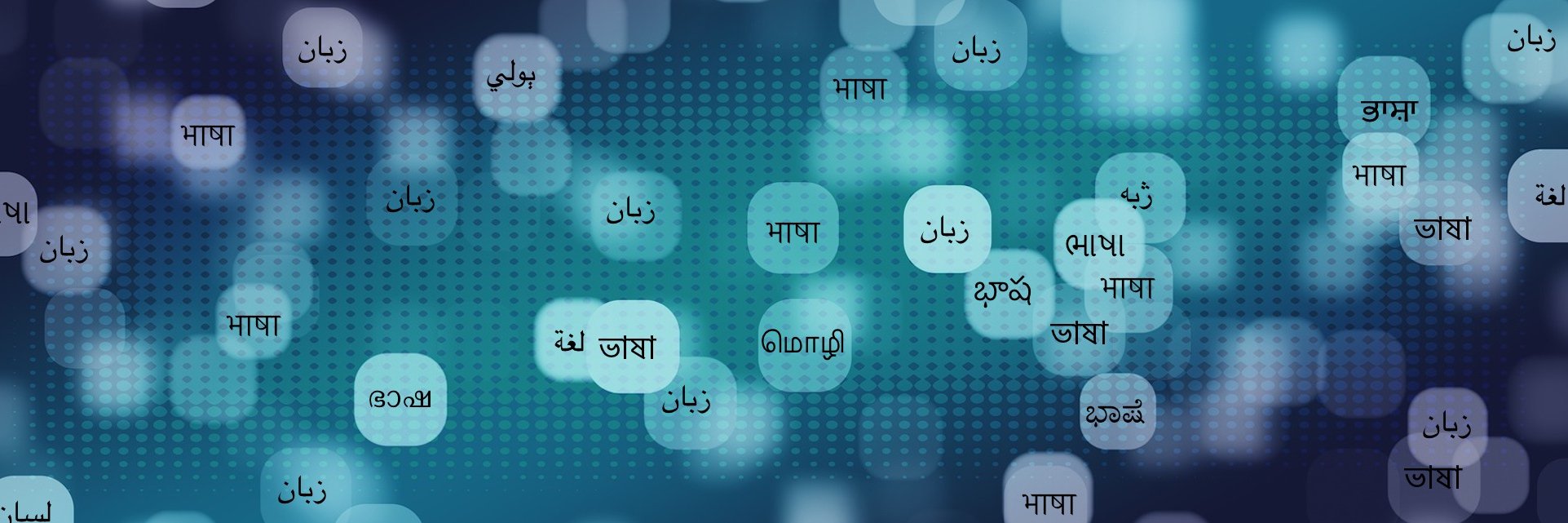
In #SouthAsia, the #PersoArabic script has been used to write Urdu, Punjabi, Kashmiri, Dakhni, Sindhi, Awadhi, Pashto, Balochi, among others.
Many of these languages have more letters in addition to the basic Arabic alphabet for additional sounds that are not present in Arabic.
برطانوی سامراج کے دوران بنگال میں پڑنے والے قحط کی دلخراش کہانیاں اور تصویریں دور دراز تک پہنچیں اور اردو لغت میں ایک نئی اصطلاح داخل ہوئی: بھوکے بنگالی۔
یہ آج بھی استعمال ہوتی ہے شاید یہ احساس کیے بغیر کہ اس کے پیچھے ایک دردناک تاریخ ہے۔
برصغیر سے برطانوی سامراج کی بے رحمانہ لوٹ کھسوٹ کا نتیجہ برصغیر میں قحطوں میں اضافہ کی صورت میں سامنے آیا۔ ان میں ۱۷۷۰ اور ۱۹۴۳ کے قحط زیادہ خطرناک ثابت ہوئے۔ ایسٹ انڈیا کمپنی کی استحصالی ٹیکس پالیسیوں کی وجہ سے ۱۷۷۰ میں آنے والے قحط میں ایک کروڑ لوگ ہلاک ہوئے۔
The stories and images of famished people that emerged from Bengal famine gave rise to a new term in #Urdu: “bhooke bangaali” بھوکے بنگالی(hungry Bengalis).
The term is now part of Urdu lexicon, still used today without perhaps realizing the sad history behind it.
One direct consequence of the British Empire’s policy of ruthless extraction was an increase in the number and severity of famines in the Indian subcontinent. Two of the most horrific ones include famines across Bengal in 1770 and 1943.
#Persian haft ھفت “seven” is of the same origin as #Sanskrit sapt सप्त /saptan सप्तन् “seven.”
Related #Urdu words:
hafta ہفتہ = seven days/week
haft-zaban ہفت زبان = one who knows seven languages, or metaphorically, a polyglot
#asouthasianwordaday
فارسی کا لفظ ھفت اور سنسکرت کا لفظ سپت یا سپتن دونوں کا ماخذ ایک ہے اور اس کے معنی ہیں سات عدد۔
ہفتہ = سات دن
ہفت زبان = سات زبانیں جاننے والا، یا کنایتاً کئی زبانیں جاننے والا
ہفت روزہ = ہفتے میں ایک بار نکلنے والا اخبار یا رسالہ
#Persian haft ھفت “seven” is of the same origin as #Sanskrit sapt सप्त /saptan सप्तन् “seven.”
Related #Urdu words:
hafta ہفتہ = seven days/week
haft-zaban ہفت زبان = one who knows seven languages, or metaphorically, a polyglot
#asouthasianwordaday
haft-iqleem ہفت اقلیم = seven inhabited regions of the ancient world, (which included India, China, Iran, Turan, Arabia, Egypt, Greece), or metaphorically, the whole world.
haft-roza ہفت روزہ = weekly (newspaper/magazine)
#Persian haft ھفت “seven” is of the same origin as #Sanskrit sapt सप्त /saptan सप्तन् “seven.”
Related #Urdu words:
hafta ہفتہ = seven days/week
haft-zaban ہفت زبان = one who knows seven languages, or metaphorically, a polyglot
#asouthasianwordaday
Discussion on the notion of correctness in language with focus on Urdu. The talk is in Urdu.
Qatar Time: 5:00 PM
Indian Time: 7:30 Pm
Registration Link:
https://t.co/9Gihul7wiQ
Looking for volunteer translators for @JamunKaPed (it's a pure volunteer operation by the creators as well but happy to offer some remuneration). Languages needed: Hindi (utmost priority), Tamil, Telugu, Marathi, Urdu (nastaliq). Please DM / share.
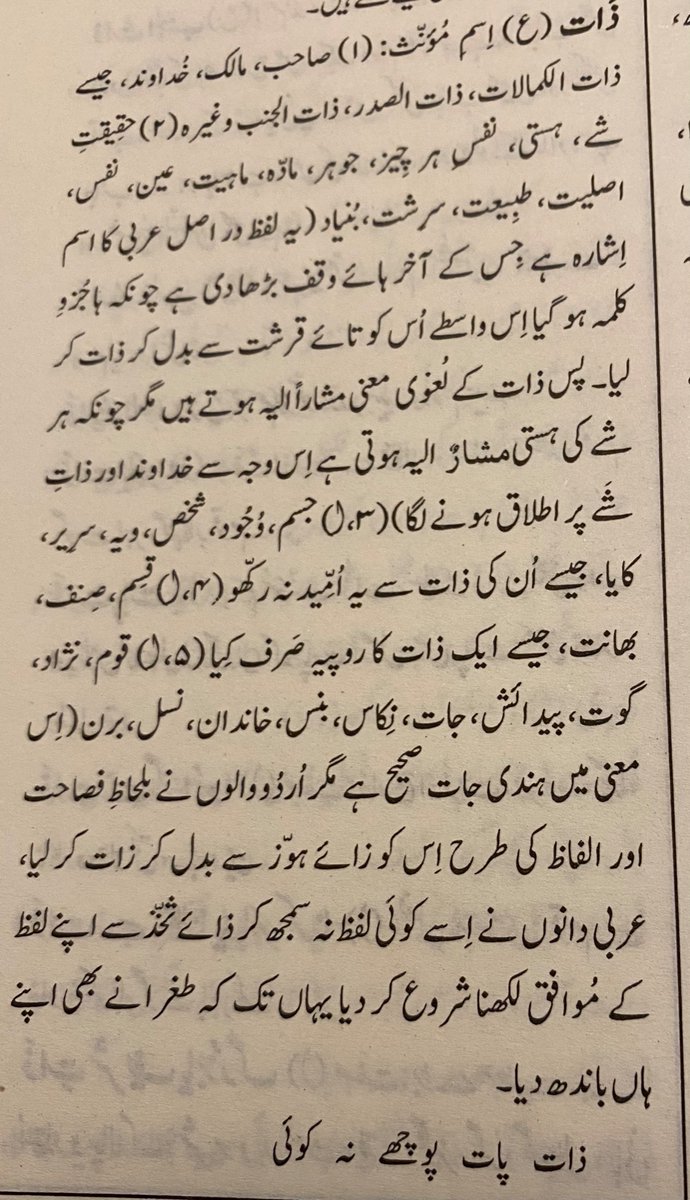
The #Urdu word zaat ذات “caste” as in zaat-paat ذات پات “caste system” is related to the #Sanskrit word jaati जाति “birth, origin, rank, caste.”
There is another word zaat ذات in Urdu which comes from #Arabic zaat ذات and means self, person, personality, being.
@cobbaltt@rehmaco ہندی کا جات یا جاتی زیادہ صحیح ہے لیکن ذات کا مطلب اب جات ہی ہے اور یہ بہت پرانا ہے۔ یہاں فرہنگ آصفیہ میں جواب ہے :- (۵) نمبر
#جات#ذات
@cobbaltt Why do you think so?
Urdu speakers do use words like
zaat ذات
zaat-paat ذات پات
zaat-biradri ذات برادری
uunchi zaat, neechi zaat etc.
to mean “caste.”
Many Urdu dictionaries also mention it.
There is another word zaat as mentioned in the original tweet.
The #Urdu word zaat ذات “caste” as in zaat-paat ذات پات “caste system” is related to the #Sanskrit word jaati जाति “birth, origin, rank, caste.”
There is another word zaat ذات in Urdu which comes from #Arabic zaat ذات and means self, person, personality, being.
اردو کا لفظ ذات (جیسے ذات پات) یعنی حسب نسب یا ہندوستانی معاشرے کا طبقہ اصل میں سنسکرت زبان کے لفظ جاتی سے آتا ہے جس کے معنی ہیں پیدائش، اصل، نسب، یا درجہ۔
اردو میں ایک اور لفظ ذات ہے جو عربی زبان سے آتا ہے جس کے قریبی معنی ہیں شخصیت۔
Happy #InternationalTranslationDay.
Several volunteers (including me) are attempting to translate the #LongCovid survey, into various languages of the Indian subcontinent.
I need help to do this ASAP!
https://t.co/7ILLVaMo31