Kemarin istriku lagi nyampulin buku sekolah anak-anak, satu per satu sampai malam. Aku cuma sesekali merhatiin. Awalnya biasa aja, sampai mataku berhenti di tumpukan buku si bungsu.
Semua bukunya baru, padahal sebenarnya masih bisa pakai buku bekas kakaknya. Mereka sekolah di tempat yang sama, jadi bukunya juga sama. Di kepalaku langsung muncul pikiran yang dari dulu selalu kupegang: kalau barangnya masih bagus, ngapain beli baru?
Belum sempat aku ngomong, istriku langsung bilang, "Jangan cuma karena dia anak kedua, dia harus terus pakai barang bekas kakaknya."
Aku langsung terdiam. Saat itu baru sadar, mungkin yang bakal diingat anak bukan harga atau kondisi bukunya. Tapi perasaan apakah dia juga dianggap sama berharganya, atau cuma selalu kebagian sisa dari kakaknya.
I was sitting in a barber shop when a father brought in his son for a haircut.
The kid couldn't have been older than 9.
While the barber was cutting his hair, the little boy asked:
"Dad... how do you know if someone loves you?"
The whole shop got quiet.
His dad smiled and said,
"They make time for you."
The barber stopped cutting for a second.
Then the little boy asked,
"So... if someone always says they're too busy, does that mean they don't love you?"
His dad sat there for a few seconds before answering.
Then he said,
"No."
"It means they're showing you where you are on their list."
Nobody spoke after that.
The barber finished the haircut in silence.
I've thought about that conversation more times than I'd like to admit.
Because I think a lot of us keep confusing someone's excuses with their priorities.
kalau kamu dibesarkan sama ibu yang emosinya meledak-ledak + ayah yang suka lepas tangan, besar kemungkinan sekarang kamu jadi orang dewasa yang super peka
kamu bisa baca mood orang cuma dari:
• cara dia nutup pintu
• jeda 2 detik sebelum jawab
• nada “iya” yang sebenernya bukan iya
bukan karena kamu over sensitive, tapi karena dulu reading the room itu literally soal survival.
salah baca = langsung kena marah
telat nangkep = jadi pemicu ledakan
otakmu terlatih banget buat baca vibe orang di sekitar, sekarang udah dewasa, tapi skill itu masih nyala 24/7.
“kami mau melapor ke polisi, polisi punya dapur sppg, kami mau melapor ke TNI, TNI punya dapur sppg, kami mau melapor ke DPR, DPR pun punya dapur sppg. jadi ini jalan terakhir kami untuk mengadu, kepada konstitusilah kami berharap”
—ucap seorang guru, pendidik anak bangsa. ironi.
The most darkly funny aspect of this video is that Ivanka Trump speaks as if she went on some profound, prolonged spiritual and philosophical journey to ascertain the meaning of life, and concluded that the most elevated human state is to live on a gigantic private island in the Mediterranean, in a sprawling mansion paid for with the billions of dollars given to her husband by the Saudis and Emiratis to ensure favorable treatment by him and by her dad in their exercise of the powers of the American Presidency. Real uplifting stuff. 🙏
Chamo isso de Dilema do Cadeado: se Deus me protege e me ama, por que trancar o portão? Por que vidro blindado no papamóvel? Eu não estaria desconfiando de Deus ao me proteger? Há uma resposta simples e outra complexa sobre isso.
A simples está na Escritura: Não tentarás o Senhor teu Deus. Quando você percebe a possibilidade de perigo e mesmo assim a ignora sem motivo apenas para provocar a proteção divina, você cai na tentação que o diabo apresentou a Cristo, de se jogar do templo para que os anjos o segurassem. E Cristo responde: "Não tentarás o teu Deus".
A complexa está no final do comentário aos analíticos posteriores de Aristóteles feito por São Tomás de Aquino: quem abdica da razão perde o direito à boa providência. Se Deus te dá uma faculdade, é para que você a exerça. Se sua razão consegue conceber a possibilidade real de perigo, então está nas suas mãos te proteger quanto a isso. Se você abdica da razão, abdica do dom de Deus, e portanto de sua proteção. Mas que proteção, já que me protejo?
A proteção quanto às coisas que você não pode lidar. Por isso Paulo diz que Deus não permite tentações que não podemos vencer, ou seja, permitindo as que podemos vencer, pois estamos aqui para agir; mas quanto àquelas coisas que não podemos controlar ou até mesmo perceber, é aí que a providência de Deus sempre nos custodia conforme seus desígnios, e isto se usarmos nossa razão para nos protegermos daquilo que conseguimos conceber.
Resumindo: tranque seu portão.
A British biologist looked at 200,000 years of human history and found that the entire reason humans broke out of poverty was not intelligence, not language, not even agriculture, but one mechanism so simple a 6-year-old could explain it.
His name is Matt Ridley.
He is a zoologist by training, an evolutionary biologist by career, and in 2010 he wrote a book called The Rational Optimist that quietly argued the most important fact about human progress had been hiding in plain sight for the entire history of economics.
Naval Ravikant has been telling people to read everything Ridley has ever written for the last 15 years. The reason is the argument inside this one book.
For 200,000 years, anatomically modern humans walked around with the same brain you have right now. Same skull size. Same neural architecture. Same raw capacity for language, planning, and abstract thought.
For roughly 190,000 of those years, almost nothing happened. Generation after generation lived and died inside the same Stone Age toolkit their great-great-grandparents had used. Then somewhere around 50,000 years ago, the line on the chart of human progress started to tick upward. Then it bent. Then it exploded.
The question Ridley spent years on was the only question that mattered. What changed.
It was not the brain. The brain had been the same for 190,000 years. It was not language, which had existed long before the takeoff. It was not even agriculture, which arrived only 10,000 years ago and was actually preceded by the upward bend, not the cause of it.
What changed was that humans started trading with strangers.
This sounds too small to be the answer. Ridley argues that it is the answer to almost everything. The moment one human exchanged a useful object with another human from a different group, something happened that no other species on earth had ever done.
Two ideas that had developed in isolation came into contact. The flint knapper learned what the spear maker had figured out. The fisherman from the coast learned what the hunter from the forest had figured out. The two pieces of knowledge fused into something neither side could have produced alone.
Ridley calls this ideas having sex. The phrase sounds frivolous and it is meant to. The point is that ideas, like genes, get better when they combine with other ideas from different lineages.
An idea sitting inside one head, no matter how brilliant the head, eventually hits a ceiling. The same idea exposed to ten thousand other ideas does something genes do under sexual reproduction. It mixes. It recombines. It produces offspring nobody planned.
The cleanest proof of this argument is the most uncomfortable case study in the book. Tasmania.
Around 10,000 years ago, rising sea levels cut Tasmania off from mainland Australia. A population of roughly 4,000 humans was now isolated on an island, with no possibility of contact with the rest of humanity. They had the same brains. The same language. The same starting toolkit as their cousins 150 kilometers north. The natural experiment was now running.
What happened next is something no economist or geneticist had ever predicted.
The mainland Australians kept inventing. Boomerangs. Spear-throwers. Fishing nets. Bone needles for sewing fitted clothes. Watercraft with paddles. Their technology compounded slowly across the centuries.
The Tasmanians went the other way. They did not just fail to invent the new tools their cousins were developing. They started losing the tools they already had. Fishing was abandoned within a few thousand years. Bone tools disappeared. Fitted clothing disappeared. They forgot how to make fire from scratch and started carrying lit firebrands from camp to camp instead, relighting their fires from a neighbor's whenever their own went out.
By the time European explorers arrived in the 17th century, the Tasmanians had the simplest toolkit of any human society ever recorded. Their material culture had gone backward for 8,000 years.
The archaeologist Rhys Jones called it a slow strangulation of the mind.
Joseph Henrich at Harvard later proved with formal mathematical models that there was nothing wrong with Tasmanian brains. There was something wrong with their network. A toolkit requires a critical mass of people exchanging skills to maintain itself.
The act of teaching a skill is imperfect. Every generation loses a small percentage of what the last generation knew. If your population is large enough and trading widely enough, those losses get caught and corrected by someone else who still remembers.
If your population shrinks below a certain threshold and stops mixing with outsiders, the small losses compound until entire technologies disappear.
This is the part that should haunt anyone reading this in 2026.
Intelligence is not a property of the individual brain. Intelligence is a property of the network the brain is connected to. A genius in isolation will produce less than a mediocre thinker inside a dense exchange of other mediocre thinkers.
The thing your ancestors needed in order to break out of 190,000 years of stagnation was not better brains. It was better connections between brains they already had.
The implication for any individual is direct and uncomfortable. If you are smart and isolated, you will be outproduced by people half as smart who are connected.
The most successful people in any field are almost never the smartest people in it. They are the ones positioned at the intersection of the most idea flows. They are reading more authors than their competitors. They are talking to more people from more disciplines. They are in the rooms where ideas from different lineages bump into each other.
Ridley ends the book on the line that sounds optimistic but is actually a warning its this "The future will be invented by people who connect ideas, not by people who guard them."
i used to work with a woman who everybody adored.
she had one of those soft, reassuring voices that made people immediately trust her.
brought banana bread into the office.
remembered details about everyone’s lives.
sent “hope your dog is okay!!” messages if somebody mentioned a vet appointment three weeks earlier.
if you’d asked me back then who the kindest person in the office was, i probably would’ve said her without hesitation.
which is exactly why it took me forever to notice what was happening.
the first few times felt so small i barely registered them.
i’d be halfway through telling a story at lunch and she’d interrupt with:
“sorry wait, i’m confused already.”
and suddenly instead of telling the story i’d be explaining the story.
or i’d answer something in a meeting and she’d tilt her head a little and go:
“hm. are you sure?”
like she was helping me avoid embarrassing myself.
and the horrible part is that it worked.
i started editing myself before i spoke.
double-checking things i already knew.
talking faster whenever somebody questioned me because i felt like i had to defend my own sentences before they were even finished.
the weirdest part was nobody else seemed to notice because technically she wasn’t doing anything wrong.
there was never a moment dramatic enough to point at.
it was death by paper cuts.
then one afternoon i was explaining something to a group and she did the usual:
“wait sorry, that doesn’t make sense to me.”
and another coworker immediately went:
“no, it makes sense. you do this to her constantly.”
the room went dead quiet.
i don’t even remember what happened after that because all i could think was:
oh my god. i’m not crazy.
and honestly i think that’s why subtle people can mess with your head so badly.
if somebody openly humiliates you, your brain knows to protect itself.
but when somebody slowly teaches you to distrust your own voice, you end up helping them do the damage.
bro to bro: if you like skinnier girls, get yourself a skinny girl. if you like thicker girls, get yourself a thick girl. if you like fitness girls, get yourself a fit girl. you are entitled to your own preferences.
but what you are not going to do bro, is date a girl who is not your type and make her feel inferior to other girls.
Let me trace the timeline here because nobody's connecting it.
Step 1: Scrape the entire internet. Every book, every article, every conversation, every piece of art, every forum post. Do it without asking. Do it without paying.
Step 2: Train a model on all of it. Call it "artificial intelligence."
Step 3: Go to BlackRock's Infrastructure Summit and announce: "We see a future where intelligence is a utility, like electricity or water, and people buy it from us on a meter."
Step 3 is where you sell people's own knowledge back to them. On a meter.
They took the collective output of human thought, compressed it into a model, and now they want to charge you by the token to access a version of what you and everyone you know already created.
One Reddit user put it perfectly: "They stole all this data from us, the people, our life's work, creativity, art, by devouring the internet and blowing through all copyright laws. Now they want to sell it back to us in the form of a utility."
Imagine if someone photocopied every book in the public library, burned the library down, and then opened a subscription service for the copies.
That's the metered intelligence business model.
And they're pitching it to infrastructure investors as though they invented water.
Yang lagi ramai gaes...
Calon Paskibraka di Sulawesi Selatan Cathlyn (Chindo) kena diskualifikasi karena dianggap
nggak bisa bahasa daerah...
Tapi yg bikin netizen marah, penggantinya datang antah berantah, Cathlyn ini rangking 3, seharusnya penggantinya dari urutan di bawahnya..
Sedangkan ini yg gantiin (hijab) dari rangking diluar 10 besar... Ayo netizen kerja, ini anaknya siapa kebelet mau jadi Paskibraka...
cc:threadutasdigi
I'm going to try to watch this film, because the Indonesian gov't is lying about what's happening to the Papuan people. For years the Indigenous people of West Papua, Sumatra and other regional islands have been protesting against land theft for colonial agricultural expansion.
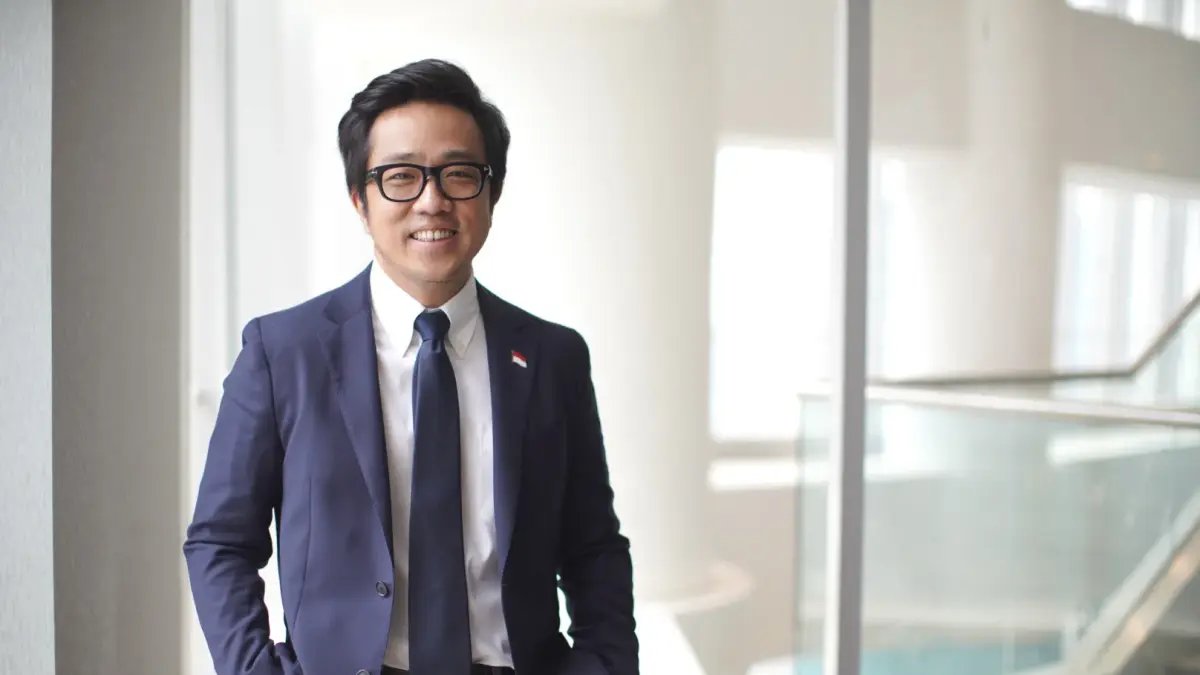
Meet Nicko Widjaja.
Dia punya semua alasan untuk tidak pulang.
Dia tinggal lebih dari 10 tahun di Amerika, Oregon State, Dominican University, dia kerja di tempat dimana semua uang mengalir di sana yaitu Silicon Valley.
Tapi dia lebih memilih pulang ke Indonesia pada tahun 2003 alih-alih stay di Amerika.
Bukan karena tidak dapat kerja di sana. Tapi karena dia lihat sesuatu yang orang lain tidak lihat waktu itu, Indonesia butuh orang yang mau masuk dan bangun dari dalam.
Karir pertamanya di Indofood. Perusahaan mie instan. Jauh banget dari Silicon Valley.
Tapi dari sana dia mulai susun visinya.
- 2010 dia diriin salah satu venture fund pertama di Indonesia yaitu Systec Ventures senilai $10 juta namun gagal.
- 2014 dia bangun MDI Ventures dari nol buat Telkom dan dalam lima tahun berhasil menjadikannya salah satu VC paling profitable di Asia Tenggara dengan tiga unicorn, dua IPO internasional, dan tujuh exits.
- 2019 BRI minta dia bangun BRI Ventures dan hasilnya sama, dua unicorn, satu IPO di IDX, dan $250 juta dikelola.
Dan di tengah semua itu, dia pilih invest ke TaniHub.
Startup agritech yang mau bantu petani Indonesia jual hasil panen langsung ke pembeli. Bukan ke tengkulak. Bukan lewat rantai distribusi panjang yang makan margin mereka.
Orang yang tinggalkan Silicon Valley demi Indonesia, invest ke startup yang mau bantu petani.
Kalian bisa bayangkan kenapa dia tertarik.
TaniHub bangkrut 2022.
Dan September 2025 Nicko ditahan. Jaksa sebut investasi $5 juta ke TaniHub itu korupsi. Padahal semua prosedur sudah dijalankan, due diligence, rapat direksi, komite berlapis, tidak ada yang dilewati.
Startupnya gagal. Dan kegagalan itu sekarang dianggap kejahatan.
21 Mei 2026, jaksa tuntut 11 tahun penjara.
Dari dalam rutan, dia tulis surat tangan:
"Tidak ada penyalahgunaan wewenang. Tidak ada konflik kepentingan. Tidak ada kickback, tidak ada keuntungan pribadi, tidak ada niat jahat."
Gue tidak tahu dia bersalah atau tidak. Itu urusan hakim.
Tapi coba bayangkan sebentar.
Orang yang punya pilihan tinggal di Silicon Valley, memilih pulang. Orang yang sudah gagal sekali dengan dana $10 juta, tidak menyerah dan balik lagi. Orang yang bisa invest ke startup tech yang aman dan menguntungkan, memilih invest ke startup yang mau bantu petani.
Setiap keputusan dalam hidupnya menunjuk ke satu arah yang sama, dia mau bangun Indonesia dari dalam.
Dan sekarang dia duduk di Rutan Cipinang, dituntut 11 tahun, gara-gara satu investasi yang gagal, yang semua prosedurnya sudah dijalankan, yang tidak ada satu sen pun masuk ke kantong pribadinya.
Di negeri yang katanya butuh lebih banyak orang seperti dia.😔🙏
Gaji PNS tahun 1990:
Rp 240.000
Setara: 10,9 gram emas
(harga emas waktu itu Rp 22.000 per gram)
Gaji PNS tahun 2026:
Rp 2.785.700
Setara: 1 gram emas
(harga emas sekarang Rp 2.795.000 per gram)
Dalam 36 tahun, gaji PNS nominal naik 11,6x lipat.
Tapi nilai sebenarnya (dalam emas)? Turun 10x lipat.
Ini bukan kebetulan. Ini design.
HR: We lost another senior employee today.
CEO: What happened?
HR: He resigned after receiving an external offer.
CEO: That makes no sense. We could have matched it.
HR: That is the issue. We were willing to pay a stranger 70% more for the same role, but would not give our existing employee even a 20% raise.
CEO: External hiring is different. That is market pricing.
HR: He noticed that too.
CEO: We appreciated his loyalty. He had been here for years.
HR: Yes. And during those years, he consistently exceeded expectations while being told to “wait for the next review cycle.”
CEO: But budgets are complicated for internal employees.
HR: Apparently not for external candidates. The new hire budget was approved in three days. His raise request sat for eight months.
CEO: We had to stay competitive in the hiring market.
HR: He was part of that same market. The only difference is that another company valued him before we did.
CEO: So he left over salary?
HR: Not just salary. He left because he realized loyalty was being rewarded less than leaving.
CEO: That is unfortunate.
HR: Yes. Companies will sometimes trust a candidate after a 45-minute interview more than an employee who already proved themselves for five years.
CEO: So what are you saying?
HR: If companies only recognize employee value after a resignation letter appears, then eventually employees will stop waiting to be appreciated internally.
Sometimes the fastest way for an employee to get market value is to stop being your employee.
Lucu banget emang negara kita. Statusnya doang raja sawit dunia, tapi pas ada ilmuwan jenius asli ITB mau neliti kode genetik sawit malah dicuekin. Ujung-ujungnya riset dia dibayarin Malaysia sama Amerika, dan sekarang hak patennya malah dipegang tetangga sebelah.
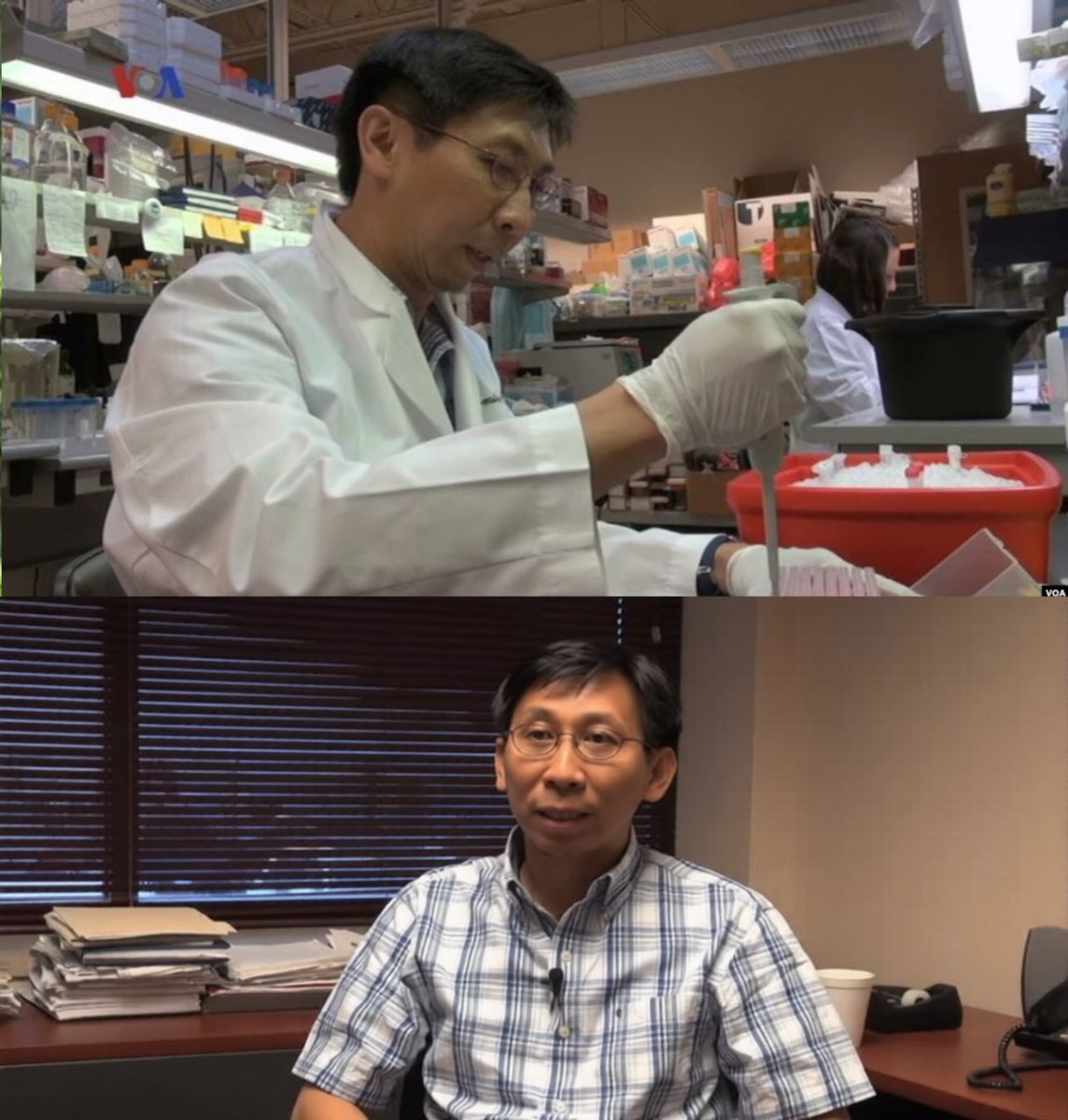
Nama ilmuwannya Dr. Muhammad Arief Budiman. Dulu pemerintah kita gak punya visi sama sekali buat ngedanain riset DNA sawit. Karena keahliannya gak difasilitasi di negeri sendiri, si pak dokter akhirnya merantau ke Amerika buat lanjutin riset raksasa ini.
Pas tahun 2013, dia beneran sukses memetakan seluruh kode genetik kelapa sawit yang berharga mahal banget itu. Tapi ya gitu, karena modal risetnya dari kantong pemerintah Malaysia dan perusahaan Amerika, keuntungan mutlak dari penemuan maha karya ini ya gak lari ke Indonesia.
Bener-bener definisi punya aset emas tapi yang pinter malah numpang digaji di rumah tetangga karena di rumah sendiri cuma disuruh sabar dan ikhlas. Giliran udah sukses di luar negeri, baru deh nanti akun jurnalis pada sibuk bikin judul "Bangga! Anak Bangsa Mengharumkan Nama Dunia". Pret lah wkwk.
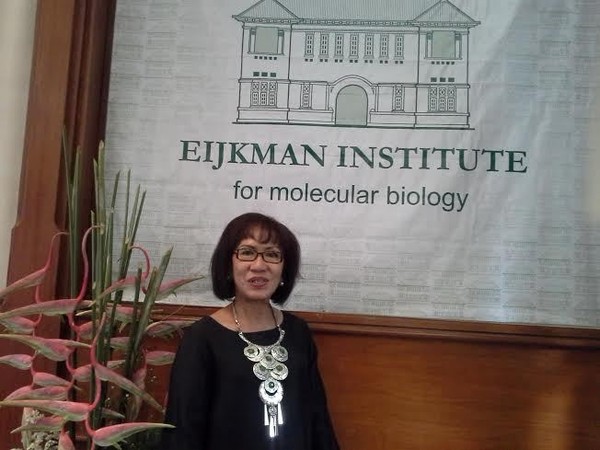
Profesor Herawati Sudoyo, Pahlawan Bom Bali yang "dikalahkan" oleh tembok birokrasi negara sendiri. Lo bayangin, kepolisian dunia aja hormat sama beliau karena sukses bongkar identitas pelaku Bom Bali cuma dari serpihan DNA. Tapi pas di negaranya sendiri, nasib beliau dan timnya malah berakhir ngenes gara-gara urusan administratif.
Namanya Prof. Herawati Sudoyo, salah satu otak paling cerdas di Lembaga Eijkman. Pas kejadian Bom Bali 2002, beliau dan timnya kerja gila-gilaan buat identifikasi pelaku lewat sisa-sisa DNA di lokasi ledakan. Berkat beliau, kasus-kasus terorisme besar bisa terungkap secara ilmiah.
Di tangan beliau, Lembaga Eijkman jadi markas riset genetika paling bergengsi di dunia. Bukan kaleng-kaleng, ilmuwan luar negeri aja segan sama riset mereka. Tapi ya gitu, musuh terberat orang pinter di sini bukan virus, tapi birokrasi.
Plot twist paling pahitnya terjadi awal 2022. Lembaga bersejarah ini dibubarin dan dilebur secara paksa ke instansi riset baru. Alhasil? Ratusan ilmuwan dan peneliti elit dipecat massal dalam semalam cuma karena mereka bukan PNS.
Bayangin, orang-orang yang udah ngabdi puluhan tahun demi kemajuan sains Indonesia, disuruh angkat kaki cuma karena masalah dokumen status pegawai. Dr. Herawati dan timnya harus ninggalin laboratorium tempat mereka nyetak sejarah internasional.
Ini jadi bukti nyata kalau di sini, "surat sakti" birokrasi kadang lebih berkuasa daripada otak jenius yang diakuin dunia. Padahal kita butuh lebih banyak orang kayak mereka, bukan malah bikin mereka "patah hati" sama negaranya sendiri.
Respek buat Prof. Herawati dan para ilmuwan Eijkman. Mereka udah kasih yang terbaik buat Indonesia, meskipun akhirnya harus "menelan luka" gara-gara sistem yang kaku. Pahlawan sains yang sebenernya.🫡✨
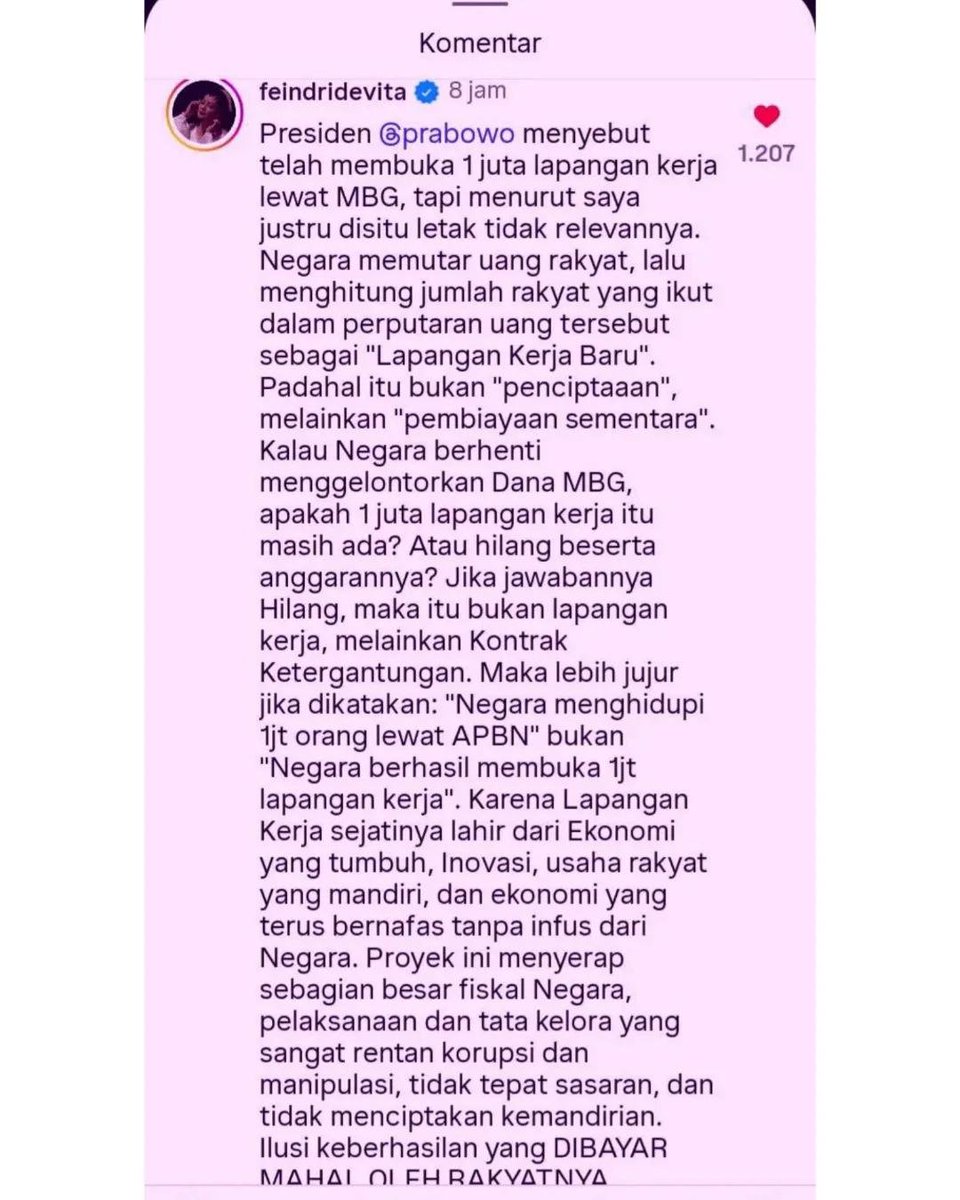
Ini adalah komen yang sangat cerdas soal MBG.
Kalo cerdas pasti paham
Mbg buka lapangan kerja?
Nope
Hanya menciptakan kontrak kerja,
Yg saat mbg dihentikan, di detik itu jg ngk ada pekerjaan
Mikiirrr