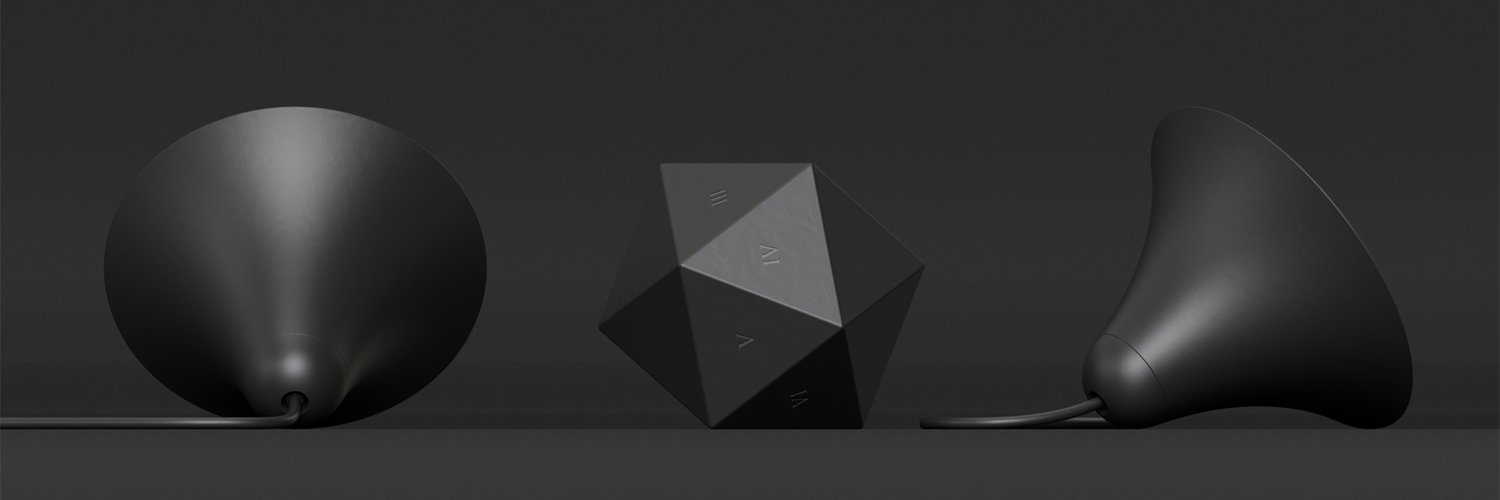
I created a web-based simulator for RELAXSYNC, a 20-sided smart remote concept.
Roll it to switch genres, and twist it to browse through programs.
Try the interactive prototype:
https://t.co/InhOfffs5Y
Post 4 — More than a TV remote
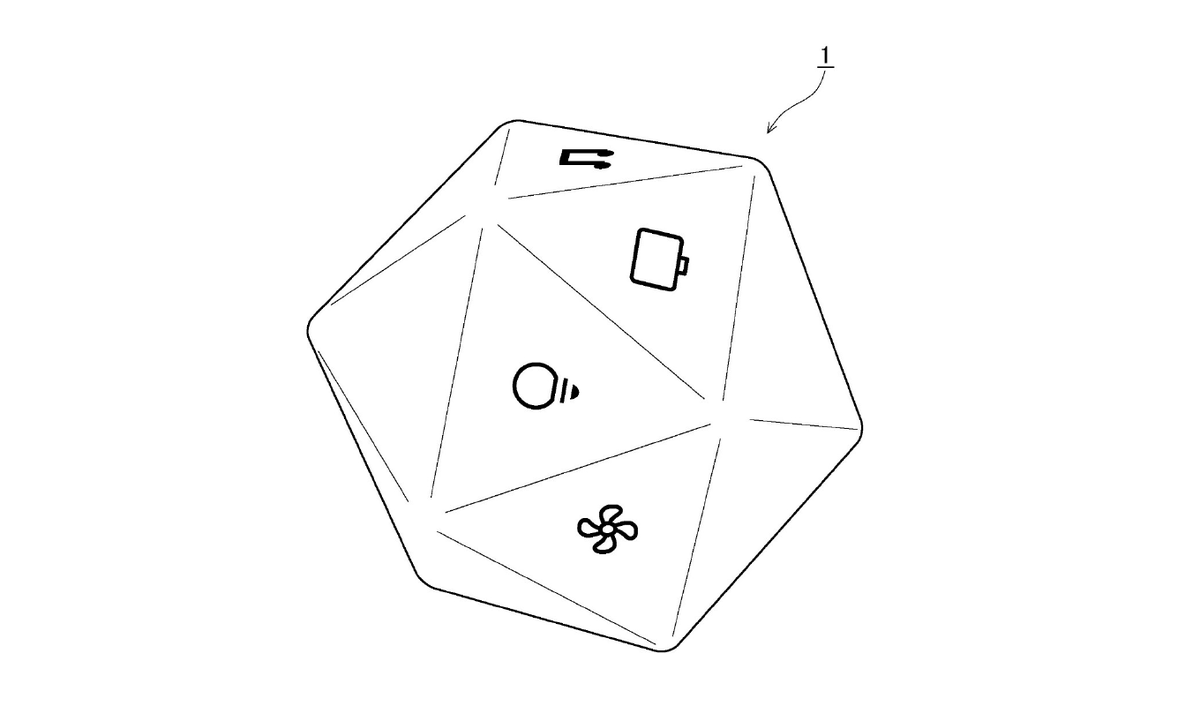
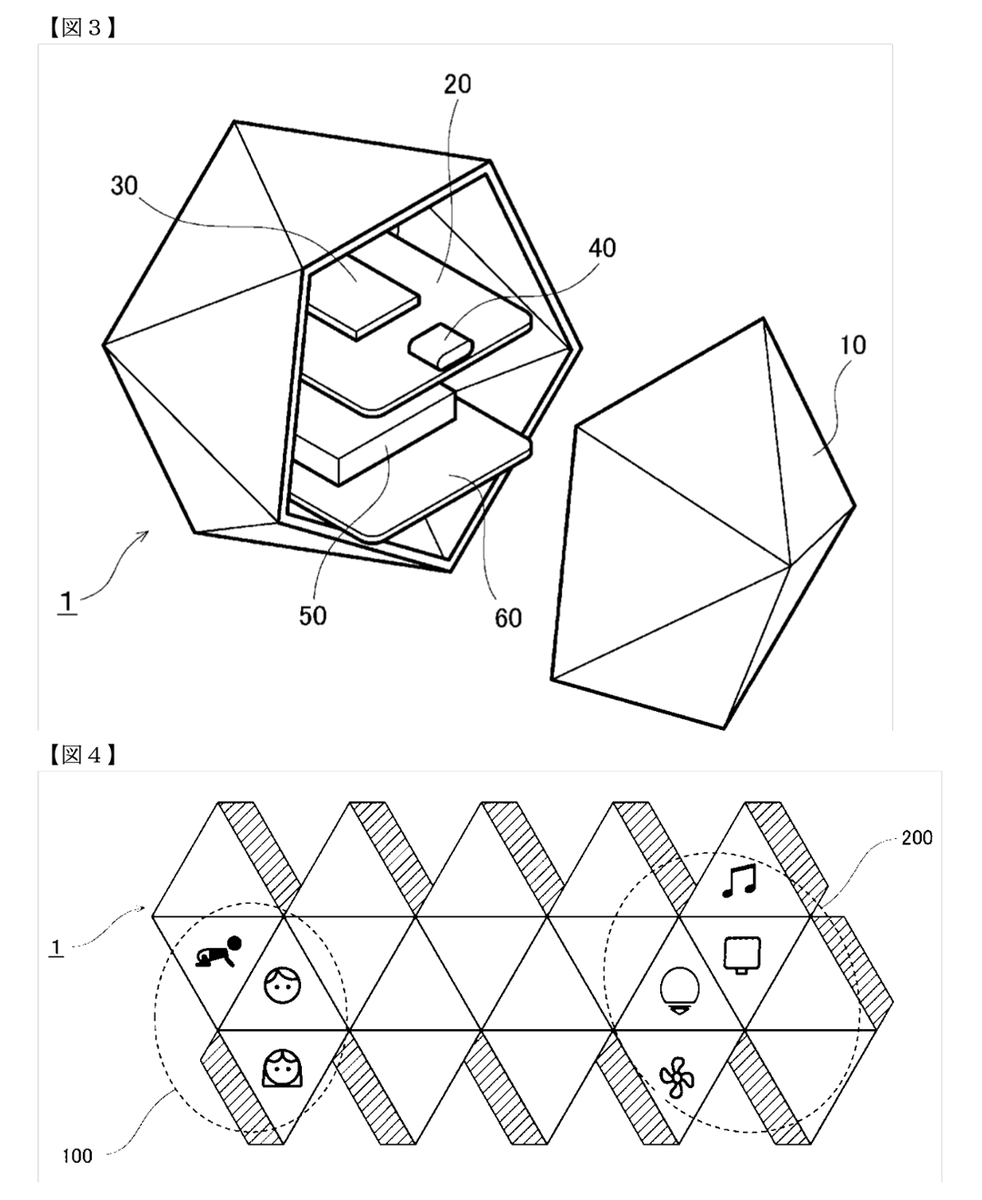
Although the examples include TV and streaming, the patent isn't limited to media.
The same interaction model can control lighting, air conditioning, audio systems, and other connected devices.
One physical interface.
Many devices.
A consistent interaction model.
Patent ↓
https://t.co/Cr9oPEbneH
CA:
CMzyoxDV97ArVsRMcPFc3EL3nqnECT1VxbKLYuqEory
Phantom plans to end its support for Monad network on August 26th.
We’ll soon begin notifying Monad users in-app with links to support articles that share options to move or swap their Monad-native assets.
Rotation becomes navigation
Another part of the patent focuses on rotation.
Once a face is selected, rotating the controller can navigate related content or trigger secondary functions.
Instead of opening more menus, interaction happens through simple physical movement.
The goal is to make navigation feel more natural.
Patent ↓
https://t.co/Cr9oPEbV4f
CA:
CMzyoxDV97ArVsRMcPFc3EL3nqnECT1VxbKLYuqEory
I'm honored to be featured by SAMPLING MAGAZINE.
The interview covers my design process, thoughts on product development, and some of the ideas behind RelaxSync.
A Japanese article, but I hope it gives more context to what I'm building.
https://t.co/BN98hfdzvI
One recommendation engine across services
Today's streaming experience is fragmented.
This patent explores a different idea:
Instead of searching each platform separately, the remote analyzes viewing history and recommends content across multiple streaming services through a single interaction.
The remote becomes an interface to your interests—not to individual apps.
Patent ↓
https://t.co/Cr9oPEbV4f
CA:
CMzyoxDV97ArVsRMcPFc3EL3nqnECT1VxbKLYuqEory
AI learns each user's preferences
My latest patent application is now public.
One idea I'm particularly excited about is giving each face of the controller its own user profile.
Place a specific face upward, and the system identifies the user, learns from viewing history, and recommends content that matches their preferences across multiple streaming services.
A remote that adapts to people—not the other way around.
Patent
https://t.co/Cr9oPEbV4f
CA:
CMzyoxDV97ArVsRMcPFc3EL3nqnECT1VxbKLYuqEory
A milestone for RelaxSync.
The Japanese patent application (JP-2024-195933) is now publicly available. This is one step toward building a new interaction platform for home devices.
Patent: https://t.co/ZMv6PbBlF5
A milestone for RelaxSync.
The Japanese patent application (JP-2024-195933) is now publicly available.
This is one step toward building a new interaction platform for home devices.
Patent: https://t.co/Cr9oPEbV4f
Follow the project on Orynth.
CA: CMzyoxDV97ArVsRMcPFc3EL3nqnECT1VxbKLYuqEory
Relxsync is also supported by its token on Orynth.
The project is still evolving, and I’ll continue using the physical prototype, ProtoPie, and web simulation to refine the UX.
CA: CMzyoxDV97ArVsRMcPFc3EL3nqnECT1VxbKLYuqEory
Alongside the physical prototype and web simulation, I’ve also built a ProtoPie prototype to explore the interaction in more detail.
From here, I’ll combine what I’ve learned from all three and continue refining the UX of Relaxsync Remote.
https://t.co/InhOfffs5Y
Remote Process Log #6 (Retrospective) — ProtoPie UI + Interaction Model
What I built
I created an exhibition UI prototype in ProtoPie to demonstrate how the 20-sided remote controls content selection.
Interaction
・Roll the remote → switch genres
・Twist/rotate the remote → switch programs within a genre
Future direction
Long-term, I want to combine this tactile interaction with AI-based recommendations to create a more natural way to discover content that truly fits the viewer.
Relaxsync started as a physical prototype: a 20-sided remote designed to make browsing feel more intuitive and tactile.
I recently recreated the same interaction as a web prototype, making it easier for anyone to experience the concept.
Physical prototype vs. web simulation:
https://t.co/PpV5oD4Kco
What if changing channels felt more like handling an object than navigating a screen?
I built an interactive web prototype for Relaxsync, a 20-sided remote concept.
Roll it to switch genres. Twist it to browse programs.
Would you use a remote like this?
I created a web-based simulator for RELAXSYNC, a 20-sided smart remote concept.
Roll it to switch genres, and twist it to browse through programs.
Try the interactive prototype:
https://t.co/InhOfffs5Y
A look inside the Relaxsync remote.
Revisiting the prototype that brought together the enclosure, electronics, and battery into a single working device.
Orynth Product Review EP18
MangaNow is a Japan-made AI platform that turns almost anything into manga. Paste text, a URL, a YouTube video, a PDF, or even an audio file, and it generates a finished manga page in about a minute, with panels, dialogue, and artwork. No drawing skills, no software, all in your browser.
What sets it apart: it keeps your characters consistent across 100+ pages, so the same face, hair, and outfit hold from the first page to the last. Plus 21 art styles, 13 templates, one-click publishing, and built-in analytics. Over 46,000 pages have already been made with it.
A real product listed on Orynth with its own token $MGN
In this eighteenth episode, we break down what MangaNow does and why turning a video or a blog post into manga in minutes is genuinely worth seeing.
Daily Update #15 — Early Concept Revisited (2014)
I came across an app concept I designed back in 2014.
It focused on a remote interface based on the act of “turning” TV channels.
Revisiting it made me realize how closely that interaction connects to what I’m building now—and that this kind of tactile control may be closer to a universal human interaction than I initially thought.
Build logs leading up to this: https://t.co/rA1LGOruXI
CA: CMzyoxDV97ArVsRMcPFc3EL3nqnECT1VxbKLYuqEory