𝗜𝗻𝗱𝗶𝗮'𝘀 𝗙𝗶𝗿𝘀𝘁 𝗛𝘆𝗱𝗿𝗼𝗴𝗲𝗻 𝗧𝗿𝗮𝗶𝗻 𝗜𝘀 𝗢𝗻 𝗧𝗿𝗮𝗰𝗸. 𝗔𝗻𝗱 𝗜𝘁'𝘀 𝗕𝗶𝗴𝗴𝗲𝗿 𝗧𝗵𝗮𝗻 𝗔 𝗧𝗿𝗮𝗶𝗻.
India has successfully completed the 𝗳𝗶𝗻𝗮𝗹 𝗵𝗶𝗴𝗵-𝘀𝗽𝗲𝗲𝗱 𝘁𝗿𝗶𝗮𝗹 of its first 𝗵𝘆𝗱𝗿𝗼𝗴𝗲𝗻-𝗽𝗼𝘄𝗲𝗿𝗲𝗱 𝗽𝗮𝘀𝘀𝗲𝗻𝗴𝗲𝗿 𝘁𝗿𝗮𝗶𝗻 on the 𝗝𝗶𝗻𝗱–𝗦𝗼𝗻𝗶𝗽𝗮𝘁 section of Northern Railway.
Powered by hydrogen fuel cells, the train emits only water vapour, making it a significant milestone in India's transition toward cleaner and more sustainable transportation.
This pilot project demonstrates that India is investing not only in expanding its railway network, but also in developing the technologies that could shape the next generation of mobility.
What makes this particularly interesting is the ecosystem it can create.
Hydrogen-powered transport has the potential to accelerate investments in green hydrogen production, storage infrastructure, fuel-cell manufacturing, engineering, and industrial supply chains—creating opportunities far beyond the railway sector.
As India continues investing in clean energy and infrastructure, projects like these could become catalysts for new industrial clusters and long-term economic growth.
Do you believe hydrogen-powered trains will become a mainstream part of India's railway network over the next decade, or will battery-electric technologies dominate instead?
#India #IndianRailways #Hydrogen #GreenHydrogen #CleanEnergy #Infrastructure #Sustainability #Transportation #Mobility #Railways #EnergyTransition #FutureOfMobility #EconomicGrowth
𝗜𝗻𝗱𝗶𝗮 𝗜𝘀𝗻’𝘁 𝗝𝘂𝘀𝘁 𝗕𝘂𝗶𝗹𝗱𝗶𝗻𝗴 𝗗𝗮𝘁𝗮 𝗖𝗲𝗻𝘁𝗿𝗲𝘀. 𝗜𝘁’𝘀 𝗡𝗼𝘄 𝗕𝘂𝗶𝗹𝗱𝗶𝗻𝗴 𝗧𝗵𝗲𝗶𝗿 𝗠𝗲𝗺𝗼𝗿𝘆.
India has taken another important step in its AI infrastructure journey.
Micromax and Taiwan's Phison Electronics have launched MiPhi Semiconductors, a joint venture to manufacture enterprise-grade SSDs in India.
These aren't consumer storage devices.
Enterprise SSDs power AI servers, hyperscale data centres, cloud computing platforms, and mission-critical enterprise infrastructure.
The venture is targeting the $270 billion global NAND memory market and expects to generate ₹1,000 crore in revenue in its first year, with plans to invest another ₹1,000 crore to scale operations.
This is an important shift.
For years, India's semiconductor story focused on assembly and packaging.
Now the conversation is moving toward high-value infrastructure that supports AI, cloud computing, and digital transformation.
As investments flow into AI, data centres, and semiconductor manufacturing, the ripple effects will extend beyond technology—creating demand for industrial parks, logistics infrastructure, advanced manufacturing facilities, power infrastructure, and commercial real estate.
India's AI ecosystem is no longer just about software.
It's increasingly about building the physical infrastructure that powers the digital economy.
Which part of India's AI infrastructure will see the biggest investment over the next five years—data centres, semiconductors, power infrastructure, or advanced manufacturing?
#India #ArtificialIntelligence #Semiconductors #DataCenters #DigitalInfrastructure #Manufacturing #CloudComputing #IndustrialRealEstate #Infrastructure #Investment #MakeInIndia #Technology
𝗜𝗻𝗱𝗶𝗮 𝗜𝘀𝗻’𝘁 𝗝𝘂𝘀𝘁 𝗧𝗿𝗲𝗮𝘁𝗶𝗻𝗴 𝗣𝗮𝘁𝗶𝗲𝗻𝘁𝘀.
𝗜𝘁’𝘀 𝗕𝘂𝗶𝗹𝗱𝗶𝗻𝗴 𝗔 𝗚𝗹𝗼𝗯𝗮𝗹 𝗛𝗲𝗮𝗹𝘁𝗵𝗰𝗮𝗿𝗲 𝗘𝗰𝗼𝗻𝗼𝗺𝘆.
Most people think of healthcare as a social sector.
Investors increasingly see it as an economic sector.
According to a recent report by 𝗔𝗻𝘁𝗶𝗾𝘂𝗲 𝗦𝘁𝗼𝗰𝗸 𝗕𝗿𝗼𝗸𝗶𝗻𝗴:
• 𝗜𝗻𝗱𝗶𝗮 𝗿𝗮𝗻𝗸𝘀 𝟭𝟬𝘁𝗵 in the global Medical Tourism Index.
• The country's 𝗵𝗲𝗮𝗹𝘁𝗵𝗰𝗮𝗿𝗲 𝗱𝗲𝗹𝗶𝘃𝗲𝗿𝘆 𝗺𝗮𝗿𝗸𝗲𝘁 is expected to reach ₹𝟭𝟮 𝘁𝗿𝗶𝗹𝗹𝗶𝗼𝗻 𝗯𝘆 𝗙𝗬𝟯𝟬, growing at a 𝟭𝟬–𝟭𝟮% 𝗖𝗔𝗚𝗥.
• Affordable treatment, world-class doctors and expanding private hospital capacity are attracting more international patients.
But the bigger story isn't medical tourism.
It's the ecosystem developing around it.
As healthcare expands, so does demand for:
• New hospitals and specialty centres
• Medical colleges and research facilities
• Diagnostics and biotechnology
• Pharma manufacturing
• Medical devices
• Hospitality, hotels and serviced apartments
• Commercial real estate around healthcare clusters
Healthcare is quietly becoming one of India's most powerful long-term growth sectors.
The next decade may not just be about Make in India.
It could also be about Heal in India.
𝗗𝗼 𝘆𝗼𝘂 𝘁𝗵𝗶𝗻𝗸 𝗜𝗻𝗱𝗶𝗮 𝗰𝗮𝗻 𝗯𝗲𝗰𝗼𝗺𝗲 𝗼𝗻𝗲 𝗼𝗳 𝘁𝗵𝗲 𝘁𝗼𝗽 𝟱 𝗺𝗲𝗱𝗶𝗰𝗮𝗹 𝘁𝗼𝘂𝗿𝗶𝘀𝗺 𝗱𝗲𝘀𝘁𝗶𝗻𝗮𝘁𝗶𝗼𝗻𝘀 𝗶𝗻 𝘁𝗵𝗲 𝘄𝗼𝗿𝗹𝗱?
#India #Healthcare #MedicalTourism #Hospitals #Investment #EconomicGrowth #CommercialRealEstate #Infrastructure #BusinessIntelligence
𝗔𝗻𝗼𝘁𝗵𝗲𝗿 𝗚𝗹𝗼𝗯𝗮𝗹 𝗖𝗼𝗺𝗽𝗮𝗻𝘆 𝗜𝘀 𝗘𝘅𝗽𝗮𝗻𝗱𝗶𝗻𝗴 𝗜𝘁𝘀 𝗜𝗻𝗱𝗶𝗮 𝗙𝗼𝗼𝘁𝗽𝗿𝗶𝗻𝘁.
𝗧𝗵𝗶𝘀 𝘁𝗶𝗺𝗲, 𝗶𝘁'𝘀 𝗖𝗼𝗻𝘀𝗶𝗹𝗶𝗼.
US-based legal technology and enterprise legal transformation company Consilio has inaugurated a new office in Gurugram, reinforcing its long-term commitment to India.
𝗧𝗵𝗲 𝗻𝗲𝘄 𝗳𝗮𝗰𝗶𝗹𝗶𝘁𝘆:
🏢 Replaces the company's previous Gurugram office.
🌍 Supports global delivery operations for multinational corporations and leading law firms.
👥 Accommodates a significant portion of Consilio's growing India workforce.
🤖 Builds on the company's AI-focused innovation journey, following the launch of its Taara Innovation Centre in Bengaluru.
Today, Consilio employs 900+ professionals across Gurugram, Bengaluru, Hyderabad, and Pune, supporting legal technology, eDiscovery, legal advisory, and enterprise transformation worldwide.
This is another reminder that India's GCC story is expanding beyond traditional software engineering.
Legal technology, AI, compliance, cybersecurity, financial services, healthcare, engineering, and enterprise consulting are all choosing India to build strategic global capabilities.
Every new global office strengthens the demand for premium commercial real estate, creates high-value employment, and reinforces India's position as a preferred destination for knowledge-intensive work.
The GCC wave is no longer just about cost efficiency.
𝗜𝘁'𝘀 𝗮𝗯𝗼𝘂𝘁 𝗶𝗻𝗻𝗼𝘃𝗮𝘁𝗶𝗼𝗻, 𝘁𝗮𝗹𝗲𝗻𝘁, 𝗮𝗻𝗱 𝗴𝗹𝗼𝗯𝗮𝗹 𝗯𝘂𝘀𝗶𝗻𝗲𝘀𝘀 𝗹𝗲𝗮𝗱𝗲𝗿𝘀𝗵𝗶𝗽.
Which emerging GCC sector do you think will see the fastest growth in India over the next five years—LegalTech, AI, FinTech, Healthcare, or DeepTech?
#India #GCC #GlobalCapabilityCenters #Consilio #Gurugram #CommercialRealEstate #OfficeMarket #EnterpriseAI #LegalTech #BusinessGrowth #IndiaGrowth #Investment
𝗣𝗲𝗴𝗮𝘀𝘆𝘀𝘁𝗲𝗺𝘀 𝗜𝘀𝗻’𝘁 𝗝𝘂𝘀𝘁 𝗘𝘅𝗽𝗮𝗻𝗱𝗶𝗻𝗴 𝗜𝘁𝘀 𝗢𝗳𝗳𝗶𝗰𝗲.
𝗜𝘁’𝘀 𝗘𝘅𝗽𝗮𝗻𝗱𝗶𝗻𝗴 𝗜𝘁𝘀 𝗕𝗲𝘁 𝗼𝗻 𝗜𝗻𝗱𝗶𝗮.
Pegasystems has inaugurated a ₹60 crore office in Bengaluru, marking its largest expansion in India since entering the country.
𝗧𝗵𝗲 𝗻𝗲𝘄 𝗳𝗮𝗰𝗶𝗹𝗶𝘁𝘆 𝗶𝗻𝗰𝗹𝘂𝗱𝗲𝘀:
📍 A campus 1.5× larger than its previous Bengaluru office.
👥 Space for 350 professionals.
🤖 Dedicated capabilities for Enterprise AI, Engineering, Client Engagement, and Business Development.
🌏 Support for customers across Asia-Pacific and global markets.
🏢 An Executive Briefing Centre showcasing Pega's latest AI and automation innovations.
This announcement is about far more than a new office.
Every global technology company that expands its engineering footprint in India reinforces one long-term trend:
𝗜𝗻𝗱𝗶𝗮 𝗶𝘀 𝗲𝘃𝗼𝗹𝘃𝗶𝗻𝗴 𝗳𝗿𝗼𝗺 𝗮 𝗰𝗼𝘀𝘁-𝗮𝗱𝘃𝗮𝗻𝘁𝗮𝗴𝗲 𝗱𝗲𝘀𝘁𝗶𝗻𝗮𝘁𝗶𝗼𝗻 𝘁𝗼 𝗮 𝗴𝗹𝗼𝗯𝗮𝗹 𝗶𝗻𝗻𝗼𝘃𝗮𝘁𝗶𝗼𝗻 𝗮𝗻𝗱 𝗔𝗜 𝗵𝘂𝗯.
These investments create high-value jobs, strengthen the office market, attract supporting businesses, and increase long-term demand for commercial real estate.
For investors, office expansions like this are often early indicators of sustained economic growth rather than isolated corporate announcements.
Which Indian city do you believe will attract the next wave of global AI and technology investments—Bengaluru, Hyderabad, Pune, Chennai, or another emerging hub?
#India #Bengaluru #Pegasystems #EnterpriseAI #CommercialRealEstate #OfficeSpace #GlobalCapabilityCenters #GCC #Technology #BusinessGrowth #Investment #IndiaGrowth
Hero MotoCorp and WeWork have signed separate long-term lease agreements at Bharti Real Estate's Worldmark in Delhi Aerocity, with a combined rental commitment of approximately ₹𝟵𝟮𝟮 𝗰𝗿𝗼𝗿𝗲.
That isn't a short-term experiment.
It's a long-term commitment.
More importantly, it reflects something bigger than a leasing transaction.
It highlights how companies are becoming far more selective about where they want to operate.
They're not looking for just any office.
They're looking for locations that attract talent, offer world-class connectivity, premium amenities, and create a workplace employees actually want to come to.
The future of office real estate may not be more offices.
It may be better offices.
Premium business districts with strong infrastructure, airports, metro connectivity, hotels, retail, and vibrant ecosystems are likely to capture a larger share of corporate demand.
That's exactly why districts like Delhi Aerocity, BKC, GIFT City, Hyderabad's Financial District, Bengaluru's Outer Ring Road, and Chennai's OMR continue to attract major occupiers.
𝗧𝗵𝗲 𝗯𝗶𝗴𝗴𝗲𝗿 𝗹𝗲𝘀𝘀𝗼𝗻?
𝗛𝘆𝗯𝗿𝗶𝗱 𝘄𝗼𝗿𝗸 𝗱𝗶𝗱𝗻'𝘁 𝗸𝗶𝗹𝗹 𝘁𝗵𝗲 𝗼𝗳𝗳𝗶𝗰𝗲.
𝗜𝘁 𝗿𝗮𝗶𝘀𝗲𝗱 𝘁𝗵𝗲 𝘀𝘁𝗮𝗻𝗱𝗮𝗿𝗱 𝗼𝗳 𝘄𝗵𝗮𝘁 𝗮 𝗴𝗿𝗲𝗮𝘁 𝗼𝗳𝗳𝗶𝗰𝗲 𝗻𝗲𝗲𝗱𝘀 𝘁𝗼 𝗯𝗲.
𝗤𝘂𝗲𝘀𝘁𝗶𝗼𝗻:
𝗗𝗼 𝘆𝗼𝘂 𝘁𝗵𝗶𝗻𝗸 𝗜𝗻𝗱𝗶𝗮'𝘀 𝗻𝗲𝘅𝘁 𝗼𝗳𝗳𝗶𝗰𝗲 𝗯𝗼𝗼𝗺 𝘄𝗶𝗹𝗹 𝗯𝗲 𝗱𝗿𝗶𝘃𝗲𝗻 𝗯𝘆 𝗺𝗼𝗿𝗲 𝘀𝗾𝘂𝗮𝗿𝗲 𝗳𝗲𝗲𝘁, 𝗼𝗿 𝗯𝘆 𝗯𝗲𝘁𝘁𝗲𝗿 𝗹𝗼𝗰𝗮𝘁𝗶𝗼𝗻𝘀 𝗮𝗻𝗱 𝗵𝗶𝗴𝗵𝗲𝗿-𝗾𝘂𝗮𝗹𝗶𝘁𝘆 𝘄𝗼𝗿𝗸𝗽𝗹𝗮𝗰𝗲𝘀?
#CommercialRealEstate #OfficeSpace #WeWork #HeroMotoCorp #DelhiAerocity #GradeAOffices #CorporateRealEstate #IndiaGrowth #BusinessStrategy #Workplace #RealEstate #GCC
𝗠𝘂𝗺𝗯𝗮𝗶'𝘀 𝗖𝗼𝗮𝘀𝘁𝗹𝗶𝗻𝗲 𝗜𝘀𝗻'𝘁 𝗝𝘂𝘀𝘁 𝗖𝗵𝗮𝗻𝗴𝗶𝗻𝗴.
𝗜𝘁'𝘀 𝗕𝗲𝗶𝗻𝗴 𝗥𝗲𝗱𝗲𝘀𝗶𝗴𝗻𝗲𝗱.
The 𝗠𝗮𝗵𝗮𝗿𝗮𝘀𝗵𝘁𝗿𝗮 𝗚𝗼𝘃𝗲𝗿𝗻𝗺𝗲𝗻𝘁 has approved a ₹𝟭,𝟳𝟮𝟮 𝗰𝗿𝗼𝗿𝗲 connector that will link the 𝘂𝗻𝗱𝗲𝗿-𝗰𝗼𝗻𝘀𝘁𝗿𝘂𝗰𝘁𝗶𝗼𝗻 𝗩𝗲𝗿𝘀𝗼𝘃𝗮–𝗕𝗮𝗻𝗱𝗿𝗮 𝗦𝗲𝗮 𝗟𝗶𝗻𝗸 with the 𝗦𝗮𝘃𝗮𝗿𝗸𝗮𝗿 𝗦𝗲𝗮 𝗕𝗿𝗶𝗱𝗴𝗲.
The 𝟯.𝟱𝟱 𝗸𝗺 connector may seem like a small project on paper.
But strategically, it completes another critical link in Mumbai's expanding coastal transport network.
Why does this matter?
Because infrastructure isn't built in isolation.
When major transport corridors connect seamlessly, they unlock:
• 𝗙𝗮𝘀𝘁𝗲𝗿 𝗰𝗼𝗺𝗺𝘂𝘁𝗲𝘀
• 𝗡𝗲𝘄 𝗯𝘂𝘀𝗶𝗻𝗲𝘀𝘀 𝗱𝗶𝘀𝘁𝗿𝗶𝗰𝘁𝘀
• 𝗛𝗶𝗴𝗵𝗲𝗿 𝗰𝗼𝗺𝗺𝗲𝗿𝗰𝗶𝗮𝗹 𝗿𝗲𝗮𝗹 𝗲𝘀𝘁𝗮𝘁𝗲 𝗱𝗲𝗺𝗮𝗻𝗱
• 𝗦𝘁𝗿𝗼𝗻𝗴𝗲𝗿 𝗹𝗼𝗴𝗶𝘀𝘁𝗶𝗰𝘀 𝗰𝗼𝗻𝗻𝗲𝗰𝘁𝗶𝘃𝗶𝘁𝘆
• 𝗡𝗲𝘄 𝗶𝗻𝘃𝗲𝘀𝘁𝗺𝗲𝗻𝘁 𝗼𝗽𝗽𝗼𝗿𝘁𝘂𝗻𝗶𝘁𝗶𝗲𝘀
Mumbai isn't investing in isolated bridges.
It's creating an integrated coastal mobility network that could reshape how people and businesses move across the city for decades.
𝗧𝗵𝗲 𝗯𝗶𝗴𝗴𝗲𝗿 𝘁𝗵𝗲𝗺𝗲 𝗶𝘀 𝗰𝗹𝗲𝗮𝗿.
India's leading cities are no longer expanding only outward.
They're becoming 𝗯𝗲𝘁𝘁𝗲𝗿 𝗰𝗼𝗻𝗻𝗲𝗰𝘁𝗲𝗱, and connectivity is increasingly becoming one of the biggest drivers of economic growth and real estate value.
𝗜𝗳 𝘆𝗼𝘂 𝗵𝗮𝗱 𝘁𝗼 𝗽𝗶𝗰𝗸 𝗼𝗻𝗲 𝗳𝗮𝗰𝘁𝗼𝗿 𝘁𝗵𝗮𝘁 𝗰𝗿𝗲𝗮𝘁𝗲𝘀 𝘁𝗵𝗲 𝗺𝗼𝘀𝘁 𝗹𝗼𝗻𝗴-𝘁𝗲𝗿𝗺 𝗿𝗲𝗮𝗹 𝗲𝘀𝘁𝗮𝘁𝗲 𝘃𝗮𝗹𝘂𝗲—𝗺𝗲𝘁𝗿𝗼𝘀, 𝗲𝘅𝗽𝗿𝗲𝘀𝘀𝘄𝗮𝘆𝘀, 𝗮𝗶𝗿𝗽𝗼𝗿𝘁𝘀 𝗼𝗿 𝘀𝗲𝗮 𝗹𝗶𝗻𝗸𝘀?
#Mumbai #Infrastructure #SeaLink #UrbanDevelopment #CommercialRealEstate #Investment #EconomicGrowth #India #BusinessIntelligence #RealEstate
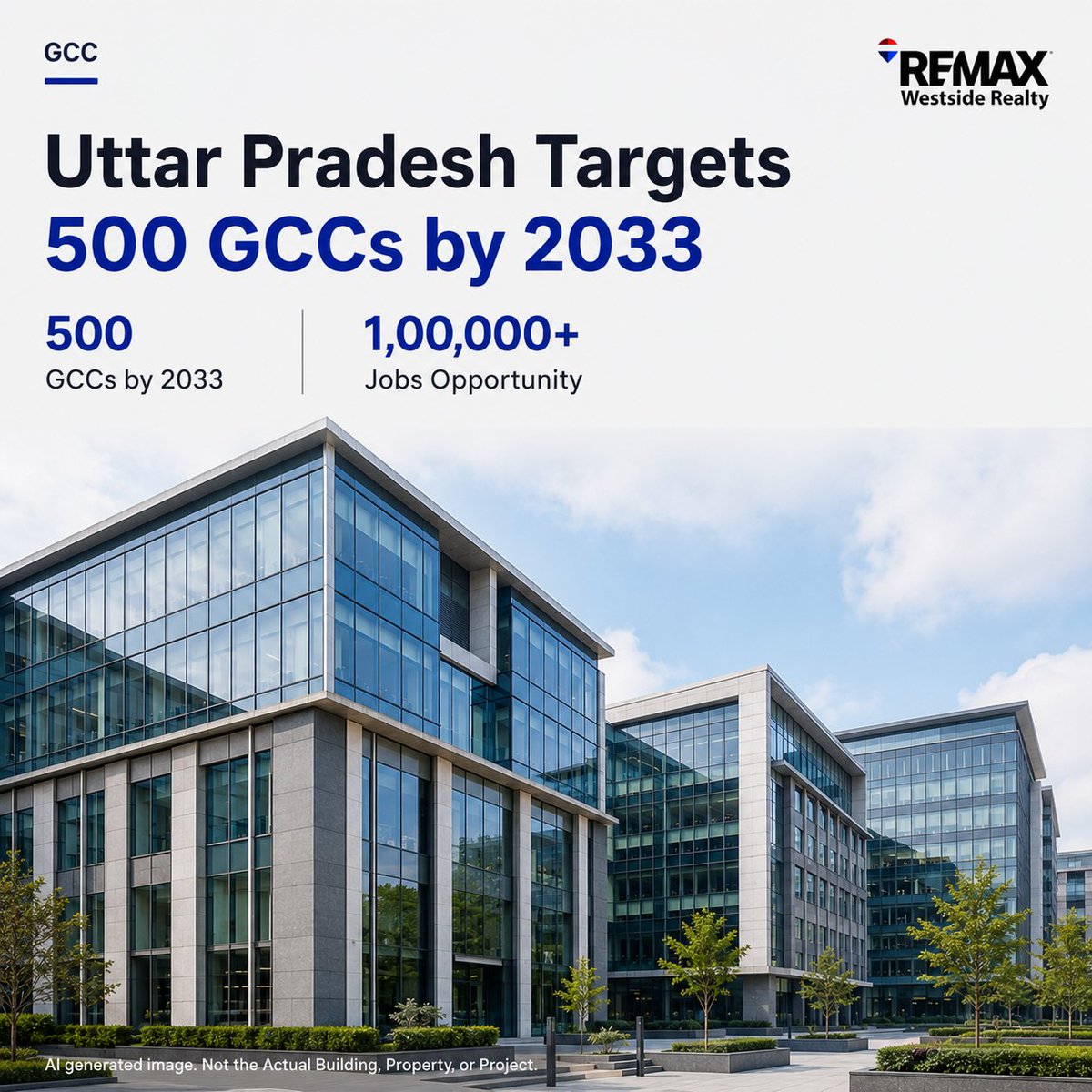
𝗨𝘁𝘁𝗮𝗿 𝗣𝗿𝗮𝗱𝗲𝘀𝗵 𝗜𝘀𝗻'𝘁 𝗝𝘂𝘀𝘁 𝗖𝗵𝗮𝘀𝗶𝗻𝗴 𝗚𝗖𝗖𝘀.
𝗜𝘁 𝗪𝗮𝗻𝘁𝘀 𝟱𝟬𝟬 𝗢𝗳 𝗧𝗵𝗲𝗺 𝗕𝘆 𝟮𝟬𝟯𝟭.
For years, when we talked about 𝗚𝗹𝗼𝗯𝗮𝗹 𝗖𝗮𝗽𝗮𝗯𝗶𝗹𝗶𝘁𝘆 𝗖𝗲𝗻𝘁𝗿𝗲𝘀 (𝗚𝗖𝗖𝘀) in India, the conversation revolved around Bengaluru, Hyderabad, Pune, Chennai, and NCR.
That conversation is beginning to change.
Uttar Pradesh has announced an ambitious target of establishing 𝟱𝟬𝟬 𝗚𝗖𝗖𝘀 by 𝟮𝟬𝟯𝟯, with the state positioning itself as the next major destination for global capability centres. The strategy focuses on building a strong ecosystem through infrastructure, policy support, skilled talent, and investment-friendly reforms.
This isn't just about attracting multinational companies.
It's about changing the economic profile of an entire state.
Every new 𝗚𝗖𝗖 creates demand for:
• 𝗚𝗿𝗮𝗱𝗲-𝗔 𝗢𝗳𝗳𝗶𝗰𝗲 𝗦𝗽𝗮𝗰𝗲
• 𝗥𝗲𝘀𝗶𝗱𝗲𝗻𝘁𝗶𝗮𝗹 𝗛𝗼𝘂𝘀𝗶𝗻𝗴
• 𝗦𝗰𝗵𝗼𝗼𝗹𝘀 & 𝗨𝗻𝗶𝘃𝗲𝗿𝘀𝗶𝘁𝗶𝗲𝘀
• 𝗠𝗲𝘁𝗿𝗼𝘀 & 𝗨𝗿𝗯𝗮𝗻 𝗜𝗻𝗳𝗿𝗮𝘀𝘁𝗿𝘂𝗰𝘁𝘂𝗿𝗲
• 𝗛𝗼𝘁𝗲𝗹𝘀, 𝗥𝗲𝘁𝗮𝗶𝗹 & 𝗖𝗼𝗺𝗺𝗲𝗿𝗰𝗶𝗮𝗹 𝗗𝗲𝘃𝗲𝗹𝗼𝗽𝗺𝗲𝗻𝘁
In other words, 𝗚𝗖𝗖𝘀 𝗱𝗼𝗻'𝘁 𝗷𝘂𝘀𝘁 𝗰𝗿𝗲𝗮𝘁𝗲 𝗷𝗼𝗯𝘀. 𝗧𝗵𝗲𝘆 𝗰𝗿𝗲𝗮𝘁𝗲 𝗰𝗶𝘁𝗶𝗲𝘀.
Over the past decade, we've seen how GCC-led growth transformed Hyderabad and Bengaluru into global business hubs.
If Uttar Pradesh executes this vision successfully, cities like Noida, Greater Noida, Lucknow, Kanpur, Prayagraj and Varanasi could emerge as the next wave of India's knowledge economy.
The bigger story isn't about 𝟱𝟬𝟬 𝗚𝗖𝗖𝘀.
It's about India's GCC map expanding beyond its traditional hubs.
The next decade may not be defined by which companies enter India.
It may be defined by which Indian states become their preferred destination.
𝗤𝘂𝗲𝘀𝘁𝗶𝗼𝗻:
𝗪𝗵𝗶𝗰𝗵 𝘀𝘁𝗮𝘁𝗲 𝗱𝗼 𝘆𝗼𝘂 𝘁𝗵𝗶𝗻𝗸 𝘄𝗶𝗹𝗹 𝗯𝗲𝗰𝗼𝗺𝗲 𝗜𝗻𝗱𝗶𝗮'𝘀 𝗻𝗲𝘅𝘁 𝗚𝗖𝗖 𝗽𝗼𝘄𝗲𝗿𝗵𝗼𝘂𝘀𝗲—𝗨𝘁𝘁𝗮𝗿 𝗣𝗿𝗮𝗱𝗲𝘀𝗵, 𝗠𝗮𝗵𝗮𝗿𝗮𝘀𝗵𝘁𝗿𝗮, 𝗧𝗮𝗺𝗶𝗹 𝗡𝗮𝗱𝘂, 𝗼𝗿 𝘀𝗼𝗺𝗲𝗼𝗻𝗲 𝗲𝗹𝘀𝗲?
#GCC #GlobalCapabilityCenters #India #UttarPradesh #Noida #Lucknow #CommercialRealEstate #EconomicDevelopment #OfficeSpace #BusinessGrowth #ForeignInvestment #IndiaGrowth
𝗔𝗺𝗮𝘇𝗼𝗻 𝗝𝘂𝘀𝘁 𝗔𝗱𝗱𝗲𝗱 𝗔𝗻𝗼𝘁𝗵𝗲𝗿 𝗨𝗦$𝟭𝟯 𝗕𝗶𝗹𝗹𝗶𝗼𝗻 𝗕𝗲𝘁 𝗼𝗻 𝗜𝗻𝗱𝗶𝗮.
This isn't just another foreign investment announcement.
It's another signal that 𝗜𝗻𝗱𝗶𝗮 𝗶𝘀 𝗯𝗲𝗰𝗼𝗺𝗶𝗻𝗴 𝗼𝗻𝗲 𝗼𝗳 𝘁𝗵𝗲 𝘄𝗼𝗿𝗹𝗱'𝘀 𝗺𝗼𝘀𝘁 𝗶𝗺𝗽𝗼𝗿𝘁𝗮𝗻𝘁 𝗔𝗜 𝗶𝗻𝗳𝗿𝗮𝘀𝘁𝗿𝘂𝗰𝘁𝘂𝗿𝗲 𝗱𝗲𝘀𝘁𝗶𝗻𝗮𝘁𝗶𝗼𝗻𝘀.
Amazon has announced an 𝗮𝗱𝗱𝗶𝘁𝗶𝗼𝗻𝗮𝗹 𝗨𝗦$𝟭𝟯 𝗯𝗶𝗹𝗹𝗶𝗼𝗻 investment in 𝗜𝗻𝗱𝗶𝗮'𝘀 𝗔𝗜 𝗮𝗻𝗱 𝗰𝗹𝗼𝘂𝗱 𝗶𝗻𝗳𝗿𝗮𝘀𝘁𝗿𝘂𝗰𝘁𝘂𝗿𝗲 by 𝟮𝟬𝟯𝟬, expanding AWS capabilities to support the country's rapidly growing demand for 𝗰𝗹𝗼𝘂𝗱 𝗰𝗼𝗺𝗽𝘂𝘁𝗶𝗻𝗴 and 𝗮𝗿𝘁𝗶𝗳𝗶𝗰𝗶𝗮𝗹 𝗶𝗻𝘁𝗲𝗹𝗹𝗶𝗴𝗲𝗻𝗰𝗲.
This comes on top of the massive investments already being made by 𝗴𝗹𝗼𝗯𝗮𝗹 𝗵𝘆𝗽𝗲𝗿𝘀𝗰𝗮𝗹𝗲𝗿𝘀, reinforcing India's role in the global AI race.
𝗪𝗵𝘆 𝗱𝗼𝗲𝘀 𝘁𝗵𝗶𝘀 𝗺𝗮𝘁𝘁𝗲𝗿?
Because 𝗔𝗜 𝗶𝘀𝗻'𝘁 𝗽𝗼𝘄𝗲𝗿𝗲𝗱 𝗯𝘆 𝗮𝗹𝗴𝗼𝗿𝗶𝘁𝗵𝗺𝘀 𝗮𝗹𝗼𝗻𝗲.
It runs on massive digital infrastructure:
• 𝗗𝗮𝘁𝗮 𝗖𝗲𝗻𝘁𝗿𝗲𝘀
• 𝗛𝗶𝗴𝗵-𝗽𝗲𝗿𝗳𝗼𝗿𝗺𝗮𝗻𝗰𝗲 𝗚𝗣𝗨𝘀
• 𝗥𝗲𝗹𝗶𝗮𝗯𝗹𝗲 𝗣𝗼𝘄𝗲𝗿 𝗜𝗻𝗳𝗿𝗮𝘀𝘁𝗿𝘂𝗰𝘁𝘂𝗿𝗲
• 𝗙𝗶𝗯𝗿𝗲 𝗖𝗼𝗻𝗻𝗲𝗰𝘁𝗶𝘃𝗶𝘁𝘆
• 𝗖𝗹𝗼𝘂𝗱 𝗔𝘃𝗮𝗶𝗹𝗮𝗯𝗶𝗹𝗶𝘁𝘆 𝗭𝗼𝗻𝗲𝘀
Every new 𝗔𝗜 𝗶𝗻𝘃𝗲𝘀𝘁𝗺𝗲𝗻𝘁 creates demand far beyond the technology sector. It accelerates growth in 𝗰𝗼𝗺𝗺𝗲𝗿𝗰𝗶𝗮𝗹 𝗿𝗲𝗮𝗹 𝗲𝘀𝘁𝗮𝘁𝗲, 𝗱𝗮𝘁𝗮 𝗰𝗲𝗻𝘁𝗿𝗲𝘀, 𝗽𝗼𝘄𝗲𝗿, 𝘁𝗲𝗹𝗲𝗰𝗼𝗺, 𝗲𝗻𝗴𝗶𝗻𝗲𝗲𝗿𝗶𝗻𝗴, 𝗰𝗼𝗻𝘀𝘁𝗿𝘂𝗰𝘁𝗶𝗼𝗻, and the broader 𝗱𝗶𝗴𝗶𝘁𝗮𝗹 𝗲𝗰𝗼𝘀𝘆𝘀𝘁𝗲𝗺.
India is steadily evolving from being known as "𝘁𝗵𝗲 𝘄𝗼𝗿𝗹𝗱'𝘀 𝗯𝗮𝗰𝗸 𝗼𝗳𝗳𝗶𝗰𝗲" to becoming one of the world's 𝗔𝗜 𝗶𝗻𝗳𝗿𝗮𝘀𝘁𝗿𝘂𝗰𝘁𝘂𝗿𝗲 𝗵𝘂𝗯𝘀.
The companies building this foundation today are positioning themselves for the 𝗻𝗲𝘅𝘁 𝗱𝗲𝗰𝗮𝗱𝗲 𝗼𝗳 𝗱𝗶𝗴𝗶𝘁𝗮𝗹 𝗴𝗿𝗼𝘄𝘁𝗵.
𝗤𝘂𝗲𝘀𝘁𝗶𝗼𝗻:
Which sector do you think will benefit the most from India's 𝗔𝗜 𝗶𝗻𝗳𝗿𝗮𝘀𝘁𝗿𝘂𝗰𝘁𝘂𝗿𝗲 𝗯𝗼𝗼𝗺 over the next five years—𝗗𝗮𝘁𝗮 𝗖𝗲𝗻𝘁𝗿𝗲𝘀, 𝗖𝗼𝗺𝗺𝗲𝗿𝗰𝗶𝗮𝗹 𝗥𝗲𝗮𝗹 𝗘𝘀𝘁𝗮𝘁𝗲, 𝗣𝗼𝘄𝗲𝗿, 𝗦𝗲𝗺𝗶𝗰𝗼𝗻𝗱𝘂𝗰𝘁𝗼𝗿 𝗠𝗮𝗻𝘂𝗳𝗮𝗰𝘁𝘂𝗿𝗶𝗻𝗴, or something else?
#India #ArtificialIntelligence #AWS #Amazon #CloudComputing #DataCenters #DigitalInfrastructure #GCC #CommercialRealEstate #Infrastructure #Investment #Technology #BusinessStrategy
𝗜𝗻𝗱𝗶𝗚𝗼 𝗜𝘀𝗻'𝘁 𝗔𝗻 𝗔𝗶𝗿𝗹𝗶𝗻𝗲 𝗔𝗻𝘆𝗺𝗼𝗿𝗲. 𝗜𝘁'𝘀 𝗕𝗲𝗰𝗼𝗺𝗶𝗻𝗴 𝗡𝗮𝘁𝗶𝗼𝗻𝗮𝗹 𝗜𝗻𝗳𝗿𝗮𝘀𝘁𝗿𝘂𝗰𝘁𝘂𝗿𝗲.
Most people know IndiGo as India's largest airline.
Very few realize the scale at which it now operates.
📊 Consider this:
• 𝗚𝟰% 𝗱𝗼𝗺𝗲𝘀𝘁𝗶𝗰 𝗺𝗮𝗿𝗸𝗲𝘁 𝘀𝗵𝗮𝗿𝗲
• 𝗪𝗼𝗿𝗹𝗱'𝘀 𝟲𝘁𝗵 𝗯𝘂𝘀𝗶𝗲𝘀𝘁 𝗮𝗶𝗿𝗹𝗶𝗻𝗲 𝗯𝘆 𝗳𝗹𝗶𝗴𝗵𝘁 𝗳𝗿𝗲𝗾𝘂𝗲𝗻𝗰𝘆
• 𝗢𝘃𝗲𝗿 𝟮,𝟳𝟬𝟬 𝗱𝗮𝗶𝗹𝘆 𝗳𝗹𝗶𝗴𝗵𝘁𝘀
• 𝗔𝗽𝗽𝗿𝗼𝘅. 𝟯𝟯𝟱,𝟬𝟬𝟬–𝟯𝟱𝟬,𝟬𝟬𝟬 𝗽𝗮𝘀𝘀𝗲𝗻𝗴𝗲𝗿𝘀 𝗲𝘃𝗲𝗿𝘆 𝗱𝗮𝘆
• 𝗢𝘃𝗲𝗿 𝟭𝟮𝟯 𝗺𝗶𝗹𝗹𝗶𝗼𝗻 𝗽𝗮𝘀𝘀𝗲𝗻𝗴𝗲𝗿𝘀 𝗮𝗻𝗻𝘂𝗮𝗹𝗹𝘆
• 𝗜𝟰𝟰 𝗱𝗲𝘀𝘁𝗶𝗻𝗮𝘁𝗶𝗼𝗻𝘀 𝗴𝗹𝗼𝗯𝗮𝗹𝗹𝘆
• 𝗔𝗰𝘁𝗶𝘃𝗲 𝗳𝗹𝗲𝗲𝘁 𝗼𝗳 𝟰𝟰𝟭 𝗮𝗶𝗿𝗰𝗿𝗮𝗳𝘁
• 𝗡𝗲𝗮𝗿𝗹𝘆 𝟭,𝟬𝟬𝟬 𝗮𝗶𝗿𝗰𝗿𝗮𝗳𝘁 𝗼𝗻 𝗼𝗿𝗱𝗲𝗿
To put that into perspective:
Every single day, IndiGo moves a population larger than many Indian cities.
Every month, it carries between 𝗜𝟬–𝟭𝟮.𝟯 𝗺𝗶𝗹𝗹𝗶𝗼𝗻 𝗽𝗮𝘀𝘀𝗲𝗻𝗴𝗲𝗿𝘀.
Its network now spans 𝗚𝟴 𝗜𝗻𝗱𝗶𝗮𝗻 𝗰𝗶𝘁𝗶𝗲𝘀 and 𝗪𝟲 𝗶𝗻𝘁𝗲𝗿𝗻𝗮𝘁𝗶𝗼𝗻𝗮𝗹 𝗱𝗲𝘀𝘁𝗶𝗻𝗮𝘁𝗶𝗼𝗻𝘀, connecting major metros, manufacturing hubs, emerging Tier-2 cities, tourism centers, and new economic corridors.
What's even more interesting is where this growth is headed.
IndiGo is positioning itself as the anchor carrier for India's next generation of infrastructure projects, including 𝗡𝗮𝘃𝗶 𝗠𝘂𝗺𝗯𝗮𝗶 𝗜𝗻𝘁𝗲𝗿𝗻𝗮𝘁𝗶𝗼𝗻𝗮𝗹 𝗔𝗶𝗿𝗽𝗼𝗿𝘁 and 𝗡𝗼𝗶𝗱𝗮 𝗜𝗻𝘁𝗲𝗿𝗻𝗮𝘁𝗶𝗼𝗻𝗮𝗹 𝗔𝗶𝗿𝗽𝗼𝗿𝘁.
This is no longer just an aviation story.
It's a story about how India's economic geography is being reshaped.
As highways, industrial corridors, airports, GCCs, manufacturing clusters, logistics parks, and data centers expand across the country, air connectivity becomes a critical layer of national infrastructure.
𝗪𝗵𝗮𝘁 𝘀𝘁𝗮𝗻𝗱𝘀 𝗼𝘂𝘁 𝗶𝘀 𝘁𝗵𝗮𝘁 𝗜𝗻𝗱𝗶𝗚𝗼'𝘀 𝗯𝗶𝗴𝗴𝗲𝘀𝘁 𝗮𝗱𝘃𝗮𝗻𝘁𝗮𝗴𝗲 𝗶𝘀𝗻'𝘁 𝗶𝘁𝘀 𝗳𝗹𝗲𝗲𝘁.
𝗜𝘁'𝘀 𝗶𝘁𝘀 𝗻𝗲𝘁𝘄𝗼𝗿𝗸.
The company has built a distribution system that touches nearly every major growth market in India.
And in business, distribution often becomes more valuable than the product itself.
❓𝗟𝗼𝗼𝗸𝗶𝗻𝗴 𝘁𝗼 𝟮𝟬𝟯𝟬, 𝘄𝗵𝗮𝘁 𝘄𝗶𝗹𝗹 𝗯𝗲 𝘁𝗵𝗲 𝗯𝗶𝗴𝗴𝗲𝘀𝘁 𝗴𝗿𝗼𝘄𝘁𝗵 𝗱𝗿𝗶𝘃𝗲𝗿 𝗳𝗼𝗿 𝗜𝗻𝗱𝗶𝗚𝗼?
A) International expansion 🌍
B) India's domestic aviation boom 🇮🇳
C) New airport infrastructure ✈️
D) The 1,000-aircraft order book 🛩️
#IndiGo #Aviation #IndiaGrowthStory #Infrastructure #Airports #BusinessStrategy #MarketIntelligence #EconomicDevelopment #TravelIndustry #India
𝗠𝗼𝘀𝘁 𝗣𝗲𝗼𝗽𝗹𝗲 𝗧𝗵𝗶𝗻𝗸 𝗜𝗧 𝗜𝘀 𝗜𝗻𝗱𝗶𝗮'𝘀 𝗕𝗶𝗴𝗴𝗲𝘀𝘁 𝗘𝗺𝗽𝗹𝗼𝘆𝗲𝗿.
𝗜𝘁'𝘀 𝗡𝗼𝘁.
According to the latest labour market data, 𝗔𝗴𝗿𝗶𝗰𝘂𝗹𝘁𝘂𝗿𝗲 & 𝗔𝗹𝗹𝗶𝗲𝗱 𝗦𝗲𝗰𝘁𝗼𝗿𝘀 remain India's largest source of employment, accounting for 𝟰𝟯% 𝗼𝗳 𝘁𝗵𝗲 𝗻𝗮𝘁𝗶𝗼𝗻𝗮𝗹 𝘄𝗼𝗿𝗸𝗳𝗼𝗿𝗰𝗲.
Here's how India's employment landscape is structured:
🌾 Agriculture & Allied Sectors → 43.0%
🏪 Services (Trade, IT, BFSI, Hotels, Transport) → 31%–33%
🏭 Manufacturing → 12.1%
🏗️ Construction & Real Estate → 12.0%
A few other interesting numbers:
🏗️ Construction & Real Estate is India's largest non-farm job creator.
💻 India's IT industry employs approximately 5.4 million people directly.
🚆 Indian Railways employs around 1.23 million people, making it one of the world's largest employers.
🛡️ Ministry of Defence supports a workforce of nearly 3 million personnel.
Among private companies:
💼 TCS → ~584,500 employees
💼 Infosys → ~323,000 employees
💼 Wipro and HCLTech → ~230,000 employees each.
Despite rapid growth in AI, technology, manufacturing, and GCCs, the data highlights an important reality:
India's economic transformation is underway, but the country's employment engine remains deeply rooted in agriculture, construction, manufacturing, and traditional services.
The future may be driven by AI.
But India's workforce is still powered by its farms, factories, construction sites, and small businesses.
#India #Employment #Jobs #Economy #Workforce #Agriculture #Manufacturing #Construction #RealEstate #Infrastructure #ITIndustry #TCS #Infosys #EconomicGrowth #IndiaGrowthStory
𝗥𝗕𝗜 𝗝𝘂𝘀𝘁 𝗢𝗽𝗲𝗻𝗲𝗱 𝗔 𝗡𝗲𝘄 𝗖𝗮𝗽𝗶𝘁𝗮𝗹 𝗣𝗶𝗽𝗲𝗹𝗶𝗻𝗲 𝗳𝗼𝗿 𝗜𝗻𝗱𝗶𝗮'𝘀 𝗥𝗘𝗜𝗧𝘀.
In a significant move for India's commercial real estate sector, the 𝗥𝗲𝘀𝗲𝗿𝘃𝗲 𝗕𝗮𝗻𝗸 𝗼𝗳 𝗜𝗻𝗱𝗶𝗮 (𝗥𝗕𝗜) has formally allowed banks to lend directly to 𝗥𝗘𝗜𝗧𝘀 (𝗥𝗲𝗮𝗹 𝗘𝘀𝘁𝗮𝘁𝗲 𝗜𝗻𝘃𝗲𝘀𝘁𝗺𝗲𝗻𝘁 𝗧𝗿𝘂𝘀𝘁𝘀) under a framework that includes multiple prudential safeguards.
The change may sound technical.
But its impact could be substantial.
📊 REITs gain access to a new source of institutional capital
📊 Lower-cost bank funding could reduce refinancing pressure
📊 Greater financial flexibility for acquisitions and expansion
📊 Potentially stronger cash flows for investors over time
Importantly, the RBI has not opened the floodgates.
The framework includes structural safeguards such as exposure limits, eligibility requirements, and monitoring of fund usage to maintain financial stability.
What's interesting here is that India's REIT market is still in its early stages compared to mature markets.
Yet the sector continues to expand.
According to CRISIL, listed office REIT portfolios are expected to grow to approximately 190–195 million sq. ft. by FY27, driven by acquisitions and portfolio expansion.
The bigger story may be that commercial real estate in India is gradually becoming a more institutional asset class.
As financing options deepen, REITs could play an increasingly important role in funding office parks, business districts, logistics assets, and income-generating real estate across the country.
❓What will be the biggest beneficiary of deeper REIT financing in India?
🏢 Office Parks
📦 Warehousing & Logistics
🛍️ Retail Assets
🏨 Hospitality Assets
#REIT #CommercialRealEstate #RBI #RealEstate #OfficeMarket #Warehousing #CapitalMarkets #Investment #IndiaGrowthStory #MarketIntelligence #Infrastructure #Finance
𝗘𝘃𝗲𝗻 𝘁𝗵𝗲 𝗚𝗹𝗼𝗯𝗮𝗹 𝗜𝗻𝘀𝘂𝗿𝗮𝗻𝗰𝗲 𝗜𝗻𝗱𝘂𝘀𝘁𝗿𝘆 𝗜𝘀 𝗡𝗼𝘄 𝗕𝘂𝗶𝗹𝗱𝗶𝗻𝗴 𝗔𝗜 𝗖𝗮𝗽𝗮𝗯𝗶𝗹𝗶𝘁𝘆 𝗖𝗲𝗻𝘁𝗿𝗲𝘀 𝗶𝗻 𝗜𝗻𝗱𝗶𝗮.
When most people think about India's GCC boom, they think of technology companies.
But the trend is spreading much further.
𝗕𝗠𝗦 𝗚𝗿𝗼𝘂𝗽, a global insurance and reinsurance broker headquartered in London, has launched a new 𝗚𝗹𝗼𝗯𝗮𝗹 𝗖𝗮𝗽𝗮𝗯𝗶𝗹𝗶𝘁𝘆 𝗖𝗲𝗻𝘁𝗿𝗲 (𝗚𝗖𝗖) in Mumbai.
The centre will support:
📊 Data Analytics
🤖 Artificial Intelligence
💻 Technology Operations
📈 Broking & Risk Functions
🌍 Global Client Services
At first glance, this looks like another GCC announcement.
It's much bigger than that.
Insurance and reinsurance are among the most data-intensive industries in the world.
Risk modelling, underwriting, claims analysis, catastrophe forecasting, and pricing increasingly depend on AI and advanced analytics.
The fact that these capabilities are being built in India says a lot about where global firms see talent and innovation.
What's interesting here is that GCCs are no longer just cost centres.
They're becoming strategic centres that influence products, decisions, and business outcomes worldwide.
The bigger story may be that India's next wave of GCC growth won't come only from technology companies.
It will come from industries like insurance, healthcare, manufacturing, financial services, aviation, and logistics building their AI and analytics engines here.
❓Which industry do you think will create the next big wave of GCC expansion in India?
🏦 Financial Services
🏥 Healthcare
🏭 Manufacturing
🛡️ Insurance
🚚 Logistics
#GCC #GlobalCapabilityCenters #AI #DataAnalytics #Insurance #Reinsurance #Mumbai #ArtificialIntelligence #IndiaGrowthStory #MarketIntelligence #DigitalTransformation #FutureOfWork
𝗜𝗻𝗱𝗶𝗮 𝗜𝘀 𝗕𝘂𝗶𝗹𝗱𝗶𝗻𝗴 𝗮𝗻 ₹𝟴𝟬,𝟬𝟬𝟬 𝗖𝗿𝗼𝗿𝗲 𝗖𝗶𝘁𝘆 𝗶𝗻 𝘁𝗵𝗲 𝗠𝗶𝗱𝗱𝗹𝗲 𝗼𝗳 𝘁𝗵𝗲 𝗢𝗰𝗲𝗮𝗻.
And it could become one of the country's most strategic infrastructure projects.
The 𝗚𝗿𝗲𝗮𝘁 𝗡𝗶𝗰𝗼𝗯𝗮𝗿 𝗜𝘀𝗹𝗮𝗻𝗱 𝗗𝗲𝘃𝗲𝗹𝗼𝗽𝗺𝗲𝗻𝘁 𝗣𝗿𝗼𝗷𝗲𝗰𝘁 is expected to attract investments of approximately ₹𝟴𝟬,𝟬𝟬𝟬+ 𝗰𝗿𝗼𝗿𝗲 and transform a remote island into a major economic and strategic hub.
The project includes:
⚓ A deep-water international transshipment port
✈️ A new international airport
⚡ Power and utility infrastructure
🏙️ A modern township and support ecosystem
Most people will focus on the investment size.
I think the real story is the location.
Great Nicobar sits close to the 𝗠𝗮𝗹𝗮𝗰𝗰𝗮 𝗦𝘁𝗿𝗮𝗶𝘁, one of the world's busiest maritime trade routes.
Every year, a significant share of global trade passes through this corridor.
What's interesting here is that this project isn't just about infrastructure.
It's about geography.
Countries cannot choose their geography.
But they can choose how they use it.
The bigger story may be that India is increasingly investing in assets that strengthen its position in global trade, logistics, maritime connectivity, and the Indo-Pacific economy.
If executed successfully, Great Nicobar could become for India what some of the world's leading transshipment hubs have become for their regions — a gateway connecting trade routes, supply chains, and economic activity.
❓Which infrastructure asset creates the greatest long-term strategic advantage for a country?
⚓ Ports
✈️ Airports
🚄 Rail Networks
🛣️ Expressways
Source: Government of India, NITI Aayog, NGT proceedings, Economic Times
#GreatNicobar #Infrastructure #Ports #Logistics #IndiaGrowthStory #Maritime #Trade #Shipping #EconomicDevelopment #UrbanDevelopment #MarketIntelligence #IndoPacific
𝗗𝗟𝗙 𝗛𝗮𝘀 ₹𝟲𝟬,𝟬𝟬𝟬 𝗖𝗿𝗼𝗿𝗲 𝗪𝗼𝗿𝘁𝗵 𝗼𝗳 𝗣𝗿𝗼𝗷𝗲𝗰𝘁𝘀 𝗪𝗮𝗶𝘁𝗶𝗻𝗴 𝘁𝗼 𝗛𝗶𝘁 𝘁𝗵𝗲 𝗠𝗮𝗿𝗸𝗲𝘁.
That number alone is larger than the annual GDP of several countries.
According to 𝗗𝗟𝗙, the company has a launch pipeline of approximately ₹𝟲𝟬,𝟬𝟬𝟬 𝗰𝗿𝗼𝗿𝗲 planned over the next few years, spanning projects across 𝗚𝘂𝗿𝘂𝗴𝗿𝗮𝗺, 𝗠𝘂𝗺𝗯𝗮𝗶, 𝗚𝗼𝗮, and 𝗣𝗮𝗻𝗰𝗵𝗸𝘂𝗹𝗮.
Some of the key numbers:
📊 ₹𝟲𝟬,𝟬𝟬𝟬+ 𝗰𝗿𝗼𝗿𝗲 launch pipeline
📊 𝟮𝟰 𝗺𝗶𝗹𝗹𝗶𝗼𝗻+ sq. ft. of planned launches
📊 Premium and luxury developments across India's most sought-after markets
📊 Ultra-luxury villa project planned in 𝗚𝗼𝗮
Most people will focus on DLF.
I think the more important story is what this says about demand.
Developers don't prepare ₹60,000 crore worth of launches unless they believe buyers exist.
And increasingly, India's largest developers are betting on premium and luxury housing.
What's interesting here is that the conversation around Indian real estate has shifted dramatically over the past few years.
The market is no longer being driven only by affordability.
It's increasingly being driven by aspiration, wealth creation, lifestyle upgrades, and premium living.
The bigger story may be that India is witnessing the emergence of one of the world's largest affluent consumer classes.
And real estate is one of the first places that wealth is showing up.
❓What will be the biggest driver of India's housing market over the next decade?
🏡 Rising Incomes
🏙️ Urbanization
🚇 Infrastructure
💰 Wealth Creation
Source: DLF Management Commentary | Moneycontrol
#DLF #RealEstate #LuxuryHousing #HousingMarket #MumbaiRealEstate #GoaRealEstate #Gurugram #ResidentialRealEstate #IndiaGrowthStory #MarketIntelligence #Urbanization #WealthCreation
𝗧𝗮𝗺𝗶𝗹 𝗡𝗮𝗱𝘂 𝗮𝗻𝗱 𝗧𝗲𝗹𝗮𝗻𝗴𝗮𝗻𝗮 𝗔𝗿𝗲 𝗖𝗼𝗺𝗽𝗲𝘁𝗶𝗻𝗴 𝗳𝗼𝗿 𝗕𝗮𝗷𝗮𝗷 𝗔𝘂𝘁𝗼'𝘀 𝗡𝗲𝘅𝘁 𝗙𝗮𝗰𝘁𝗼𝗿𝘆.
And the real prize isn't the factory.
It's the ecosystem that comes with it.
According to reports, 𝗕𝗮𝗷𝗮𝗷 𝗔𝘂𝘁𝗼 is evaluating 𝗧𝗮𝗺𝗶𝗹 𝗡𝗮𝗱𝘂 and 𝗧𝗲𝗹𝗮𝗻𝗴𝗮𝗻𝗮 for a proposed new manufacturing facility that could support the company's next phase of growth in electric vehicles.
No final decision has been announced yet.
But the competition itself is worth paying attention to.
Why?
Because when a major manufacturer sets up a plant, the impact extends far beyond the factory gates.
📍 Manufacturing jobs
📍 Auto component suppliers
📍 Logistics and warehousing demand
📍 Industrial real estate absorption
📍 Export opportunities
📍 Ancillary MSME growth
What's interesting here is that Indian states are increasingly competing the same way countries compete.
Not just on incentives.
But on infrastructure, talent availability, ease of doing business, logistics connectivity, and policy stability.
The bigger story may be that India's industrial growth over the next decade won't be determined only by which companies expand.
It will be determined by which states attract those expansions.
And the EV manufacturing race is becoming one of the most important battlegrounds.
❓If you had to bet today, which state will emerge as India's biggest EV manufacturing hub by 2035?
⚡ 𝗧𝗮𝗺𝗶𝗹 𝗡𝗮𝗱𝘂
⚡ 𝗧𝗲𝗹𝗮𝗻𝗴𝗮𝗻𝗮
⚡ 𝗠𝗮𝗵𝗮𝗿𝗮𝘀𝗵𝘁𝗿𝗮
⚡ 𝗚𝘂𝗷𝗮𝗿𝗮𝘁
Source: The Economic Times
#BajajAuto #ElectricVehicles #EV #Manufacturing #TamilNadu #Telangana #IndustrialGrowth #MakeInIndia #AutoIndustry #IndustrialRealEstate #IndiaGrowthStory #MarketIntelligence
𝗜𝗻𝗱𝗶𝗮'𝘀 𝗔𝗳𝗳𝗼𝗿𝗱𝗮𝗯𝗹𝗲 𝗛𝗼𝘂𝘀𝗶𝗻𝗴 𝗜𝘀 𝗗𝗶𝘀𝗮𝗽𝗽𝗲𝗮𝗿𝗶𝗻𝗴.
And premium housing is taking its place.
According to 𝗝𝗟𝗟's Residential Dynamics Report, India's housing market is undergoing a major structural shift.
The numbers are striking:
📈 Sales of homes priced ₹𝟭 𝗰𝗿𝗼𝗿𝗲 𝗮𝗻𝗱 𝗮𝗯𝗼𝘃𝗲 surged by 𝟯𝟬% year-on-year
📉 Affordable housing supply priced below ₹𝟳𝟱 𝗹𝗮𝗸𝗵 declined by 𝟮𝟰%
🏙️ Premium housing now accounts for 𝟳𝟭% of total residential sales across India's top 7 cities
This isn't just a real estate story.
It's an income story.
For years, the conversation was about affordable housing demand.
Today, the market is increasingly being driven by an expanding affluent class seeking larger homes, better amenities, smart-home features, and lifestyle-driven communities.
What's interesting here is that developers are simply following demand.
Capital flows where margins are strongest and inventory moves fastest.
The bigger story may be that India's housing market is becoming increasingly polarized.
More premium housing.
Less affordable housing.
And a widening gap in between.
❓Which is the bigger challenge for India's housing market over the next decade?
𝗔) Creating enough affordable housing
𝗕) Meeting rising demand for premium housing
𝗖) Balancing both at the same time
Source: 𝗝𝗟𝗟 Residential Dynamics Report
#RealEstate #HousingMarket #JLL #AffordableHousing #LuxuryHousing #ResidentialRealEstate #Urbanization #IndiaGrowthStory #PropertyMarket #MarketIntelligence #Housing
𝗡𝗼𝗶𝗱𝗮 𝗜𝘀𝗻'𝘁 𝗝𝘂𝘀𝘁 𝗕𝘂𝗶𝗹𝗱𝗶𝗻𝗴 𝗪𝗮𝗿𝗲𝗵𝗼𝘂𝘀𝗲𝘀.
𝗜𝘁'𝘀 𝗣𝗹𝗮𝗻𝗻𝗶𝗻𝗴 𝗔𝗻 𝗘𝗻𝘁𝗶𝗿𝗲 𝗨𝗿𝗯𝗮𝗻 𝗙𝗿𝗲𝗶𝗴𝗵𝘁 𝗡𝗲𝘁𝘄𝗼𝗿𝗸.
The 𝗡𝗼𝗶𝗱𝗮 𝗔𝘂𝘁𝗵𝗼𝗿𝗶𝘁𝘆 has launched a city-wide survey to prepare its 𝗖𝗶𝘁𝘆 𝗟𝗼𝗴𝗶𝘀𝘁𝗶𝗰𝘀 𝗣𝗹𝗮𝗻 (𝗖𝗟𝗣).
The objective is to understand how goods move across the city and identify ways to improve freight efficiency as Noida's industrial and warehousing footprint continues to expand.
The survey will focus on:
📦 Freight movement patterns
🚛 Truck traffic and parking infrastructure
🏭 Industrial and warehousing clusters
🛣️ Logistics bottlenecks and congestion hotspots
♻️ Reducing logistics costs and emissions
Most people think about city planning in terms of roads, metro lines, and airports.
But cities also need efficient systems to move goods.
What's interesting here is that Noida is preparing for growth before congestion becomes a larger problem.
With the 𝗡𝗼𝗶𝗱𝗮 𝗜𝗻𝘁𝗲𝗿𝗻𝗮𝘁𝗶𝗼𝗻𝗮𝗹 𝗔𝗶𝗿𝗽𝗼𝗿𝘁, manufacturing expansion, warehousing growth, and dedicated freight connectivity, the region is rapidly emerging as one of India's most important logistics hubs.
The bigger story may be that the next generation of successful cities won't just move people efficiently.
They'll move goods efficiently too.
❓Which infrastructure investment creates the biggest economic impact for a fast-growing city?
✈️ Airports
🚇 Metro Rail
🛣️ Expressways
🚚 Logistics Networks
Source: Hindustan Times
#Noida #Logistics #Warehousing #IndustrialRealEstate #Infrastructure #SupplyChain #NoidaAirport #Manufacturing #UrbanDevelopment #IndiaGrowthStory #MarketIntelligence #Freight