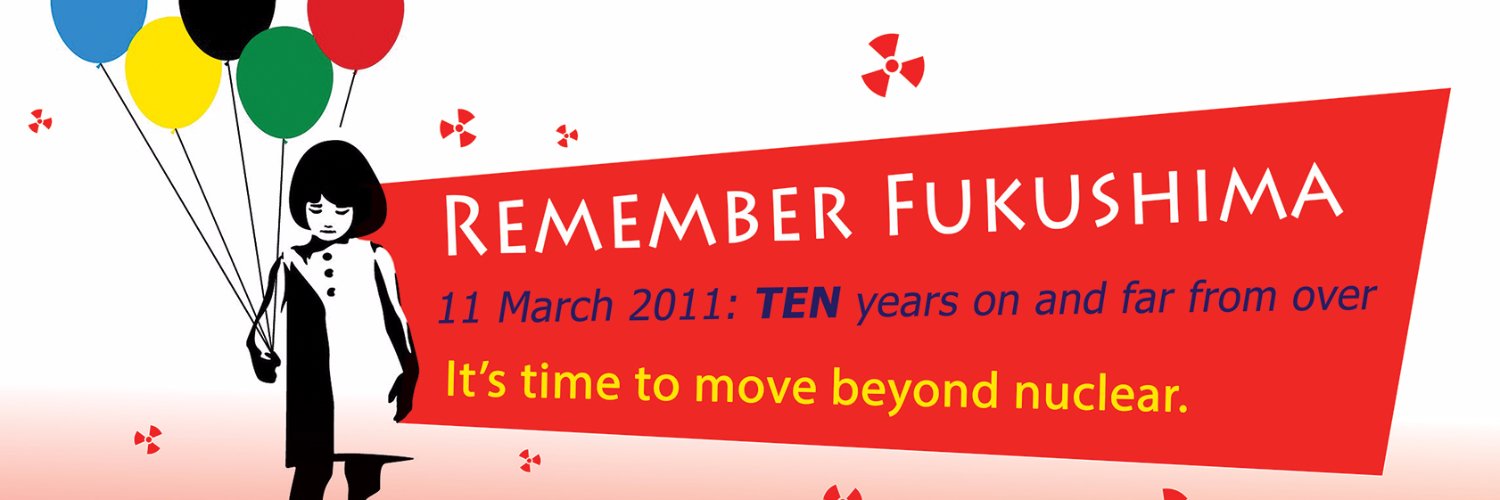
Remembering Fukushima in London: TEN years on and far from over. Our hearts are heavy for those who are still suffering as a result of the catastrophe unleashed at the Fukushima Daiichi nuclear power plant on 11 March 2011.
Remembering Fukushima in London: TEN years on and far from over. Our hearts are heavy for those who are still suffering as a result of the catastrophe unleashed at the Fukushima Daiichi nuclear power plant on 11 March 2011.
For info re the current situation the recent "Ten Years Living With Fukushima" @IPPNWgermany scientific symposium includes presentations by epidemiologists, biological scientist, paediatrician, psychiatrist, biomathematician, marine chemist & geochemist >>
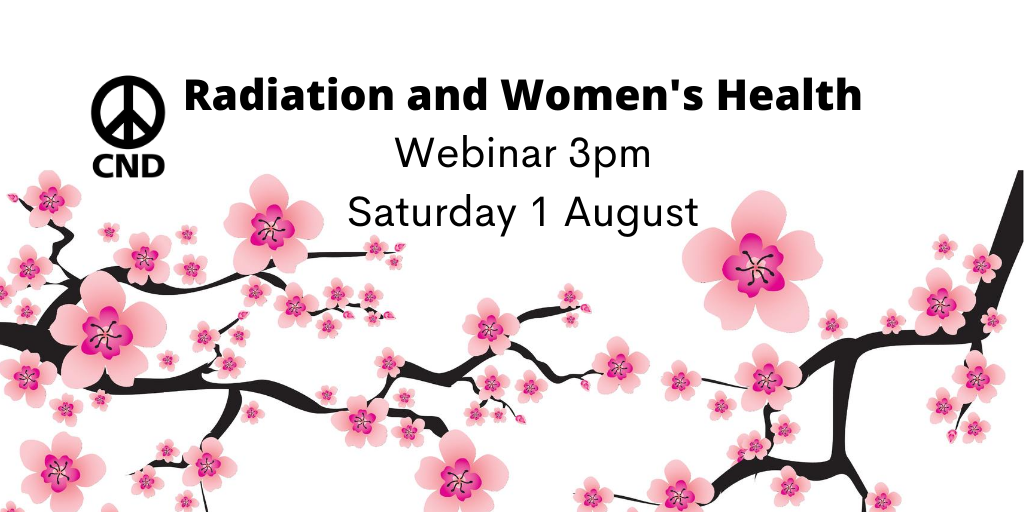
How does radiation impact women's health?
Evidence shows women are considerably more sensitive to radiation than men. This Saturday we're discussing gender and nuclear radiation exposure with three experts 🌸 #Hiroshima75
Register to join us on zoom: https://t.co/qjABxNXlOB
🌸 Peace Wave 🌸
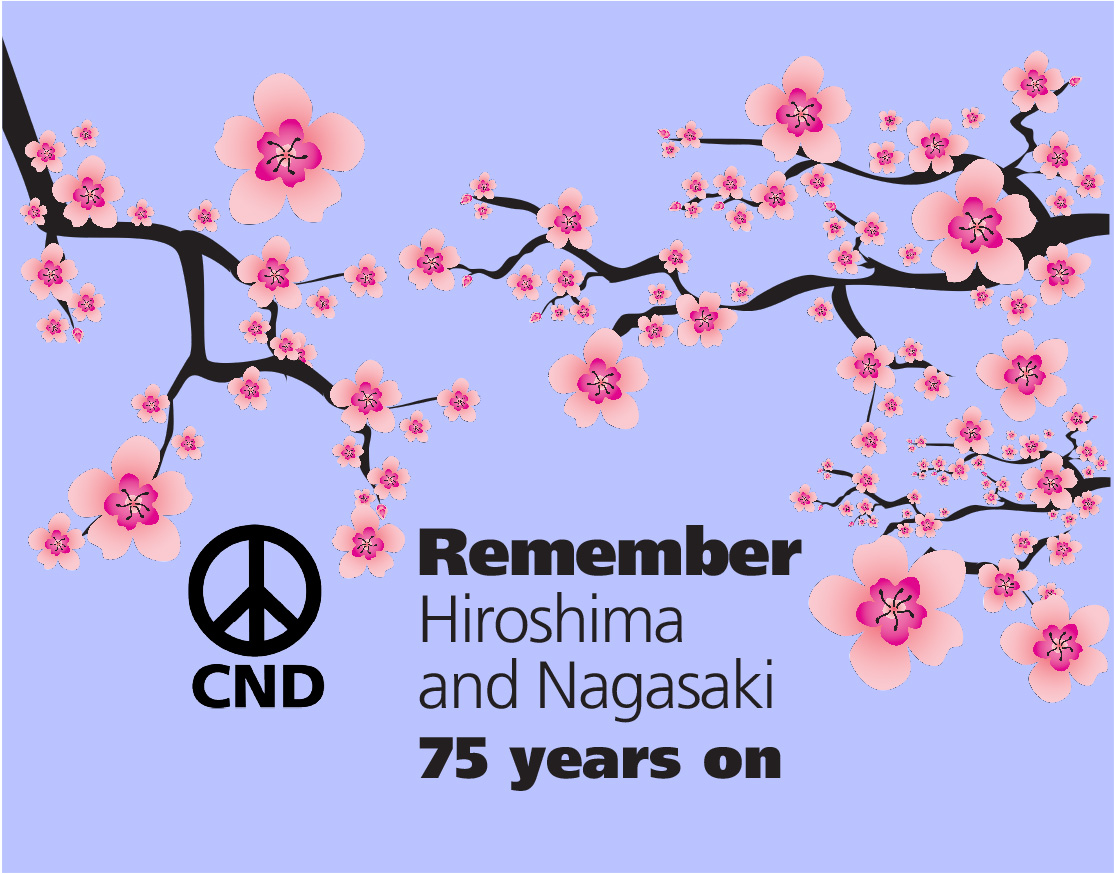
Join us in silent reflection on August 6th and 9th as we remember Hiroshima and Nagasaki.
Using #Hiroshima75, share a photo of yourself with our poster and be part of the international movement of people observing the peace wave: https://t.co/WdK2EoYmEe
Nagasaki Day 2020
75th Anniversary Commemoration Ceremony on Zoom, broadcast live from London Peace Pagoda,
Sunday 9 August 2020
20:00 – 21:30 BST https://t.co/F7qYVmjKoO
>> After 34 years the areas of Belarus, Ukraine and Russia, closest to the nuclear power plant remain the most heavily contaminated; link is to maps showing how long the contamination by cesium-137 (half-life ~30 years) is likely to persist in some areas: https://t.co/z1OrloG5Nn
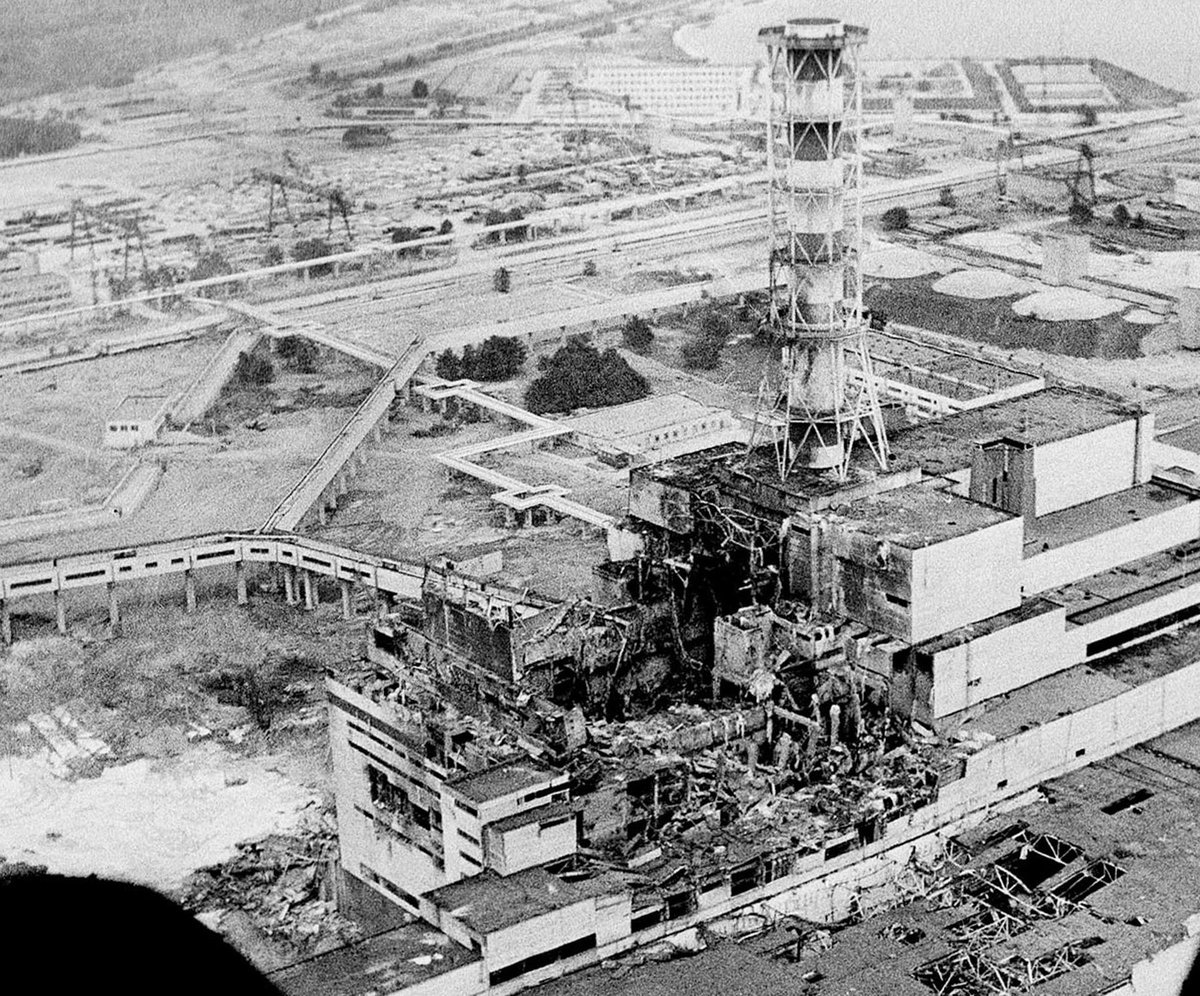
Remembering Chernobyl nuclear catastrophe, unleashed on 26 April, 1986 - 34 years ago but FAR from over with tragic consequences continuing to unfold for people, animals and environment 💔 The burning nuclear reactor core sent vast quantities of radioactivity into the sky >>
>> to be carried far and wide by the wind, much of it brought down by rain, unevenly, to create many ☢️ contamination “hotspots,” right across Europe. This 2012 map shows the spread of Iodine-131 from Chernobyl over Europe in May 1986 – nb the high concentration in Austria: >>
Today is the 34th anniversary of the #Chernobyl nuclear disaster. Remembering those who were, and continue to be, affected by the catastrophe.
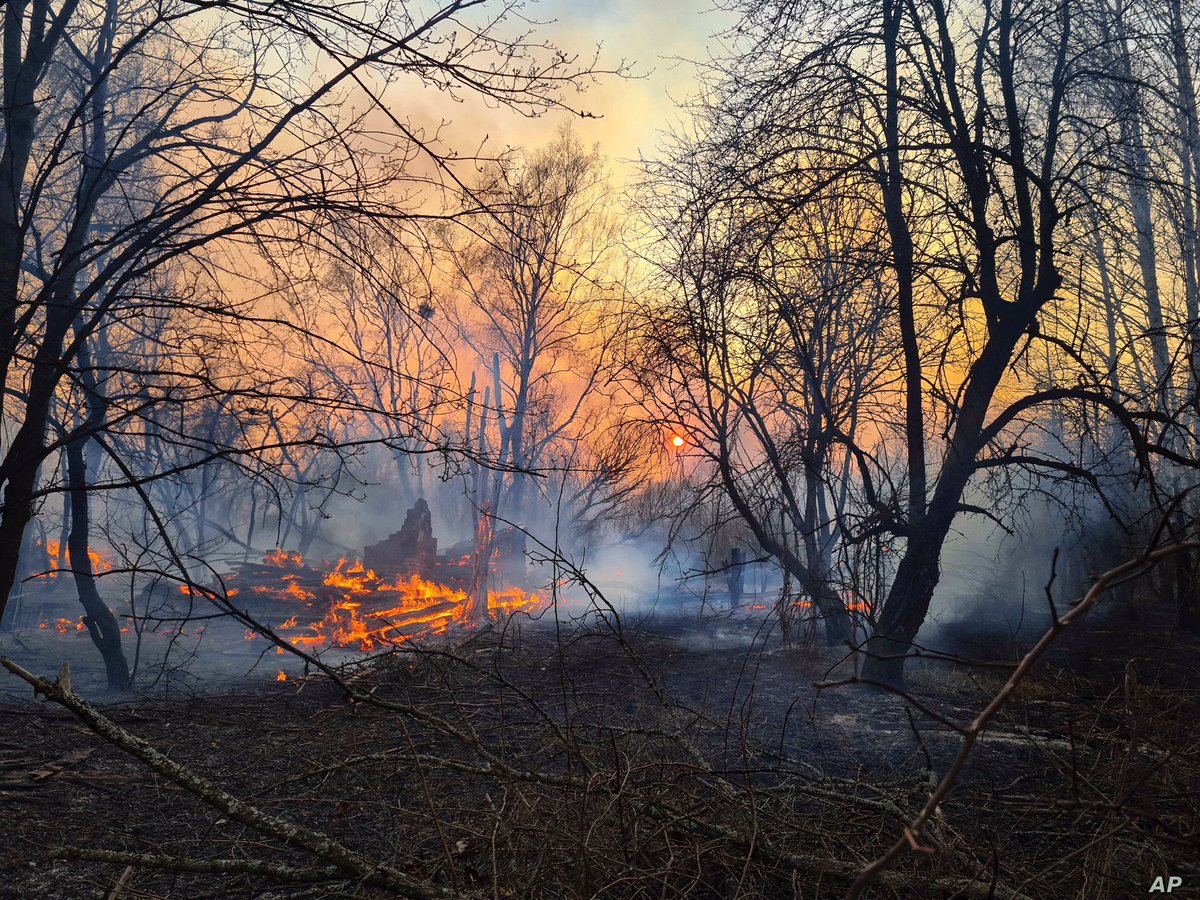
Local rain last night will hopefully bring respite to fire fighters who have spent the last three weeks tackling wildfires in the Zone.