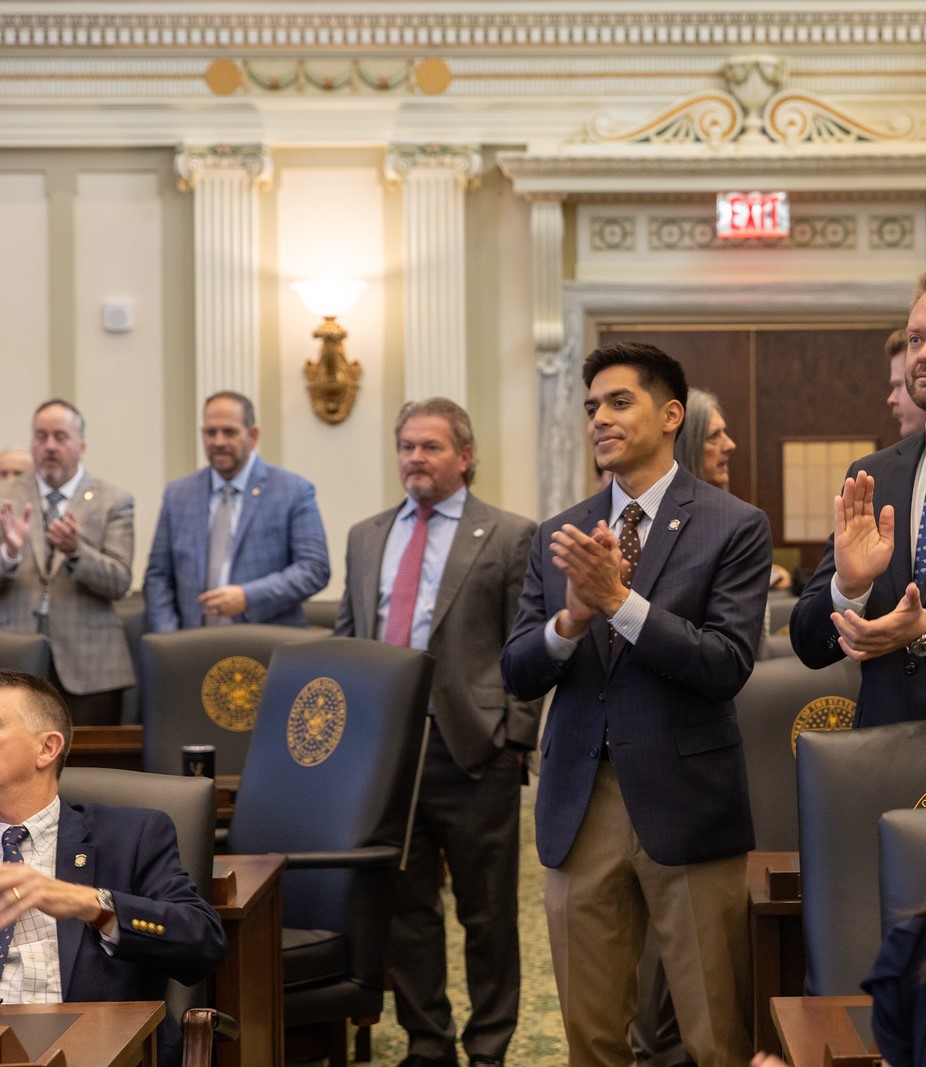
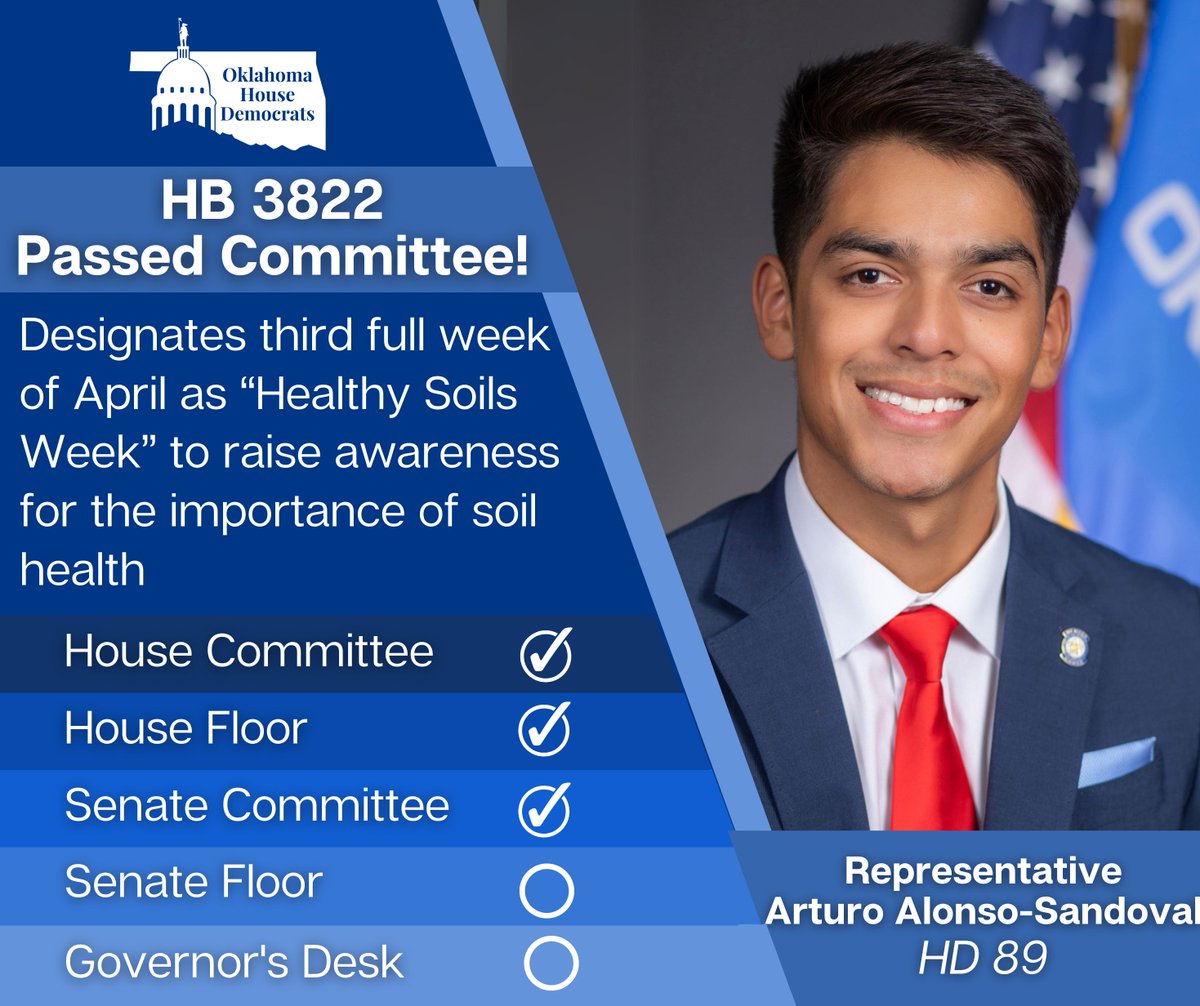
House Rep. Arturo Alonso-Sandoval, D-OKC, passed a bill out of Senate Committee today that designates the third full week of April as Healthy Soils Week. Congrats, Rep. Alonso-Sandoval! #OklahomansDeserveBetter
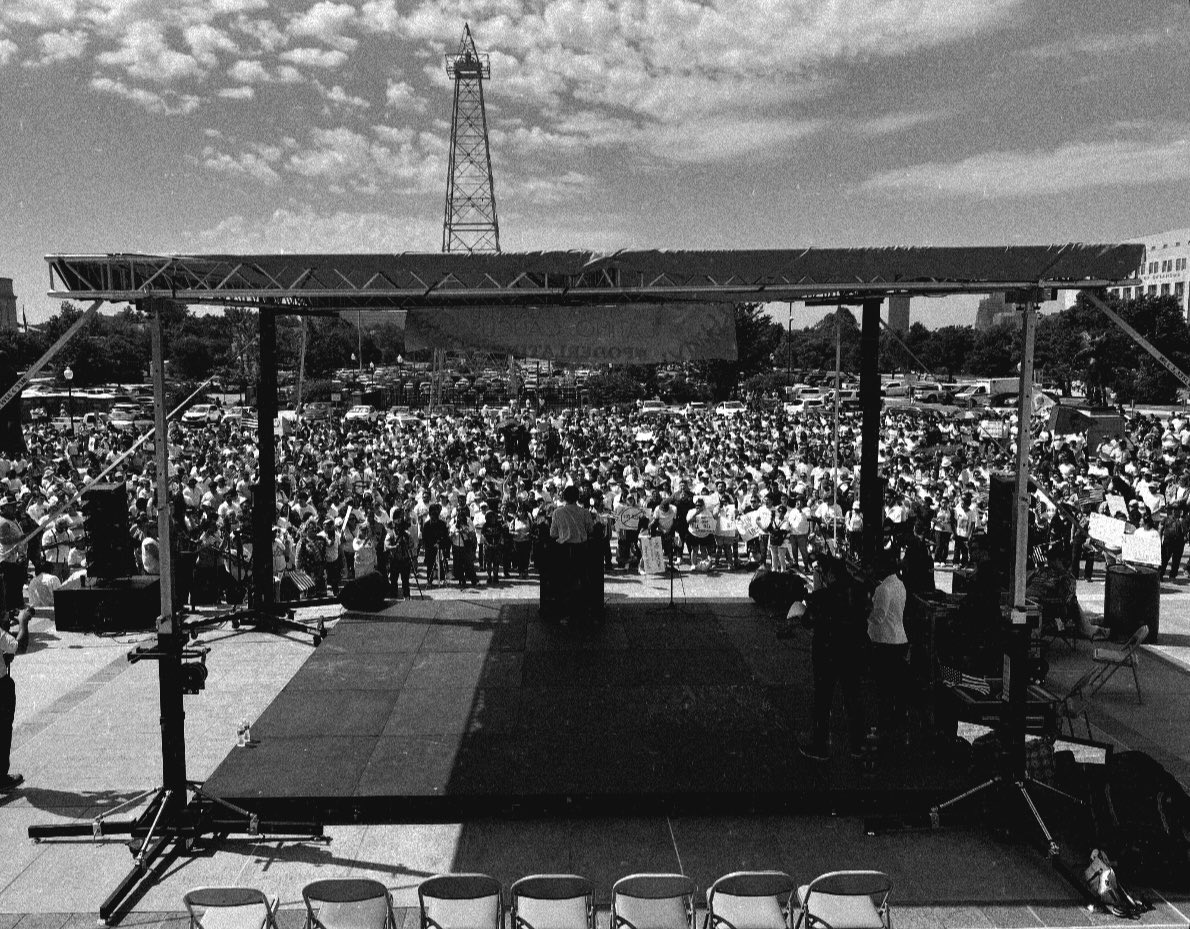
One young representative from Oklahoma City’s Southside is working to ensure the Latino community is engaged with the political process. The signs show a simmering hunger in the community to participate more in politics.
https://t.co/sQ9BvRJ7sc
Oklahoma House Representative Arturo Alonso-Sandoval, D-OKC, advanced two bills this week that pertain to Artificial Intelligence. Congrats, Rep. Alonso-Sandoval! #OklahomansDeserveBetter
It isn’t every day we are invited to the Governor’s press conference because we stood on the same side of a particular issue, but today was that day. I’ve always said we’ll work together with our colleagues across the aisle on the policies we know help all Oklahomans 1/
Oklahoma House Representative Arturo Alonso-Sandoval, D-OKC, advanced a bill yesterday that helps integrate certain artificial intelligence programs in schools. Congrats, Rep. Alonso-Sandoval! #OklahomansDeserveBetter
Today was the first day back in session for the Oklahoma Legislature and I am honored to continue serving both my community and the interests of all Oklahomans! We heard the Governor give the State of the State speech plus got to catch up with some great colleagues!
House Democrats renewed our formal request to the Speaker of the House to use his authority to create a special bipartisan House committee to investigate whether sufficient grounds exist for the House to exercise its constitutional power to impeach the State Superintendent.
My take on the Gov’s weird DEI presser today:
“It’s a diverse world. Inclusion & equity are important. Not sure why folks are ripping it, except for the fact that it's 3 letters & politicians know how to use those 3 letters to scare their base.”
Rise above the fear y’all!
Oklahoma GOP this spring: Our education plan isn’t a voucher scheme, it’s a tax credit
House Dems: this sure looks like a voucher
GOP: stop saying that, it’s a tax credit
Gov. Stitt this week:
Shutting the federal government down should never be on the table. Thank you to the OKC House delegation - @stephaniebice, @TomColeOK04 & @RepFrankLucas - for voting today to keep the federal government functioning. (1/2)
When I reached out to @RyanWaltersSupt office asking for his response to criticisms of the Prager U partnership, his communications director @DanIsett told me Black Wall Street Times reporters are now banned from interview requests.
#OklaEd
https://t.co/ZW7kpttQVz
Long considered the motto of the great State of Oklahoma, "Labor Omnia Vincit" or "Work conquers all things," represents the strong spirit and determination of Oklahoma citizens. On this day to honor American workers, have a happy and safe #LaborDay!
House Democrats made a formal request to the Speaker of the House to use his authority to create a special bipartisan House committee to investigate whether sufficient grounds exist for the House to exercise its constitutional power to impeach the State Superintendent.
12 Reasons Why Cities Need More Trees:
1. Temperature Control
One large tree is equivalent to 10 air conditioning units, and the shade they provide can reduce street temperature by more than 30%.
2. Noise Reduction
Trees can reduce loudness by up to 50%. In urban areas filled with the sound of cars, construction, sirens, aeroplanes, and music, trees are essentially the best way to block noise and keep cities — along with the homes and workplaces in them — quieter.
3. Air Purity
Trees remove an astonishing amount of harmful pollutants and toxins from the air. In urban areas air quality is often disastrously bad — with severe consequences for our health. Trees make the air we breathe much cleaner.
4. Oxygen
And, while absorbing all those pollutants, trees also put more oxygen back into the urban environment. Oxygen levels are significantly lower in cities compared to the countryside; trees help to solve that problem.
5. Water Management
Trees do more than just shelter us and our buildings from rain — which is, in fact, extremely important. They also absorb huge quantities of water, reduce run-off, neutralise the severity of flooding, and make flooding more unlikely altogether. Not to forget that their roots absorb pollutants and prevent them from feeding back into a city's water supply.
6. Psychological Health
Studies have proven what we instinctively know to be true: that human beings are significantly happier when surrounded by nature rather than sterile urban environments. Our emotions, behaviour, and thoughts are shaped by the places we spend time — and trees have a profoundly positive effect on our psychology. The consequential benefits of being happier and more peaceful — as individuals and as a society — are immense.
7. Physical Health
Beyond all the other ways in which trees improve air quality and the urban environment, much to the benefit of our health, they also encourage people to go outside. Cycling, running, and walking are all more common in urban areas with plenty of trees. A knock-on effect of people spending more time outdoors is also social integration and stronger communities.
8. Privacy
A simple point, but not inconsequential, is that trees provide privacy.
9. Economics
The total economic benefit of urban trees is hard to calculate. There are costs, of course, including the repair of infrastructure damaged by roots and maintaining the trees themselves. But the total economic benefit — a consequence of everything else in this list and more — far outweighs the expenditure. Trees make cities wealthier.
10. Wildlife
Trees are miniature cities all of their own, serving as a habitat for hundreds of different species, including birds and mammals and insects.
11. Light Pollution
Trees don't only block the light shining down, therefore keeping us and our cities cooler — they also disrupt light shining up, from street lighting, cars, houses, and billboards. Skies are clearer in cities with more trees.
12. Aesthetics
And, finally, trees are beautiful. They break up the potential monotony of urban environments — the sharp geometry, the greyscale roads and buildings, the endless rows of cars — with their trunks, boughs, canopies, and flowers.
Just think: the gold and red of falling leaves in autumn, the white and pink blossom of spring, the vast green canopies of summer, and the branches lined with hoar-frost in winter. Every single tree is a myriad of intricacy and texture, of colour and scent, of dappled light on the pavement, mottled bark, knotted roots, of clustered leaves and delicate petals and stern boughs.
Few streets would not be improved by the kaleidoscopic aesthetic delights of a tree, not to mention the many different species of tree, all over the world, whether willow, oak, lime, cherry, aspen, maple, birch, horse chestnut, dogwood, hornbeam, ash, sycamore... the list goes on.
There are some drawbacks to urban trees, most of them context-specific, and they are not — of course — universally appropriate. But it seems fair to say that many cities would benefit from at least a few more trees here and there.