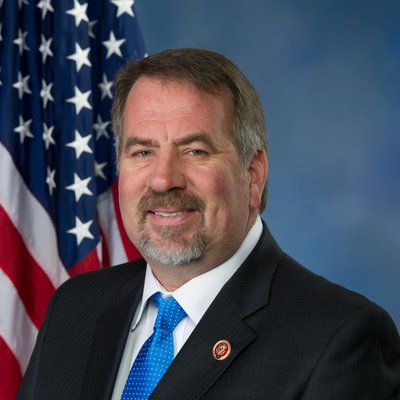
This afternoon, the House of Representatives will hold a Special Order Hour for bipartisan Members of Congress to honor the life of Congressman Doug LaMalfa. It will begin immediately after today's votes and is scheduled to start at 2:15 PM Pacific Time/5:15 PM Eastern Time.
You can watch live on C-SPAN or at these links:
House link: https://t.co/y7MZmKYkRZ
C-SPAN link: https://t.co/vvCyPKKwrD...
President Trump ordered a decisive operation aimed at disrupting a narco-terror regime responsible for years of harm to the United States. Nicolás Maduro is the head of a criminal network that pushes illegal drugs into the United States, harming or taking countless American lives.
Today’s surgical strike was an amazing display of American military power and precision. I am grateful no Americans were lost in the operation.
Today’s actions send a clear message to the world and those who seek to challenge America, that we aren’t going to make the mistakes of the past. We are putting the best and most lethal in charge- not those who would call our adversaries to “give them a heads up”. I look forward to further briefings on the raid and what the President’s plans are for the next steps for securing the western hemisphere from further crimes against freedom loving people.
This year brought a lot of accomplishments from our team, and I’m eager to continue representing and serving the people of California’s First District in the year ahead.
Wishing you a Merry Christmas! This season, as we honor the birth of Jesus Christ, we’re reminded to pause, give thanks, and spend time with those we care about. May your Christmas be filled with joy, love, and meaningful time with family and friends.
What’s at stake in Potter Valley is not an abstract policy debate. These proceedings are the difference between farms staying in business or shutting their gates for good. Cutting off this water would cripple agriculture across the region, put federal assets at risk, and make an already tough drought and wildfire situation even worse. Reliable water from these reservoirs is critical not just for farming, but for fighting wildfires that threaten homes, businesses, and lives. After meeting with USDA officials and some bipartisan colleagues, I appreciate Secretary Rollins and the Trump Administration for stepping in and demanding FERC take these real-world consequences seriously before moving forward.
Read the full release here:
https://t.co/zF7BdIchLe
A recent audit of California’s federal programs found the state “did not materially comply” with requirements for 6 of the 13 programs reviewed, failing to meet basic federal standards on nearly half of the programs examined. The audit also found deficiencies in accounting and administrative practices that weaken internal controls over compliance.
This isn’t a minor paperwork issue. It’s a clear sign that state leadership isn’t properly managing federal dollars that are supposed to be used responsibly. That falls squarely on the Democrat politicians running the state, showing just how far accountability has slipped in Sacramento.
Congress and the Administration need to hold California accountable for these failures.
Read the full audit here: https://t.co/aTss3H0jZi
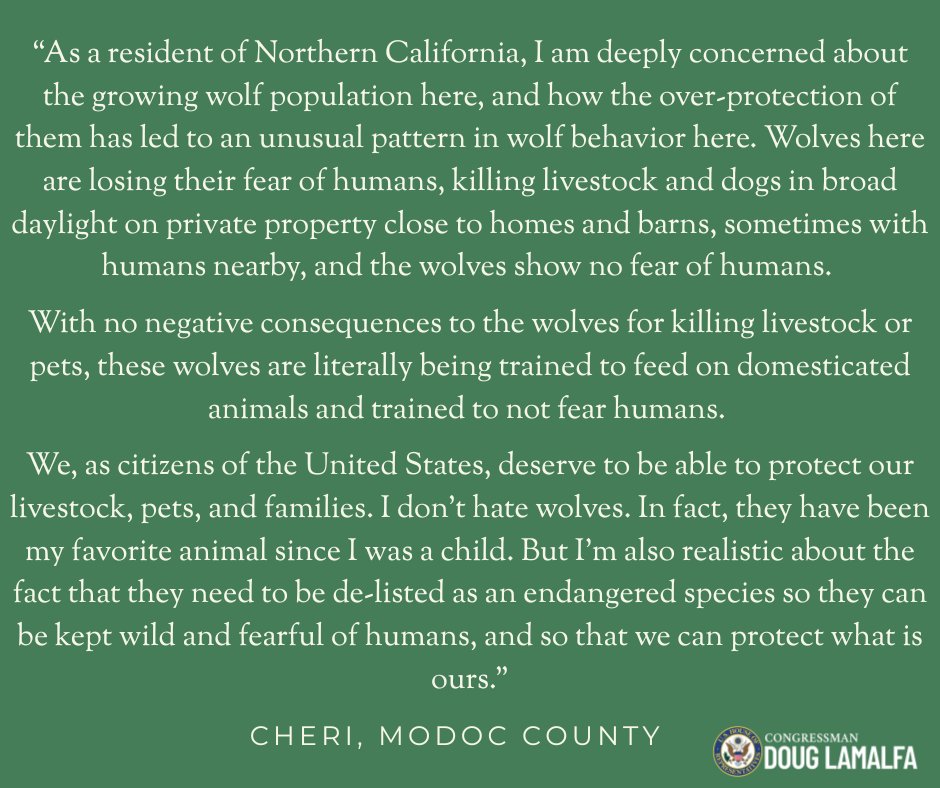
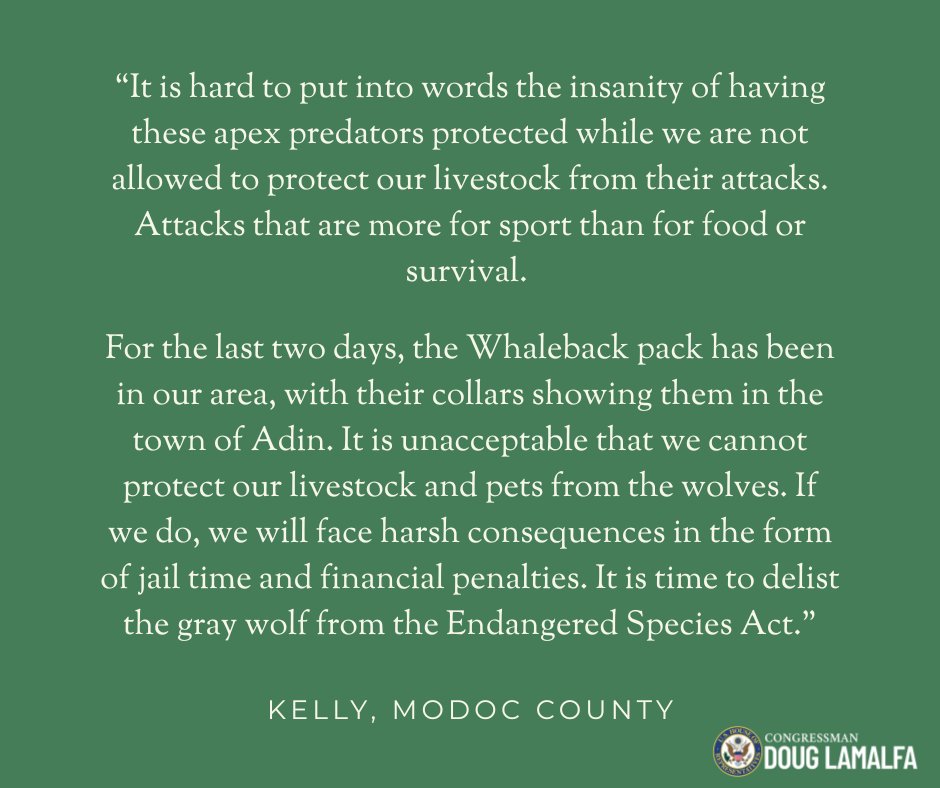
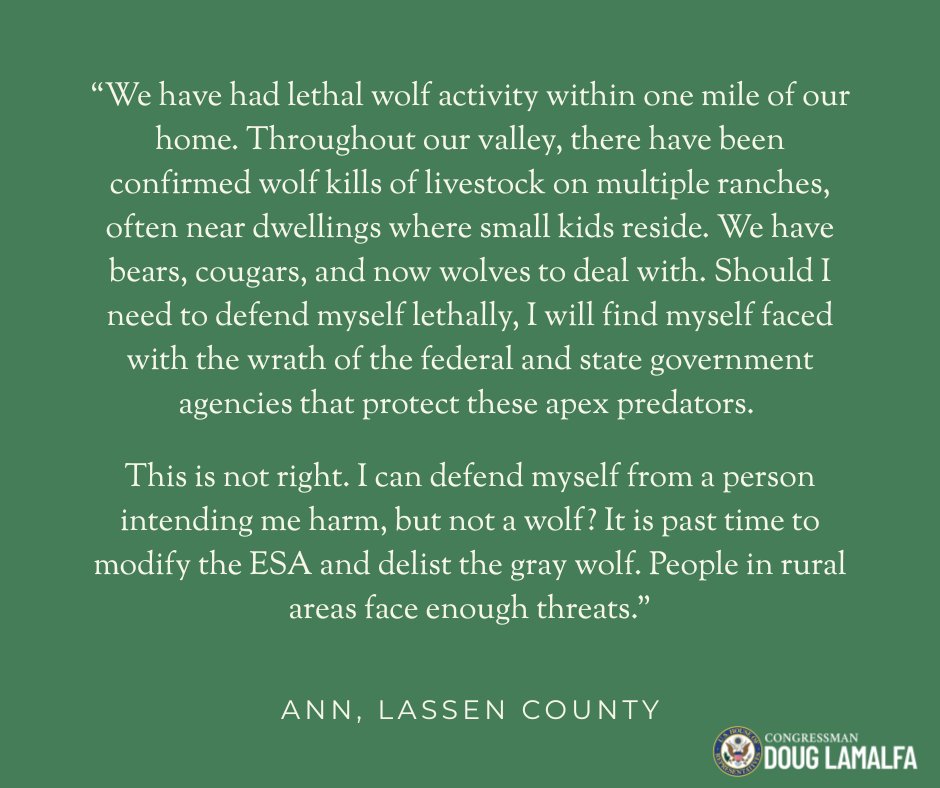
I was pleased to see the House pass H.R. 845, the Pet and Livestock Protection Act, which delists the gray wolf from the Endangered Species Act. Gray wolves are an apex predator being inflicted upon the people and the wildlife of Northeast California and the West. There are wolves that are encroaching on elementary schools in Siskiyou County. This is not a little red riding hood story. This is not a made-up deal. This is very real, and they’re coming closer and closer to town.
Even as wolf populations continue to expand, outdated federal protections under the Endangered Species Act have stripped away the tools needed to manage them. The ESA was meant to help species recover, not keep them permanently listed long after recovery goals are met. The gray wolf is a clear example of how the law has drifted from its original purpose, and it’s time to delist them. Rural Californians are tired of being victimized by these federal and state regulations.
Gray wolves have recovered across the lower 48, but federal protections are still preventing states from managing populations responsibly. That leaves ranchers, pets, and families at risk. The Pet and Livestock Protection Act puts common sense back in wildlife management and delists the gray wolf from the Endangered Species Act.
Hear directly from Northern Californians about why this legislation matters for their families and farms.
I'm pleased to see the House pass real change for our healthcare system with the Lower Health Care Premiums For All Americans Act. This bill gives people more choice, helps lower costs, and represents a step in the right direction. These reforms will lead to decreases in insurance premiums in the coming years. Folks in my district need more immediate relief. Families are still facing costs that are needlessly high, teetering on the edge of insurmountable healthcare expenses. Congress has a responsibility to address this before even more people are priced out of coverage entirely.
The House just passed H.R. 3632, the Power Plant Reliability Act, and it’s a commonsense step to keep the lights on and costs from climbing even higher. For years, Washington and state-level mandates have pushed power plants to shut down before reliable replacements are in place. When supply shrinks and demand keeps rising, families and businesses pay the price. California knows this better than anyone, it’s seen the highest electricity price increases in the country over the last 20 years.
This bill strengthens existing law so states and grid operators can step in when a power plant closure in a neighboring state threatens reliability, and it requires a five-year notice before plants retire so planners aren’t caught flat-footed. The electric grid doesn’t stop at state lines, and one state’s decisions shouldn’t drive up costs or increase outage risks for everyone else. This legislation puts reliability and affordability back into the conversation and gives grid operators the tools they need to plan ahead instead of reacting to crises.
Yesterday, the House passed my bill, H.R. 2400, the Pit River Land Transfer Act. The bill returns approximately 580 acres of federally owned land known locally as the “Four Corners” to the Pit River Tribe. For decades, the Pit River Tribe has pursued every legal and administrative avenue to acquire this land, facing endless bureaucratic delays. Transferring Four Corners to them will allow the tribe to build an interpretive center, educate the public on their history, and honor their ancestral past. I was pleased to see the House pass this legislation as a step towards strengthening stewardship, land management, and tribal self-determination.
I’m pleased to co-chair the Congressional Trucking Caucus this year to focus on the difficult real-world issues truckers deal with constantly. In rural areas like ours, trucking isn’t optional. It’s how goods get to shelves, raw materials get to farms, and farmers get their products to market. If you got it, a truck brought it. This marks the first time Congress has established a caucus dedicated to trucking, and I look forward to working with my colleagues to make sure our truckers can keep moving.
This is exactly what local officials and ranchers have been warning about. The gray wolf has exceeded recovery goals, yet federal protections remain in place, tying the hands of those dealing with the consequences. It’s past time to delist the wolf so public safety and livestock aren’t treated as an afterthought. https://t.co/ruaCkLI5lr
Today, the House passed the PERMIT Act, which includes my bill, the Forest Protection and Wildland Firefighter Safety Act. My bill ensures retardant remains available without getting bogged down in years-long Clean Water Act permitting delays and clears up the uncertainty created by lawsuits. Without this fix, federal, state, local, and tribal firefighters could be forced to navigate a maze of duplicative permits just to use one of the most effective tools we have to slow fast-moving fires.
With wildfire season now practically year-round and more destructive than ever, preventing or limiting the use of any fire retardant because someone insists on a permit first is completely backwards. Aerial fire retardant has been used safely for decades and is already highly regulated. These lawsuits don’t protect the environment; they tie firefighters’ hands while fires race through forests and towards homes. I’m glad to see the PERMIT Act passed the House with my bill included. It ensures our crews can act quickly, without being tripped up by fringe litigation or years of paperwork.
Chairman @CongressmanGT & @RepLaMalfa’s joint statement on reauthorization of the Secure Rural Schools Act:
“Today’s bipartisan passage of the Secure Rural Schools Reauthorization Act delivers long-overdue certainty for rural communities, schools, and public services that depend on these funds to survive. For too long, counties with federal land have seen an unfair decline in timber revenue through no fault of their own. This legislation ensures rural students and families aren’t left behind simply because of where they live.”
I was pleased to lead the effort in the House today to pass the Secure Rural Schools Reauthorization Act of 2025, which reauthorizes Secure Rural Schools (SRS) payments to rural counties in Northern California and across the country. This legislation was passed with overwhelming bipartisan support and is the first time in recent history that legislation to reauthorize this vital program passed as a standalone bill.
For rural counties, Secure Rural Schools funding is essential. These payments help keep schools open, keep roads maintained, and help ensure sheriff, fire, and emergency services remain in place when federal timber revenues fall short. When the program lapsed, rural schools and counties were cut short of the funding they rely on to provide basic services. This bill restores that funding and keeps future payments on schedule. What we actually need is to rebuild a strong timber economy so these areas can rely on real revenue again.
Since its enactment, the SRS program has provided $7 billion in payments to more than 700 counties and 4,400 school districts across 40 states. In 2024, California received $33.7 million in SRS payments, including over $12 million for counties located in District 1.
The Secure Rural Schools Reauthorization Act restores the missed 2024 payment and authorizes payments for 2025 and 2026. Once this bill is signed into law and SRS payments are made, rural counties and schools should be able to restart programs and rehire teachers and staff.
Hear it from these Pennsylvanians: Secure Rural Schools keeps rural communities alive. Reauthorizing it means students, teachers, and first responders aren’t left behind just because of the zip code they live in.