SO … WHAT HAPPENED?
How did a man fall to his death from the Goliath roller coaster at Six Flags in Georgia?
That remains under investigation.
We do know Six Flags has now temporarily closed nine roller coasters across six amusement parks.
Goliath, which was opened in 2006, reaches a top speed of 70 mph (113 kph) with a height of 200 feet (61 meters), according to the park’s website.
During about 3 1/2 minutes, riders “navigate through razor-sharp turns and soar over colossal hills,” the website says.
Justin Kirby shared this video recorded with his Meta glasses from when he once rode Goliath.
It gives you an idea of the sheer size and speed of this roller coaster.
CHECK IT OUT.
Behind the scenes with Sophie Cunningham! A look at her photoshoot for the Groov shoe insoles collaboration, capturing the style, personality, and confidence that make her stand out! 👟
WHAT WAS HE THINKING?
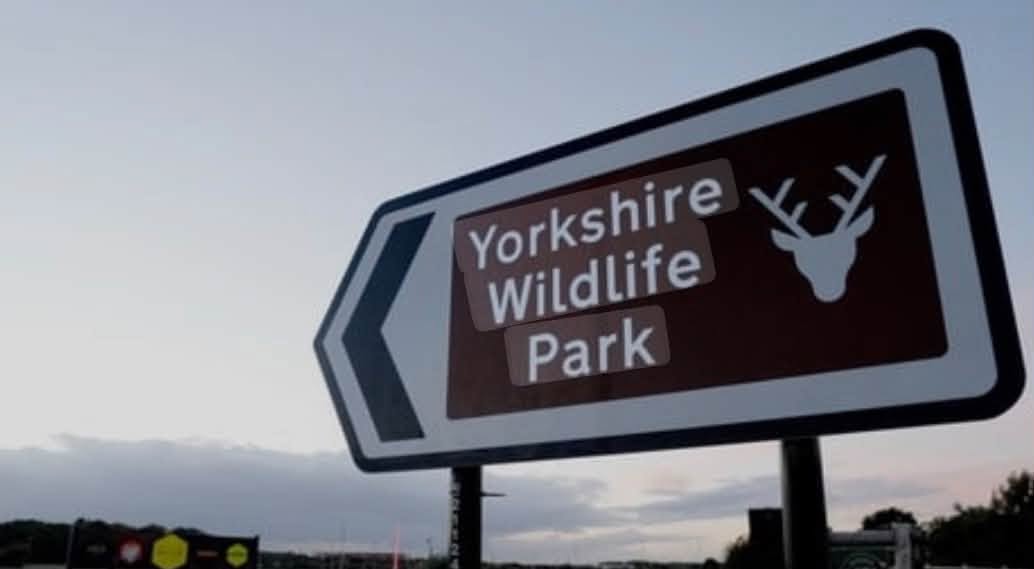
A man died yesterday after he entered the tiger enclosure at a wildlife park in northern England and was attacked by one of the animals.
Emergency medical personnel responded to the Yorkshire Wildlife Park after the incident, but the victim died at the scene.
A police spokesperson said the tiger attacked the man and inflicted “serious injury”.
“Emergency services attended and sadly, despite the best efforts of medical personnel, the man was pronounced dead at the scene,” they added.
“Regarding rumours surrounding the condition of the tiger, the animal was uninjured and remained in the enclosure following the incident and there is no wider risk to the public.”
Okay, this is awful.
Such a shame the man died.
But he — for whatever reason — decided to jump in with the tiger.
Authorites have not said, but there have been some reports that the man may have been autistic or with special needs.
If so, he may not have recognized the danger.
Did he have caretakers?
Witnesses told the Manchester Evening News the man had been "dancing happily with AirPods in" before scaling down a fence, seemingly "wanting to play" with the endangered big cat.
Regardless, there should be NO repercussions for the tiger for doing what tigers do.
And, fortunately, that appears to be the case … the tiger remains in the enclosure.
AGAIN, VERY SAD AND UNFORTUNATE.
It happened outside a DMV office in Jacksonville, Florida. A man had climbed behind the wheel of an SUV and was attempting to drive away with both children still in the back seat. Their mother was frantically trying to get them out when the driver accelerated, dragging her and one of her children through the parking lot.
But the people nearby weren’t about to stand there and watch. More than a dozen strangers rushed toward the SUV, surrounding the vehicle as the mother struggled to free her babies. Together, they managed to get her and both children to safety before the driver sped away.
And those strangers weren’t finished helping. Witnesses gave police the vehicle’s description and license plate number, helping officers track down and arrest the suspect later that same day.
A terrifying situation that could have ended in tragedy became an extraordinary reminder of what happens when ordinary people refuse to look away.
These heroes may have been strangers to that mother, but their courage helped bring her babies home safely. Let’s give them the recognition they deserve.
A man stole a car with two young children trapped inside. Their great-grandmother clung to the driver’s door as he sped away, dragging her across the pavement.
8-year-old Chance Blue and his 10-year-old sister were waiting in the car outside an Ohio hospital while their great-grandmother helped a friend inside. That’s when a stranger jumped into the driver’s seat and took off with both children still in the back.
Chance managed to open the rear door, but as his sister tried to escape, the man grabbed her by the hoodie and pulled her back inside.
Instead of jumping to safety, Chance fought the grown man to free his sister. He grabbed onto her and pulled with everything he had, refusing to let go until he yanked her free and they both tumbled out of the moving car.
Their great-grandmother was injured after being dragged along the pavement, but she survived. Both children escaped with only minor injuries, and police later arrested the driver.
Chance was just 8 years old, but when his sister was in danger, he refused to leave her behind.
That little boy is a hero. 💙
In the summer of 2023, a truck driver was handed an envelope before a concert.
He had been on the road for months — one of the drivers hauling the enormous steel skeleton of a stadium show from city to city, the stage and the rigging and the structure that the whole spectacle hangs on. It is grueling, invisible work. These drivers sleep during the day and drive through the night. They live in their cabs. Many of them had been away from home, and from their kids, for around twenty-four weeks straight.
The envelope held a handwritten letter and a check. The driver glanced at it quickly, the way you'd glance at a routine end-of-tour tip, and misread the number. One driver thought his said a thousand dollars. Another read ten thousand. Another looked at his and said it had to be a joke — "$100,000?" — which sent all of them scrambling to reopen their own letters.
It was not a joke. Every one of them — nearly fifty drivers — had been given a bonus of one hundred thousand dollars.
The tour was Taylor Swift's Eras Tour. And the checks were from her.
By the summer of 2023, the Eras Tour was not just a concert tour. It was the most lucrative tour in the history of music, on its way to becoming the first ever to gross more than a billion dollars. Swift was, by almost any measure, at the absolute peak of her power and her fame.
And as the U.S. leg of that record-shattering tour came to a close, she did something with a slice of it that most people in her position never do. She looked down the payroll — past the band, past the dancers, past the famous names — all the way to the truck drivers, the people whose work no one in the audience ever sees, and she gave each of them enough money to change their lives.
To understand how unusual that is, you have to know what these bonuses normally look like. The head of one of the trucking companies on the tour, a man named Michael Scherkenbach, explained it plainly. A generous end-of-tour bonus for a driver, he said, is typically in the range of "$5,000 to $10,000 each." That's the norm, even from big stars.
Swift gave them nearly ten times that. One hundred thousand dollars. Each.
For a truck driver, that is not a nice tip. As Scherkenbach put it, it was life-changing money — a down payment on a first house, or a year of a child's college tuition. People who spend their lives behind the wheel hauling someone else's cargo were suddenly, overnight, able to think about owning a home.
And she didn't have it dropped off by an accountant. The checks were presented in person by her own father, Scott, each one paired with a handwritten letter from Taylor herself.
The truckers weren't the only ones, either. Those hundred-thousand-dollar checks were just one piece of a far larger gesture. In total, Taylor Swift handed out more than fifty-five million dollars in bonuses to the people who worked the Eras Tour — the band, the backup dancers, the sound and lighting technicians, the riggers, the crew. She paid the people who built the thing.
There is a small detail from an earlier tour that shows this wasn't a one-time stunt. When Swift made a concert film of a previous tour for Netflix, she had her truck drivers' names listed in the movie's credits — the drivers, in the credits, alongside the cast and crew. Scherkenbach never forgot it. "That," he said, "shows the character of a person."
People were quick, of course, to point out that she could afford it — that a hundred grand is pocket change against a billion-dollar tour. Scherkenbach found that line of thinking irritating. There are plenty of enormously wealthy people, he noted, who choose not to share a single dollar with the workers beneath them. Being able to afford generosity has never been the same thing as choosing it.
Because that is the real point of the story.
At the very top of the most successful tour ever staged, Taylor Swift's attention did not travel upward, toward more. It went down — to the people on the bottom rung of her own operation, the ones who would never be recognized, never be photographed, never be thanked by a stadium full of fans. The drivers in the dark.
She ran the biggest tour in history.
She found the people no one ever sees — the ones asleep in their cabs at noon and out on the highway at three in the morning.
She gave each of them ten times the going rate, enough to buy a home.
She had her father hand it to them in person, with a note in her own writing.
She had put their names in the credits when she didn't have to.
And she did it not because anyone would have noticed if she hadn't — but because she noticed them.
The truest measure of people at the top is how they treat the people at the bottom.
Taylor Swift looked all the way down her own payroll, and made fifty truck drivers homeowners
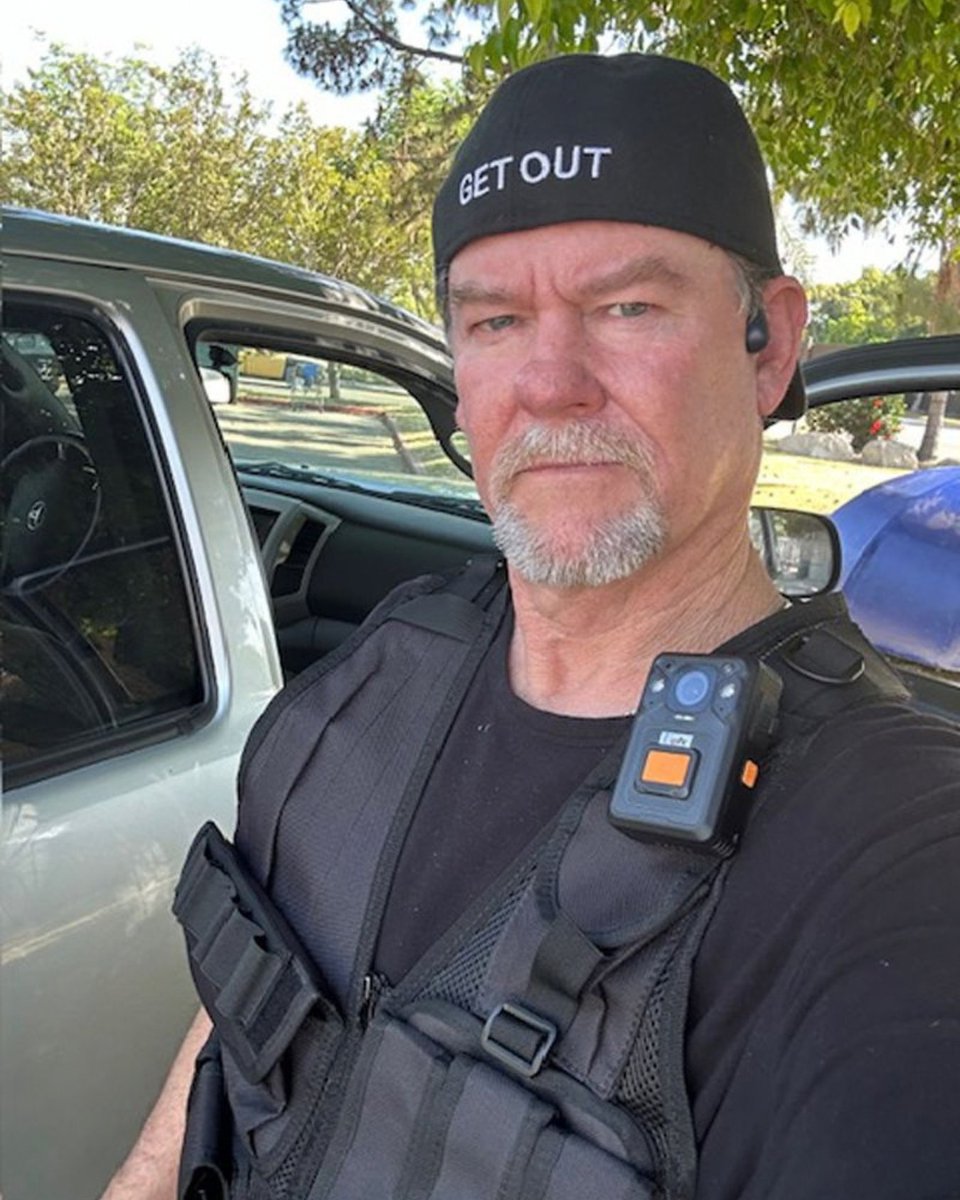
When squatters took over his mother's empty house in California in 2019, Flash Shelton called the police. They told him there was nothing they could do. Once someone is inside, the owner has to go to court.
So Flash had a different idea. He moved in.
He got a lease, walked through the front door, and became the worst roommate imaginable. He took over the couch. He took over the living room. He never left. Some squatters just want to be left alone, and the moment they get an unwanted roommate, they pack up and go.
They call him the Squatter Hunter now. He does it for other homeowners too. Crickets in the walls. A snake in the house. Always within the law, he says. The house goes back to the person who paid for it.
The system told him to wait for the courts. He brought a sleeping bag instead.
Genius or crazy?
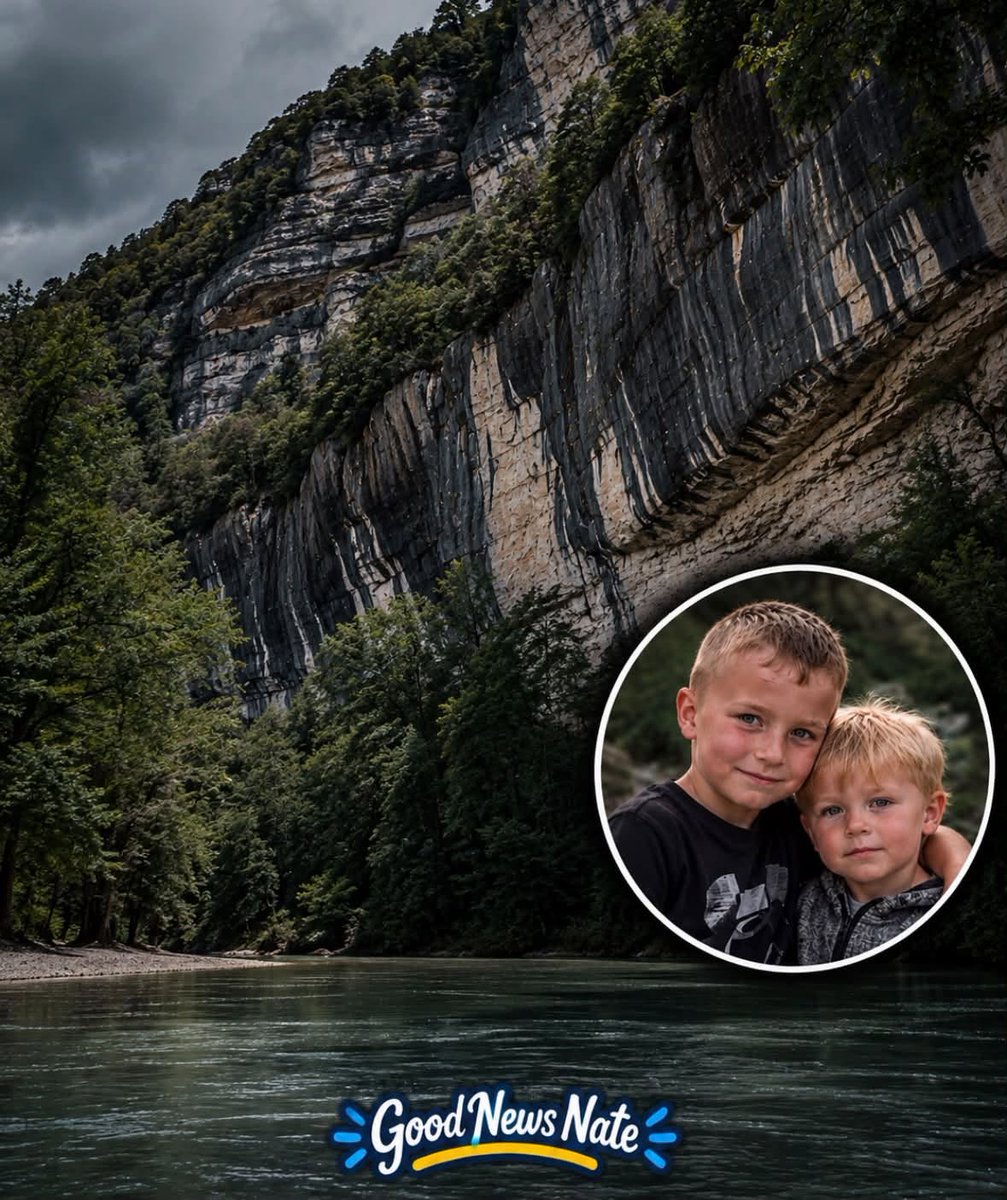
A 3-year-old boy plunged nearly 100 feet down a cliff and disappeared beneath the freezing water of a creek. But before rescuers could reach him, his 7-year-old brother went down the very same cliff to try to save his life.
Dakota Duke was hiking with his family in Oklahoma when his little brother, Riley, slipped over the edge. Dakota didn’t hesitate. He scrambled down the steep, rocky slope, injuring himself along the way, until he reached the water below.
But Riley was underwater, badly hurt, and Dakota wasn’t strong enough to pull him out.
So the 7-year-old jumped into the freezing creek, grabbed his little brother, and lifted his head above the surface. He held him there, refusing to let him slip beneath the water again as rescuers raced to reach them.
Riley suffered a fractured skull, broken ribs, and a serious brain injury. Dakota needed stitches himself.
But both boys survived. And after everything they’d been through, they were eventually back home together.
Dakota was only 7 years old. He couldn’t carry his brother to safety, but he did the one thing that mattered most: he kept him breathing until help arrived.
At just 7 years old, Dakota gave his little brother the greatest gift of all. A chance to grow up.💙
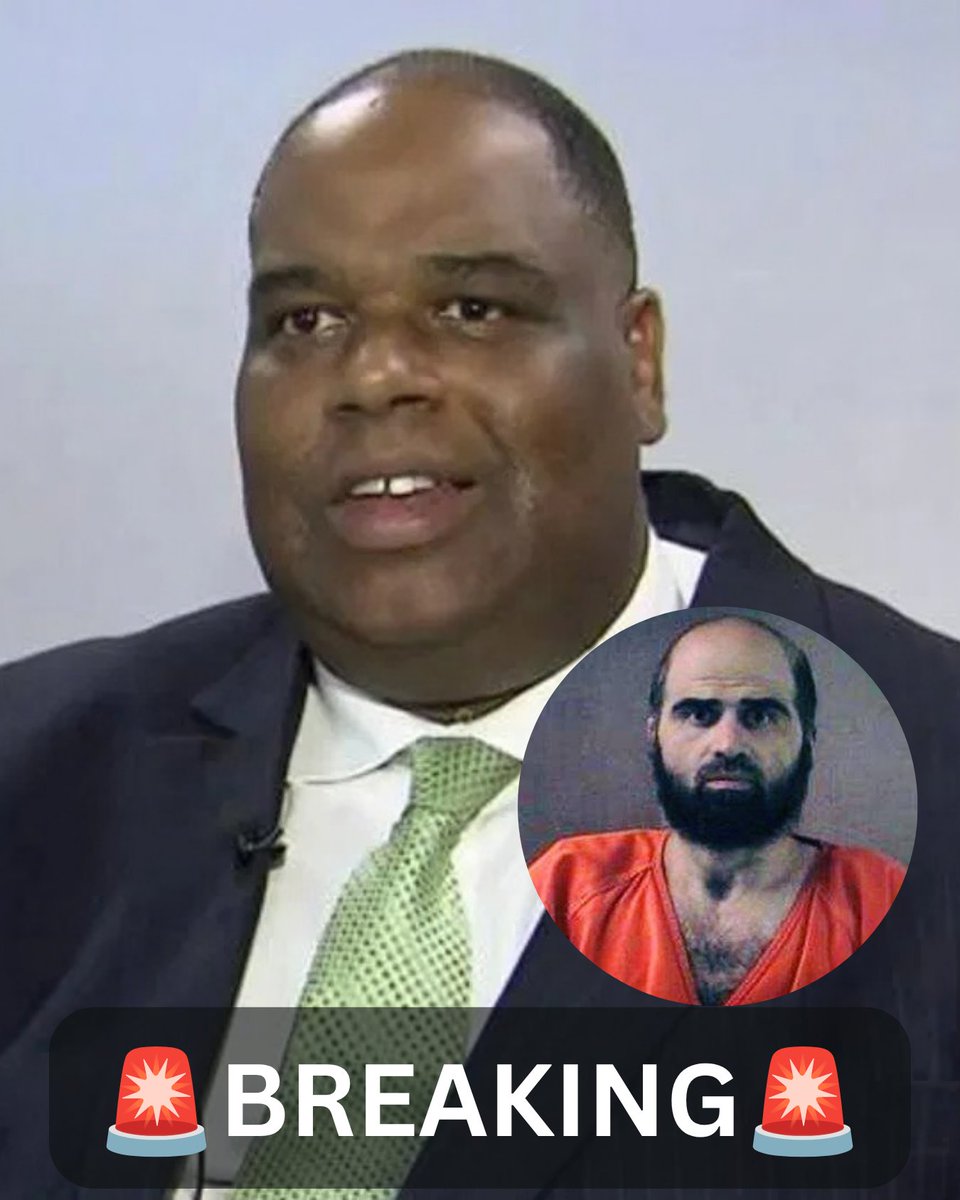
He was shot seven times and lived. Now he wants to look his shooter in the eyes one last time.
Sergeant Alonzo Lunsford was there on November 5, 2009, when Nidal Hasan opened fire at Fort Hood and killed 13 people. Lunsford took seven bullets. He still carries the memory of 21-year-old Francheska Velez, pregnant, screaming as she was shot down beside him.
Now the Pentagon says Hasan will face a firing squad, and it will be livestreamed. And Lunsford has made his position clear: he wants to watch. He wants Hasan to look him in the eyes just before the shots are fired, so Hasan understands he failed and Lunsford survived.
No sympathy, he says. Not for the man who tried to kill him.
Hasan will be executed at the same place where the attack happened. Lunsford calls that fitting.
Seventeen years later, the survivor still stands. The question is whether watching the end will finally bring peace.
Would watching bring you closure, or would you look away?