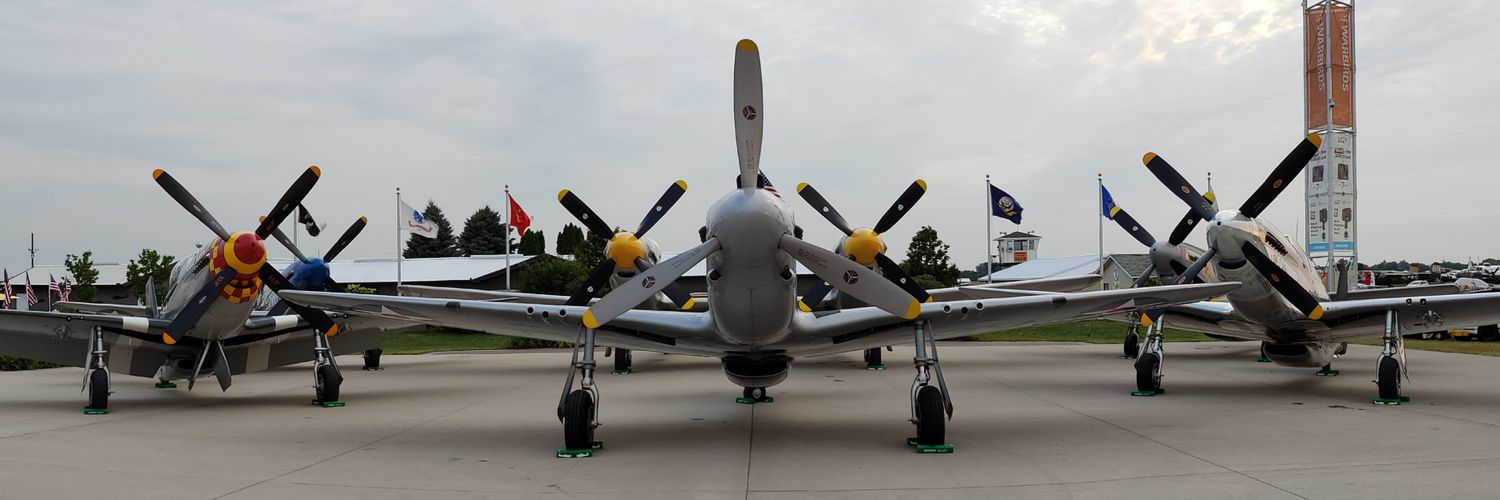
This Japanese aircraft kit is truly unique! The builder chose the decal version for its intriguing detail over plain aluminum. While they've never seen this aircraft before and might not build another, they're open to a future decal build. #ModelKits#AircraftModeling
This model build features a fun step: using included PE parts to fill sanded areas after seam work. Chipping methods applied to black and 'gas' areas simulate maintenance wear. Sponge-dabbing with a #ModelBuilding#ScaleModelspaper
Exploring unique weathering techniques for Japanese aircraft models. This dry brush method achieves a distinct golden, dusty, and chromey engine finish,#ModelBuilding#ScaleModels
Building season is here! Get ready for Summer 2026 with these tips. Thanks for watching, and hit me up in the comments with your questions! #DIY#SummerBuilds
Finishing up a fun aircraft build! This model is a joy to assemble, especially with the improvements made. It's refreshing to tackle a different type of plane once in a while, and I love the unique shape and decal options. #ModelBuilds#Hobby
Prepping and painting landing gear can be fiddly, especially with Eduard kits. These detailed aluminum parts require patience, but they hold up well through the painting process, proving that even the most delicate pieces can withstand the challenge. #ModelBuilding#Hobby
Tackling the tedious sub-assembly on this kit! Eduard plastic's a different beast – sometimes too hard to glue, too soft to sand. Definitely a unique experience compared to Tamiya. #ModelBuilding#Hobby
Building this Japanese aircraft engine was a surprisingly smooth process. While some wires were loose—a common trait in Japanese aircraft compared to the neat Pratt & Whitney engines#ModelAircraft #Hobby
Building an aircraft model? Careful with weathering! Applying oils directly to a non-gloss coat can cause peeling. Learn from this mistake to avoid damaging your work. #ModelAircraft#HobbyTips
This airplane model build features Alclad black micro filler primer and a tricky wood-panel detail. The creator tackled the challenge by painting tan and middle stone colors, creating a streaky effect before layering the middle stone on top. #ModelBuilding#Hobby
Adding subtle scratch marks and weathering to model wings for a realistic, worn look. This technique works best without a gloss coat, allowing paint to be easily scraped away with water for a natural texture. #ModelPainting#HobbyTips
Testing AK Interactive's paint on Japanese aircraft revealed an unexpected, almost excessive shine. While it works well on Mustangs, it might not match Alclad's gloss. Further testing without a gloss coat is needed. #ModelPainting#ScaleModels
Accidentally discovered a cool texture on an aircraft model by mixing paint. What seemed like a mistake actually added a micro-textured finish to the black paint, similar to what you might want #ModelPainting#HobbyTips
Even though weathering makes models look amazing, it's a tedious process. Still, it's crucial because unweathered models look boring. It's a necessary evil for a great finish. #ModelMaking#Hobby
Working on model seams can be a relaxing process, even when it requires putty. Some areas, like underneath the fuselage where the wings join, surprisingly didn't need any, making the build smoother. #ModelBuilding#Hobby
Assembled this whole thing backwards, painted the interior khaki brown, and added detail painting where metal pieces would be due to a lack of reference pictures. Used AK black marker and super glue for PE parts. #ModelBuilding#Hobby
Weathering airplanes adds realism, preventing a toy-like appearance. Using different brushes can simulate rain marks and storage effects, enhancing the final finish. It's all about having fun and trying new techniques! #ModelAircraft#HobbyTips
Achieving a realistic wood grain texture on a seat is surprisingly simple! Dipping and washing with specific colors, then using a stiff brush with thinner, creates a natural, layered look. It mimics real wood grain with surprising ease. #DIY#WoodGrain#Crafting
Applying seat belts with super glue and tweezers requires patience. A chipping method finishes this model, aiming for a realistic worn look without overdoing it. #ModelBuilding#HobbyTips
Dealing with a big gap? Milliput is your solution. This epoxy putty is surprisingly versatile and lasts forever, making tricky seams a breeze. It's an awesome, easy step for a perfect finish. #ModelingTips#HobbyHacks