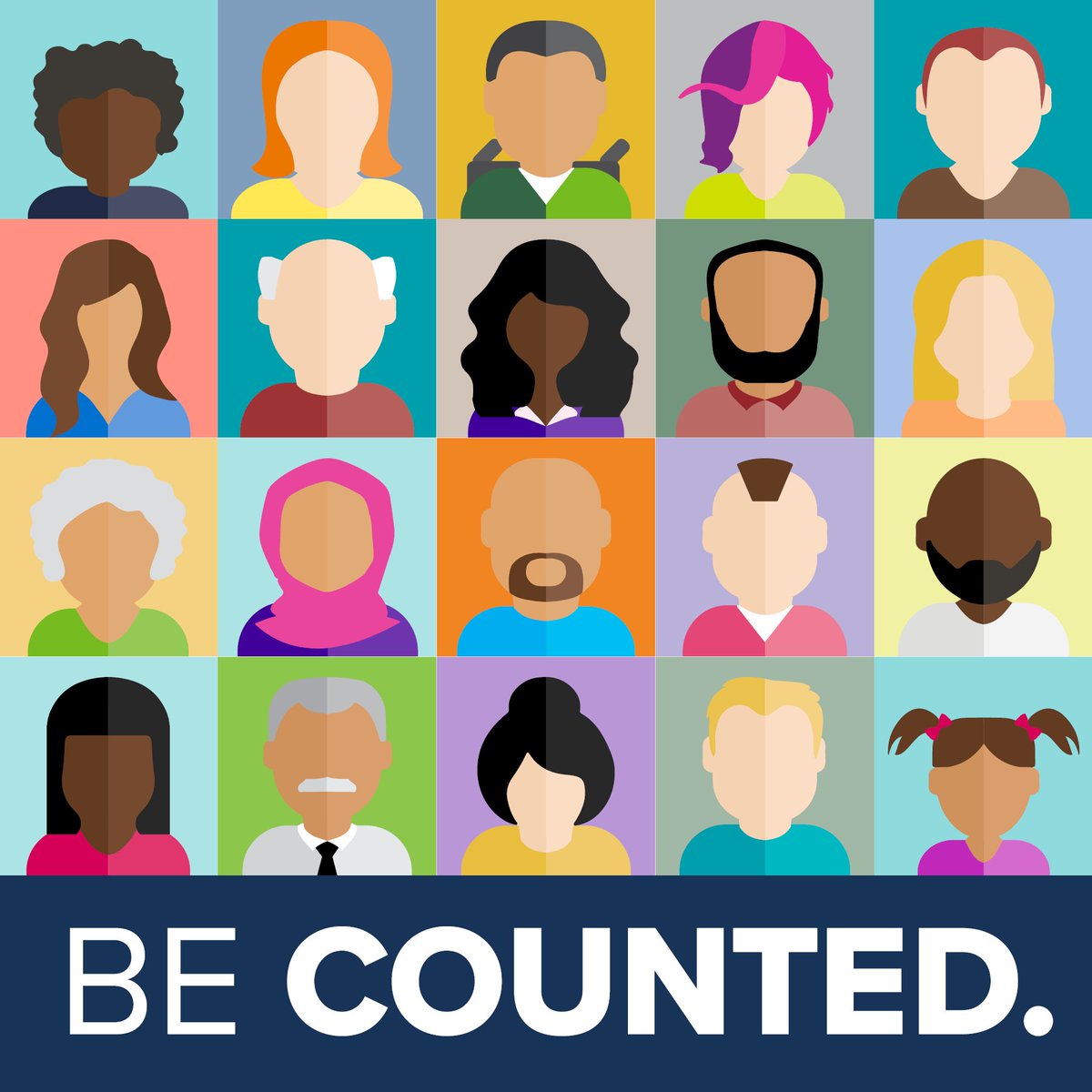
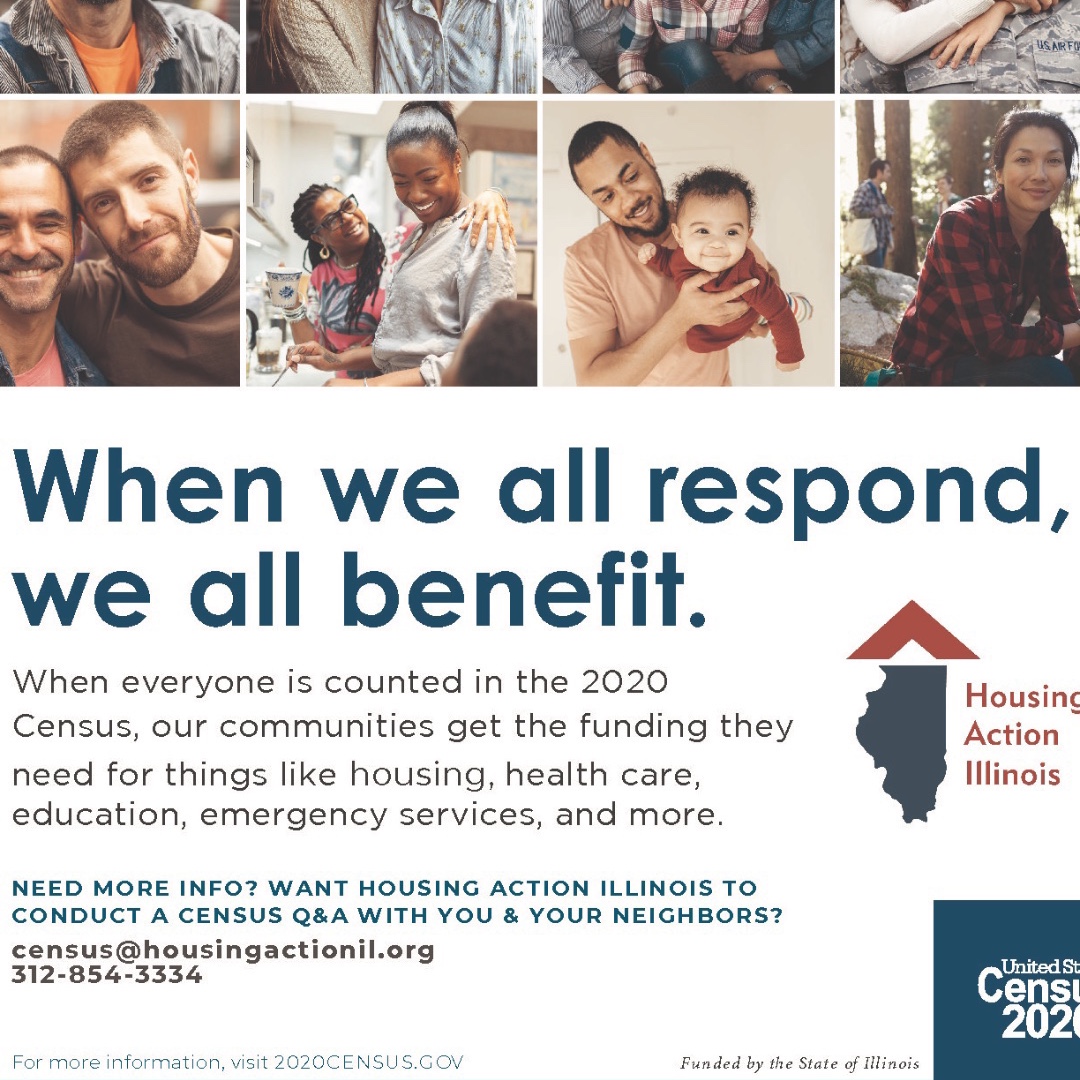
#Census2020: It’s quick, it’s easy, and it’s incredibly important. Take a moment and respond online, by phone, or by mail. https://t.co/hLXwTqbZGZ #ILCountMeIn2020
The Census counts EVERYONE: renters, people experiencing homelessness, babies, non-citizens, students, your neighbors, and definitely YOU. Fill out your form today: https://t.co/hLXwTqbZGZ #Census2020#ILCountMeIn2020
The census is critical for Illinois. It determines how many seats Illinois has in Congress & affects billions of dollars in funding for housing, health care, education, & more. We need to make sure everyone gets counted! #Census2020#ILCountMeIn2020
The census will reshape the financial and political landscape of Illinois. Help ensure our communities get the resources we need by responding today: https://t.co/hLXwTqbZGZ #Census2020#ILCountMeIn2020
Respond Now's Food Access Coordinator, Emily Inman, wrote a great article for the first Community Health Workers newsletter for The Illinois Public Health Association. https://t.co/tJcSEHFZ6a
As it's a leap year, 2020 brings 366 days of new opportunities to connect.
What will you do with that extra day?
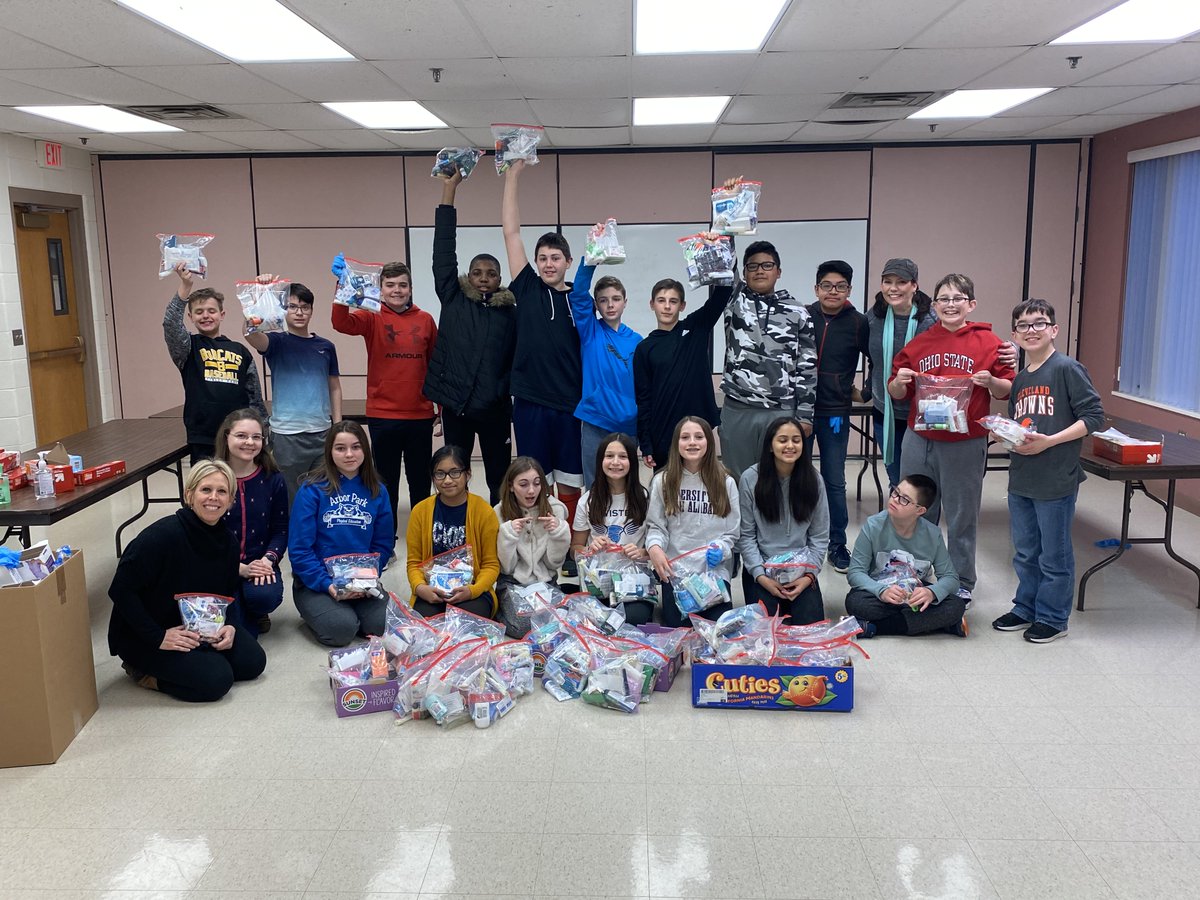
This year, let's reach out to those around us, give something back to our communities through volunteering.
Protect Yourself from Social Security Scams
1. Hang up!
2. DO NOT give them money or personal
information!
3. Report the scam at https://t.co/Id7b1ldyAq!
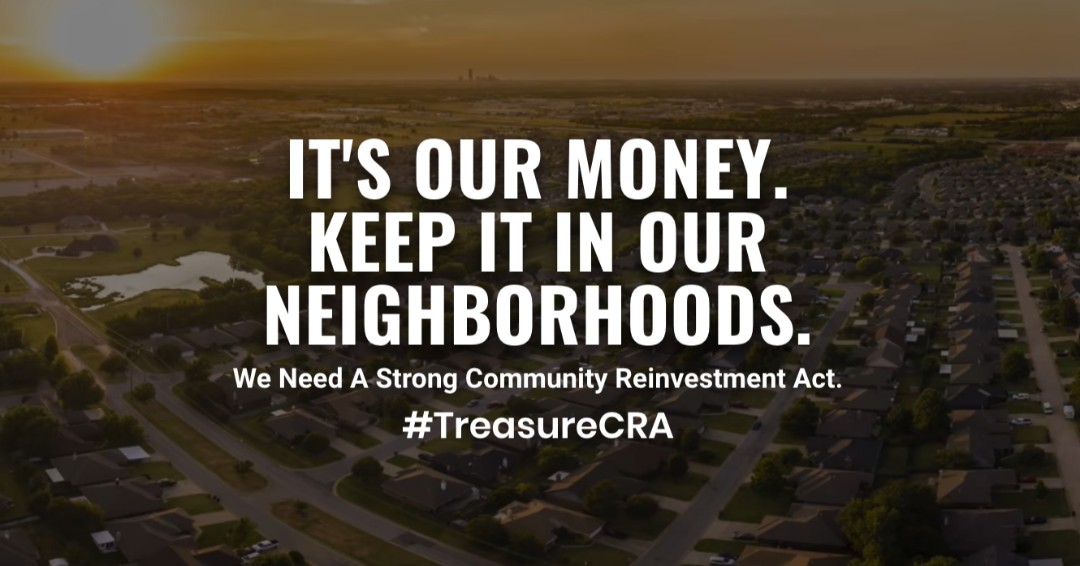
Take Action to Protect CRA Investment in Low-Income Communities
Recently proposed changes to the Community Reinvestment Act (CRA) could redirect billions of dollars in lending and investment away from low-income and minority communities.
https://t.co/8ZwAWSnDOe
Key protections against housing discrimination are under attack.
HUD is proposing changes that would undermine efforts to achieve inclusive, equitable communities. Tell HUD that you OPPOSE the Trump Administration's latest retreat on civil rights.
https://t.co/PKjzUlefaS
Update on Public Charge Rule
The Supreme Court has green-lighted the public charge rule, which will punish people seeking permanent resident status if they use public supports to meet their family’s basic housing, health, and nutrition needs.